The Role of blacksmiths in Celtic societies
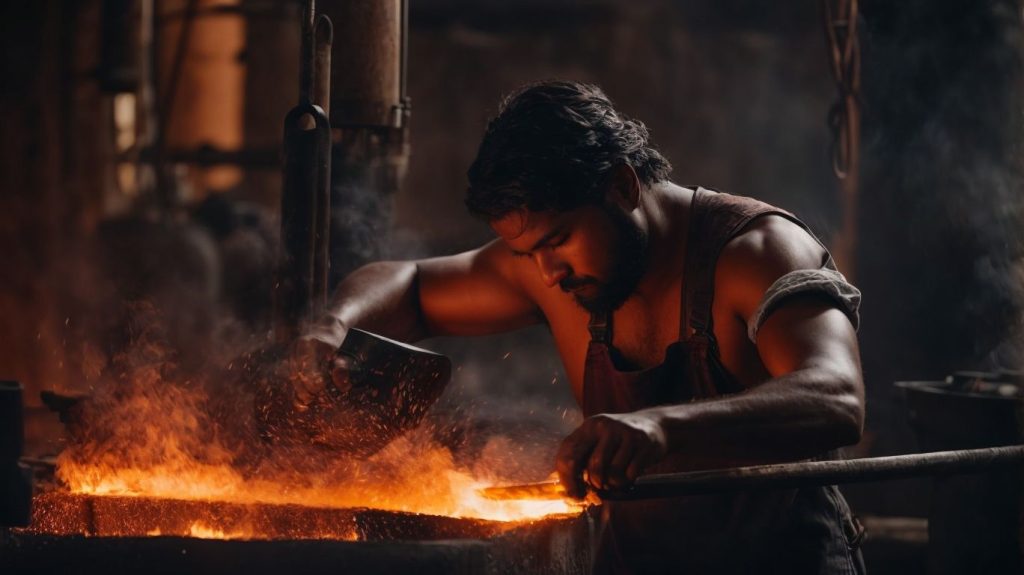
Exploring the significance of blacksmiths reveals their integral place within Celtic societies. These artisans were more than mere metalworkers; they were vital contributors to daily life and cultural practices. craftsmanship in metalwork blossomed during the Iron Age, as skilled hands created essential tools and impressive weaponry.
Every community relied on the expertise of these craftsmen. Blacksmiths provided practical items that resonated with both functionality and artistry, from farming implements to ornamental pieces. Their trade underscored a broader network of exchange, with products often surpassing local needs and reaching distant markets.
The cultural significance of blacksmiths extended into mythology as well. Tales intertwined their craft with divine elements, attributing magical qualities to their work. Such narratives elevated the status of these artisans, positioning them as central figures in both practical and spiritual realms.
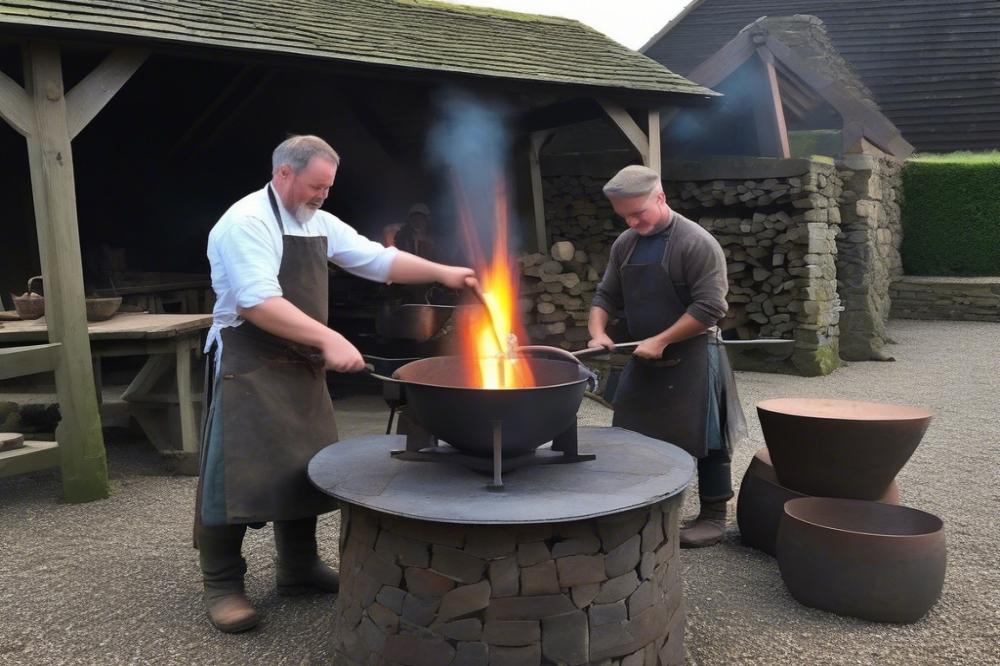
Community roles, therefore, went beyond simple production. Blacksmiths often served as hubs for interaction, where stories flowed as freely as the heated metal. Their forge became a meeting point, reflecting the social fabric of the society that embraced them. This deep connection illustrates how essential these craftsmen were to various aspects of life, empowering locals with tools for survival while also enriching cultural identity.
The Art of Metalwork
Metalwork during the Iron Age was a cornerstone of daily life and community survival. Artisans possessed skills that transformed raw materials into functional and beautiful objects. Techniques varied, but the essence of their work lay in their ability to manipulate iron and other metals through heat and hammering. This craftsmanship not only produced tools and weaponry but also held significant cultural importance within Celtic societies.
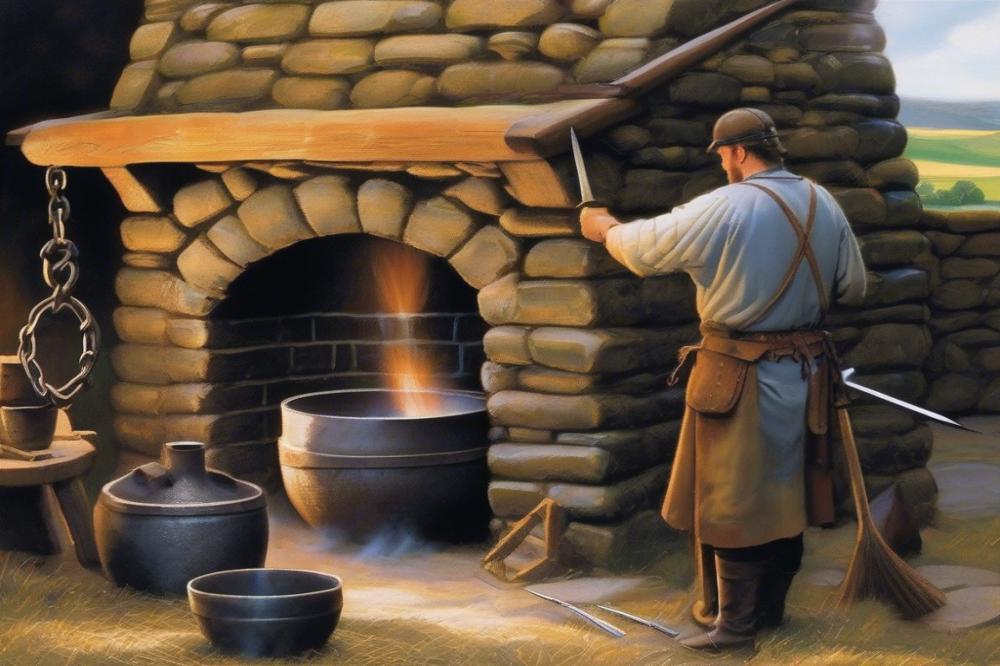
Central to their trade was the forge, which served as a hub of activity. Blacksmiths harnessed the power of fire, using bellows to reach the high temperatures necessary for shaping metal. The primary tools for these artisans included hammers, tongs, and anvils. Each instrument played a distinct role in the crafting process, allowing for precision and artistry in every piece. As bladesmithing developed, they began creating more sophisticated designs, producing weapons that were not only practical but also symbolically rich.
Every item forged in the heat of the flames carried stories of mythology and community roles. Warriors relied on these weapons for protection and conquest, making the blacksmith’s work integral to their identity. Each sword or spear was often imbued with meanings that transcended mere functionality. The craftsmanship reflected both the prowess of the artisan and the values of the society, thus intertwining art with tradition.
Trade networks flourished around metalwork. Artisans exchanged their products with neighboring tribes, fostering economic and social relationships. Iron tools enhanced agricultural practices, while beautifully crafted jewelry became markers of status within communities. These exchanges were not just about materials; they symbolized connections between people through shared skills and knowledge.
The importance of metalwork extended beyond utility to embrace its role in cultural ceremonies. Women often received handmade jewelry as gifts during marriages or significant life events. Such practices underscored the role of metal as a symbol of wealth and social bonds. The stories and legends associated with metals further elevated their value, embedding them into the very fabric of Celtic life.
In summary, the art of metalwork during the Iron Age was both practical and profound. Tools fashioned by skilled artisans served immediate needs while also marking cultural milestones. The interplay of craftsmanship, community roles, and mythology created a rich tapestry that defined Celtic societies. Metalwork, therefore, was not merely a trade but a vital expression of identity and heritage.
Craftsmanship and Tools
Celtic metalwork exhibited a high level of craftsmanship, reflecting both practicality and artistry. Blacksmiths played a pivotal role in this skilled trade during the Iron Age. Their ability to manipulate iron and other metals resulted in a wide array of tools and weaponry. Items forged ranged from everyday implements to ceremonial artifacts, showcasing the diversity of their work.
The types of tools produced included agricultural implements like plows and sickles, essential for farming communities. In addition to these, weaponry crafted by local artisans included swords, spearheads, and shields. Such items not only served practical purposes but also held considerable cultural significance.
Communities relied on these skilled individuals not just for tools, but also for items tied to mythology. Swords and axes, often featured in legends, enhanced a warrior’s status and heritage. This connection between blacksmiths and storytelling elevated their work beyond mere craftsmanship.
Trade networks flourished as blacksmiths supplied neighboring clans with their creations. The exchange of tools and weaponry facilitated interactions between tribes, reinforcing social bonds. Moreover, blacksmiths often received reverence for their abilities, akin to the status of artisans in other societies.
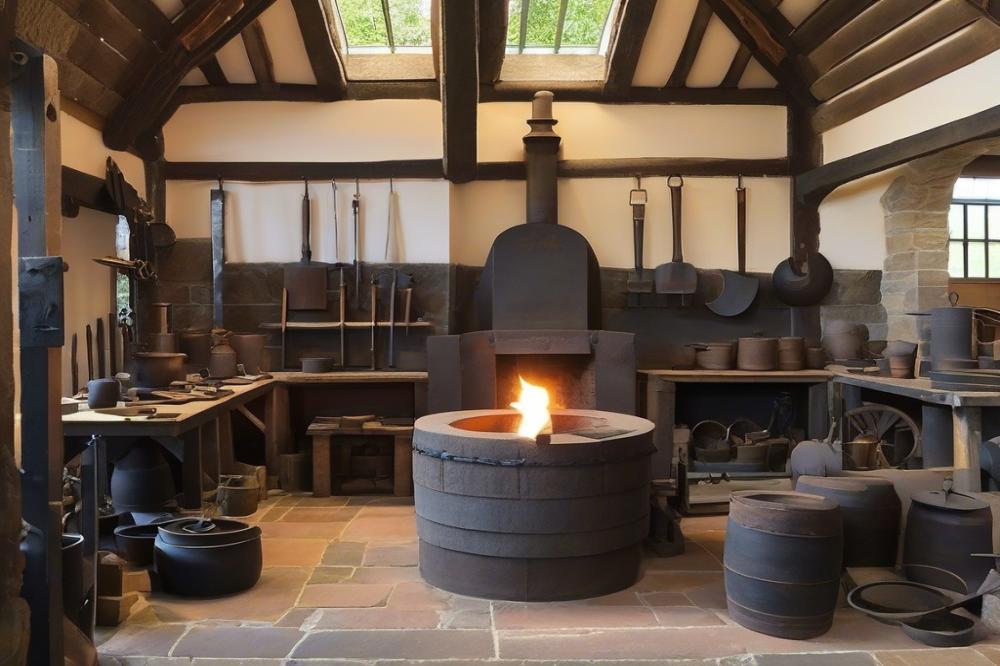
Every forge echoed with the sounds of hammer on anvil, revealing the labor involved in crafting each item. The process required not just strength but also a deep understanding of metallurgy. Through a careful melding of heat and pressure, unique creations were born.
In this context, blacksmiths became integral to the daily lives and survival of their communities. They were not merely craftsmen; they wielded power through their ability to shape iron, influencing both the mundane and the mythical. Each tool and weapon carried a story, intertwining with the very essence of Celtic identity.
Weaponry and Defense
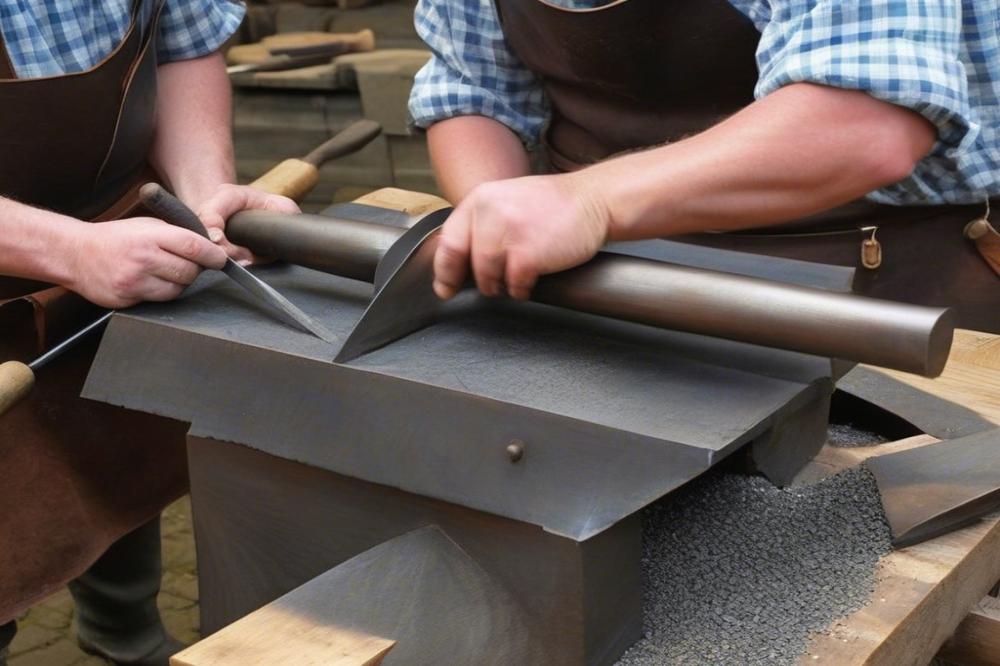
In Celtic societies, the artisan responsible for creating weapons and armor held a critical position. Metalwork was not only a skill but a necessity for survival during tumultuous times. These craftsmen produced an array of tools essential for both offense and defense. Innovative techniques allowed them to forge swords, spears, and shields that were key elements in the conflicts of the Iron Age.
Warfare demanded not just brute strength but also skillful strategy. The quality of weapons crafted by these artisans could determine the outcome of battles. Well-made gear provided troops with the confidence they needed to engage in combat. Protection during conflicts relied heavily on the ingenuity and expertise manifested in each piece of armor.
Trade networks flourished as a result of this demand. Artisans exchanged their high-quality products for other goods and resources, enhancing community interconnections. Relationships formed through this trade emphasized the cultural significance of weaponry in Celtic life. Each weapon often bore a hallmark of craftsmanship that echoed the identity of its maker.
These craftsmen were woven into the fabric of their communities. Their roles extended beyond mere producers. Mythology frequently celebrated these figures, portraying them as heroes or symbols of strength. The blacksmith’s forge often served as a gathering spot, enhancing their status and influence within the social hierarchy.
Functionality and design coexisted harmoniously in each item produced. Weapons had to be effective but also represented the warrior’s status. The artistry involved in creating intricate designs on shields or embellishing swords added layers of meaning. Each crafted piece served both a practical use and a representational purpose, linking community values with personal identity.
As the landscape of warfare evolved, so did the methods of production. New techniques, materials, and inspirations were incorporated over time. The narratives surrounding these artifacts highlight not only their practical use but also their importance in the broader context of Celtic heritage. In this light, the craft of weaponry becomes not just a trade, but a vital thread in the tapestry of Celtic society.
Trade and Economic Impact
Blacksmiths played an essential role in the trade networks of Celtic societies. They crafted vital metalwork that was in high demand, ranging from tools to intricate weaponry. The artisans’ work was foundational to everyday life, influencing both economic stability and community growth. As societies transitioned into the Iron Age, the need for skilled craftsmen grew exponentially. This period marked significant advancements in metallurgy, allowing communities to thrive through improved agricultural and military technologies.
The exchange of goods extended far beyond local transactions. Items crafted by these skilled artisans often circulated through extensive trade routes. Iron tools and weapons became sought-after commodities that traveled between tribes and settlements. Such exchanges facilitated not just economic transactions but also cultural interactions. Each crafted piece carried the distinct mark of its maker, contributing to a larger narrative through craftsmanship.
Community roles were inherently tied to the output of these skilled craftsmen. Beyond creating necessary implements, they helped establish local economies. The establishment of workshops attracted other traders and consumers, creating bustling hubs of activity. This dynamic contributed intricately to the cultural significance of blacksmithing in Celtic life. Mythology often surrounded these artisans, elevating their status beyond mere tradespeople. They became revered figures, representing strength and creativity.
Through their contributions, they influenced social structures, facilitating alliances and partnerships through the trade of crafted goods. Their involvement in local economies directly impacted the cultural fabric of the communities they served. Complex relationships flourished among different tribes as they exchanged not only items but also ideas and skills. Thus, crafting became intertwined with the very identity of the peoples during this era.
Cultural Significance
The status of blacksmiths in Celtic societies was multifaceted and deeply ingrained in the cultural fabric. These artisans were not merely craftsmen; they were revered figures. Their metalwork was essential not only for practical purposes but also held symbolic meanings that transcended everyday utility.
Craftsmanship in the Iron Age marked a turning point in technological advancement. The quality of tools and weaponry produced by these skilled individuals defined both individual lives and community strength. This connection to the tools of trade made their profession indispensable.
Blacksmiths often participated in rituals and festivals, enhancing their cultural significance. They were sometimes viewed as mediators between the physical and spiritual worlds. Numerous legends portray them as alchemists or figures of divine inspiration. Such roles elevated their standing within society, intertwining their daily tasks with the mystical aspects of life.
Various community celebrations featured blacksmiths prominently. During these events, the forging of metal was not just a demonstration of skill; it was a performance that showcased the power of transformation. Spectators marveled at the fiery spectacle, viewing it as a metaphor for change and resilience.
In addition to their practical contributions, blacksmiths were often involved in the storytelling tradition of their communities. Tales of their exploits, intertwined with local mythology, became part of the cultural discourse. This storytelling reinforced their importance, allowing them to occupy a unique space within both the practical and the mythical realms of Celtic life.
The relationship between a blacksmith and their community was reciprocal. While they supplied vital tools and weapons, communities offered respect and recognition. This dynamic underscored their essential roles, solidifying a bond that was cultivated through generations.
Overall, the significance of these artisans in Celtic culture cannot be overstated. Their work shaped the material culture of the time, while their roles in rituals and community life created a lasting legacy. The intersection of craftsmanship and cultural expression defined their place in society, a testament to the enduring influence of blacksmiths.
Artisans and Their Communities
In Celtic societies, the relationship between blacksmiths and their communities was crucial. As skilled artisans, they played a significant role in the daily lives of the people. Metalwork was essential during the Iron Age, marking advancements in both tools and weaponry. Communities relied on their craftsmanship for everything from agricultural implements to arms for warfare.
Interactions among various tradespeople often fostered a vibrant network of support and collaboration. For instance, a blacksmith might depend on a woodworker for the handles of his tools. In turn, the woodworker would seek expertly crafted metal components to enhance their products. Such relationships enriched the local economy and emphasized the interconnectedness of artisans.
Trade was another avenue through which blacksmiths contributed to their communities. Markets served as important gathering places where craftsmen could showcase their work. It was common for blacksmiths to trade not only their finished goods but also their expertise. This exchange of skills elevated the craftsmanship of other local artisans, enriching the overall quality of products available.
Cultural significance was inherent in the work performed by blacksmiths. Mythology often surrounded their craft, with tales of divine inspiration attributed to certain metalworks. In many cases, the forging process was accompanied by rituals that highlighted the importance of the craft in the eyes of the community. This deep connection between craft and culture underscored the belief that the blacksmith held a unique status within society.
Community roles varied greatly among artisans, but blacksmiths often assumed a central position. They were not merely laborers, but also guardians of knowledge and tradition. As their skills developed, they often became sought-after teachers, passing down techniques to the next generation. This mentorship helped preserve the art of metalwork and maintained its relevance in daily life.
Ultimately, the importance of blacksmiths transcended their immediate outputs. They became integral to both the social and economic structures of Celtic communities. This is reflected in how local populations revered such artisans, recognizing their contributions as vital for sustaining cultural identity and communal life.
Mythology and Folklore
In Celtic mythology, blacksmiths occupy a position of considerable significance. They are often portrayed as the custodians of hidden knowledge, wielding powers that transcend the ordinary. This perception arises from their exceptional skill in metalwork and craftsmanship, demonstrating the transformative potential of raw materials. Such artisans were not merely tradespeople; their craft was imbued with a sense of magic and mystique.
Stories from ancient texts reveal a frequent connection between smiths and supernatural beings. For instance, the god Goibniu is depicted as a divine smith who forged weapons for the Tuatha Dé Danann, the mythical race of gods and heroes. His ability to create invincible weaponry has led many to view blacksmiths as mediators between the material and spiritual realms.
Folklore often highlights the community roles these artisans played. Beyond crafting tools and weapons essential for survival during the Iron Age, they were viewed as wise figures, offering counsel and protection. Local legends suggest that blacksmiths possessed the ability to cast charms into the iron, thereby imbuing their creations with luck and strength.
Trade routes also contributed to the cultural significance of these figures. The exchange of skills and ideas across regions often led to the refinement of metalworking techniques. Elevated in status, blacksmiths became pivotal in local economies, yet their reputation was often steeped in the mythological narrative that surrounded them.
Additionally, tales of legendary smiths can be quite revealing. One such figure is the mythical Brigid, connected with fire and poetry, as well as smithing. This multifaceted nature illustrates just how intertwined their roles were with the cultural fabric of Celtic society. Every tale reflects their importance not just as craftsmen, but as guardians of tradition and knowledge.
Ultimately, the representation of metalwork in Celtic mythology speaks volumes about societal values. Each story reinforces the notion that these artisans were instrumental in both the practical and spiritual life of their communities. Their legacy, enshrined in myth, continues to resonate today, highlighting an enduring respect for their blend of skill and craft.
The Legacy of Celtic Metalworkers
Blacksmiths played multifaceted roles in Celtic societies. They were much more than artisans forging tools and weapons. Their ability to manipulate metalwork allowed for the creation of intricate items connected to daily life and ceremonial practices. Craftsmanship was deeply respected, and these artisans served as symbols of strength and creativity within their communities.
Notably, the blacksmith’s forge was a hub of activity. It was where merchants, warriors, and common folk converged, each with varying needs. This communal space nurtured a dynamic exchange of ideas and goods. Beyond producing essential items, these artisans also shaped the culture through their artistry. The decorative elements on their creations often reflected regional identities and beliefs.
Reflecting on their legacy, one can see that the influence of these metalworkers extends beyond the ancient world. Modern crafters draw inspiration from traditional techniques, blending them with contemporary practices. Workshops today promote a revival of ancient skills. In this way, the spirit of Celtic craftsmanship still resonates. Their work now serves as both art and functionality, reinforcing the connection to a rich historical lineage.
Ultimately, the role of blacksmiths within Celtic culture was foundational. Their contributions went beyond mere utility. They embedded themselves in the social fabric of their communities, influencing art, trade, and even mythology. As we explore their impact, it becomes clear that their legacy is woven into the very essence of Celtic identity, one that continues to inspire and enrich lives today.