
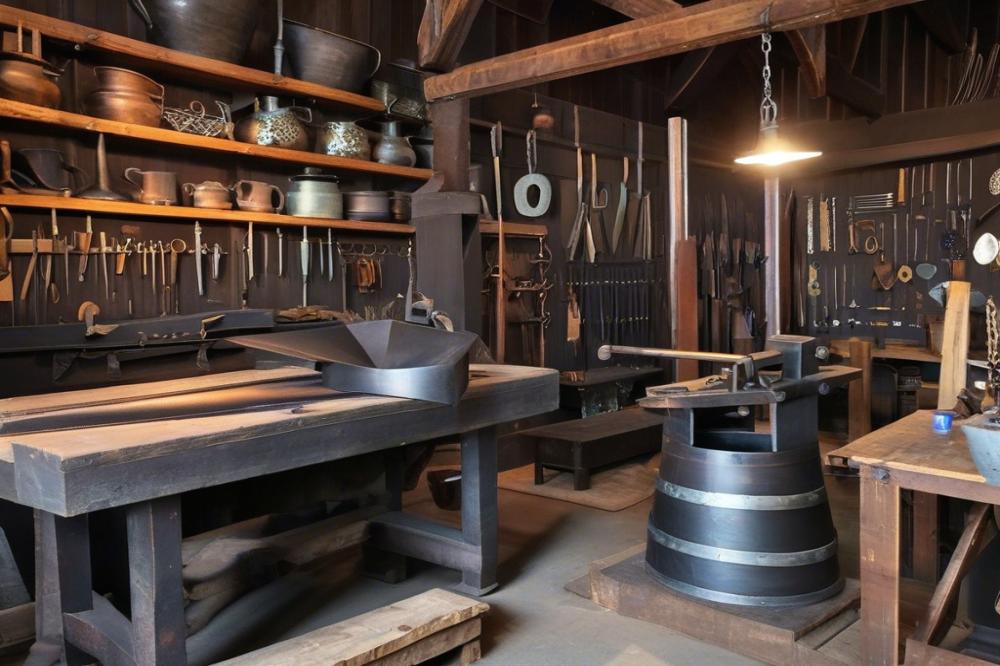
Jewelry Making: The Blacksmith’s Approach to Metal Art
Blacksmithing has long been a revered craft, embodying a blend of strength, precision, and creativity. This artistic trade involves transforming raw materials into striking pieces of art, often seen in exquisite jewelry. Fine metalworking encompasses not just the shaping of metal into form but also the heart and soul poured into each creation. The significance of this art lies in its ability to tell a story. Each piece reflects the values, emotions, and history of both the maker and the wearer.
Exploring the connection between blacksmithing and musical instrument making reveals much about craftsmanship. Both crafts require an exceptional level of skill and an understanding of materials. Blacksmiths share techniques similar to those used by instrument makers; both rely heavily on forging techniques and a developed sense of acoustics. The precision applied in creating an instrument is akin to that found in decorative work, where every detail matters deeply.
Craftsmanship acts as the foundation in these domains. Mastery in blacksmithing, much like in music, demands patience and dedication. Creating art from metal or music from instruments involves a journey of continuous improvement and learning. Artistic blacksmithing, with its rich traditions, highlights how techniques evolve over time. Modern blacksmithing introduces innovative methods that breathe new life into age-old practices, making the exploration of this craft ever more exciting.
Understanding Jewelry Blacksmithing
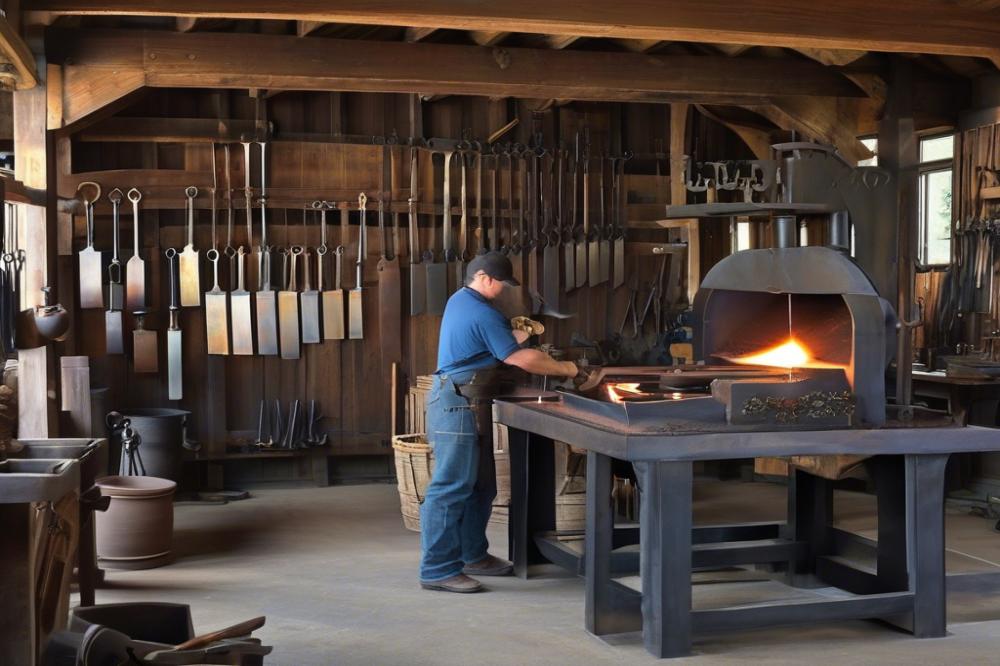
Jewelry blacksmithing combines the ancient art of metalwork with a modern twist. It is a form of fine metalworking that transforms raw materials into wearable art. The essence lies in melding practicality with creativity, giving birth to accessories that tell stories.
Traditional jewelry making often relies on techniques like casting or beading. These methods can create beautiful items, but they may lack the character that comes from forging techniques. By heating and hammering metal, blacksmiths create intricate designs that breathe life into each piece. The process is deeply tactile, allowing for a direct connection between the artist and the material.
Skills gained from blacksmithing are crucial for crafting distinctive jewelry. Precision is key during the forging process. This hands-on craft requires focus and control to shape and mold various metals. The result is not merely a decoration but a piece infused with craftsmanship and heart. Decorative work takes on a new depth when it is shaped through techniques that emphasize strength and durability.
Unlike more conventional methods, this approach encourages experimentation. Blacksmiths can manipulate metal in ways that others may not consider. For example, twisting, bending, and layering can yield surprising results. Such techniques promote a sense of exploration, which often leads to eye-catching and original pieces.
Each item produced symbolizes a journey, a story waiting to be shared. The combination of heat and hammer strikes creates an emotional connection to the piece. Passersby feel the passion embedded in every curve and edge. This deep-rooted connection is what separates jewelry blacksmithing from other techniques, making it a powerful form of personal expression.
Tools and Equipment
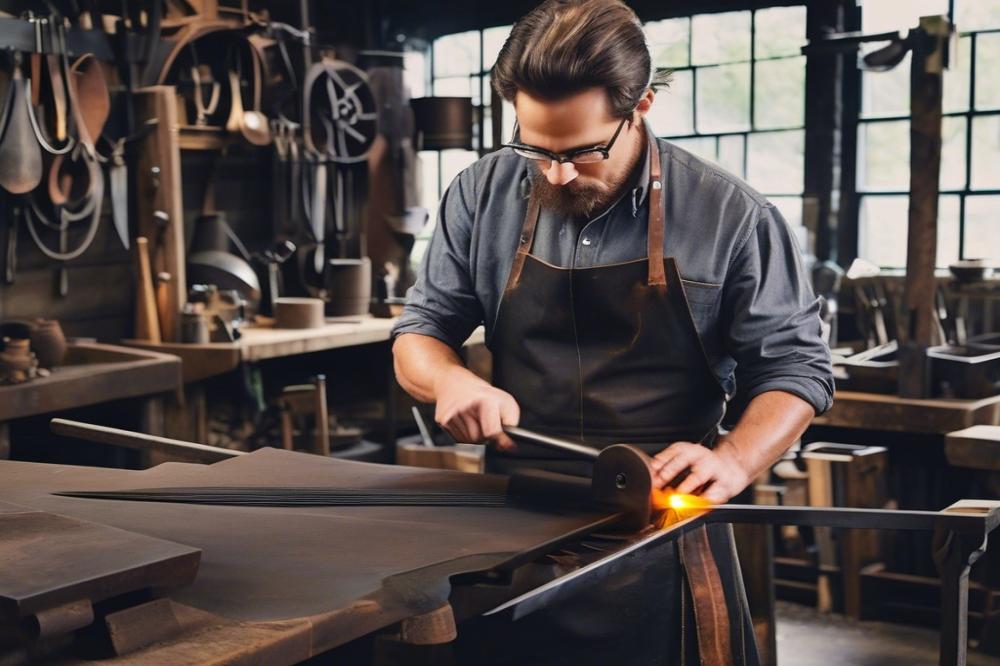
Essential tools for jewelry blacksmithing
A variety of tools is essential for anyone who wishes to create beautiful jewelry. Hammers dominate the workspace. A ball-peen hammer is perfect for shaping metal, while a chasing hammer is designed for detailed work. Tongs also play a critical role. They allow the artisan to hold the hot metal safely. Anvil surfaces provide the necessary foundation for forging techniques. Each tool has its purpose, and mastering them is key to success in this art form.
Differences between jewelry blacksmithing tools and typical jewelry making tools
Most jewelry-making tools are focused on precision and intricate details. Beading pliers and wire cutters are common in traditional jewelry crafting. In contrast, tools for blacksmithing emphasize strength and power. The hammer’s weight contributes to shaping and texturing metals, unlike delicate techniques like soldering found in conventional jewelry making. Equipment such as gas forge setups bring a new dimension to metal art. These devices heat metals to high temperatures, allowing for creative possibilities that standard tools cannot provide.
Importance of correct tool usage in fine metalworking
Correct tool usage cannot be overstated. Each item should be used according to its design to achieve the best results. Through proper handling, an artisan can develop blacksmithing skills that lead to stunning decorative work. For instance, using the wrong hammer can result in unwanted marks or an uneven surface. Along with technique, safety is paramount. Wearing protective gear while using heavy tools and hot materials protects the artist from harm. This awareness fosters an environment where creativity and safety thrive together.
Forging Techniques
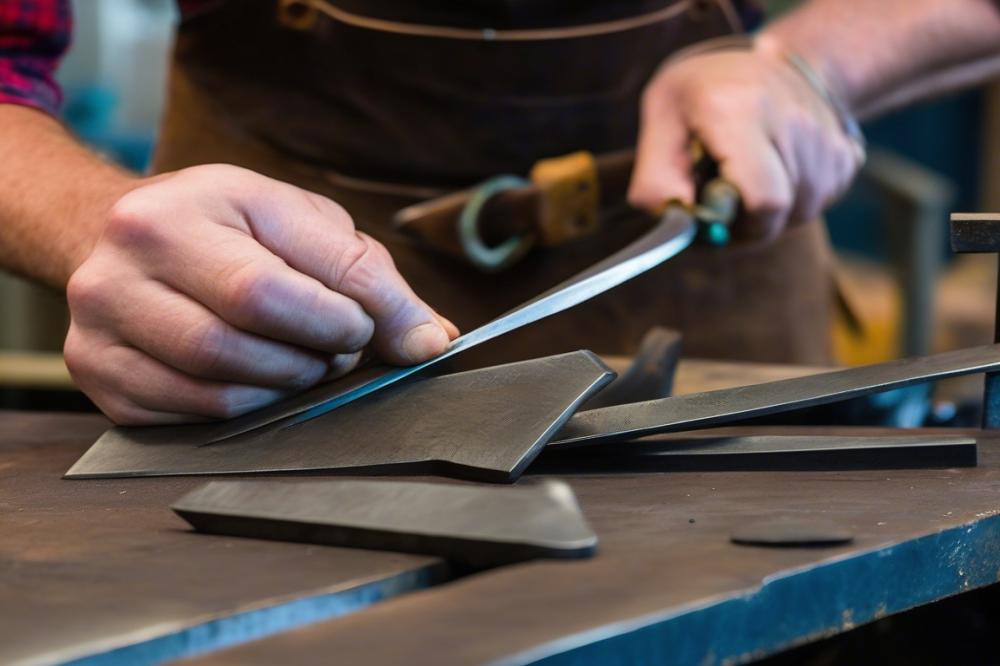
Jewelry making often draws inspiration from blacksmithing. Various forging techniques create stunning pieces of art. The process is both ancient and modern, intertwining craftsmanship with creativity. Techniques like hammering, bending, and twisting are fundamental to the craft.
Overview of Forging Techniques Used in Jewelry Making
Throughout history, artisans have sought ways to manipulate metal. Hammering forms the core of many forging techniques. By using a hammer, a jeweler can strike metal repeatedly into the desired shape. This method creates texture and depth, enhancing visual appeal. Bending involves carefully curving the material, allowing for graceful silhouettes. This technique adds fluidity, making pieces appear alive. Twisting introduces a dynamic element, transforming simple strands into ornate designs.
Detailed Description of Hammering, Bending, and Twisting Metals
When hammering, the jeweler chooses specific tools for different effects. A flat-faced hammer produces a smooth surface, while a cross-peen hammer creates grooves. This balance between tools allows the artist to shape metal with precision. Bending metals usually requires a gentle touch. Applying controlled pressure helps to avoid breakage. Using a wooden or steel form can guide the bending process, yielding consistent results. Twisting often involves layering wires or strips of metal. The jeweler grasps both ends and turns them in opposite directions. This techniques transforms flat materials into spirals and other intricate forms.
How Forging Techniques Enhance the Artistic Appeal of Jewelry
Jewelry blacksmithing embraces artistry at every turn. Each forging technique contributes to a piece’s character. Hammered surfaces catch light beautifully, giving life to other elements. Bends can evoke movement, suggesting a dance in a static object. Twisted designs draw the eye, allowing light to play in unexpected ways. This creates a visual dialogue with the viewer. Fine metalworking techniques expand creative possibilities, making every item distinctive. Each method not only serves a functional purpose; it also resonates with emotion. The touch of a hammer, the curve of a bend, and the twist of wire all reflect the jeweler’s intention. Such elements deepen the connection between the artist and the audience.
Designing Jewelry
The art of jewelry making lies in the delicate balance between aesthetics and utility. Every piece tells a story, conveying emotions and meanings through intricate designs. The blacksmith’s approach incorporates fine metalworking techniques. Each decision, from shape to texture, plays a crucial role in crafting the final product.
The Interplay of Art and Function in Jewelry Blacksmithing
Jewelry must not only be beautiful but also practical. This duality creates a unique challenge. Designers often consider how a piece will be worn during the initial stages of creation. Functionality should not compromise creativity. Instead, they should harmonize to form something truly exceptional.
Approaches to Designing Decorative Work
Various methods exist for creating decorative pieces. Some artists opt for bold geometric patterns, while others embrace organic shapes inspired by nature. Textures also add depth, inviting closer inspection. A hammer’s strike can create mesmerizing surfaces, enriching the viewer’s experience. Experimentation becomes integral, and each attempt offers a new direction.
Incorporating Musical Instrument Elements in Jewelry Designs
Music has a rich history intertwined with art. Many jewelers draw inspiration from instruments. The curves of a violin or the strings of a guitar can influence design choices. Cuffs may mimic the shape of a notes head, while pendants echo the elegance of a flute’s body. Such details provide a connection, merging two forms of creativity into wearable art.
Incorporating these elements does not happen by chance. Thoughtful consideration ensures that every piece resonates with its audience. The emotional depth of music lends itself beautifully to jewelry design. Forging techniques evolve to reflect these themes, allowing the artist to push boundaries.
Each piece stands as a testament to craftsmanship. Knowledge of blacksmithing skills aids in shaping not only metal but also ideas. An artist’s vision is translated into tangible forms, creating a dialogue between wearer and designer. This conversation motivates continued exploration and innovation.
Crafting Process
Creating jewelry through the blacksmith’s approach is an art that starts with careful planning. Gather materials like metal rods, tools, and safety equipment. Choose your design. Whether it’s a ring or a pendant, visualizing the finished piece is essential.
Next, heat management plays a crucial role in metalworking. Properly heating the metal allows for easier shaping. The forge should be at a temperature that helps the metal become malleable. If it’s too hot, you can lose control. If it’s too cool, the metal won’t change shape effectively. Balancing this temperature is key to success.
Once you reach that ideal heat, apply forging techniques to shape your creation. Use a hammer to strike the metal, striking with rhythm and purpose. Repeat this process as needed, gradually forming the jewelry piece. Each strike should be intentional, transforming raw material into a work of art.
After forming comes the treatment of the metal. Cooling processes significantly affect the final properties of the piece. You may quench the hot metal in water to harden it. Alternatively, gentle heating followed by air cooling can soften it again. This process allows for both strength and flexibility in the final product.
Finishing Processes
Finishing processes breathe life into the creation. Start by cleaning the surface, removing any oxidation. Smoothing edges and surfaces requires patience. Use files or abrasives, taking care not to alter the piece significantly. Each touch reveals more beauty and craftsmanship.
Decorative work often follows the basic shaping. Engraving or adding embellishments can elevate a simple piece into a stunning accessory. Various techniques may be employed here, from stamping to light etching. These details showcase your blacksmithing skills and enhance the overall aesthetic.
Finally, consider the polishing stage. This step is vital for achieving a brilliant finish. Use polishing compounds to bring out the shine. A well-polished piece reflects light gracefully, highlighting its curves and details. The end result should be a blend of function and artistry, ready to adorn someone’s neck, wrist, or finger.
Incorporating Materials
Exploring various metals in jewelry blacksmithing opens up a world of creativity. Different metals each offer their own character and style. Silver, with its bright shine, often attracts attention. Gold glows with warmth, bringing a sense of luxury. Copper, on the other hand, adds an earthy tone, perfect for rustic designs. These materials inspire endless possibilities in fine metalworking.
Combining differing elements can elevate any piece to a new level. Incorporating gemstones, wood, or even glass can create stunning contrasts. These additions bring texture and depth, enhancing the overall piece. Mixing metals can lead to surprising color palettes. Blacksmithing skills, when applied thoughtfully, allow for intricate decorative work that stands out.
Sourcing high-quality metal is crucial for any serious maker. Local suppliers often carry a variety of options. Online shops can provide unique finds not available nearby. It is important to research the origin of the materials. Ensuring the metals are ethically sourced adds integrity to the work. Choosing premium metals contributes to durability and enhances the finished product.
When selecting materials, consider both aesthetics and functionality. Different types of metals behave in diverse ways when heated and shaped. Understanding these characteristics can improve your forging techniques. Knowledge about metallurgy can inform your choices, leading to better outcomes. Focusing on the quality will reflect in each piece you create.
Maintenance and Care
Best practices for maintaining blacksmith-style jewelry
Caring for blacksmith-style jewelry requires attention and routine. First, clean your pieces regularly using a soft, dry cloth. This helps to remove oils and dirt that may accumulate from daily wear. Store items separately to prevent scratching. Consider using a jewelry box with soft fabric lining for added protection. When engaged in physical activities, it’s wise to remove any jewelry to avoid unintentional damage. This simple practice extends the life of your treasured pieces.
How proper care enhances longevity and appearance
Maintenance plays a crucial role in preserving both the beauty and durability of your jewelry. Fine metalworking often blends different elements, which can benefit from occasional polishing. A gentle rub with a suitable metal polish can restore shine. Over time, some items may develop a patina. Many wearers appreciate this natural aging as it enhances character. Others may prefer a polished look. Understanding what you prefer allows you to adjust your care practices accordingly.
Caring for items that blend music and jewelry
Some jewelry may combine musical elements, like sound-inspired designs or instruments. Ensuring their integrity is key. Regular checks for loose elements or wear will prevent potential issues. When cleaning, avoid exposing musical components to harsh chemicals. Instead, focus on gentle methods. Moisture can also affect sound quality, so keep these pieces dry. Embracing the distinctive nature of these creations adds joy to their upkeep. Always remember, these items not only hold aesthetic value but also evoke memories and stories.
The Future of Jewelry Blacksmithing
Emerging trends in jewelry blacksmithing highlight the blending of ancient skills with modern designs. Artists are experimenting with new materials. Innovations in fine metalworking provide fresh possibilities. The use of eco-friendly metals is gaining attention. Many blacksmiths are turning to sustainable sources, eager to create responsible art.
Technology plays an essential part in this transformation. 3D printing, for example, allows for intricate designs that were once impossible. By combining traditional forging techniques with digital tools, crafters can streamline their creative process. Still, the essence of handcrafting remains. Blacksmithing skills are fundamental to the artistry, ensuring each piece retains a human touch.
Collaboration opens up even more avenues for inspiration. Jewelry makers often partner with musicians to fuse styles. This partnership creates wearable art that embodies rhythm and sound. Instruments can spark new design ideas. Factors such as movement and sound become central in decorative work. Such interactions invite audiences to appreciate jewelry in a fresh way.
In many workshops, the focus is shifting. New artisans are pushing boundaries, blending cultural influences into their pieces. The future promises an exciting evolution in aesthetics. Traditional elements coexist with modern approaches, enriching the narrative of each creation.
Artisans are constantly sharing techniques. Workshops and online platforms facilitate the exchange of ideas. This community spirit encourages growth and experimentation. As artists push themselves, they contribute to an ever-evolving field. Inspiration can strike from anywhere, leading to delightful surprises in gemstone pairing or metal finishes.
A Journey Through Metal and Art
Craftsmanship shines in the world of jewelry making, especially when it merges with the techniques of blacksmithing. The skilled hands of a blacksmith bring out the beauty in metal, transforming simple materials into wearable art. Each piece tells a story, showcasing the artisan’s skill and creativity. There is a sense of rhythm and flow inherent in this process, much like a song played by a skilled musician. The clang of a hammer striking anvil echoes not just in the workshop, but in the hearts of those who appreciate true artistry.
Consider exploring this fascinating art form yourself. With each strike of the hammer and shaping of metal, you can discover your own abilities and resilience. The fulfillment gained from crafting something with your own hands is unmatched. Tool making is not simply about creating items; it is about expressing oneself through your labor and insight. Why not pick up a hammer and see what unique designs emerge from your imagination?
Final thoughts reveal a profound connection between blacksmithing and creativity. Just as music resonates with emotions, so too does metal work capture feelings and experiences. In both disciplines, the creative spirit transforms raw materials into something that speaks to the soul. If one can appreciate the artistry in music, it’s easy to see the parallel in Professional blacksmithing. Once you unlock this art form, the possibilities are endless.

