history-of-blacksmithing-in-ancient-egypt”>Blacksmithing Through the Ages in China
history-of-blacksmithing-in-ancient-egypt”>Blacksmithing has played an essential role in shaping not only the tools and weapons of ancient China but also its cultural landscape. This craft, rooted in metallurgy, has evolved significantly through various dynasties. Artisans developed specialized skills that allowed them to manipulate metal into functional and ornamental objects. Blacksmiths produced everything from agricultural tools to intricate jewelry, showcasing extraordinary craftsmanship.
The importance of blacksmithing extends beyond mere utility. It has woven itself into the fabric of Chinese culture, influencing music, folklore, and traditional ceremonies. Instruments crafted from metal, such as gongs and bells, serve as prime examples of this connection. These musical tools often carry historical significance, reflecting the artistry of blacksmiths who created them.
Historical development in China saw blacksmithing evolve through ancient techniques. The mastery of ironworking paved the way for advancements in weaponry and construction. Artifacts from past dynasties reveal how blacksmiths adapted their methods to meet the changing demands of society. Innovations in tool-making not only reflect technological progress, but they also speak to the craftsmanship that defined various periods.
This article will explore the rich tapestry of blacksmithing’s past, examining its contributions to society and the deep roots it has in Chinese culture. Through understanding its evolution, we can appreciate the historical significance and artistry behind the craft.
Blacksmithing

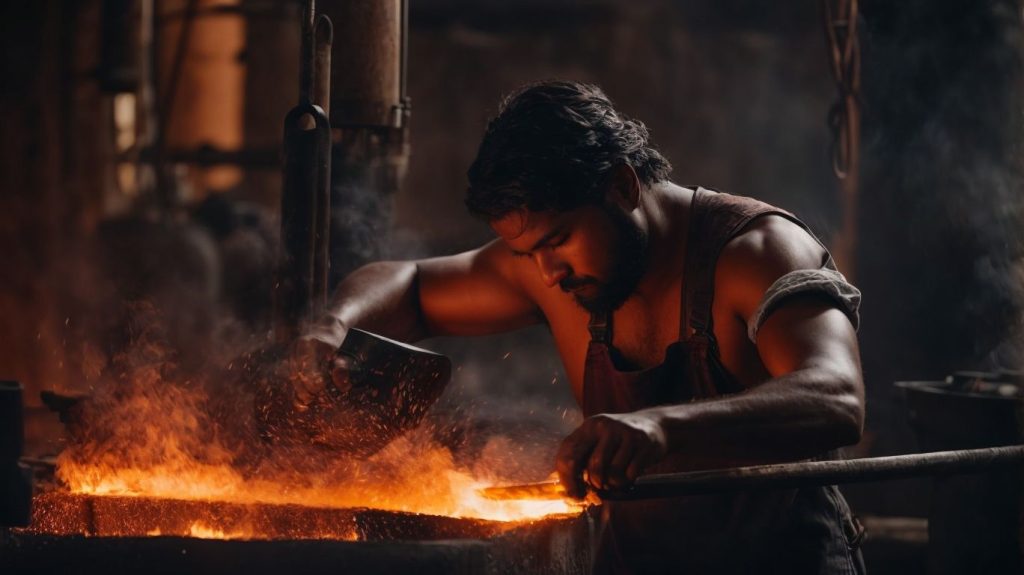
To understand blacksmithing is to appreciate a blend of art and science. It encompasses the craft of shaping metal through heat and hammering. This age-old trade has played a significant role in the development of metallurgy and ironworking. Skilled artisans use fire and force to convert raw materials into functional and decorative objects.
Role in Metallurgy and Ironworking
In the realm of metallurgy, the blacksmith serves as a key figure. Techniques developed over centuries have contributed to advancements in metalworking. Iron and its alloys became essential for various applications. Through heat treatment and forging, blacksmiths manipulate metal properties to enhance strength and durability. Traditional methods, still prevalent today, preserve the knowledge passed down through generations. Their work not only shaped tools but also their understanding of metal’s potential.
Significance in Developing Tools and Weapons
The significance of this craft extends far beyond mere function. Tools produced by these craftsmen facilitated agriculture, construction, and trade. Weapons forged during tumultuous times reflect both utility and artistry. Historical artifacts reveal insights into the technological prowess of ancient cultures. Each piece crafted tells a story of function and purpose, intertwining with the very fabric of society. As such, blacksmithing became a cornerstone of civilization, shaping both daily life and the course of history.
Cultural significance also emerges from the traditions surrounding this craft. Festivals and rituals often honor the blacksmith’s role in communities. Whether creating a simple plow share or a complex sword, the craftsmanship involved showcases human ingenuity. Furthermore, the aesthetic appeal of metalwork offers a glimpse into the values and beliefs of different eras. Every object, from tools to weapons, carries the weight of its maker’s intent and skill. This rich history is woven into the very essence of human achievement.
History

The history of blacksmithing in China spans thousands of years, marked by advancements in metallurgy and craftsmanship. Emerging during the ancient period, these practices began with the forging of bronze. Early blacksmiths utilized simple tools and ancient techniques to create functional items and weapons. Varied methods evolved through the ages, with ironworking becoming increasingly dominant.
Chronological Development
From around 2000 BCE, the Shang dynasty saw the rise of bronze production. It laid the groundwork for subsequent advancements. The Zhou dynasty followed, introducing iron-smelting techniques that greatly enhanced efficiency and output. By the Han dynasty, improved tools and methods allowed blacksmiths to produce more durable agricultural equipment and weaponry.
As dynasties changed, so too did the practices of craftspersons. The medieval era saw further innovation. Innovations reached their peak during the Tang and Song dynasties, where urban centers flourished, and trade expanded. Demand for weapons and everyday tools drove blacksmiths to refine their methods, creating historical artifacts that resonate through Chinese culture.
Key Periods: Ancient, Medieval, and Modern
In ancient times, the significance of blacksmithing transcended mere practicality. Items created often held cultural significance, reflecting the society’s values and technological prowess. During the medieval era, social changes spurred blacksmiths to adapt traditional methods. They incorporated new techniques, leading to more specialized craftsmanship.
Modern blacksmithing has shifted dramatically due to industrialization. Traditional practices face challenges today, yet many artisans prioritize preserving age-old techniques. Young blacksmiths often learn from seasoned craftsmen to grasp the subtleties involved in shaping metal. Consequently, a blend of the old and new forms the backbone of contemporary blacksmithing in China.
Impact of Dynasties
Each dynasty left its mark on the practices of blacksmiths. The Qin dynasty, for instance, standardized measurements and production processes, enhancing efficiency. In contrast, dynasties such as the Ming and Qing combined artistry with functionality, producing beautiful and practical works. The creation of weapons during these periods reflected not just technical skill, but also the power dynamics of the time.
Throughout Chinese history, blacksmithing has served as a mirror, reflecting societal changes and technological advancements. Observing the evolution of tools and techniques reveals broader historical narratives. Antiques crafted by blacksmiths often symbolize more than just objects; they represent the enduring legacy of a tradition that shaped civilizations.
Metallurgy
Advancements in metallurgy techniques significantly shaped ancient China. Early periods witnessed the emergence of innovative methods for extracting and manipulating metals. Over time, artisans refined their craftsmanship and developed complex tools. This evolution influenced various industries, particularly the creation of weapons and agricultural implements.
Initially, bronze dominated metallurgical practices. The Shang Dynasty saw the widespread use of this alloy, which combined copper and tin. Skilled blacksmiths crafted intricate ceremonial items, highlighting the cultural significance of metallurgy. Historical artifacts from this period reveal the sophistication of metalworking skills.
Transitioning from bronze to iron marked a notable shift in Chinese metallurgy. Ironworking technologies began to flourish during the late Eastern Zhou Dynasty. Iron’s abundance allowed for more accessible production of tools and weapons. Unlike previous practices, this transition initiated changes in warfare and farming techniques.
Different metals and alloys played crucial roles throughout Chinese history. Artisans experimented with various combinations to enhance durability and effectiveness. The shift to using iron brought about lower costs and greater availability of weaponry. Militaries equipped with iron tools gained strategic advantages over their adversaries.
Traditional methods persisted amidst these transitions. Blacksmiths maintained ancient techniques while integrating new insights into their work. As societies evolved, their needs prompted changes in metallurgical practices. This organic growth of metallurgy reflects not only technological advancement but also shifting cultural nuances.
In summary, China’s metallurgy history embodies a journey of innovation and adaptation. Each era contributed unique approaches that laid the foundation for future developments. The interplay between tools, techniques, and societal demands created a rich tapestry of metalworking heritage.
Craftsmanship
Skill and artistry define the essence of blacksmithing in China, spanning thousands of years. Mastery of tools and techniques distinguishes expert craftsmen from novices. The creation of weapons, agricultural implements, and everyday objects showcases incredible ingenuity. Knowledge of metallurgy allows artisans to manipulate various metals, transforming them into functional and beautiful pieces.
Traditional craftsmanship methods and their evolution
Traditionally, blacksmiths relied on ancient techniques passed down through generations. Hand-forging, a primary method, involved heating iron and shaping it with hammers on an anvil. Over time, this practice evolved with the introduction of more advanced tools and machinery, yet many artisans still adhere to practices that echo their predecessors. The balance between maintaining tradition and embracing innovation is crucial in this craft.
Role of blacksmiths in local communities
Blacksmiths historically played an integral role in their communities. Their craftsmanship provided essential tools for farming and construction, shaping local economies. Beyond the practical, artisans often served as custodians of cultural significance, embedding symbolism into their work. As communities developed, the demand for specialized items increased, and blacksmiths adapted to produce historical artifacts that reflected local heritage.
This blend of utility and artistry has cemented the blacksmith’s position in society. Today, many still practice traditional methods while also exploring modern designs. Many communities now celebrate the legacy of blacksmithing with festivals and workshops, ensuring the art form remains vibrant. Through their craft, blacksmiths connect the past with the present, preserving a vital piece of cultural history.
Tools
Overview of tools used by blacksmiths throughout history
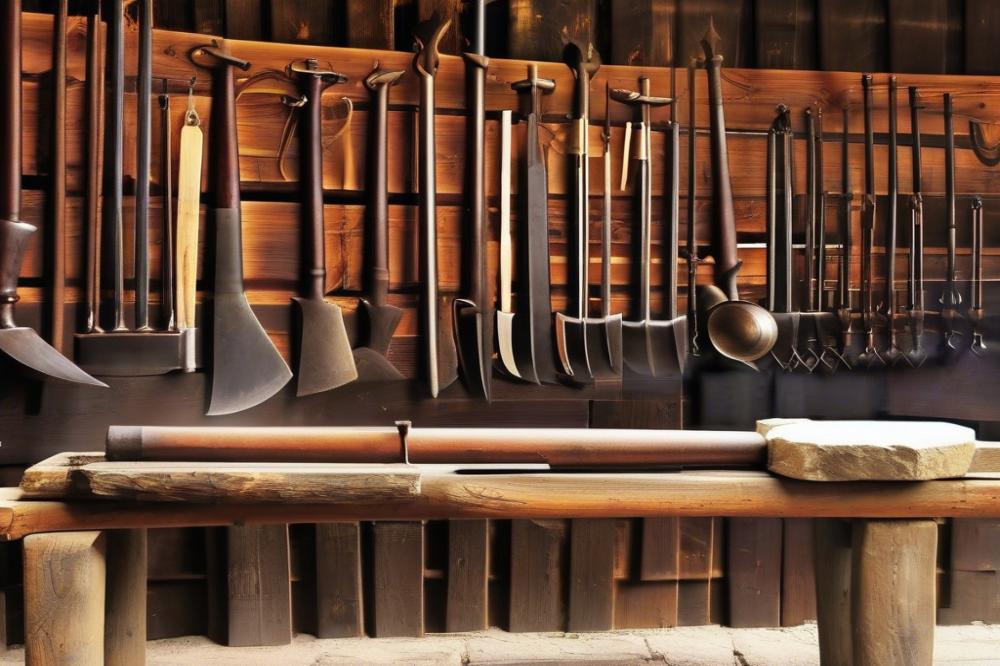
Throughout the centuries, blacksmiths in China employed a variety of tools tailored to their craft. Hammers and anvils form the backbone of ironworking equipment. These primary implements allowed artisans to shape metal effectively. Tongs, essential for gripping hot materials, became indispensable as well. The forge, where heat is applied to ores, played a significant role in shaping and manipulating iron. Traditional methods in ancient techniques involved intricate hand tools such as chisels and punches, which enabled detailed work on weapons and household items alike. The expertise showcased in their craftsmanship often reflected the skills passed down through generations.
Evolution of blacksmithing tools
The evolution of these tools mirrors advancements in metallurgy and the growing complexity of societal needs. Over time, blacksmithing tools underwent significant transformations. For example, the transition from simple iron hammers to more sophisticated types facilitated finer metalwork. Various regions of China developed specialized anvils designed for unique tasks, enhancing efficiency. Increased demand for various products pushed craftspeople to innovate further and adopt new methods. By the late imperial period, advancements in toolmaking were evident. Blacksmiths began using more refined techniques, integrating modern materials to improve their equipment. Today, remnants of historical artifacts reveal much about the tools and processes used in ancient times.
Specialized tools for musical instrument crafting
Musical instrument making presents an intriguing aspect of blacksmithing in China. Unique tools came into play, reflecting the cultural significance of sound. The crafting of traditional instruments, such as guqin and erhu, required precision and skill. Specialized hammers designed for delicate shaping of metals accentuated the instruments’ tonal qualities. Small anvils adapted for fine work allowed artisans to focus on intricate details. Various chisels served to carve and create ornamentation specific to musical pieces. As instruments evolved, so did the demands for new tooling methods, demonstrating the deep relationship between craftsmanship and culture. Each tool encapsulated not just utility but also the artistry imbued within the musical heritage of the nation.
Ancient Techniques
Traditional blacksmithing techniques played a pivotal role in ancient China. Craftsmanship flourished as artisans mastered various methods of forging and shaping metal. By utilizing heat and mechanical force, blacksmiths transformed raw materials into essential tools and weapons. This hands-on process reflected a deep understanding of metallurgy, intricately linked with the culture of the time. Skills were passed down through generations, reinforcing the community’s connection to metalworking.
Methods of Forging and Shaping Metal
Unique techniques emerged in the production of iron and steel. Blacksmiths used charcoal for fuel, which created high temperatures for effective ironworking. Techniques like quenching and tempering were common practice, ensuring strength and durability in the resulting metal artifacts. Each piece crafted had its own story, molded by the desires and needs of those who commissioned them. Tools like hammers, anvils, and tongs allowed for precise manipulation, showcasing the artisan’s expertise.
Comparison with Contemporary Practices
In contrast to ancient methods, modern blacksmithing employs advanced technology. Electric forges and hydraulic presses replace traditional equipment. Despite these innovations, some artisans still honor historical techniques, recognizing their cultural significance. Skills honed in the past endure, as contemporary craftsmen strive for authenticity in their work. Historical artifacts often serve as inspiration, bridging the gap between past and present. Understanding history enhances appreciation for the craftsmanship involved, highlighting a continuum in the evolution of blacksmithing.
Cultural Significance
Blacksmithing serves as a cultural cornerstone in China, deeply intertwined with its historical narrative. The craft reflects a rich tradition of metallurgy, showcasing the skills passed down through generations. This trade is not merely about creating tools or weapons; it embodies the spirit of craftsmanship that has shaped China’s development.
In Chinese folklore and mythology, the blacksmith often represents transformation and resilience. The forge symbolizes the heart of creation, where base materials are refined into objects of strength and beauty. Legends abound describing the powerful figures of blacksmiths, who wielded magical abilities to mold iron into life-enhancing tools. These tales emphasize not only the practical skills involved but also elevate the craft to a form of artistry.
Connection to Music
In addition to its practical applications, blacksmithing finds a remarkable connection to the world of music. Traditional methods of instrument making often relied on skills honed in the forge. Experts crafted various musical instruments, from gongs to flutes, out of metals, which resonate beautifully when played. These creations highlight how ironworking contributes to the cultural fabric of society, paralleling the roles of artisans in musical traditions.
Historical artifacts from ancient dynasties reveal the dual significance of ironworking. Weapons forged by skilled blacksmiths were not only vital for defense but also involved ritualistic importance. This intertwining of military prowess and artistic expression illustrates the profound societal impact over centuries. Instruments of war and music share an essential quality; both require precision and an understanding of materials.
Ultimately, the legacy of blacksmithing in China honors a blend of functionality and artistry. It stands as a testament to the inventiveness of early practitioners who pushed the boundaries of ancient techniques. As this craft continues to evolve, it remains a vital part of China’s cultural heritage.
Weapons
The role of blacksmithing in weapon production has been profound throughout Chinese history. Craftsmanship in metallurgy enabled the creation of various tools vital for defense and warfare. Early blacksmiths developed ancient techniques that laid the foundation for future advancements. As societies evolved, so did the complexity and sophistication of their weapons.
Historical Significance of Weapons in Chinese History
Weapons have served as more than mere tools of war; they symbolize power and authority. The significance of military strength in maintaining dynastic rule cannot be overstated. Weaponry reflected the culture, values, and technological progress of each era. From the bronze swords of the Shang Dynasty to the steel blades of the Ming, each advancement marked a new chapter in history.
Artifacts and Relics from Different Eras
Numerous historical artifacts highlight the skills of ancient blacksmiths. Excavations have unearthed remarkable examples of weaponry, such as crossbows and halberds. These relics tell stories of battle strategies and the importance of ironworking in ancient China. Museums worldwide showcase these findings, providing insight into the craftsmanship and metallurgy of bygone eras.
In examining the evolution of weapons, one can trace the technological advancements that occurred over centuries. Traditional methods gradually gave way to innovations that enhanced durability and effectiveness. The transition from bronze to iron marked a pivotal moment in weapon production, influencing both military tactics and regional dominance. As such, artifacts from various periods underscore the changing dynamics of warfare and society.
Historical Artifacts
Throughout Chinese history, blacksmithing has yielded a plethora of artifacts reflecting the ingenuity of ancient metallurgy. These items range from intricate weapons to everyday tools that highlight not only the craftsmanship but also the technological advancements of their respective eras. For example, weapons such as swords and spears are prominent artifacts, revealing both their functional and artistic values. The craftsmanship embedded in these objects provides a glimpse into the skills and techniques honed over generations.
Importance of Historical Artifacts in Understanding Cultural History
Artifacts serve as vital links to understanding cultural significance throughout China’s extensive history. Each piece offers insight into the social structures, traditions, and daily lives of various dynasties. For instance, certain tools crafted for farming indicate agricultural practices and innovations during their time. Moreover, the evolution of ironworking techniques can be traced through these artifacts, illustrating shifts in technology and trade. The presence of symbolic designs on weapons may further reflect the philosophical or religious beliefs prevalent at the time of their creation.
Preservation and Exhibition of Blacksmithing Artifacts
The preservation of these historical artifacts poses both challenges and opportunities. Museums and heritage sites work diligently to maintain their condition, which is crucial for educational purposes. Conservation efforts involve meticulous tactics to prevent deterioration, ensuring that future generations can study and appreciate these items. Exhibitions often include guided tours that focus on the traditional methods of blacksmithing, allowing visitors to engage with the history behind each artifact. Through careful curation, institutions highlight the significance of these pieces within the broader narrative of Chinese cultural heritage.
Traditional Methods
Current Status of Traditional Blacksmithing Methods
Traditional methods of blacksmithing in China exhibit a rugged charm. Skilled artisans employ ancient techniques that have survived through generations. The craft relies heavily on time-honored tools, including hand-forged hammers and anvils. In rural areas, these practices remain vital. Craftsmen are dedicated to their trade, creating everything from intricate jewelry to functional tools. Yet, fewer individuals are entering the field compared to previous decades. Consequently, the number of practicing blacksmiths continues to dwindle. This decline poses threats to the rich history and cultural significance associated with ironworking in China.
Efforts to Preserve and Promote These Techniques
Various organizations and local governments make concerted efforts to promote traditional craftsmanship. Workshops and apprenticeships offer opportunities for young people to engage with this ancient art. Schools have begun to incorporate blacksmithing into their curriculum, recognizing its role in China’s heritage. Festivals celebrating metallurgy often include demonstrations of ancient techniques, drawing both locals and tourists. Historical artifacts often attract attention, furthering interest in traditional craftsmanship. Documentaries and social media campaigns champion these artisans, sharing their stories with a wider audience. Engagement with the past helps foster appreciation for these age-old skills.
Impact of Modernization on the Craft
Modernization has profoundly impacted blacksmithing. The rise of mass production has outpaced traditional practices, making handmade items seem less accessible. Craftsmanship is often overshadowed by the convenience of industrial manufacturing. In urban centers, many blacksmiths have transitioned to modern methods or abandoned the trade altogether. Challenges abound as younger generations gravitate toward technology and alternative careers. However, some artisans adapt by integrating contemporary design into their work. This blending allows for the continued relevance of age-old techniques. Despite the challenges posed by modernization, the essence of traditional blacksmithing remains resilient, adapting to an ever-changing world.
Final Reflections on Blacksmithing’s Legacy and Future
The journey of metallurgy in China reveals a rich tapestry woven through centuries. From ancient tools to intricate weaponry, the trade has evolved significantly. Each era brought innovation and artistry, reflecting the changing needs of society.
Transitioning from the practical to the artistic, blacksmithing has played a crucial role in shaping culture. The craftsmanship involved in forging has not only provided functional items but also contributed to the cultural heritage of the region. Artistic blades and ornate decorations showcase the skill and creativity of artisans. Such works have elevated the status of this profession, making it a valued aspect of Chinese identity.
Looking ahead, one can see potential for growth in the field of musical instrument making. The revival of traditional instruments, combined with modern techniques, opens doors for experimentation. Blacksmiths are uniquely positioned to contribute to this area, blending old-world craftsmanship with contemporary design. Instruments like gongs and bells already benefit from this delicate balance of tradition and innovation.
Certainly, blacksmithing is more than just a past skill; it’s an ongoing narrative woven into China’s history. It has adapted over centuries, showcasing resilience in a rapidly changing world. As artisans continue to merge these age-old methods with modern trends, their work will undoubtedly resonate beyond mere functionality. A world that recognizes and appreciates the significance of these practices encourages future generations to embrace and cherish this ancient trade.