The Legacy of Blacksmithing in Russia
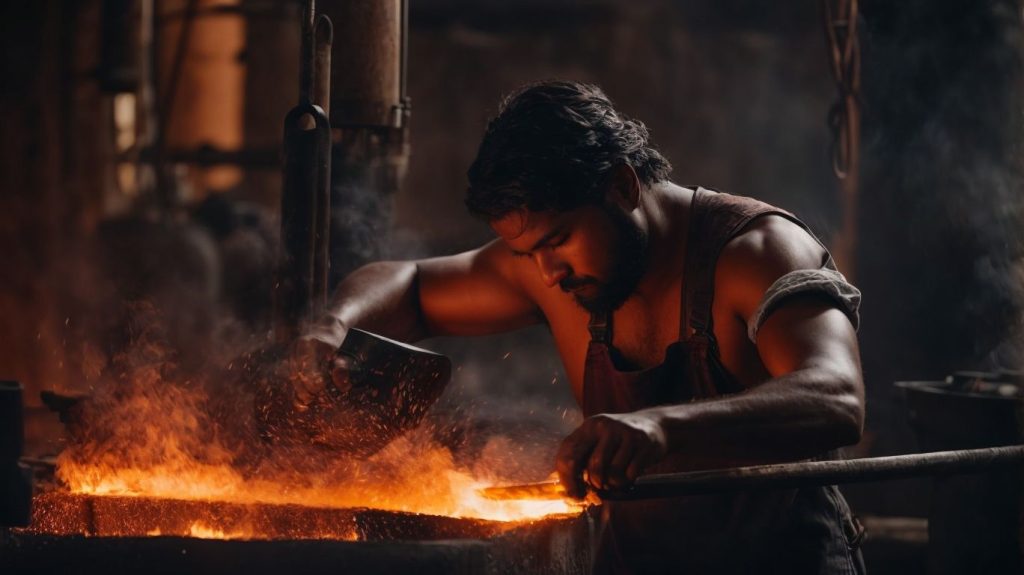
Blacksmithing stands as a pillar of Russia‘s rich tapestry of traditional crafts. This time-honored practice encompasses more than just the shaping of metal; it encompasses a profound connection to the nation’s history. Artisans dedicated to this craft have played a pivotal role in the development of metalworking techniques, forging tools that not only served practical purposes but also bore artistic significance.
The unique relationship between blacksmiths and their surroundings can be observed through the lens of cultural heritage. Folklore often intertwines with the stories of these metalworkers, embedding their stories within the fabric of local traditions. Community rituals sometimes recognized the skills of these craftsmen, celebrating their artistry and contributions to society.
Throughout the centuries, the craft has evolved, adapting to the needs of the time while remaining rooted in age-old practices. From intricate ironwork used in architectural designs to simple tools essential for daily life, the outputs of these skilled artisans reveal a depth of craftsmanship that extends beyond mere functionality. Historical evidence suggests that blacksmiths were essential figures, not only for their utility but also for their leadership in community affairs.
The significance of this craft in the context of Russian identity cannot be overstated. Each piece created tells a story, reflecting local customs and artistic styles. As generations of craftsmen pass down their knowledge, they ensure that techniques are preserved, even in the face of modern advancements. The legacy of blacksmithing in Russia endures, reminding us of a time when every item was crafted with care and precision.
History of Blacksmithing in Russia

Early Origins and Evolution of Blacksmithing
The roots of blacksmithing in Russia trace back to ancient times. Archaeological evidence suggests that metalworking began as early as the 4th century BC. Ironwork became a fundamental aspect of culture and innovation. Originally, artisans crafted tools primarily for agricultural purposes. As societies advanced, so did the complexity of metalworking techniques. Blacksmiths evolved into skilled craftsmen, employing methods of forging that produced increasingly intricate designs. By the medieval period, their works were not merely functional; they became symbols of social status and artistic merit.
Role of Blacksmiths in Russian Society Through Different Eras
Throughout history, blacksmiths played vital roles in various communities. During the feudal era, they held a respected position, often working closely with local nobility. Their craftsmanship was essential for creating weaponry and armor, which were crucial during conflicts. In more peaceful times, blacksmiths collaborated with farmers, providing the necessary tools for agriculture. The 19th century brought significant changes, with industrialization pushing traditional crafts to the fringes. However, some artisans maintained their practices, ensuring a deeper connection to cultural heritage even as modern techniques emerged.
Influence of Historical Events on the Craft
Significant historical events profoundly influenced the craft of metalworking. The invasions of the Mongols in the 13th century disrupted many local economies, yet spurred innovation among artisans. During times of war, production accelerated. The demand for weaponry necessitated advancements in techniques and materials. Each period of conflict prompted a resurgence in craftsmanship, as skilled workers adapted to meet urgent needs. Conversely, the peaceful periods allowed for exploration in artistic design, cementing folklore elements within the craft. The tumultuous history of Russia has left an indelible mark on the legacy of these artisans, blending functionality with artistry in their work.
Techniques and Tools of Blacksmithing

Traditional Forging Methods Used by Russian Blacksmiths
In the realm of metalworking, Russian artisans have developed a range of traditional forging methods. Hammering hot metal is the cornerstone of these techniques. This process allows blacksmiths to shape materials and create intricate designs. The use of fire to heat metal is essential. Precise control over the fire’s temperature can determine the quality of the final piece. Remarkably, many methods have been passed down through generations, each with its own story.
Various forging techniques, such as free forging and closed-die forging, show the remarkable diversity within the craft. Free forging, a common practice, involves manually shaping heated metal using hammers and anvils. This method emphasizes the skill of the artisan, allowing for a high degree of creativity. Closed-die forging, on the other hand, uses molds to shape the metal. This technique is efficient and is often employed in industrial applications. Each method carries a distinct identity rooted in the rich history of Russian craftsmanship.
Overview of Tools Commonly Utilized in Ironwork
Blacksmiths rely on an impressive array of tools, each designed for specific tasks. The anvil is perhaps the most iconic tool, serving as a sturdy surface for hammering. Its design has evolved but remains a pivotal element in the forge. Hammers, varied in size and shape, play a crucial role in shaping heated iron. Other essential tools include tongs, which assist in handling hot metals, and chisels for detailing work.
Heating equipment is also critical. Traditional forges often utilize coal or charcoal, creating the intense heat required for effective shaping. Innovations in design have improved thermal control, allowing craftsmen to maintain consistent temperatures for various projects. This focus on tool functionality enhances the overall quality of the work produced.
Significance of Craftsmanship in Creating Musical Instruments
Craftsmanship takes on an elevated status when applied to the creation of musical instruments. The integration of metalwork into instruments such as bells and pipes showcases the harmonious blend of aesthetics and functionality. Artisans must consider sound quality, durability, and design when forging these pieces. Folklore often highlights the connection between blacksmiths and musicians, illustrating cultural heritage’s role in this craft.
Moreover, the process of creating musical instruments can be intricately detailed. Blacksmiths often take specific care in selecting materials to ensure optimal resonance. The rhythmic quality of the metal can impact the sound produced, thus requiring a skilled hand. Each instrument is not merely a tool for making music; it’s a piece of art deeply embedded in tradition. This unique intersection of craftsmanship enhances the legacy of blacksmithing in Russia, demonstrating its vital role in both culture and community.
Cultural Significance of Blacksmithing

In Russia, blacksmithing holds a profound place in both history and folklore. The imagery of the blacksmith often represents strength and resilience, qualities deeply admired in Russian culture. Stories abound in folk tales where the blacksmith emerges as a hero, crafting not only tools but also miraculous objects that save the day. Such narratives elevate the blacksmith to a near-mythical status.
Community life has also revolved around these artisans. Blacksmiths were vital not just for their skill in metalworking but as integral members of local traditions. They forged tools, household items, and even weapons, establishing themselves as indispensable crafters. Villagers would often gather at the forge, creating a social hub centered on craftsmanship. Relationships formed in these spaces fostered a sense of unity and shared identity.
Symbolism of Blacksmithing in Russian Folklore
In the realm of folklore, blacksmiths symbolize transformation and creation. This notion resonates with deeper spiritual meanings, positioning them as intermediaries between the earthly and the divine. Forging metal into functional forms signifies the will to shape one’s destiny. In various tales, the blacksmith’s ability to manipulate ironwork reflects a broader metaphor for human ingenuity.
Moreover, local legends often highlight the connection between blacksmiths and supernatural forces. Tool-making imbued with luck or protective qualities reveals the spiritual mantle these artisans carried. Many believed that a well-forged item could ward off evil or bring prosperity, emphasizing the mystique surrounding their craft.
Spiritual Aspects and the Mystique Surrounding Blacksmithing
Ironwork is not merely a physical act; it is steeped in cultural heritage and spirituality. Often, blacksmiths performed rituals before commencing their craft. These practices illustrated an understanding that the forging process transcended mere utility, linking the physical and metaphysical realms. Such traditions included invoking blessings and acknowledging the elements.
The craftsmanship involved in creating tools and objects demanded not only technical skill but also an intuitive connection with the materials. This relationship reveals a profound respect for the elements involved in their work. In many instances, their role surpassed that of mere artisans; they were custodians of ancient knowledge and custodians of tradition.
Blacksmithing and Musical Instruments
The connection between metalworking and traditional Russian musical instruments runs deep. Throughout history, artisans crafted various tools and components essential for creating sound. Instruments like the balalaika and the gusli often showcase elements of ironwork that reflect the skill in forging metal. These tools not only served practical purposes but also became a reflection of cultural heritage.
Some experts in the field maintain that the mechanics of sound production are closely linked to the techniques used in blacksmithing. The quality of the metals selected, along with the forging process, impacts resonance. A balalaika’s strings, for instance, often derive from meticulously crafted materials, offering a deep, resonant tone. Similarly, the bells found in traditional folk ensembles reveal the artistry involved in creating musical instruments.
Blacksmiths who specialize in instrument crafting possess a unique expertise. Their knowledge transcends basic craftsmanship. In addition to traditional crafts, it combines an understanding of acoustics and metallurgy. Skilled artisans shape the metals to achieve specific pitches and tones, influenced by folklore that underscores the soul of Russian music.
The role of blacksmith-artisans in the music industry remains significant. Many musicians appreciate the value of handmade instruments. This appreciation fosters a continuing relationship between contemporary creators and the traditions of the past. Musicians often seek out these experts to ensure their instruments resonate with authentic cultural sound.
Artisanship in this field requires intense dedication and attention to detail. From the design stage to the final touches, every step is crucial for the end product. These craftsmen are not merely creating instruments; they are preserving a legacy that embodies the spirit of a nation. Each piece carries stories and memories steeped in history.
In summary, the interplay between forging and music remains vital. Metal instruments crafted through skilled techniques continue to resonate in the hearts of many, knitting together the threads of Russia’s artistic past and present. The contribution of blacksmiths has shaped not only the sounds of music but the very foundations of cultural identity.
Modern Blacksmithing in Russia
The craft of blacksmithing in Russia stands at an intriguing crossroads today. Artisans continue to embrace traditional techniques, preserving a rich history intertwined with culture. Many blacksmiths turn to the past for inspiration, crafting pieces that reflect both skill and narrative. This revival of ancient methodologies is critical in sustaining the roots of metalworking as an art form.
Craftsmanship thrives in workshops across the country, where the sounds of forging echo. Tools used in the forge often carry stories of the artisans who wield them. Young blacksmiths seek mentorship from seasoned craftsmen, learning the intricate details that define their art. These connections forge a bond not just with the material but with the generations of craftsmen before them.
Revival and Preservation of Traditional Techniques
Traditional crafts hold immense value in Russian culture. Importantly, workshops that focus on traditional blacksmithing techniques serve as educational centers. They act as repositories of folklore and historical significance, where visitors can engage with living history. Workshops frequently host classes and exhibitions, drawing interest from both locals and tourists.
Programs aimed at youth highlight the importance of this revival. Various initiatives encourage young people to explore metalworking, fostering both creativity and artisanal skill. Surprisingly, the resurgence in interest also aligns with a global movement toward handmade, artisanal goods. This trend reflects a growing appreciation for the craftsmanship that defines unique pieces of ironwork.
Innovations in the Field and Their Impact on Cultural Heritage
While tradition plays a pivotal role, innovation is equally vital in the modern landscape. Some blacksmiths experiment with contemporary design and techniques, integrating modern technology into their processes. Welding and CNC machinery are now common companions to the hammer and anvil. This fusion of old and new expands the creative horizons of artisanship.
These innovations have not diluted the cultural significance of blacksmithing; rather, they have enhanced it. Traditions are adapted, ensuring they resonate with today’s art enthusiasts. Collaborative projects with artists from different disciplines breathe new life into the craft. Consequently, more people engage with the history and cultural heritage that blacksmithing embodies.
Artisans continue to explore the delicate balance between preservation and evolution. The impact of these innovations is palpable, shaping the future of metalworking while honoring the legacy of those who came before. As blacksmithing continues to adapt, its essence remains firmly rooted in the heart of Russian culture.
Prominent Blacksmith Artisans and Workshops
In the vast landscape of Russian metalworking, several contemporary blacksmiths have emerged as true artisans. Their craftsmanship blends tradition with innovation, breathing new life into age-old techniques. Artisans like Andrey Golubev stand out with their intricate designs and high-quality ironwork. Golubev, based in Moscow, specializes in both functional tools and decorative pieces, showcasing the dual nature of the craft.
Another notable figure, Elena Kuznetsova, has made significant strides in promoting traditional crafts. Her workshop, located in St. Petersburg, emphasizes historical methods while infusing modern aesthetics. Through workshops and exhibitions, she engages with the community, fostering appreciation for the rich history of forging. Kuznetsova’s pieces often reflect folklore themes, creating a bridge between the past and present.
Workshops Bridging Tradition and Modernity
Several workshops highlight the dynamic nature of this artisanship. The Novgorod Blacksmithing Collective is one such example. This group focuses on preserving traditional techniques while experimenting with contemporary design. Each artisan brings a unique perspective, creating a collaborative environment that enriches their work.
In contrast, the Iron & Fire Studio employs a more avant-garde approach. Founded by the talented Dmitry Sokolov, it emphasizes the artistic potential of metal. Using tools both ancient and modern, Sokolov’s team produces pieces that challenge the boundaries of conventional ironwork. Their art often serves as commentary on social issues, reflecting the evolving cultural heritage of Russia.
Community Impact and Artistic Contribution
The contributions of these artisans extend beyond mere craftsmanship. They play a vital role in revitalizing local communities. By offering classes and mentorship, they nurture the next generation of smiths. Their workshops often serve as cultural hubs, bringing together individuals passionate about history and craft.
Moreover, many artisans engage with local folklore, weaving stories into their creations. This connection to heritage adds depth and meaning to their work. Through exhibitions and festivals, they also highlight the importance of preserving traditional techniques. Such efforts foster an appreciation for the craftsmanship involved in metalworking.
Through their dedication, contemporary blacksmiths in Russia are ensuring a vibrant future for the craft. These artisans not only preserve history but also adapt it, reflecting the complexities of modern life. Their remarkable work emphasizes the enduring allure of iron and the artistry of forging.
The Future of Blacksmithing in Russia
Challenges facing the craft in a modern context
Revitalizing the age-old practice of blacksmithing presents several challenges. Contemporary society often prioritizes mass production over craftsmanship, which can undermine the value placed on handmade items. The availability of tools and resources for aspiring artisans is sometimes limited, particularly in rural areas. Young people frequently gravitate toward technology-driven careers, leaving traditional crafts, including this one, struggling to attract new talent. Additionally, the rising cost of quality raw materials impacts small workshops heavily. Balancing sustainability with economic viability requires careful consideration from current practitioners.
Opportunities for growth and education in blacksmithing
Education plays a crucial role in the revitalization of metalworking. Workshops and community classes are beginning to pop up across the country, promoting skills related to forging and various techniques related to ironwork. Collaborations between local artisans and educational institutions foster interest among students. Online platforms also serve as valuable resources, providing tutorials and access to global networks of craftsmen. By connecting with each other, artisans can share their knowledge and experiences, creating a supportive community that nurtures the next generation. Moreover, festivals celebrating traditional crafts establish an avenue for increased public engagement and appreciation.
Efforts to sustain the legacy of blacksmith artisanship
Sustaining the legacy of blacksmith craftsmanship involves more than education; it requires a collective cultural effort. Many artists infuse historical techniques with modern designs, engaging a wider audience. Museums and cultural organizations are playing a vital role in preserving artifacts related to this craft. They provide exhibitions and workshops that highlight the significance of folklore and history connected to ironwork. Social media campaigns also amplify awareness, showcasing the artistry involved in creating tools and decorative items. These initiatives help maintain the relevance of traditional skills in a rapidly evolving society, fostering respect for the craftsmanship handed down through generations.
Reflections on Heritage and Craftsmanship
Recapping the profound legacy of smithing in Russia reveals a tapestry woven from history, skill, and culture. This art form is not merely a trade but a vital element of national identity. Generations of artisans have contributed to the brilliance of their craft, each adding their touch to a long-standing tradition. Through the forging of tools, weapons, and intricate decorative pieces, the knowledge and techniques have been transmitted, enriching the fabric of society.
Considering the significance of this craft, it becomes clear that its importance stretches beyond mere utility. Each piece crafted in a forge carries stories and cultural values, linking past generations to the present. These artists embody a commitment to craftsmanship that is increasingly rare in a world dominated by mass production. The blacksmith’s ability to manipulate iron and steel into functional art illustrates not only technical prowess but also a deep understanding of materials and methods that are often overlooked today.
In an age of rapid innovation and shifting priorities, appreciating traditional crafts becomes crucial. Supporting artisans who practice inherited skills ensures the continuation of a rich cultural legacy. Encouraging younger generations to explore metalworking might rekindle interest in these time-honored techniques. Weaved into the very essence of community, these crafts represent more than items; they symbolize heritage and resilience.
Let us reflect on the stories hidden within each handcrafted object. A call to action emerges: recognize the value in traditional crafts and advocate for their preservation. Moving forward, it is vital to foster an appreciation for the artistry that shapes our cultural landscape. The legacy of metalworking deserves not only acknowledgment but also active support for future generations.