Introduction
Blacksmithing flourished during the Renaissance. This era, marked by a resurgence in art and science, witnessed profound developments in craftsmanship. Innovations in metallurgy and forging transformed how artisans approached their craft. As the demand for finely crafted goods rose, so too did the complexity of blacksmithing practices. Anvils became the central hub where raw iron was skillfully manipulated into functional and beautiful creations.
The connection between craftsmanship and innovation was crucial during this time. Artisans explored historical techniques, enhancing them while introducing new methodologies. As a result, products ranged from everyday tools to exquisite weaponry. Each piece reflected the profound artistry of the blacksmith, who balanced function with aesthetic appeal. This synergy between practicality and artistry defined the output of Renaissance blacksmithing.
Among the many contributions of blacksmiths, the creation of musical instruments deserves special mention. The harmonies produced from expertly crafted metalwork often relied on the precision of skilled smiths. Instruments such as lutes and violins utilized specific metal parts that required advanced metallurgical knowledge. The fusion of metalworking techniques with artistic expression underscored the role of blacksmiths in cultural life. Their influence extended beyond simple ironwork to creating components that resonated with sound and beauty.
In conclusion, the Renaissance was a pivotal period for blacksmithing, marked by its emphasis on innovation and craftsmanship. Artisans pushed the boundaries of what could be accomplished with steel production and forging. This not only enriched everyday life but also laid the groundwork for future advancements in the field.
Renaissance blacksmithing

Blacksmithing during the Renaissance represents a fascinating transformation in metallurgy and craftsmanship. This period, roughly spanning the 14th to the 17th centuries, exhibited remarkable advancements in forging techniques and ironwork. It marked a departure from medieval practices, elevating blacksmiths to skilled artisans capable of creating intricate designs and functional pieces.
The evolution of blacksmithing can be traced through several key innovations. Early blacksmiths primarily focused on producing basic tools and weaponry. However, during the Renaissance, a deeper understanding of metallurgy emerged. Craftsmen began to manipulate alloys, leading to improved steel production methods. This enhancement not only fostered superior tools but also birthed a wave of artistry in ironwork. Consequently, blacksmiths became integral to both everyday life and specialized trades.
Societal influence during this era was profound. The growth of city-states and trade networks necessitated an increase in quality blacksmithing. Stronger and more durable weapons were essential for defense and expansion. As a result, skilled blacksmiths gained respect and were often commissioned for unique projects. Their workshops, equipped with anvils and advanced tools, served as centers for innovation, where traditional techniques merged with novel ideas.
Furthermore, the impact on the economy cannot be overstated. The demand for expertly crafted items spurred local economies and contributed to the rise of guilds. These organizations regulated blacksmithing practices and ensured quality standards. Competition among artisans led to a focus on exceptional craftsmanship, which in turn encouraged the sharing of technical knowledge and historical techniques. As blacksmithing flourished, it became synonymous with progress during the Renaissance.
Forging Techniques

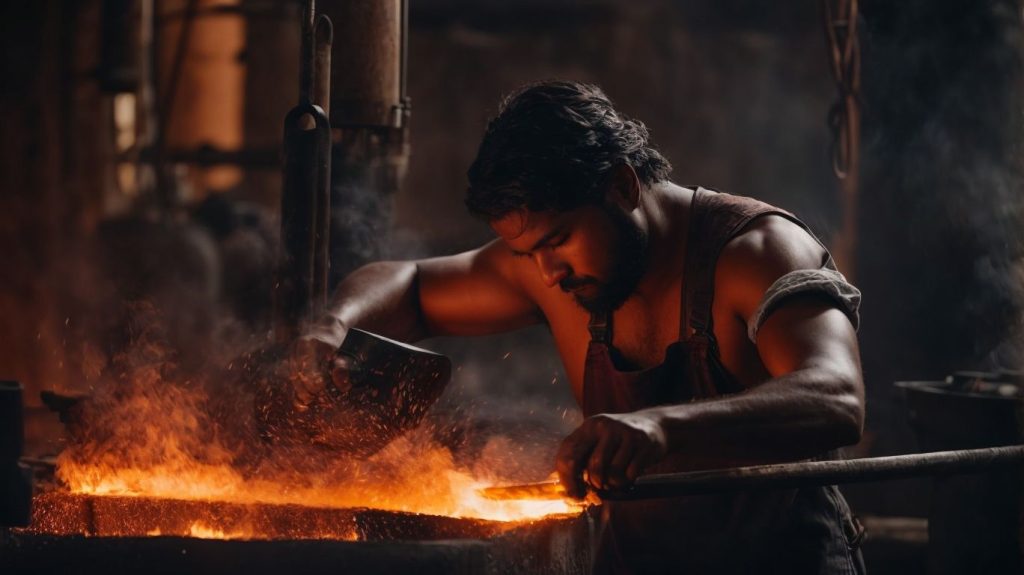
During the Renaissance, blacksmithing underwent remarkable transformations. Innovations in forging methods revolutionized metalworking and the creation of tools. The reliance on heat was paramount. Blacksmiths heated iron and steel in forges until they reached a high temperature, making the metal malleable.
Hammering served as a critical technique in shaping the heated metal. By wielding hammers of various weights and designs, artisans could manipulate the form of ironwork with precision. Different strikes allowed for controlling thickness, curvature, and texture. An experienced blacksmith understood the importance of rhythm and timing, as each blow contributed to the integrity of the piece.
Comparisons to earlier techniques reveal stark differences. Medieval blacksmiths often relied on basic methods, such as simple hammering and basic anvils. The Renaissance period saw a sophisticated approach to metallurgy, where advancements in steel production played a crucial role. Tools became more specialized, leading to enhanced craftsmanship and artistry.
Weaponry and functional items were crafted with renewed focus on aesthetics and performance. Decorative elements found their way into everyday items, showcasing the evolution of blacksmithing into a respected art form. Anvils featured improved designs which allowed for better support during heavy forging tasks.
Techniques from antiquity left a foundation, but the desire for efficiency and complexity drove gradual change. Innovative approaches emerged, reflecting the cultural shifts of the time. As artisans experimented, they pushed the boundaries of what could be achieved with metal. This era marked not only a technical leap but a deeper appreciation for the artistry embedded in ironwork.
Tools and Materials

Blacksmiths in the Renaissance utilized a variety of common tools that were essential to their craft. Hammers, tongs, and quenching buckets formed the backbone of their everyday operations. A seasoned smith relied heavily on these implements to shape hot metal into functional and artistic creations. Each tool served a distinct purpose, enhancing the precision of their forging techniques.
Development of Anvils and Hammers
Anvils underwent significant advancements during this period, evolving in design and functionality. Traditional iron anvils became more robustly constructed, allowing for increased efficiency in ironwork. Smiths often carved unique horns and edges on anvils to facilitate different shaping processes. Meanwhile, hammers varied widely in weight and size; craftsmen selected specific hammers for particular tasks, contributing to their overall craftsmanship. The relationship between hammer and anvil defined the quality of the end product.
Advancements in Steel Production and Material Quality
Steel production saw remarkable improvements due to refined metallurgy techniques. Innovations in smelting and the introduction of cast iron offered new possibilities for weaponry and tools. High carbon content allowed for harder edges, resulting in improved durability. This transformation in material quality not only elevated the functional aspects of metalwork but also enhanced its artistic dimensions. Blacksmiths began to experiment more extensively with alloying techniques, yielding unique properties in their creations.
Knowledge of historical techniques was paramount to the success of artisans in this field. Mastery of these methods ensured that blacksmiths capitalized on the latest advancements while respecting the traditions of their craft. As a result, the artistry of Renaissance blacksmithing emerged as a blend of science and skill, producing items that were as beautiful as they were practical.
Metallurgy Innovations
Role of Metallurgy in Blacksmithing
Metallurgy served as the backbone of blacksmithing during the Renaissance. Understanding the properties of metals allowed artisans to manipulate iron and steel effectively. This knowledge facilitated the development of stronger and more resilient tools and weaponry. Blacksmiths of the period relied heavily on this science to elevate their craft. As they combined artistry with physics, their creations reflected both beauty and utility. Skills learned from earlier eras were expanded upon, leading to remarkable advancements.
Changes in Steel Production Processes
Steel production underwent transformative changes throughout this era. While the crucible process had been known, its refinement led to higher-quality steel. New techniques emerged, such as the use of carbon to enhance iron’s strength. These innovations prompted shifts in how blacksmiths approached forging and craftsmanship. Sophisticated methods allowed for the production of steel that was both lighter and tougher. Anvils became essential tools in the shaping of these materials, allowing smiths to achieve intricate designs.
Impact on the Quality and Durability of Products
The advancements in metallurgy directly influenced product quality and durability. Steel tools surpassed those made from wrought iron, significantly enhancing their effectiveness. Skilled blacksmiths were now capable of crafting unrivaled weaponry and ironwork that could endure rigorous use. The durability of finished products attracted a broader clientele, from farmers needing reliable tools to nobles desiring exquisite swords. Historical techniques evolved as artisans experimented with different alloys and heating methods. Ultimately, this interplay of science and craftsmanship marked a pivotal moment in the evolution of metallurgy as it pertains to blacksmithing.
Weaponry and Ironwork
Importance of Weaponry in Renaissance Society
Weaponry held profound significance during the Renaissance. It was not merely a means of defense but also a status symbol. Nobles and military leaders displayed their wealth and power through elaborate swords and armor. Conflict was rampant during this period. As a result, the demand for high-quality weapons surged. Towns and cities often depended on local blacksmiths for their armaments. This need shaped economies and trade as cities invested in skilled artisans.
Techniques Used in Crafting Weapons
Blacksmiths employed several historical techniques to create weapons. Forging was paramount in the production of blades and armor. Craftsmen carefully heated steel, manipulating its form through hammer blows on anvils. Such processes required immense skill and precision. The development of quenching and tempering enhanced the durability of weapons. Mastery of these techniques marked the difference between mediocre and exceptional ironwork. Tools such as hammers and tongs evolved, facilitating more intricate designs. Various alloys were often experimented with to improve strength.
Connection Between Weaponry and Artistry in Blacksmithing
The artistry of blacksmithing is evident in weaponry from this era. Each sword and piece of armor often featured ornate embellishments. Patterns and engravings were carefully crafted to reflect the wielder’s identity. The merging of functionality with aesthetic beauty set Renaissance blacksmiths apart. Their work transcended mere utility, resembling art pieces in their own right. This dedication to craftsmanship fostered a new appreciation for metallurgy. It blended practical needs with creative expression, underscoring the complexity of the era’s biological and technological evolution.
Craftsmanship and Artistry
The Renaissance period marked a significant shift in the perception of blacksmithing. Artistry gained prominence alongside traditional craftsmanship. Blacksmiths, once viewed merely as laborers, began to be recognized for their creative talents. They transformed simple iron into exquisite decorative pieces that spoke to the sophisticated tastes of the time.
Intricate ironwork became a hallmark of this era. Examples abound, from ornamental gates to delicate balustrades. Each piece showcased the skill involved in forging and shaping metal. The use of anvils and tools allowed smiths to push the limits of their creativity. Decorative elements such as vines, leaves, and geometric patterns adorned many of these works, reflecting nature and mathematical precision.
This emphasis on artistry extended beyond mere aesthetics. Influence on decorative arts surged as blacksmiths collaborated with other craftsmen. Artisans in wood, stone, and glass frequently incorporated finely wrought iron into their designs. The synthesis of different materials led to unique masterpieces, enhancing the beauty of interiors and public spaces. Musical instrument design also benefited from this interplay. Instruments like lutes and harps featured beautifully crafted iron components, highlighting the role of metallurgy in Renaissance innovation.
Historical techniques evolved during this time. Blacksmiths experimented with new methods of steel production, greatly improving the quality of their work. Innovations in weaponry were also notable. Blades became not only functional but also works of art, with embellishments that elevated their status. This transformation illustrated a broader cultural appreciation for the intersection of utility and beauty.
Overall, Renaissance blacksmithing symbolizes an era where craftsmanship intertwined with artistic expression. In a world increasingly attuned to aesthetics, blacksmiths carved a niche that celebrated both their technical prowess and creative spirit. The legacy of their work continues to resonate, influencing artisans to this day.
Historical Techniques and Knowledge Transfer
During the Renaissance, the preservation of blacksmithing knowledge predominantly took place through guild systems. These guilds served as both protection and education for craftsmen. Apprentices learned essential skills by working under experienced blacksmiths. This intricate system facilitated a deep understanding of metallurgy and artistic ironwork. Knowledge was not merely passed down; it was refined and adapted for new technologies.
Transmission of techniques across Europe was significantly bolstered by trade routes. Blacksmiths exchanged ideas and innovations as they traveled. This exchange enabled the spread of advanced forging methods. Different regions began to specialize in particular types of work, leading to a rich diversity in craftsmanship. For instance, Italian blacksmiths became renowned for their elaborate weaponry, while German artisans focused on utilitarian tools.
Development in steel production marked a pivotal shift during this era. Advances in processes allowed for stronger and more durable products. Anvils played a crucial role in these advancements, providing the sturdy platform needed for effective forging. Innovations in heat treatment techniques also improved the quality of the finished metal. This period saw the emergence of blacksmithing as not only a trade but an artistry in its own right.
Techniques developed during this time laid the groundwork for future generations. Many practices in contemporary metalworking trace their lineage to Renaissance artisans. They brought about an understanding of various alloys and how to manipulate them. Each blacksmith contributed to a legacy that influenced not just weaponry, but also domestic tool-making and decorative arts. This intricate dance of knowledge transfer helped shape the very nature of metal craftsmanship.
Final Thoughts
Summary of Key Points
The Renaissance marked a transformative era for the craft of blacksmithing. Innovations during this time included more advanced techniques, which improved both tools and weapons. Artists recognized the importance of steel in their trade. Enhanced forging methods resulted in swords that were not only functional but also aesthetically pleasing. Additionally, blacksmiths became integral to the production of intricate ironworks, ranging from decorative pieces to practical household items.
Enduring Legacy of Blacksmithing
The advancements of this era have left a lasting imprint on the trade. Techniques developed during the Renaissance laid the groundwork for future generations of craftsmen. Their work contributed to the rise of metallurgy, influencing industries far beyond their own. Today, the reputation for quality and artistry established then still resonates. Enthusiasts and professional smiths alike draw inspiration from this historical period, highlighting its significance in the evolution of metalwork.
Connection to Contemporary Blacksmithing and Musical Instruments
Contemporary blacksmithing often reflects the heritage of the Renaissance, marrying old techniques with modern applications. Craftsmen today continue to develop their skill in metalworking, showcasing a blend of traditional methods with innovative designs. In the realm of musical instruments, the connection becomes even more pronounced. High-quality musical instruments often require precise metal components, inherently linked to the craftsmanship perfected centuries ago. The reverberations of history are palpable, echoing through each note played on instruments fashioned with care and expertise. This unique intersection of past and present not only celebrates the art of metalwork but also enriches our understanding of its wide-ranging implications in today’s society.