Introduction
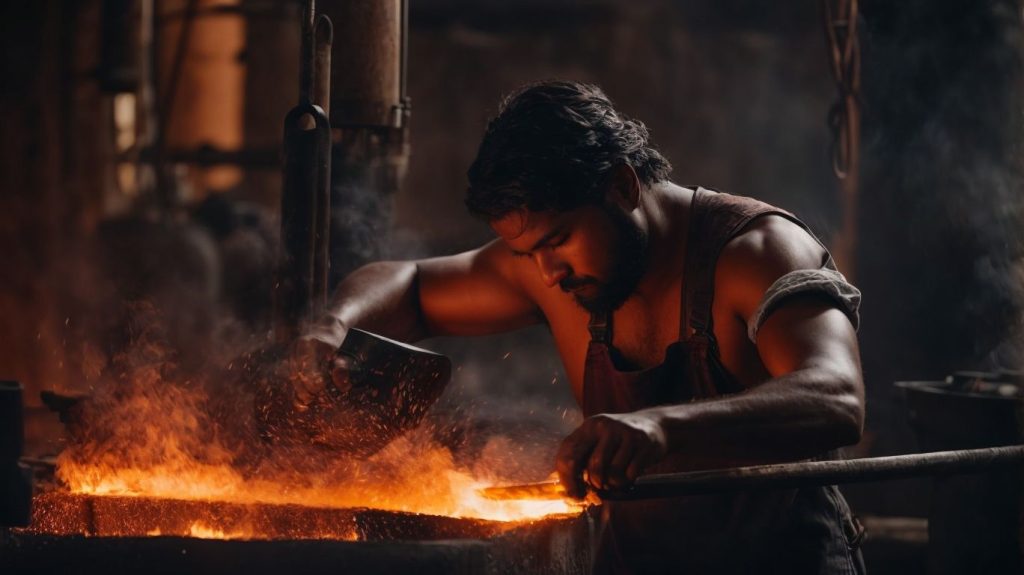
blacksmithing played a pivotal role in shaping the social and economic landscape of medieval Europe. As a fundamental aspect of metalworking, it enabled the production of essential tools, weaponry, and armor that were crucial for daily life and warfare. The skills and techniques honed by craftsmen had profound implications, impacting every facet of society.
Craftsmanship within this field was not simply a trade; it became an indispensable element of the feudal system. Lords relied on smiths to equip their knights, while peasants depended on their creations for agricultural tools. The interplay between these different social classes underpinned the economies of the time. Moreover, the art of smithing itself involved a variety of techniques that were closely guarded secrets, handed down through generations.
Cultural practices also began to intertwine with these metalworking traditions. Festivals and rituals often celebrated the blacksmith, highlighting their importance in community life. This relationship with their craft fostered a sense of identity and pride among smiths, who were vital in forging not just metal but also the fabric of medieval society.
In summary, the influence of blacksmithing extended far beyond mere utility. It catalyzed economic development, supported military endeavors, and wove itself into the very essence of life in medieval Europe. Without the innovations and contributions of these skilled artisans, the period would have unfolded quite differently.
The Role of Blacksmithing in Metalworking

Metalworking encompasses a variety of processes that involve shaping and manipulating metals to create functional and decorative items. It played a crucial role in medieval society. Tools, weapons, and armor produced through metalworking were vital for daily life and survival. This craft enabled communities to thrive by providing essential items and driving trade.
During the medieval period, advancements in technology and trade networks transformed metalworking practices. The feudal system created a demand for specialized craftsmanship. Noble houses required durable weapons and armor to protect their lands. Villagers, in turn, needed tools for farming and crafting. The symbiotic relationship between these needs and smithing techniques laid the foundation for economic development.
Blacksmiths emerged as central figures within this landscape. Their expertise in metalworking facilitated the creation of stronger, more effective tools and weapons. Innovations in production techniques allowed for mass output, meeting the increasing demands of warfare and agriculture. Every village relied on the skilled hands of these craftsmen. Their contributions shaped not only local economies but also the broader cultural impact of the era.
The artistry involved in shaping metal was not merely functional; it also held significant aesthetic value. Elaborate designs on armor and weapons often conveyed status and craftsmanship. This artistry captivated many, showcasing the unique skills of the smiths. Their work endured through generations, leaving a legacy that reflected both the utilitarian and artistic expressions of medieval life.
As trade routes expanded, so did access to various materials. Smiths were among the first to adapt to these changes, incorporating new techniques and influences into their workflow. Innovations emerged in metallurgy, resulting in stronger alloys and more efficient methods of crafting tools. This evolution profoundly influenced how societies developed and interacted with one another.
The significance of blacksmithing during this era cannot be overstated. As communities relied on the output of these artisans, their techniques transcended mere craft. They shaped industries, empowered warriors, and sustained economies. Each hammer strike was not just a sound but a heartbeat of medieval society, connecting the past to the future.
The Craftsmanship Behind Tools and Weapons

The medieval blacksmith played a critical role in society, crafting essential tools and formidable weapons that shaped daily life and warfare. Tools such as plows, hammers, and chisels were fundamental for agriculture and construction. This was no mere hobby; it was a vital component of economic development within the feudal system.
Weapon crafting transformed the battlefield. Swords, axes, and spears became symbols of power and prestige. Each weapon carried with it the mark of the smith, reflecting a unique blend of artistry and utility. As warfare evolved, so too did the design and sophistication of arms.
Smithing techniques improved over centuries. Methods such as quenching and tempering allowed for stronger, more resilient materials. This innovation directly influenced battles, as soldiers wielded weapons that could withstand the rigors of combat. The craftsmanship involved ensured that every weapon was not just functional but also a potential talisman of victory.
Axes were favored by many due to their versatility. They served both as tools and as weapons. The design of a war axe combined practicality with lethal efficiency. Spears, on the other hand, offered reach and could be used effectively in various formations. Each weapon reflected not only the skills of its creator but also the strategic needs of the time.
Armor also underwent significant advancements, influenced by the craftsmanship of the smiths. Chainmail and plate armor emerged, providing greater protection for warriors. This evolution in armament required matching improvements in weapon design. The relationship between tools, weapons, and armor was symbiotic, with each innovation driving the next.
The impact of weapon craftsmanship extended beyond mere functionality. Weapons became integral to the identity of a warrior. Cultures valued the quality of arms, and through trade, exceptional pieces would travel far and wide. These exchanges contributed to a shared martial culture across Europe.
Ultimately, the artistry of weapon-making informed combat strategies. Leaders recognized that superior arms could tip the scales of power. Strategic innovations arose as a result, shaping entire battles and altering the course of history. The blacksmith’s influence was felt far beyond the forge, embedding itself in the very fabric of medieval society.
Armor Production and its Influence on Warfare

The medieval battlefield was not just a contest of valor; it was also a showcase for the skill of blacksmiths. They played a pivotal role in the production of armor that defined warfare in this era. Various types of protective gear emerged, including chainmail, plate armor, and padded garments. Chainmail offered flexibility and good defense against slashing attacks. Plate armor, on the other hand, provided enhanced protection but limited mobility. Padded armor served as a crucial layer beneath metal, absorbing impact and preventing chafing.
Knights and soldiers relied heavily on this armor for survival. In a time marked by feudal conflicts and territorial disputes, a well-armored warrior had a decisive advantage. Armor influenced not only individual combat but also the strategies of war. Armored cavalry became a dominant force on the battlefield, reshaping tactics and engagements. The economic development of regions was closely tied to the trade of armor, as wealthy lords invested in sophisticated gear for their retainers.
The Evolution of Armor Design
Over the centuries, armor design evolved significantly, driven by advancements in metalworking and changing warfare dynamics. Early designs reflected the materials and techniques available at the time. As trade networks expanded, so did access to superior metals and tools. Innovations in smithing techniques allowed for more intricate designs, providing enhanced protection while allowing for greater mobility. By the late Middle Ages, armor had become lighter and more effective, integrating elements such as articulated plates that moved with the wearer.
Class distinctions also played a role in armor production. Wealthier nobles could afford exquisite pieces adorned with intricate designs, displaying not only their status but also the craftsmanship of skilled artisans. Common soldiers, while receiving less elaborate gear, still benefited from the advancements in smithing techniques, ensuring that their armor was both functional and reliable. This accessibility ultimately contributed to the broader cultural impact of armor on society.
As feudalism solidified its grip on Europe, the relationship between armor and social structure became evident. Lords who invested in the best armaments garnered respect and loyalty from their vassals. The economies of regions often relied on the burgeoning arms trade, supporting both local blacksmiths and the armies they outfitted. This created a dynamic where the production of weapons and armor directly influenced the feudal system and warfare.
Armor, therefore, was much more than mere protection. It encapsulated technological advances, social hierarchies, and military strategies. As blacksmiths honed their craft, they not only shaped the armor that protected warriors but also the very fabric of medieval society itself.
Blacksmithing and the Feudal System
Connection Between Blacksmiths and the Feudal System
The relationship between blacksmiths and the feudal system functions as a crucial element of medieval society. Blacksmiths provided essential services, enabling local lords to maintain their power. Without reliable metalworking, the production of arms and armor would falter, leaving lords vulnerable. These craftsmen became indispensable to the hierarchy, forging not only weapons but also tools necessary for agriculture and construction.
Role of Blacksmiths in Supporting Local Lords and Communities
In many villages, blacksmiths held a position of respect and authority. Their skills were vital for the local economy. While lords governed lands, smiths produced vital goods that supported both defense and daily life. Moreover, they often had an apprenticeship system, fostering the next generation of artisans. This practice ensured continuity of craftsmanship, bolstering community stability.
Economic Implications of Blacksmithing Within the Feudal Hierarchy
The impact of blacksmithing on economic development cannot be understated. Demand for weapons and armor surged during periods of conflict, driving trade in metallurgic goods. In many instances, blacksmiths engaged in bartering, trading services for food or protection. Such transactions elucidated the interconnectedness of the feudal system, where every role played into a larger economic tapestry. Social mobility was limited, yet smiths could sometimes elevate their status through expert craftsmanship. With each sword forged or horseshoe crafted, blacksmiths contributed to the wealth of their patrons while enhancing the community’s collective resilience against external threats.
Cultural Impact
Beyond their economic roles, blacksmiths helped shape local cultures. They became storytellers, sharing tales as they worked the forge. This exchange of knowledge and lore reinforced communal bonds. Additionally, the craftsmanship displayed in their creations often became a source of pride, symbolizing local identity. The artistry of weapons and intricate designs on armor represented more than mere functionality; they encapsulated the spirit of a community striving for prosperity in a tumultuous age.
Trade and the Blacksmith’s Market
Blacksmithing developed into a formidable trade during medieval times. As villages expanded and towns emerged, the demand for metal goods surged. Craftsmanship in metalworking became a lifeline for local economies. Various smithing techniques enabled artisans to create essential tools, durable weapons, and protective armor. Each item they produced contributed significantly to the daily lives of people.
Local and regional trade networks flourished, facilitating the exchange of metal goods. Blacksmiths became pivotal figures in these networks, often acting as hubs of commerce. They traded not only within their communities but also with distant markets. Iron and steel, essential resources, were passed along routes that connected farms, settlements, and burgeoning towns. Such exchanges fostered an early form of economic development, reinforcing the feudal system that characterized the period.
The role of a blacksmith transcended mere utility; it encompassed social and cultural dimensions as well. These artisans were more than just laborers; they held a respected position within their societies. Villagers often relied on their expertise for crafting items that symbolized identity and status. Weapons forged in a blacksmith’s heat could mean the difference between life and death in battles, while finely wrought tools enhanced agricultural productivity.
Trade created a palpable ripple effect in local economies. As blacksmiths cultivated relationships with other craftsmen, they contributed to specialized markets. For instance, an influx of weapons needed to accompany soldiers led to greater demand for skilled smiths. As towns urbanized, this specialization allowed craftsmen to refine their skills and elevate their wares. The cultural impact of metal goods permeated everyday life, shaping customs and communal rituals.
Additionally, this interconnected web of trade opened doors for the importation of exotic metals and innovative techniques. Knowledge transfer between regions enriched local practices. Traveling merchants introduced new designs and ideas, allowing blacksmiths to stay competitive. Such dynamics not only influenced local craftsmanship but also enriched the overall economy.
In sum, the market forged by blacksmiths was crucial to the medieval landscape. Economic growth during this era can be traced back to these skilled artisans and their unparalleled ability to meet the needs of a changing society. They transformed raw metal into vital instruments of life, fostering connections that would define the medieval world.
Innovations in Smithing Techniques
The evolution of smithing techniques plays a crucial role in understanding the landscape of medieval Europe. As societies advanced, so did the methods employed in metalworking. Changes in these techniques directly influenced the production of essential tools and weapons. At the heart of this transformation lay the quest for efficiency and quality.
Technological advancements reshaped blacksmithing practices significantly. For instance, the introduction of the water-powered hammer allowed for the mass production of items, enhancing the craftsmanship of weapons and armor. This innovation streamlined processes that once relied solely on manual labor, making it easier to meet the growing demands of an expanding feudal system.
Specific innovations also emerged as pivotal points in the production of essential items. The advent of the blast furnace raised the temperature capabilities of metalworking, allowing smiths to smelt iron more effectively. This process not only improved the quality of the metal but also led to stronger and more durable tools. As these advancements occurred, the trade of metal goods flourished, propelling economic development across various regions.
Furthermore, the increase in iron production had a profound cultural impact. As weapons became more readily available, the dynamics of warfare changed. Lords could now equip their knights with superior armaments, fundamentally altering battle strategies. Peasants, armed with better farming tools, contributed to productivity and food security, solidifying their roles within the feudal hierarchy.
Crafting techniques diversified as well, blurring the lines between art and utility. Smiths began to employ different alloys and experimented with decorative elements, which reflected the wealth and status of their patrons. The artistry involved in creating weapons and armor became a symbol of power and prestige in medieval society.
This intricate relationship between innovation and craftsmanship not only heightened the quality of tools and weapons produced but also strengthened community bonds. As trades evolved, craftsmen shared techniques and knowledge, fostering collaboration among artisans. The ongoing development of smithing practices exemplifies the rich tapestry of medieval life, weaving together commerce, warfare, and artistry.
Cultural Impact of Blacksmithing
Blacksmithing played an integral role in shaping the culture and society of medieval Europe. This craft was not merely about metalworking; it encapsulated the essence of community and identity. Across towns and villages, the forge served as a central gathering place. Local blacksmiths became vital to the economy, supplying tools and weapons essential for survival and conflict.
Folklore often featured skilled smiths, depicting them as mystical figures with extraordinary powers. Myths surrounding these craftsmen included tales of enchanted swords and legendary armors forged in flames. Communities respected and revered their blacksmiths, imbuing them with a near-mythical status. Folk stories frequently portrayed them as wise counselors, guiding warriors before battles.
Trade flourished around these artisans, with techniques passed down through generations. Mastery of craftsmanship established a blacksmith’s reputation, not just in producing iron goods but in shaping community values. Their contributions greatly influenced the social fabric of the feudal system. Lords relied heavily on these skilled workers to equip their armies and maintain order.
Musical traditions also echo the influence of smithing. Instruments made from metal, such as bells and other percussion tools, added a rich layer to cultural celebrations. The rhythmic sounds of hammers striking anvils often inspired songs about strength and bravery, creating a deeper connection between the craft and the people. Such songs reflected the respect and admiration for tools, weapons, and the intricate work involved in their creation.
In essence, blacksmithing’s impact extended beyond mere production. It fostered a sense of belonging, pride, and storytelling that unified communities. The forge became a symbol of resilience, skill, and the collective identity that defined medieval life. From folklore to music, the cultural reverberations of this ancient trade continue to resonate through history.
Final Thoughts on the Impact of Metalworking in Medieval Europe
Metalworking played a pivotal role in shaping the economic and social landscapes of medieval Europe. By providing tools and equipment necessary for agriculture, warfare, and everyday life, the craft facilitated progress across various domains. This rigorous and essential trade became synonymous with the era, often regarded as the backbone of various industries. As societal needs evolved, so did the techniques used by skilled craftsmen, who adapted their methods to accommodate growing demands. Their innovations fostered not only a sense of community but also a network of commerce that spanned regions.
The legacy of metalworking extends far beyond its historical context. Modern craftsmanship continues to reflect the principles established by medieval artisans. Today, artisans utilize techniques and designs that draw inspiration from their predecessors. This connection illustrates the timelessness of skill and creativity, linking the past with contemporary practices. Furthermore, various trades, including those in art, carpentry, and engineering, owe their development to techniques pioneered by these early blacksmiths.
As society moves forward, it’s essential to recognize how these early tradespeople influenced not just physical objects, but also cultural and social structures. The artistry and labor ethic embodied in their work set a standard that resonates even now. While technology continues to advance, the appreciation for handmade and carefully crafted items remains steadfast. This enduring respect highlights the importance of preserving traditional skills in an ever-changing world.
Ultimately, the contributions of metalworking to medieval society underline a significant narrative of human ingenuity and resilience. By examining this history, one can appreciate the intricate web of influence that shaped Europe and continues to inspire new generations of creators. The realm of craftsmanship is richer for it, ensuring that the spirit of those early blacksmiths, with their fire and forge, lives on in our modern world.