Introduction
In the realm of Ancient Egypt, Blacksmithing occupied a pivotal role in the advancement of metalworking. This craft evolved into a cornerstone of society, facilitating the production of essential tools and weaponry. The significance of this artisanal skill cannot be overstated within the broader context of Egyptian civilization, where technological innovations transformed daily life and warfare.
Artisans employed various historical techniques to manipulate metals such as copper, bronze, and eventually iron. Each step forged the path to greater efficiency and strength in the weapons and tools created. The transition from copper to bronze marked an important milestone. It allowed for the creation of more durable implements. As blacksmiths honed their skills, the utility and artistry of their products increased.
This craftsmanship not only supported agricultural and domestic needs but also played a crucial role in military endeavors. The mastery of metalwork provided soldiers with superior weaponry, which could turn the tide in conflicts. A combination of practical application and artistry characterized the work of these skilled craftsmen.
The evolution of metalworking in Ancient Egypt demonstrates a civilization’s adaptation and innovation. Copper tools provided a foundation, but the eventual adoption of bronze and iron set the stage for a new era. Understanding the journey of this craft offers insight into the complexities of ancient society and its dependence on skilled artisans.
The Origins of Blacksmithing in Ancient Egypt
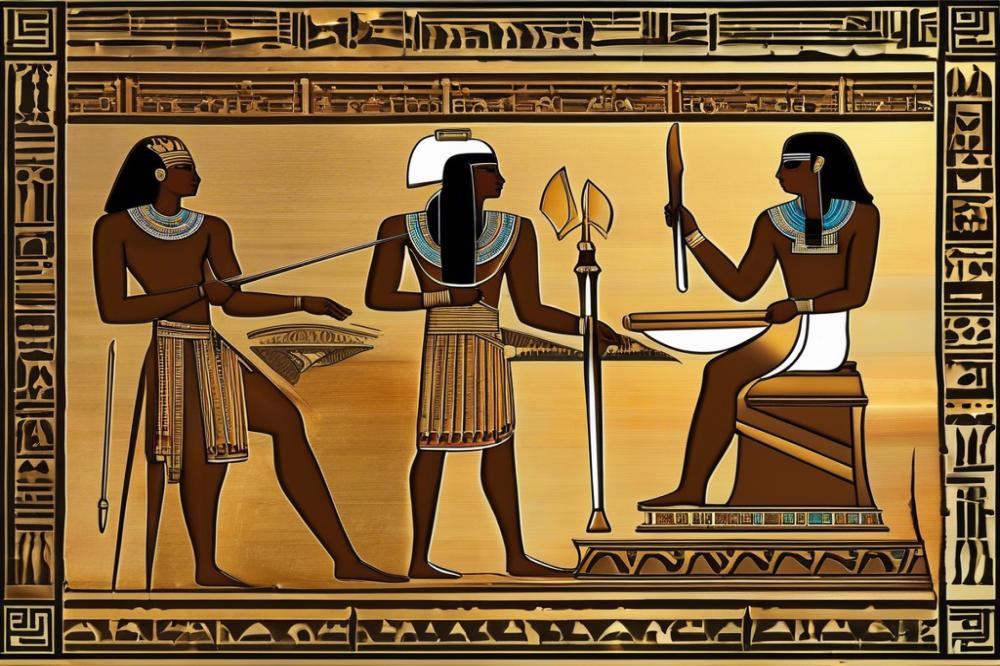
Metalworking in ancient Egypt marks a crucial development in the history of craftsmanship. The transition from stone tools to copper artifacts represents a significant technological leap. Archaeological evidence suggests that this transition occurred around 4000 BCE. Initially, artisans relied heavily on flint and other stones for their tools and weapons. The introduction of copper, however, changed the landscape of material culture dramatically.
Artifacts such as tools, jewelry, and weaponry unearthed from ancient sites highlight the early use of metal. Copper, being one of the first metals utilized, allowed for greater efficiency in manufacturing. Unlike stone, metals can be shaped and molded through techniques like casting and forging. This versatility made it an attractive option for early Egyptians seeking to enhance their daily lives.
The skills required for metalworking were cultivated over generations. Artisans began to explore the properties of different metals, leading to advancements in craftsmanship. For example, copper tools became more common, showcasing improved durability and effectiveness compared to their stone counterparts. As knowledge expanded, so did the use of bronze, an alloy that increased strength and resilience.
Iron would enter the scene significantly later, around the first millennium BCE, yet it built upon the foundational techniques established during the copper and bronze ages. Each step in the evolution of metalworking reflects a progressive advancement in the capabilities of Egyptian artisans. Historical techniques, once rudimentary, evolved into complex methods over time.
Moreover, this shift to metalworking had implications for Egyptian society. The production of weapons and tools contributed to the power dynamics within the civilization. As the ability to create stronger and more effective weapons developed, so too did the military capabilities of the state. This transition also fostered trade networks, as the demand for metal tools and weapons increased.
In summary, ancient Egyptian civilization witnessed profound transformations with the advent of metalworking. The journey from stone to copper and eventually bronze laid the groundwork for future innovations. Recognizing the importance of this era allows us to appreciate the skill and creativity of early Egyptian artisans.
The Use of Copper and Early Techniques
In the annals of ancient Egyptian civilization, copper played a pivotal role in the development of metalworking. Artisans began to harness this malleable metal as early as 4000 BCE. Availability of copper deposits in the region greatly influenced its use. Early techniques focused on smelting, casting, and forging, which were crucial for shaping copper into various items.
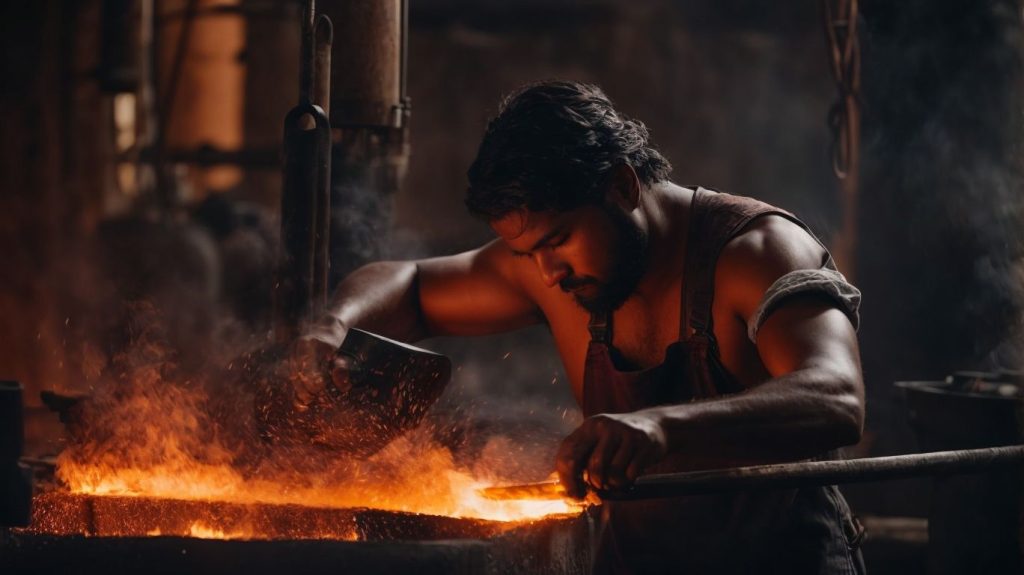
Tools used by these craftsmen were rudimentary but effective. Simple hammers and anvils formed the backbone of this ancient trade. With heat sourced from charcoal, artisans perfected their methods. The melting point of copper was well understood, allowing for precise work in shaping tools and weapons. Specialized techniques emerged as skill levels increased and shared knowledge expanded.
Weapons such as daggers and spearheads were among the first to benefit from copper’s properties. These items not only served practical purposes but also signified the social status of their owners. Copper’s strength, while noticeable, was somewhat limited. The rise of bronze, an alloy of copper and tin, marked a significant evolution in craftsmanship. This advancement resulted in even stronger materials, paving the way for improved weapons and tools.
Historical techniques remained consistent yet continually adapted over centuries. The Egyptian approach to metalworking involved a blend of functional design and artistic flair. Decorative elements often adorned everyday tools, revealing a unique intersection of utility and beauty. Artisans employed techniques such as lost-wax casting to create intricate jewelry and ceremonial items.
As time progressed, iron began to make its appearance, providing a further evolution in tools and weaponry. Each transition, whether from copper to bronze or ultimately to iron, reflected broader changes within society and technology. Craftsmanship in metallurgy showcased the ingenuity of Egyptian artisans. Their techniques would influence generations and carve a legacy that goes beyond mere survival; it encapsulated a culture rich in innovation.
The Rise of Bronze in Egyptian Craftsmanship
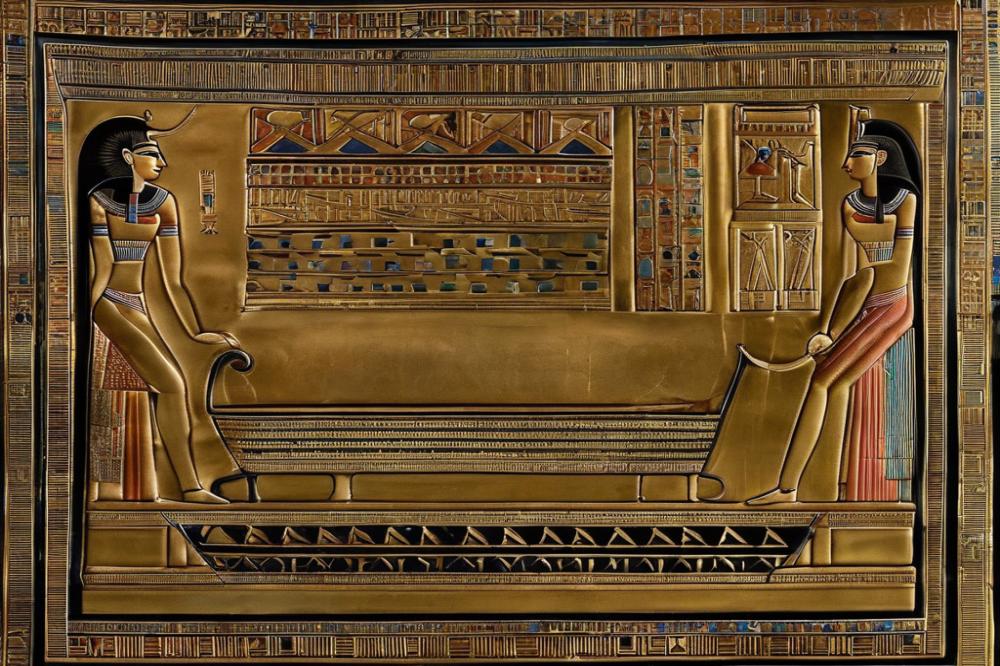
The advent of bronze metallurgy marked a significant turning point in Egyptian craftsmanship. This period saw the transition from primarily copper-based tools and weapons to those made of a more durable alloy of copper and tin. Artisans gradually mastered the art of alloying, a process that required a precise understanding of materials and temperatures to create bronze effectively.
Initially, copper served as the dominant metal in ancient Egypt. Artisans utilized this soft metal for various tools and weapons, but limitations became clear. These artifacts, while functional, often lacked the strength needed for prolonged use. The introduction of bronze brought about a change, allowing for the production of sharper, more resilient implements.
Historical techniques related to metalworking evolved as artisans experimented with various combinations of copper and tin. The improved quality of bronze directly influenced the design and efficiency of tools used in agriculture and construction. Moreover, weapons crafted from this alloy proved superior, enhancing the military capabilities of the Egyptian civilization.
Changes in craftsmanship were evident across the board. With the enhanced properties of bronze, swords became longer and more lethal, while axes gained a heavier and more effective blade design. These advancements not only changed warfare but also elevated the status of smiths in society.
The demand for bronze artifacts surged, fueling the growth of specialized workshops. In cities like Thebes and Memphis, metalworkers thrived as they honed their skills in casting and forging. This shift in production created a collaborative network among artisans, allowing the sharing of techniques and innovations.
Over time, the introduction of iron began to disrupt the dominance of bronze. Yet, the legacy of bronze metallurgy remained significant. The skillset developed during this era laid the groundwork for subsequent advancements in metalworking. Each innovation in weaponry or tool design paved the way for further exploration and development within Egyptian craftsmanship.
Tools of the Trade: Blacksmithing Equipment
The art of metalworking in ancient Egypt relied heavily on a set of essential tools that defined the blacksmith’s workshop. Anvils, for instance, served as the cornerstone of this craft. These sturdy platforms were typically made of stone or metal, providing a solid surface for shaping and forging various materials.
Hammers played a critical role, too. Smiths wielded a range of hammers, each designed for specific tasks. Light hammers were useful for delicate operations, while heavier ones helped in larger projects, such as weapon creation. The balance of weight and control allowed artisans to shape both copper and bronze with precision.
For the actual process of heating metal, the forge was indispensable. Bellows were often employed to increase airflow, thereby raising the temperature of the fire. Heat was crucial, as it enabled smiths to manipulate the metal into desired forms. Iron and bronze, common materials in weaponry and tools, required particular attention during this phase.
Various techniques defined the craftsmanship of ancient Egyptian blacksmiths. These artisans passed down methods for tempering metal, a crucial step in enhancing durability. Such techniques included quenching, where hot metal was rapidly cooled, producing weapons capable of withstanding battle.
Moreover, the tools extended beyond the basic equipment. Tongs, used for grabbing and holding heated metal, were a necessity to avoid burns. Each tool contributed to the overall efficiency of the workshop. Without these resources, the production of weapons and implements would have been severely hampered.
Artisans also decorated their creations, often signifying status and functionality. Intricate designs were hammered into surfaces, showcasing skill and attention to detail. The blend of utility and artistry reflected the cultural significance of metal objects in the Egyptian civilization.
Transitioning between different metals required not only tools but also extensive knowledge. Mastery over the properties of copper, bronze, and iron ensured that blacksmiths remained relevant across centuries. Changes in material usage indicated broader shifts within society and advancements in technology.
Continuously evolving tools and historical techniques marked the legacy of blacksmithing. Innovations emerged alongside the dynamics of society, leading to the creation of sophisticated weaponry and tools. Consequently, ancient Egyptian blacksmithing stands as a testament to human ingenuity and adaptation in craftsmanship.
Iron Blacksmithing: A New Era
The arrival of iron marked a significant turning point in Egyptian metalworking. Unlike the earlier use of copper and bronze, iron introduced new challenges and opportunities for artisans. The shift from these metals to iron was not immediate; it unfolded over centuries, reshaping the landscape of Egyptian craftsmanship.
Initially, the techniques employed for smelting and forging were not optimized for iron. Early blacksmiths had to adapt their historical techniques, often learned through generations, to accommodate this harder metal. This transition was gradual, relying on experimentation and innovation. As artisans delved deeper into ironworking, they began to refine their methods. Tools and weapons made from iron soon surpassed their bronze counterparts in durability and sharpness.
The Egyptian civilization was not alone in this transition. Other cultures were also embracing iron, causing a ripple effect throughout trade networks. With the introduction of iron tools, agricultural practices improved. Farmers could till land more efficiently, leading to increased yields and, ultimately, population growth. Such advancements further fueled the demand for iron, creating a vibrant market for metal goods.
Artisans dedicated to iron blacksmithing began to emerge as skilled specialists. The crafting of iron weapons became particularly vital. As military conflicts escalated during this period, the demand for stronger, more effective weaponry intensified. The effectiveness of iron swords, spears, and shields provided armies with a strategic advantage.
Throughout this era, blacksmiths also became masters of their craft. They integrated various techniques honed from earlier practices with newfound iron-working methods. The furnace designs evolved, allowing temperatures to reach levels conducive to smelting iron ore. This improvement produced higher-quality iron. The forging process itself became more sophisticated, incorporating techniques such as quenching and tempering, which enhanced the longevity and usability of iron items.
The unique properties of iron presented both opportunities and challenges. While easier to source than copper or tin, producing iron required higher temperatures and meticulous attention. Blacksmiths, through experimentation, began to manipulate the properties of iron, discovering ways to create alloys that could improve its strength and resistance to corrosion.
As the iron age progressed, the role of the blacksmith evolved. These artisans were no longer merely producers of tools and weapons; they became integral to economic and social structures. Their contributions were recognized, elevating their status within communities. This rise in importance reflected the broader changes within Egyptian society as it adapted to the new era of metalworking.
The legacy of iron blacksmithing in Ancient Egypt still resonates today. It laid the groundwork for future advancements in metallurgy. By assimilating techniques and materials, Egyptian artisans not only shaped their own history but also influenced cultures beyond their borders. The journey from copper to iron marked more than just a shift in materials; it symbolized a broader transformation of civilization itself.
Blacksmithing Craftsmanship and Artisans
Artisans involved in the craft of metalworking in ancient Egypt were highly skilled and held in great esteem. This profession was not merely a job; it was a calling that required years of rigorous training. Young apprentices often began their education in blacksmithing at a tender age, learning under the guidance of experienced craftsmen. Techniques passed down through generations shaped their abilities to create both functional and decorative items.
Tool-making was a cornerstone of their work. Early Egyptian blacksmiths primarily used copper, followed by advancements to bronze and eventually iron. Each material brought its own set of challenges and required varying methods of manipulation. Mastery of these historical techniques distinguished the most accomplished artisans from their peers. Craftsmen often specialized in creating tools and weapons that were crucial to both domestic life and military applications.
Tools crafted by these skilled individuals played an essential role in furthering the progress of Egyptian civilization. The dexterity demonstrated in their work extended beyond mere utility; these artisans transformed raw materials into objects of beauty. Decorative elements were common in weaponry and tools alike, signifying the artistry involved in blacksmithing. Society viewed these creations with respect, showcasing the balance between function and form.
Significance extended beyond the economic aspect; blacksmithing was woven into the very fabric of Egyptian life. Weapons created in the anvil’s forge were pivotal in warfare, impacting territorial control and trade. The artifacts produced had practical uses, yet they also carried cultural meaning. They became symbols of power and craftsmanship within the community.
In essence, the role of blacksmiths in ancient Egypt was integral to both daily life and the advancement of the civilization. Their unique skills in metalworking provided essential tools that enhanced agricultural efficiency and supported military endeavors. As the civilization evolved, so too did the craftsmanship of the artisans. Each generation contributed to a legacy of innovation, ensuring that the art of blacksmithing remained relevant throughout the ages.
Historical Techniques and Innovations
The ancient Egyptians excelled in metalworking, developing a range of techniques that laid the foundation for future advancements in the craft. Forging was a central aspect of their metalwork. Artisans shaped metal by hammering it into the desired form while it was still hot. This labor-intensive process required considerable skill and knowledge of thermal properties.
Casting also played a significant role in their methods. Liquid metal, primarily copper and later bronze, was poured into molds to create tools and weapons. This technique allowed for intricate designs and mass production of items. The introduction of bronze transformed the landscape of ancient craftsmanship, offering greater strength and durability compared to wood or stone.
Iron ultimately became another significant material, although its widespread use developed later in Egyptian civilization. Early ironworking involved more complex methods due to the challenges associated with forging the material. The techniques evolved over time as artisans gained a deeper understanding of metallurgy.
Decoration was an equally important facet of blacksmithing in ancient Egypt. Once items were formed, blacksmiths often engraved or inlaid pieces with intricate motifs. Tools and weapons served a practical purpose but were also considered art. The aesthetic appeal mattered just as much to these skilled workers. Tools exhibited not only functionality but also a reflection of the culture’s values and beliefs.
As a community-oriented profession, blacksmithing fostered collaboration among artisans. Workshops often buzzed with activity, as craftsmen shared techniques and knowledge. The exchange of ideas contributed to innovations that would influence future generations.
Overall, the historical techniques employed by blacksmiths contributed to the rise of a sophisticated society. Through labor, creativity, and skill, these artisans played a vital role in the development of tools and weapons that shaped the ancient world. The legacy of their craftsmanship continues to be admired, illustrating the importance of metalwork throughout history.
Blacksmithing and Its Impact on Weapons and Tools
The role of metalworking in Ancient Egypt cannot be overstated. Artisans applied historical techniques to create essential items that would shape their civilization. The evolution from simple tools to sophisticated weapons marked a significant advancement in both technology and craftsmanship. Copper emerged as a primary material in early weaponry, allowing for sharper and more durable points. As time went on, bronze became increasingly prevalent, leading to stronger arms and tools.
Weapons such as daggers, swords, and spears were revolutionized through improved metalworking methods. These advancements were not merely cosmetic; they fundamentally altered the landscape of warfare in Egyptian society. The introduction of bronze, with its enhanced hardness compared to copper, gave soldiers a substantial edge. As military conflicts escalated, the demand for superior weaponry surged, pushing artisans to refine their techniques further.
Tools also benefited from the innovations in craftsmanship. Everyday implements like chisels, awls, and plows saw marked improvements in effectiveness. These instruments facilitated construction projects, agricultural endeavors, and artistry, serving multiple facets of daily life. The ability to produce reliable tools aided laborers in their tasks, thereby feeding into the larger economic fabric of the Egyptian civilization.
Iron eventually entered the narrative, completing the triad of essential metals. While its adoption came later, the durability and strength of iron tools surpassed those made of previous materials. This shift represented a further leap in technology, influencing trade and military dynamics alike. Each transition from copper to bronze, and later to iron, demonstrates a continuous pursuit of quality and efficiency.
In the context of warfare, the accessibility of better weapons fostered a sense of security and expansion. Pharaohs could assert dominance more effectively, exerting influence beyond their borders. The ingenuity displayed by artisans in the creation of these sophisticated items added layers of societal complexity. Thus, blacksmithing practices were not just about forging metal; they were pivotal in shaping the course of Ancient Egypt’s history.
Legacy of Ancient Egyptian Blacksmithing
The practices of ancient Egyptian artisans have significantly influenced subsequent civilizations. Historical techniques developed by these craftsmen laid the foundation for metalworking across various cultures. As metal became increasingly important, the shift from copper to bronze revolutionized tool and weapon production. This advancement marked a turning point in human innovation.
The exceptional craftsmanship exhibited in ancient Egypt did not go unnoticed. Advanced techniques spread to neighboring regions, shaping local practices and inspiring artisans. As this knowledge expanded, it contributed to the collective understanding of metallurgy. The mastery of stirring copper into functional items established a standard that future blacksmiths would strive to replicate.
Tools forged during the Egyptian civilization were not merely functional; they also symbolized power and status. Weapons crafted with care served practical purposes in conflicts and ceremonies alike. Skilled artisans utilized their creativity, blending functionality with artistry. Such intricate work reflected not just utility but also cultural significance.
As time progressed, the emergence of iron further transformed metalworking. The transition from bronze to iron required new approaches and techniques. This development was influenced by trade routes connecting diverse populations. The legacy of Egyptian innovation can be traced in the advanced forms of metal manipulation adopted by different societies.
Furthermore, the importance of collaboration among artisans cannot be overstated. Communities fostered environments rich in knowledge exchange. The apprenticeship systems that arose enabled the transfer of skills from one generation to the next. This practice ensured that historical techniques would endure long after the fall of the Egyptian empire.
In many ways, ancient Egyptian blacksmithing was more than a trade; it was an art form. The resulting cultural exchanges fostered by trade and conquests ignited an evolution in metalworking methods. Civilizations across the Mediterranean and beyond drew inspiration from the Egyptians, leading to innovations that would echo through the ages. The sweep of history illustrates that each development was built upon the countless contributions of these early craftsmen.
Final Thoughts on the Craft of Metalworking in Ancient Egypt
The journey of blacksmithing in ancient Egypt reveals much about the civilization’s advancements and societal needs. Metalworkers played a crucial role in the development of tools that empowered agriculture, warfare, and daily life. Their craftsmanship not only facilitated the growth of a powerful society but also showcased a blend of artistry and utility.
Copper and bronze emerged as foundational materials during this era. Workers adapted techniques over time, responding to both environmental demands and technological innovations. The forging process, which involved heating and hammering metal, was vital. It transformed raw materials into essential items that served a variety of functions.
Focusing on the historical context, blacksmithing epitomized the complex interactions between social classes, trade, and cultural exchange. This craft was often closely guarded by skilled artisans who maintained the secrets of their trade. Patrons, including pharaohs, recognized the importance of these workers in securing power and influence, which further underscores the value placed on metalworking.
Though the ancient practices may seem distant, their legacy continues to influence contemporary techniques and tools. Modern metalworkers draw inspiration from these early methods, blending tradition with innovation. Understanding how ancient artisans operated can enhance one’s appreciation for today’s craftsmanship. Their work would ultimately lay the groundwork for advances in metallurgy and industrial processes that we witness in the present day.
In summary, the evolution of metalworking during this remarkable era is a testament to human ingenuity. The skills developed in ancient Egypt not only shaped their world but have echoed through time to inspire future generations of craftsmen. Recognizing this historical significance enriches our understanding of the past while highlighting the enduring nature of these ancient techniques.