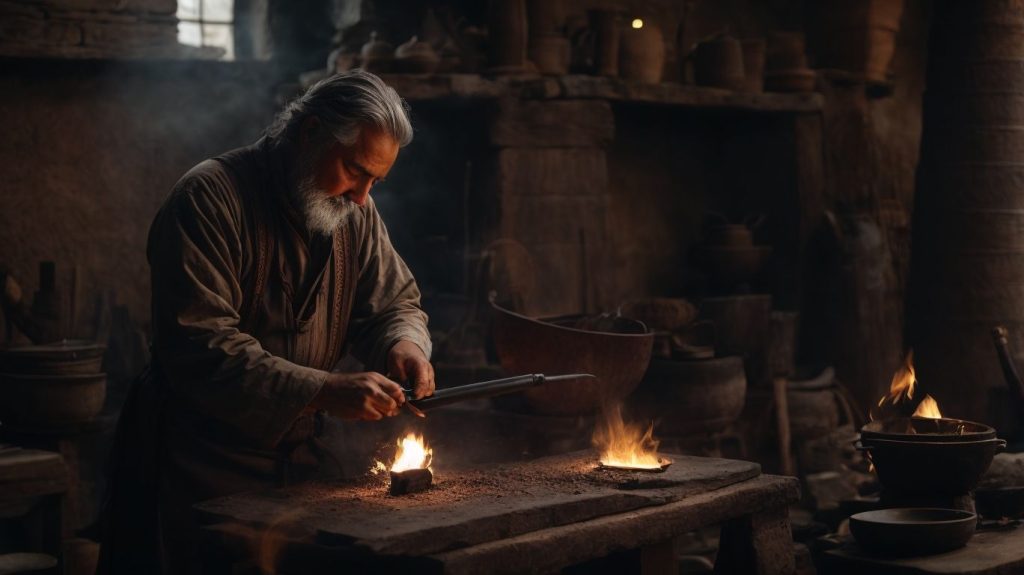
Blacksmith Basics

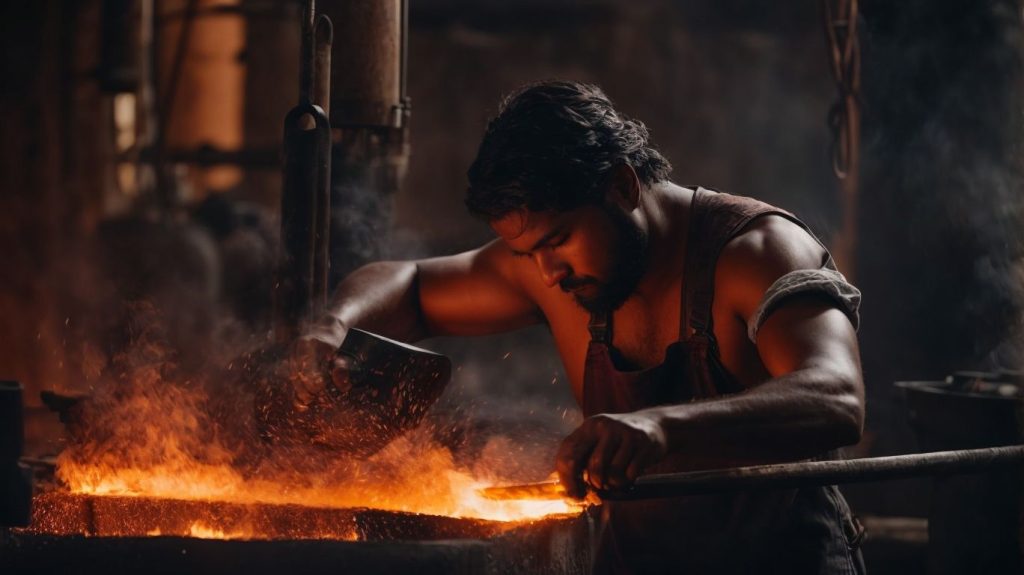
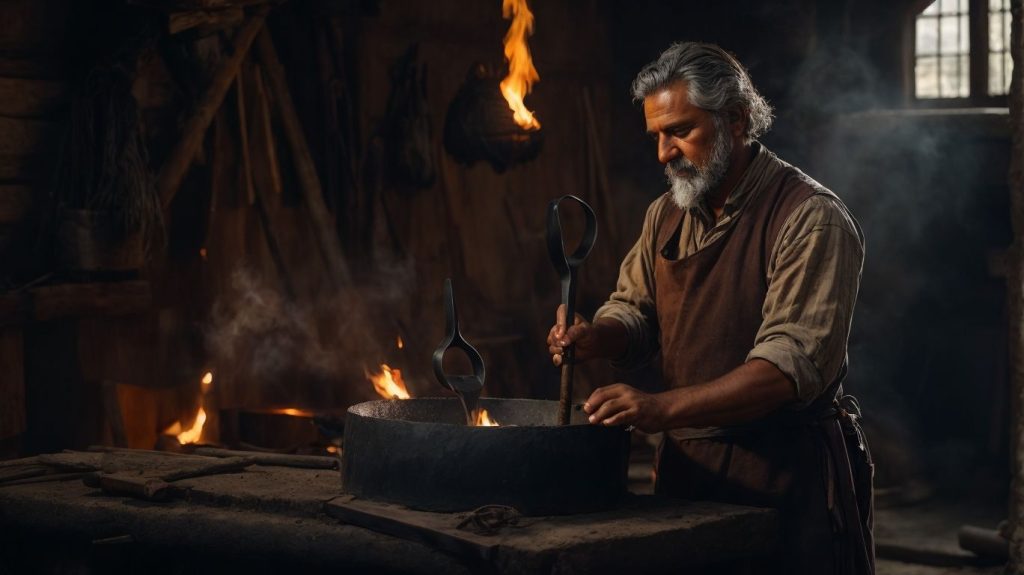
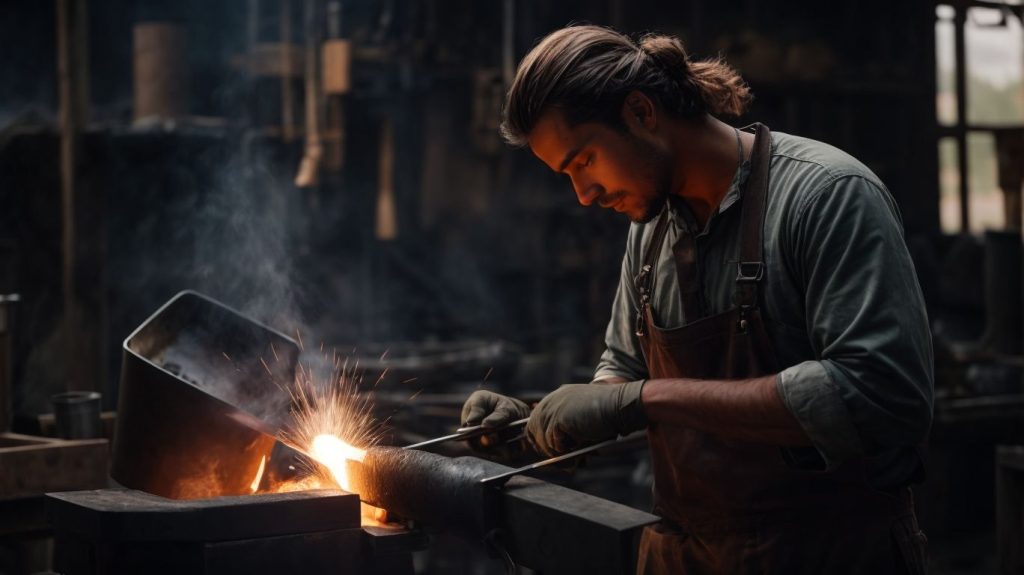
Blacksmith basics encompass the traditional craft of working with heated metal, typically iron or steel, to shape and create functional and decorative items. Essential tools and equipment include a forge for heating, an anvil for shaping, and specialized hammers and tongs. The process involves heating the metal until it’s malleable, followed by shaping, forging, and often welding pieces together for complex structures. Blacksmiths add artistic elements through texturing and finishing. Safety precautions, including protective gear and proper ventilation, are crucial, and the craft, with deep historical roots, remains relevant in modern applications, from traditional items to contemporary art and custom creations, requiring dedication and skill development for mastery.

Sub-category of Blacksmith Basics

Contemporary

Blacksmithing has found a resurgence in modern applications, extending well beyond traditional uses. From crafting high-end cutlery and chef's knives to designing custom architectural elements...

History

Blacksmithing, with its profound historical significance, represents a pivotal craft that has been instrumental in shaping civilizations and technological progress. Rooted in the dawn of...

Introduction

Blacksmithing is a time-honored and enduring craft that involves the transformation of metal, typically iron or steel, into functional and artistic objects. This ancient trade...

Safety

Safety in blacksmithing is of utmost importance to prevent accidents and injuries in the high-temperature, high-impact environment of the forge. Blacksmiths must wear protective gear,...

Forging with Passion: The World of Artisan Blacksmiths

Artisan blacksmithing is a traditional craft that involves the shaping of metal using hand tools and forging techniques. It is a skilled and intricate process that has been passed down through generations and continues to be practiced by passionate blacksmiths around the world. The history of artisan blacksmithing can be traced back to ancient civilizations

Forging with Passion: The World of Artisan Blacksmiths Read More ยป

Iron and Steam: The Role of Blacksmiths in the Industrial Revolution

The Industrial Revolution was a period of significant technological advancements and social changes that took place in Europe and North America in the late 18th and early 19th centuries. It marked a shift from traditional hand production methods to modern machine-based manufacturing processes, leading to the development of industries such as textiles, iron and steel,

Iron and Steam: The Role of Blacksmiths in the Industrial Revolution Read More ยป

Hammering for Fun: Discovering the Joys of Blacksmithing as a Hobby

Blacksmithing is a traditional craft that involves working with metal, mainly iron and steel, to create functional and decorative objects. It is a hobby that has been passed down for generations and is now gaining popularity as a leisure activity. This hands-on and physically demanding hobby requires the use of specialized tools and techniques to

Hammering for Fun: Discovering the Joys of Blacksmithing as a Hobby Read More ยป

Blacksmith history, who was Tubal-cain

Blacksmithing is the traditional practice of shaping metal into useful objects through heating, hammering, and cooling. It is an ancient craft that has evolved over centuries and has played a significant role in shaping human history. The art of blacksmithing has a rich and fascinating history, with stories of skilled craftsmen and legendary figures like

Blacksmith history, who was Tubal-cain Read More ยป

Legendary Blacksmiths Throughout History: Masters of the Forge

Throughout history, blacksmiths have been revered as skilled craftsmen who possess the ability to transform raw metal into functional and decorative items. From ancient times to the modern age, blacksmithing has evolved and continues to hold a prominent position in society. So, who were some legendary blacksmiths throughout history, and what made them stand out?

Legendary Blacksmiths Throughout History: Masters of the Forge Read More ยป

Medieval Guilds and the Birth of Skilled Trades: A Historical Overview

Medieval guilds were organizations that played a significant role in the development of skilled trades during the Middle Ages. These guilds were formed by craftsmen and artisans to regulate their respective trades, protect their interests, and maintain quality standards. The emergence of guilds can be traced back to the 11th century in Europe, and they

Medieval Guilds and the Birth of Skilled Trades: A Historical Overview Read More ยป

→←