
Introduction
Blacksmithing is a craft rich in history and technique. One of the core aspects of this discipline involves various tools, particularly those used for metal punching. These specialized tools play a critical role in shaping and manipulating metal, ultimately allowing artisans to create intricate designs and functional items.
Understanding how to choose the right punch is vital for any metalworker. The diversity of available punches can be overwhelming. Different projects require different techniques and tools. Quality tool selection can make a significant difference in the outcome and ease of the work process. For example, punches are essential in creating holes or indentations, forming the foundation for many blacksmithing techniques.
Blacksmiths not only shape metal for tools and hardware but also create unique musical instruments. During the construction of instruments, precise metal punching helps in achieving the desired sounds and aesthetics. This emphasizes the importance of selecting the appropriate punches for each specific task.
Moreover, Tongs selection is equally important. These tools work in tandem with punches, allowing a metalworker to hold and manipulate material more effectively. Proper use of Fullers, combined with the right punches, can elevate the quality of the finished piece. Attention to detail and the right tool can make the difference between a satisfactory finish and a spectacular one.
In summary, mastering the selection and use of the right punches and tools can enhance both efficiency and creativity in any metalworking project.
Understanding Blacksmith Punches

A blacksmith punch is a tool that creates holes in metal through the technique known as metal punching. It serves a vital purpose in shaping and forming metal pieces, allowing for precise and controlled holes. You could think of a punch as a specialized chisel designed for specific tasks in blacksmithing. Using it correctly can enhance both the quality of work and the efficiency of the process.
Diverse types of punches exist, each crafted for particular functions. For instance, a round punch is commonly used for creating round holes in metal. Then there are square punches designed for making square holes, which can be crucial for fitting various components together. Some punches are even made to create specific shapes, like oval or rectangular designs. Understanding which type to utilize in your project is a key aspect of tool selection.
Examples of Specialized Tools
Among the specialized tools, there are drift punches. These are primarily used to enlarge existing holes, or to align features for better fit when assembling parts. Tapered punches also have a place in a blacksmith’s toolkit. They aid in aligning holes and can help in precisely guiding other tools. Each punch offers a different method in applying blacksmithing techniques effectively.
For tasks involving rivets, a rivet punch comes in handy. This tool helps create a snug fit for rivets and can be vital for heavy-duty applications. Other options include combination punches, which have multiple uses and save space in the workstation. Choosing the right punch not only improves workflow but also affects the end product’s quality.
Learning how to use these punches properly requires practice. It involves positioning the punch correctly, striking it with sufficient force, and ensuring you’re working on the appropriate material. Careful handling prevents damage to both the tool and the workpiece. Mastering different punches can elevate one’s blacksmithing skills significantly.
Types of Blacksmith Punches

When diving into the world of blacksmithing, understanding the types of punches is essential. Various designs serve different purposes, making tool selection crucial for achieving desired results. Let’s explore a few common types.
Round Punches
Round punches are perhaps the most recognized type. These tools create circular holes in the metal, which is particularly handy for various applications. You’ll find them useful for tasks like adding rivets or creating decorative designs. Musically inclined blacksmiths often use round punches in crafting instruments that require specific hole sizes for strings or air passages. The versatility of round punches makes them a staple in many shops.
Square Punches
Square punches serve a different purpose. They create square holes and often find their place in traditional blacksmithing projects. These punches help in making secure fittings or joining pieces of metal together. Moreover, square punches can be found in some musical instruments, where square holes may be necessary for certain components to fit snugly.
Prick Punches
Let’s not forget about prick punches. These specialized tools serve to mark precise locations before starting the actual punching process. By creating small indentation points, they guide further metal punching with great accuracy. This technique is especially useful when working on intricate designs or when alignment is critical in both metalworking and musical instrument crafting.
Choosing the Right Tool
When selecting a punch, consider the specific needs of your project. Not every punch fits every task perfectly. If you need a clean, round hole, reach for a round punch. For a tight-fitting square hole, square punches are the go-to choice. Understanding these differences allows for informed decisions, leading to better outcomes.
Combining Techniques
Don’t hesitate to integrate different blacksmithing techniques. Using a prick punch before employing a round or square punch can enhance accuracy. This combination helps prevent mistakes, especially in complex projects. Each punch has its role, and knowing how to utilize them together makes for a smoother workflow.
Tool Selection Criteria
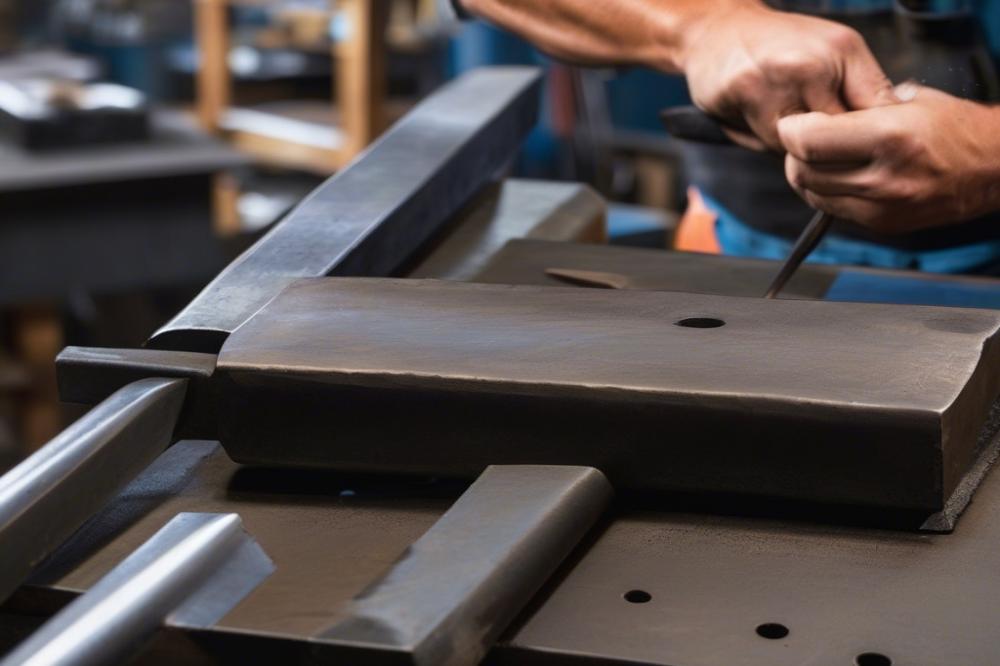
Choosing the right punch for blacksmithing techniques requires attention to several key factors. Size is one of the most important considerations. A punch that is too large or too small can make metal punching difficult and inefficient. Think about the specific tasks you plan to perform. Different styles may work better for various applications, such as creating holes or decorative designs.
Material is another critical factor. Quality steel or high-carbon steel can offer the durability and strength needed for heavy use. Look for tools that can withstand the rigors of the forge. Specialty punches may be required for unique shapes or sizes, so be sure to consider what you might need down the line.
When you’re selecting tools, don’t overlook the importance of ergonomics. A comfortable grip helps reduce fatigue during extended use. Consider how the punch feels in your hand. A well-designed handle can make a big difference, especially when you are working for hours. Lightweight options can also be beneficial, making it easier to work accurately.
Also, pay attention to the design of the punch itself. Some tools come with textured handles for better grip. This addition can really aid when you’re engaging in more intensive metal punching tasks. You might find that not all punches are equally balanced. A well-balanced tool feels more natural while you work.
In addition, consider investing in a few specialized tools. Sometimes, having the right punch specifically made for certain tasks can save time and effort. Researching the various options can provide clarity on what is out there. The variations in punches may surprise you, offering even more choices to fit your blacksmithing style.
Ultimately, personal comfort plays a significant role in tool selection. Always keep your preferences in mind. Only you know what works best for your hands and your style. Selecting the right punch is not just a practical decision; it should also enhance your overall experience as a blacksmith.
Quality and Features to Look for
When selecting a punch for blacksmithing, quality matters. You want a tool that can withstand the rigors of metal punching. Look for materials like high-carbon steel. This type of steel generally offers the right combination of hardness and durability. High hardness means the punch can maintain its edge longer, leading to less frequent sharpening.
Durability is another key feature. A durable punch will resist wear and deformation during use. If a punch bends or breaks easily, it will fail in critical moments. Pay attention to the construction as well. Forged punches often provide greater toughness compared to cast models, making them ideal for serious blacksmithing techniques.
Consider the design of the punch too. A well-designed handle can enhance grip and reduce fatigue during long sessions. Look for features like textured grips or ergonomic shapes that fit comfortably in your hand. Don’t overlook the tip shape either. Different shapes serve different functions, so choose one that aligns with your specific metalworking tasks.
Remember that size matters when it comes to tool selection. Punches come in various sizes. A smaller punch might be ideal for precision work, while a larger one is better for heavier applications. This selection can greatly affect your efficiency and effectiveness in metal punching.
Finally, consider brands known for producing specialized tools. Established brands often have a reputation for quality and performance. They may also offer warranties or support, which can add peace of mind to your purchase. Investing in quality tools will pay dividends in the long run.
Blacksmithing Techniques for Using Punches
Using punches in blacksmithing requires practice and finesse. Effective metal punching is all about technique. First, let’s talk about alignment. Position your punch correctly over the spot where you want to create the hole. This step is crucial; improper alignment can lead to uneven holes or damage to the workpiece.
Next, striking the punch needs careful consideration. Use a hammer that suits the size of the punch. A heavier hammer may work for larger punches, while lighter ones are better for delicate work. Control matters here. Too much force could bend the punch or misalign your work.
As you prepare to strike, focus on the target. Remember to maintain a stable stance. Feet should be shoulder-width apart for balance. You want to be in a position that allows for a powerful yet controlled swing. Swing the hammer with confidence, but do not rush yourself. Timing is key in this process.
After hitting the punch, check your work. Is the hole clean? If not, it might be time to reevaluate your technique or tool selection. Specialized tools might sometimes offer better results. Using the right punch can make all the difference in achieving precision and avoiding frustration.
As always, safety is a priority. Wearing protective gear is not optional. Safety glasses and gloves are essential when working with metal. A well-organized workspace also helps to minimize accidents. Keeping your tools in good shape prevents mishaps, so regular maintenance is critical.
While punches are powerful tools, recognize the risks. Always be aware of your surroundings. If you’re working in a shop, ensure others are safe, too. A minor mistake can lead to serious injuries. Stay focused, and don’t let distractions take away your attention.
In summary, mastering blacksmithing techniques for using punches involves precision, control, and safety. Practicing regularly can build your confidence and skill. With time, you’ll find that metal punching can become a second nature skill.
Maintenance of Punches
Caring for your punches is essential for their longevity and effectiveness. Each time you finish a session of metal punching, take a moment to inspect the tools. Look for signs of wear or damage. A quick glance can save you from future problems.
Cleaning is the first step to proper maintenance. After each use, wipe them down with a rag. Removing any rust or debris helps maintain the quality of the edges. For deeper cleaning, consider using a wire brush. Keep the surface smooth; this prevents buildup that could affect performance.
Sharpening is crucial for effective blacksmithing techniques. A dull punch requires more force, which can lead to tool failure. Invest in a good sharpening stone or file. Angle the tool correctly while sharpening. Regularly honing the edge ensures a clean punch, and your work will reflect that care.
When it comes to storing your specialized tools, organization is key. Find a dedicated space for your punches. Hanging them on hooks is a great option. This prevents them from getting nicked or damaged while resting in a toolbox. Additionally, consider using protective wraps or sheaths to cover the edges when they’re not in use.
Check for any rust regularly. A simple vinegar solution can help remove surface rust. Always dry tools thoroughly after cleaning to avoid future rust issues. Keeping the punches in a dry environment adds to their life span.
Remember, quality tools are an investment. Treat your tools with respect, and practice good maintenance habits. It pays off in the long run. Regular care means fewer replacements and greater efficiency in your craft.
Integrating Punches into Musical Instrument Making
Musical instrument making can be an intricate craft. Using punches in this art form opens up new avenues for creativity. They allow for precise metal punching, ensuring accuracy in various components. It’s fascinating how the right tool selection can lead to significant improvements in the design process.
Take the guitar, for example. When crafting its body, specific punches help create sound holes. A circular punch can make perfectly even holes. This technique directly affects the instrument’s acoustic harmony. Careful manipulation of the metal also contributes to resonance.
Next, consider how punches aid in crafting percussion instruments. Drummers often rely on precisely shaped cymbals. Special tools are used to shape and refine their edges. This process can enhance the sound quality and tonal characteristics. By experimenting with different thicknesses and shapes, makers can achieve an exceptional range of tones.
When it comes to brass instruments, the techniques vary slightly. In this case, a punch delivers intricate patterns that serve both aesthetic and functional purposes. These patterns contribute to the overall pitch and timbre. After punching, the metal can be bent and shaped into the desired form, resulting in an instrument that’s visually striking and musically rich.
Harmonica makers frequently use similar strategies. First, a punch can create slots for reeds. Accurate placement is crucial for the instrument’s playability. Moreover, achieving a tight seal is essential; it directly impacts sound production. Each slot must be identical, as slight differences can lead to uneven sound quality.
Every approach to using these tools requires practice and skill. As makers become familiar with blacksmithing techniques, they learn to modify punches to suit their needs. It’s about adapting to create the right profile for each instrument. This personalized adjustment ultimately enhances the overall craftsmanship.
In summary, integrating these tools into instrument crafting is beneficial. A combination of artistry and technical know-how can lead to breathtaking results. Each punch creates an opportunity to explore new sounds and designs. Craftsmanship in musical instruments showcases the beauty of metalwork intertwined with artistic expression.
Wrapping Up Your Blacksmithing Journey
Selecting the right tools and understanding their proper use are vital steps in any blacksmithing project. Choosing your punches carefully can make a significant difference in both the quality of your work and the ease with which you create. Each project brings its own challenges, and having the appropriate tools at hand allows you to navigate those challenges more effectively.
Experimentation is key. Don’t hesitate to try out different punches and techniques. Each smith has their own style, shaped by practice and personal taste. You may find that a specific punch leads to an unexpected and wonderful outcome. Every time you work, aim to refine your techniques. Learn from the successes and from the mistakes as well.
Remember to consider Tool maintenance, too. Keeping your tools in good shape contributes to their longevity and effectiveness. Dull punches can slow you down and affect your precision. Regularly checking and maintaining your Hardy tools will pay off in the long run.
Take pride in your progress. With patience and practice, you’ll develop your skills and confidence. Blacksmithing is a journey, full of opportunities for growth and creativity. Embrace the process and enjoy every moment spent at the forge. Your craftsmanship will evolve, and the results might even surprise you!

