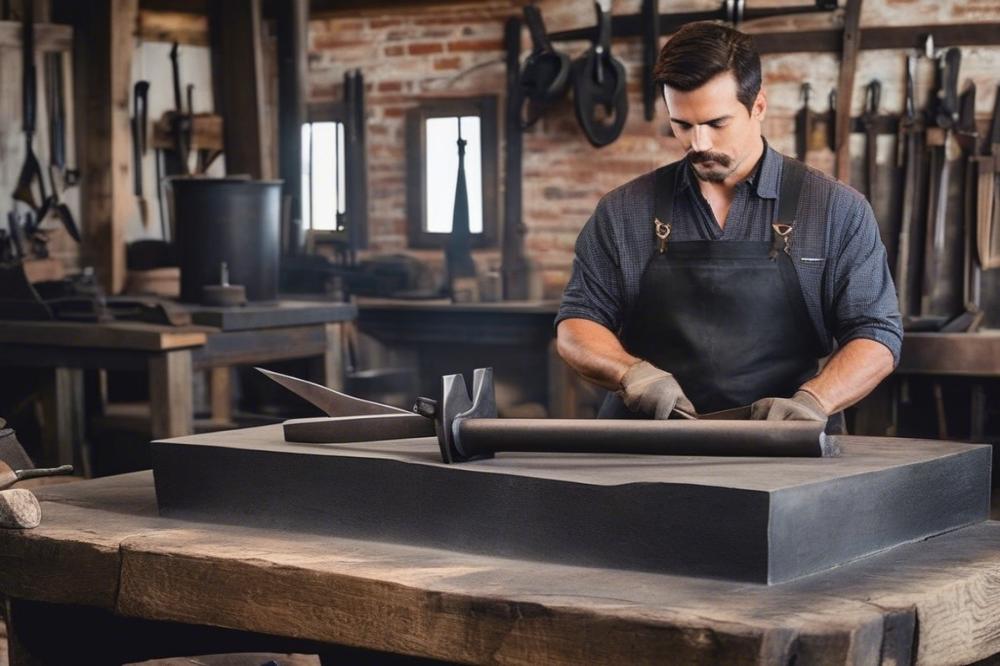
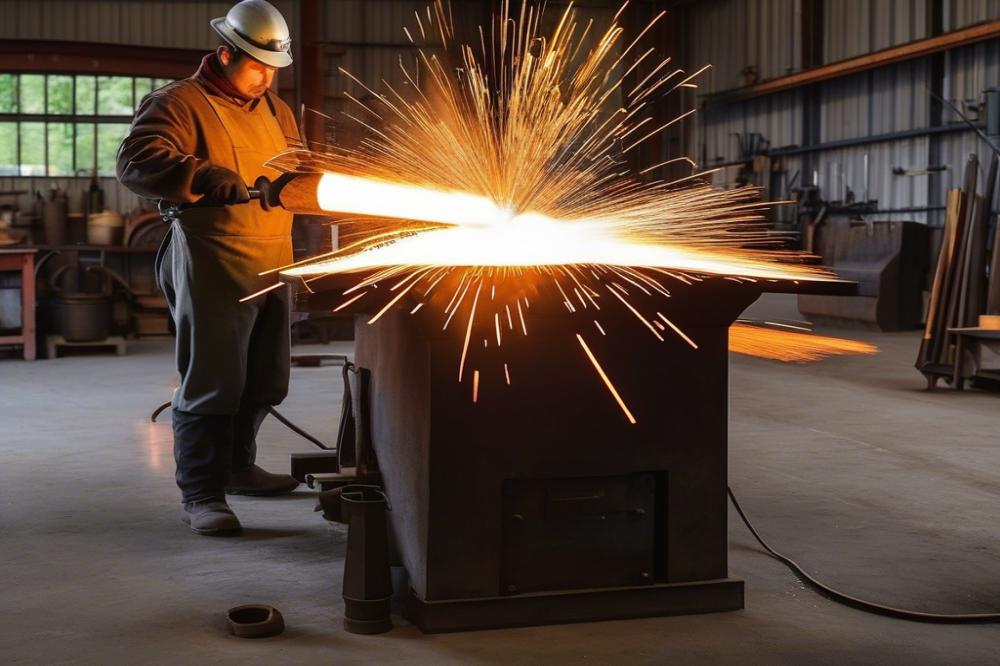
blacksmithing at The National School of blacksmithing in Herefordshire
Blacksmithing is an ancient craft that has shaped societies throughout history. It involves transforming raw metal into practical items and artistic creations through the use of heat and skilled forging techniques. In a world dominated by modern technology, the significance of this traditional trade remains strong. Blacksmithing reflects not only craftsmanship but also the rich cultural heritage of metalworking.
Nestled in the picturesque countryside of Herefordshire, the National School of Blacksmithing stands out as a beacon for those eager to learn this time-honored art. The school provides an enriching environment for aspiring artisans, offering a unique combination of theory and practice. Students are exposed to a variety of historic techniques, allowing them to appreciate the evolution of blacksmithing while shaping their own creative paths.
Courses at the National School are essential for promoting artisan skills across the UK. They cater to everyone, from hobbyists to professional smiths looking to refine their abilities. Hands-on workshops empower learners to craft their own pieces, whether they are functional or purely artistic. Engaging with these programs helps to sustain traditional trades and encourages a new generation to embrace this fascinating craft. In a world where many skills are fading, blacksmith training at this institution is an opportunity not to be missed.
The Legacy of Blacksmithing

In Herefordshire, the history of blacksmithing runs deep. This region served as a hub for metalworking for centuries. Local artisans forged tools, horseshoes, and decorative items, shaping the community’s economy and culture. Blacksmith training has been part of the artisan tradition here since medieval times. Historical techniques were passed down through generations, creating a rich tapestry of craftsmanship.
Traditional trades have greatly influenced local culture in Herefordshire. Each piece created by hand tells a story. Skills like forging and shaping metal highlight the importance of craftsmanship in everyday life. Local artisans often collaborate to promote their shared heritage. Markets and festivals celebrate these crafts, keeping the history alive.
More than just a craft, blacksmithing represents community heritage. It brings people together through hands-on workshops and creative metal art classes. Families often attend these workshops, fostering a sense of pride in their local history. Learning about forging techniques allows participants to connect with their ancestors’ ways of life. This connection keeps the legacy vibrant and relevant in today’s society.
At The National School of Blacksmithing, students explore these ancient methods of creating. Programs focus not only on technical skills but also on the cultural significance of metalworking. By teaching both traditional and modern techniques, the school aims to nurture the next generation of craftsmen. Graduates leave with an appreciation for their craft and the history behind it.
Community and tradition are intertwined. The stories of blacksmiths and their craft resonate in the story of Herefordshire itself. As artisans continue to innovate while respecting historical methods, the spirit of this ancient trade lives on.
Overview of The National School of Blacksmithing

History and Establishment of the School
The National School of Blacksmithing in Herefordshire was founded with a clear purpose: to revive traditional trades and support artisan skills. Established in the early 2000s, the school aimed to provide professional training for aspiring blacksmiths. It stands as a response to the dwindling interest in metalworking and the need for skilled craftsmen. Historical techniques form the backbone of its curriculum. Many students come from various backgrounds, eager to learn the art of forging.
Mission and Vision of the Institution
The mission centers on preserving and promoting blacksmith training as an essential craft. The vision includes creating a vibrant community of skilled artisans who appreciate both the heritage and the future of metalwork. Students are encouraged to develop not only their technical prowess but also their individual creativity. Emphasis lies on blending traditional methods with contemporary design. Empowering learners with knowledge paves the way for innovative approaches to creative metal art.
Facilities and Infrastructure Available for Training
The school boasts state-of-the-art facilities, perfect for both beginners and advanced students. Equipped workshops allow hands-on workshops for students to practice their skills safely. Each area is designed to foster an engaging learning atmosphere. Tools and equipment include anvils, hammers, and forges, enabling students to explore various techniques. The classrooms are spacious, encouraging collaborative projects and discussions. Additionally, there is a gallery showcasing works by students and alumni, emphasizing the art within metalworking. Programs are tailored to fit diverse learning needs, ensuring all can find their path in this remarkable craft.
Curriculum Offered
The National School of Blacksmithing in Herefordshire provides a comprehensive blend of traditional and contemporary training programs. Students can expect a well-rounded education that emphasizes metalworking and craftsmanship. Various courses focus on hands-on workshops where learners practice the art of forging.
Training here is not just about making items; it delves into the finer details of artisan skills. Each program incorporates historical techniques that connect the past with the present. This connection enriches the learning experience, allowing students to appreciate the roots of their craft.
Participants in blacksmith training engage with methods that have stood the test of time. They learn how to manipulate metal to create functional pieces as well as creative metal art. Balancing practical skills with artistic expression is a key aspect of the curriculum.
Experienced instructors guide students through each session, providing insights into various facets of traditional trades. Robust discussions about techniques and applications spark curiosity among learners. The atmosphere encourages experimentation and skill refinement.
Courses are designed to challenge participants while fostering creativity. As students become proficient in their skills, they also create a portfolio showcasing their work. It serves as a testament to their journey and growth in the field of metalworking.
Types of Blacksmithing Courses
The National School of Blacksmithing in Herefordshire offers a diverse range of courses suited for everyone, from total beginners to advanced artisans. Those just starting their journey can explore basic forging methods. This foundational training provides insight into metalworking and introduces essential techniques of the trade.
Advanced courses challenge students to refine their craftsmanship. Participants can learn complex techniques and delve deeper into the art of shaping metal. Hands-on workshops are an integral part of the curriculum. These workshops place emphasis on practical training, allowing students to apply learned skills directly in a supportive environment.
An exciting aspect of the program is the option to engage in special courses focused on creative metal art and design. These classes encourage students to express their artistic vision while mastering historical techniques. Participants can create functional items or purely decorative pieces, exploring the blend of utility and aesthetics in their work.
As students progress through their blacksmith training, they develop a profound appreciation for traditional trades. The combination of rigorous practice and artistic exploration nurtures both skill and creativity. Each course is designed to unlock the potential within every student, promoting the development of artisan skills unique to the craft.
The Artisan Skills Emphasized
Craftsmanship plays a crucial role in blacksmith training at The National School of Blacksmithing in Herefordshire. This ancient art requires a deep respect for materials and techniques. Without such attention, the beauty of metalworking can easily go unnoticed. Students learn to appreciate every piece they create, whether it serves a practical function or adds artistic flair to a space.
Immersive learning experiences are vital. Hands-on workshops allow learners to practice various historical techniques passed down through generations. Each session offers a chance to grow and refine one’s skills. Here, students can fully engage with their craft, developing artisan skills that last a lifetime. The connection made with both materials and methods fosters a strong sense of pride.
Creating both functional and artistic pieces is a highlight. Forging tools, creating decorative elements, or designing imaginative sculptures are part of the curriculum. The blend of creativity and solid technique encourages innovation. Additionally, it pushes students to think beyond typical boundaries in traditional trades. This freedom often leads to unique creations that tell a story.
Encouragement from experienced instructors enhances the learning atmosphere. They share their knowledge, guiding students through complex processes. Feedback from these mentors is invaluable. It helps in shaping their skills, ensuring a solid foundation for future projects. The combination of tradition and modern approaches makes the learning experience remarkable.
Ultimately, the program aims to produce well-rounded artisans. Graduates leave with a robust set of skills ready for both personal projects and professional opportunities. The commitment to craftsmanship shines through every piece they produce, reflecting the values instilled during their training. Engaging with this field opens doors to countless possibilities in the art of metal.
Expert Instructors and Their Importance
The National School of Blacksmithing in Herefordshire boasts a talented team of instructors. Each educator brings a wealth of experience and knowledge to the school. Among them is John Smith, an artisan renowned for his expertise in historical techniques. He has spent over 20 years refining his craft and teaching aspiring blacksmiths. His passion for metalworking inspires many students to pursue their artistic visions.
Another notable instructor, Sarah Jones, specializes in creative metal art. Her approach blends traditional trades with modern concepts, encouraging students to think outside the box. Under her guidance, participants develop their artistic flair while learning fundamental forging skills. Sarah’s mentoring style focuses on hands-on workshops, where students can practice techniques immediately.
Many workshops at the school are designed to cater to various skill levels. Instructors work closely with each student, providing personalized feedback. Their mentorship goes beyond mere instruction; it fosters a supportive environment. Students often mention how vital this guidance is to their development in artisan skills.
Additionally, the instructors at this institution actively contribute to the larger blacksmithing community. They participate in demonstrations and exhibitions, showcasing their work and the skills taught at the school. This involvement not only highlights the craftsmanship emerging from Herefordshire but also emphasizes the value of preserving these traditional trades.
Through teamwork and collaboration, the instructors ensure a rich learning experience. Their diverse backgrounds and specialties add depth to the curriculum. For many, this training provides a launchpad into a fulfilling career in metalworking. The emphasis on practical skills prepares students for real-world challenges. Each lesson is crafted to build confidence and capability.
Benefits of Blacksmithing Education
A great opportunity awaits those who pursue blacksmith training at The National School of Blacksmithing in Herefordshire. Career paths abound in both traditional trades and modern industries. Skilled metalworkers are in high demand, not just for crafting tools and horseshoes, but also for creating artistic pieces and custom metalwork. Learning historical techniques can open doors in various sectors, from construction to fine arts.
Forging isn’t just about shaping metal; it’s an avenue for personal growth. Each hands-on workshop provides students with a chance to develop artisan skills, leading to both technical proficiency and creative expression. Craftsmanship is a deeply satisfying pursuit. Many find joy in watching raw materials transform into works of art through dedication and practice.
Joining the community at the National School cultivates connections among those who appreciate metal art. A shared passion for the craft fosters lasting friendships among students and instructors alike. Collaborating with fellow craftsmen enhances learning experiences and encourages innovation. The environment is supportive, allowing newcomers to gain confidence while developing their skills.
Classes are designed to cater to different skill levels, from beginners to experienced artisans. Engaging with peers sparks inspiration. The exchange of ideas creates a lively atmosphere where everyone thrives. Blacksmith education equips students with practical knowledge and a network of like-minded individuals. Together, they contribute to a growing movement of metal artisans.
Alumni Success Stories
The National School of Blacksmithing in Herefordshire has produced an impressive array of talented graduates. Many past students have found their niche in various fields that celebrate craftsmanship and artistry. With skills honed through hands-on workshops, they engage deeply in the world of metalworking.
One notable alumnus, Sarah Thompson, opened her own creative metal art studio. After completing her blacksmith training, she felt empowered to explore new ideas. “The courses equipped me with historical techniques that I use every day,” she shares. The blend of tradition and modern creativity shapes her work, making it sought after in local galleries.
Another success story features James Carter, a blacksmith who specializes in custom forging. He serves a diverse clientele, from residential projects to larger public installations. James reflects on his time at school, noting, “Learning from experienced artisans taught me invaluable trade skills.” His ability to apply that knowledge has set him apart in a competitive industry.
Several graduates venture into teaching as well. They pass on their knowledge to others eager to learn the traditional trades. Many have begun their own workshops to inspire the next generation. Amy Simpson, a passionate educator, emphasizes, “The impact of my training was profound. I wanted to share that experience.”
The stories from these alumni highlight the potential for a fulfilling career after completing studies in Herefordshire. Each journey showcases how they blend artisan skills with personal passion. From starting businesses to teaching, their paths remain connected by the foundation built during their blacksmith training.
Many students treasure their time at The National School of Blacksmithing. Learning practical skills amid a rich community is a highlight for many. This environment nurtures creativity and fosters a deep appreciation for metalworking. When alumni speak, they express gratitude for how their training shaped their lives.
Final Thoughts on Blacksmithing Education in Herefordshire
Blacksmithing holds a significant place in Herefordshire’s history and culture. The meticulous craft shapes materials into functional and artistic pieces. Education in this field provides an avenue for both tradition and innovation. Through courses offered at The National School of Blacksmithing, students gain essential skills that bridge the past with modern practices.
Those interested in exploring their creative potential should consider enrolling in a course. Hands-on learning in a supportive environment allows individuals to refine their techniques. Moreover, the school fosters a sense of community among students and instructors alike. This camaraderie helps to elevate personal growth and a deeper understanding of metalworking.
Looking ahead, the future of this craft remains bright. In an era where craftsmanship is often overshadowed by mass production, the demand for authentic, handmade work continues to rise. Artists and makers embrace the artistry involved in smithing, showcasing its importance in contemporary design. As more individuals pursue this timeless skill, blacksmithing’s relevance will undoubtedly endure. Embracing this unique tradition opens doors to endless possibilities in both creativity and craftsmanship.