
Introduction
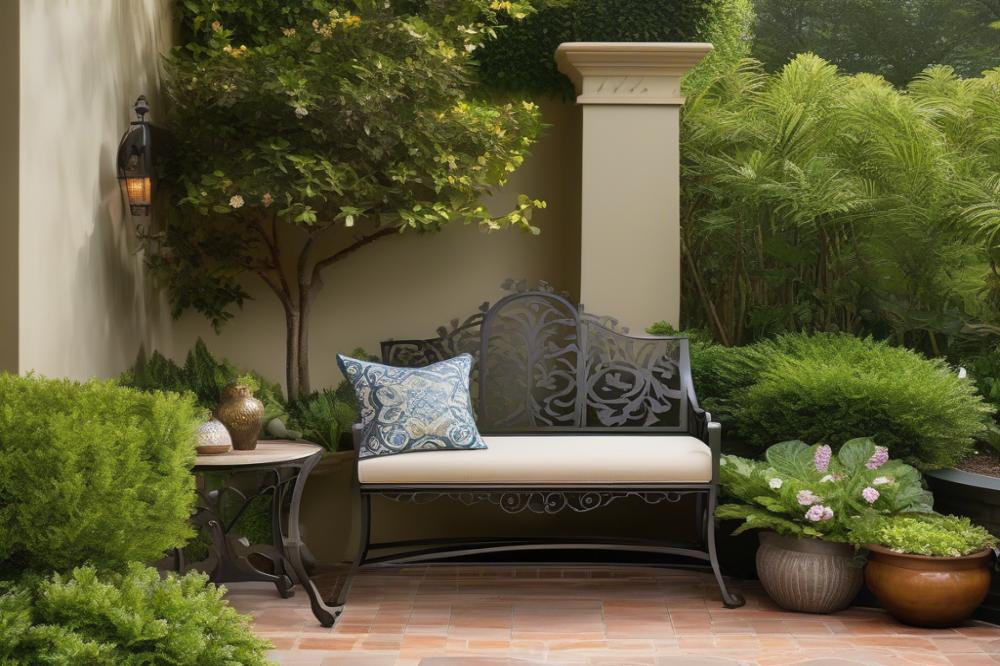
custom outdoor furniture plays a vital role in enhancing outdoor living spaces. Having distinctive pieces can transform a plain garden or patio into a cozy retreat. Quality furniture not only serves practical purposes but also contributes to the overall ambiance, making gatherings with family and friends more inviting.
Metalworking, especially blacksmithing, is a powerful tool in creating exceptional designs. This ancient craft allows artisans to manipulate metal into beautiful forms. Wrought iron, for instance, can be shaped into elaborate patterns or sturdy structures, providing both durability and style. Through blacksmithing, a range of metal furniture can be created, from simple chairs to intricate tables, each piece telling its own story.
Craftsmanship is at the heart of outdoor design. Each project is an opportunity to express personal tastes and preferences. DIY projects offer individuals a chance to engage with the creation process, fostering a deeper connection with the furniture they use. Rustic furniture made from metal can add a charming touch to any garden decor, bridging the gap between function and aesthetics.
Custom designs allow for flexibility in style and dimensions. This means that the furniture can be tailored to fit specific spaces perfectly. By choosing materials and finishes, owners can pick what resonates most with their vision. In this way, blacksmithing is not just about metalwork; it’s about crafting pieces that blend seamlessly into outdoor environments.
Understanding Blacksmithing
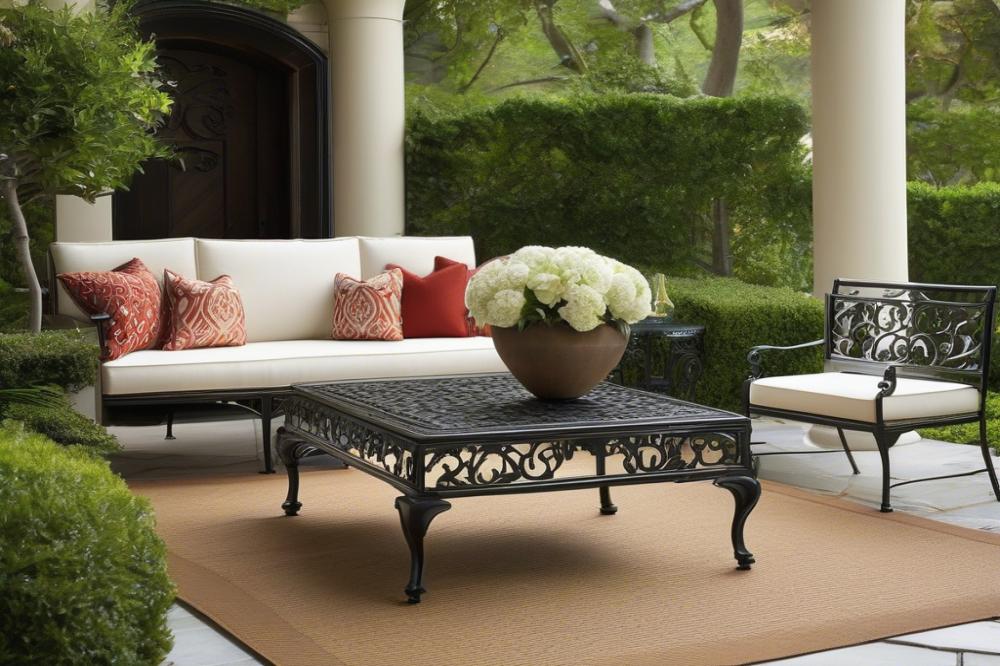
Blacksmithing serves as both an art form and a craft. It has ancient roots that stretch back thousands of years. Forging metal into shapes adds beauty and functionality to our spaces. As people seek to personalize their outdoor living areas, custom designs become increasingly popular. Creating metal furniture allows you to blend creativity with utility.
Tools and Techniques
A variety of tools is essential for effective blacksmithing. Hammers, anvils, and tongs make up the basic toolkit. Hammers help shape the metal, while anvils provide a sturdy surface for forging. Different types of tongs allow the smith to hold hot metal safely. Alongside tools, techniques play a crucial role in forming pieces. Hammering, twisting, and bending are standard methods used to create garden decor or rustic furniture.
Heat is critical in this craft. Heating the metal until it glows red makes shaping easier. A forge provides this intensity, whether powered by coal, gas, or propane. Cooling the metal, often done in water, hardens the structure. The meticulous process requires patience and skill. Each piece you create tells a story through its craftsmanship.
Importance of Learning Metalworking Fundamentals
Grasping the basics of metalworking is vital for any aspiring blacksmith. Thorough knowledge helps avoid common mistakes and ensures safety. Understanding how different metals behave is equally important. For instance, wrought iron has unique properties that make it suitable for outdoor design.
Engaging in DIY projects allows you to experiment. Having a solid foundation fosters confidence in your abilities. Once you master the fundamentals, you can explore more complicated techniques. custom outdoor furniture becomes easier to produce with practice. People often find joy in creating items that enhance their living spaces.
In conclusion, blacksmithing bridges functionality with artistry. Every tool and technique plays a significant role in the journey. Whether you’re making functional pieces or stunning decor, the skills you acquire are invaluable.
Designing Your Custom Outdoor Furniture
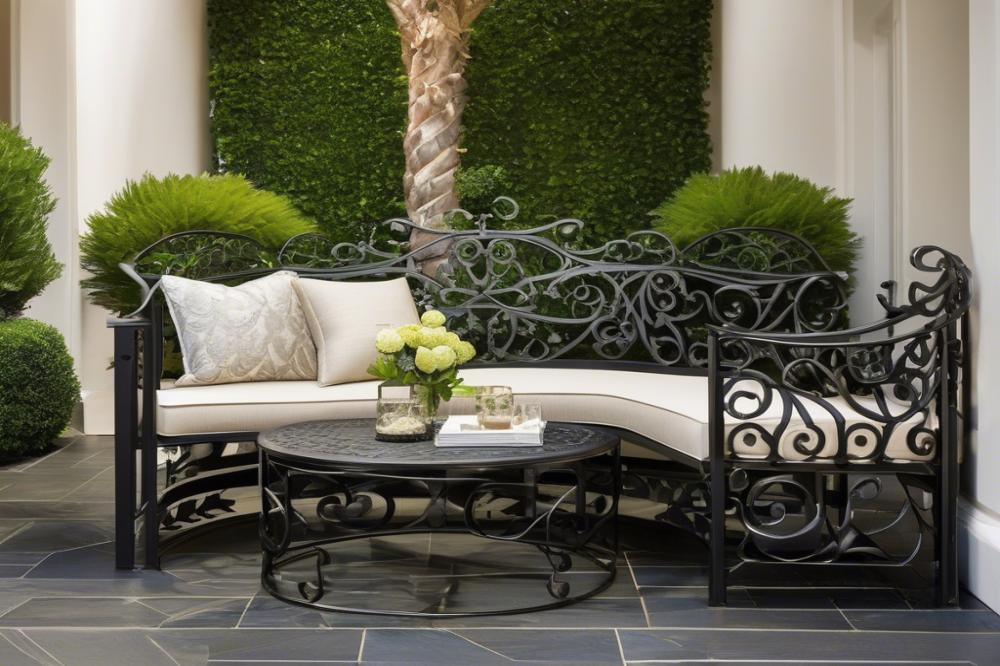
Creating stunning outdoor pieces begins with finding the right inspiration. Nature itself offers countless ideas for outdoor design. Consider how trees, flowers, and even urban parks shape your vision. Explore popular websites, magazines, or social media platforms like Pinterest for fresh concepts. Don’t forget to visit local parks to see what others have crafted. Viewing examples of metal furniture provides a deeper understanding of what appeals to you.
After gathering inspiration, sketching is essential. Drafting your ideas helps bring them to life. Grab some paper and pencils, and begin outlining your thoughts. It’s useful to create several variations of a single piece. Pay attention to dimensions and proportions as you design. Revisit your drawings to refine your vision further. Plan carefully, as metalworking demands precision for every cut and weld.
Balancing Aesthetics and Functionality in Your Designs
While aesthetics catch the eye, functionality keeps people coming back. An inviting layout makes outdoor living enjoyable. Rustic furniture can serve as both art and utility. Think about how your designs will fit into your garden decor. Will the tables be sturdy enough for family gatherings? Consider features like weather resistance and comfort during your planning stage.
Craftsmanship plays a vital role in your project’s success. High-quality construction will help pieces withstand the elements. When using wrought iron, be mindful of its weight, as it offers durability but can be challenging to move. Make sure to incorporate elements that reflect your personal style, transforming practical items into conversation starters. Every detail counts when it comes to making your ideas real.
Choosing Materials for Your Projects
When creating your outdoor furniture, the choice of materials can make a huge difference. Various metals provide different benefits and aesthetics. Steel and aluminum are common, but wrought iron stands out for many reasons. It not only offers impressive strength but also adds character to your projects.
Wrought iron has been a favorite in outdoor design for centuries. Its durability makes it an ideal option for metal furniture exposed to the elements. Rain and sun won’t easily tarnish its beauty. This material brings a touch of rustic charm that fits beautifully in any garden decor. Designs can range from elegant to robust, allowing for countless custom designs.
Additionally, iron’s heavy weight adds stability, ensuring your furniture stays put even in windy conditions. The craftsmanship involved in working with wrought iron carries significance. Soldering and shaping this metal requires skill, but the results can be stunning. Imagine a handcrafted table made to blend with your outdoor living space. The uniqueness of each piece becomes a testament to the artist’s abilities.
When selecting finishes and treatments, think about both style and longevity. Powder coating is a popular choice, providing a protective layer that resists scratches and fading. It also offers a variety of colors to match your vision. Alternatively, you might explore oil-based treatments, which enhance the natural look while protecting the metal. Think of these options as your way of personalizing your rustic furniture.
In DIY projects, preparing the metal properly is crucial. Cleaning and priming the surface prevents rust and extends the life of your creations. When your furniture is ready for the finish, you’ll feel proud of your hard work. Choosing the right materials and treatments will create pieces that not only serve a functional purpose but also add beauty to your outdoor space.
Essential Blacksmithing Techniques for Furniture Making
Creating custom outdoor furniture requires a few essential blacksmithing techniques. Mastering forging is key. This technique involves heating metal until it’s malleable and then shaping it with tools. Use a forge to reach the necessary temperatures; it’s the heart of blacksmithing. Forging allows for robust designs that can withstand the elements, making it ideal for outdoor design.
Welding and Bending
Welding is another crucial skill. It’s how different pieces of metal come together to form sturdy structures. A beginner should practice different welding methods. Tack welding can help connect parts together temporarily, but a full weld provides strength. Bending is often used to create curves and shapes in metal furniture. Use a hammer and anvil to achieve desired angles. Both bending and welding help define the style of your creations.
Working with Decorative Patterns
Adding decorative patterns in metal can really enhance garden decor. Design can make your furniture stand out. You might use chiseling or etching to add details. For a rustic furniture look, consider simple, flowing lines. Patterns should complement the overall design of your piece. Each detail contributes to the final aesthetic, giving your work character.
Precision in Craftsmanship
Precision is vital, especially in metalworking. Small mistakes can lead to larger problems down the road. Use measuring tools frequently as you work. When cutting or shaping, be careful to follow your plans closely. Practice makes perfect, so take your time. Proper alignment during welding can also make a big difference. It’s not just about strength; it’s about beauty, too.
Step-by-Step Process for Building Custom Outdoor Furniture
Gathering Tools and Materials Needed for Your Project
Before starting, gather all the necessary tools. A forge is essential for heating metal. You’ll also need an anvil for shaping, as well as tongs to handle hot pieces safely. A hammer and various chisels will help refine your designs. Don’t forget protective gear: gloves, goggles, and an apron are necessary to guard against heat and debris. For materials, consider wrought iron or steel. These options provide durability and rust resistance. Choose quality metal stock based on your project. For a bench or table, look for thick bars that can bear weight. Additional items like wood can be added for seats or tabletops, enhancing the rustic design.
Detailed Step-by-Step Instructions for a Bench
Begin your project by sketching plans for the bench. Design the legs, the seat, and any decorative elements. Cut the metal bars to your desired lengths. Prepare the forge by heating the metal until it reaches a glowing red color. Use tongs to lift it from the forge and place it on the anvil. Hammer the metal to create curves or angles as per your design. Shape each leg first. After that, move to the seat support. Ensure all parts fit together properly before final assembly. Next, weld the components, focusing on joints for strength. Grind any sharp edges smooth for safety. Optionally, you may choose to add a wood seat for comfort. Sand the wood down and treat it with weather-resistant finishes.
Safety Precautions While Working with Hot Metal and Tools
Working with metal necessitates caution. Always wear protective gear to shield yourself from sparks and heat. Ensure your workspace is well-ventilated. Hot metal can release fumes, which are harmful if inhaled. Keep a fire extinguisher nearby just in case. Never leave tools unattended, especially when working on heat-producing equipment. Understand the basics of first aid in case of minor injuries. If you feel fatigued or dizzy, take a break. Safety should be your first priority. Respect the equipment and materials to avoid accidents.
Finishing Touches and Personalization
Creating custom outdoor furniture means paying attention to the details. Surface treatments can protect metal furniture from weather damage, ensuring longevity. Options like powder coating provide a durable finish. Also, consider using rust-resistant paints for wrought iron pieces that will remain outdoors.
Adding decorative elements can elevate your designs. Think about integrating patterns or textures that reflect your style. You might choose to incorporate glass or wood accents, creating contrast with the metal. Small features like decorative screws or unique welding patterns can make a significant difference. Craftsmanship shines through when you add personal touches.
Rustic furniture aesthetics work well in outdoor design. This approach creates an inviting atmosphere for outdoor living spaces. Use aged finishes or distressed looks to enhance the visual charm of your creations. Consider incorporating elements from nature, such as branch shapes or leaf motifs. Such details can connect your metalworking projects to the garden decor around them.
When embarking on DIY projects, personalization is key. Think about the purpose of each piece. A sturdy bench might need a more industrial look, while a table could use softer, more flowing lines. Always remember that each design should reflect both your artistic vision and functionality.
Look for inspiration in various styles. Blend traditional craftsmanship with modern flair. Mixing different materials adds character to your creations. Experiment with colors that match or contrast with your outdoor setting. Your final piece should resonate with the surroundings, making it a perfect fit.
Finishing touches can truly transform any project. Whether it’s a special stain or an unusual paint color, every detail matters. Take the time to visualize how your custom designs will blend into outdoor spaces. In doing so, you’ll craft pieces that are not only functional but also artful additions to your garden.
Showcasing Your Creations in Outdoor Spaces
Ideas for Integrating Custom Outdoor Furniture into Garden Decor
Creating a beautiful garden involves thoughtful placement of metal furniture. Consider using wrought iron benches as focal points. Pair these pieces with colorful flower beds for a striking contrast. Small tables made from metal can serve as perfect spots for drinks or books. Adding sturdy planters can enhance your outdoor design. They also align well with rustic furniture themes. Think of unique sculptures or trellises that complement your creations. Such additions can make your yard feel finished and inviting.
Setting Up an Outdoor Living Area with Your Metal Pieces
Designing a functional outdoor living space can be rewarding. Start by defining an area for relaxation and entertaining. Use your metalworking skills to create a cozy seating arrangement. Placing chairs around a fire pit can bring warmth to cool evenings. A dining table made of high-quality metal allows for outdoor dinners. Hanging lights above the seating can add charm and visibility at night. Don’t forget to include shade options like canopies or umbrellas for sunny days. These enhancements support comfortable outdoor living.
Promoting Your Work: Sharing DIY Projects with the Community
Getting involved in the community can showcase your craftsmanship. Hosting workshops can highlight your skills in metalworking. Share projects through social media for a wider reach. Photos of your creations in well-decorated gardens can attract interest. Local craft fairs offer opportunities to display your work. Think about collaborating with local businesses to host a pop-up shop. Offering DIY kits for small projects can engage those interested. These connections foster a shared love for outdoor design and creativity.
Final Thoughts: Embrace Your Craft
Creating custom outdoor furniture can bring immense joy and satisfaction. Few things compare to the feeling of turning raw materials into a beautiful, functional piece for your yard or patio. Every item holds stories of determination and creativity, and these elements breathe life into outdoor spaces.
Diving into blacksmithing, you embark on a personal journey filled with opportunities for learning. This craft invites you to explore your artistic side while developing practical skills. With patience and practice, one can master the techniques needed to shape metal and design furniture that truly reflects personal style.
Handcrafted pieces offer advantages that mass-produced items simply cannot match. Imagine the pride in showcasing furniture that stands out in outdoor design. These one-of-a-kind creations serve as conversation starters, sparking interest and admiration from guests. They make any environment feel more inviting and cohesive.
So, why not take the plunge? Gather your tools, tap into your creativity, and start crafting. The experience of creating metal furniture is both rewarding and fulfilling. Embrace the challenge, and watch as your outdoor spaces transform into something truly special. Your journey awaits!

