

Introduction
Blacksmithing is both an art and a science, requiring the right tools to shape metal effectively. Among these tools, hammers play a crucial role. They provide the striking power necessary for shaping hot steel and other metals. Selecting the right hammer is essential for successful forging.
For precision blacksmithing, the weight distribution of a hammer significantly impacts control and technique. A well-balanced tool allows for better accuracy, which is vital when making intricate designs or detailed work. Various hammer materials can also affect performance. Steel is a popular choice, providing durability and strength.
The design of the hammer must accommodate different forging techniques. Certain hammer styles lend themselves to specific tasks. For example, some are suited for drawing out metal, while others excel at tapering. Each task may require a different approach to ensure optimal results.
Aside from the tool’s purpose, comfort is equally important. An ergonomic design can make a significant difference during long hours at the forge. Craftsmanship tools should feel good in hand, promoting effective use without causing strain. Lastly, consider anvil compatibility. A hammer’s effectiveness can be diminished if it doesn’t complement the anvil being used. Choosing blacksmithing hammers with care will ultimately enhance your forging experience, marrying precision and power in every strike.
Understanding blacksmithing hammers
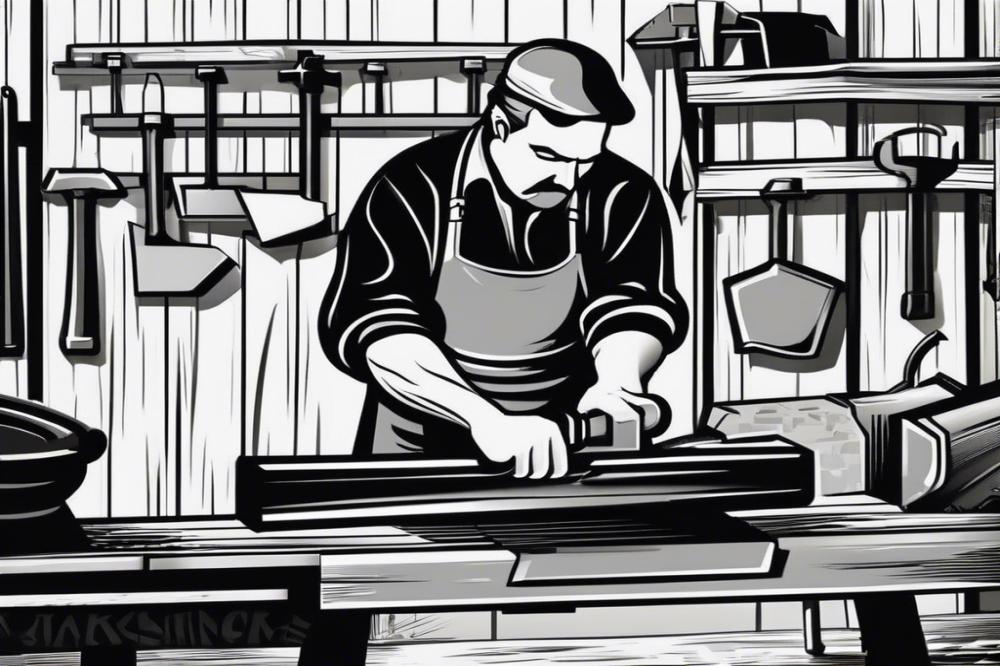
Blacksmithing hammers serve a critical role in shaping metal. These tools deliver the necessary force to create intricate designs and strong structures. They come in various forms, each designed for specific tasks. Choosing the right hammer means understanding its purpose.
Definition and Purpose
The primary function of a hammer in blacksmithing is to manipulate heated metal. Striking a piece of metal on an anvil alters its shape. The right hammer increases efficiency when performing different forging techniques. Metalworkers rely on these tools to achieve precise results while working on various projects.
Types of Hammers Commonly Used
Several types of hammers stand out in the blacksmithing world. forging hammers are among the most common. They come in different weights, impacting how easily one can forge. The weight distribution affects the swinging speed and striking power. Such factors can determine the success of a blacksmith’s work.
Cross-peen hammers, another popular variety, feature a flat side for broader contact and a tapered side for more defined striking. Such a design provides versatility when shaping metal. Sledge hammers, larger and heavier, excel in driving tools or moving heavy pieces. Finally, claw hammers, while more common in carpentry, can also help in specific blacksmithing tasks.
Overview of Hammer Styles
Different hammer styles cater to various needs in the craft. Some hammers exhibit an ergonomic design, reducing hand fatigue during long hours of work. A well-balanced tool improves control and precision. Tool balance aids in delivering accurate strikes without excessive strain on the user’s body.
Several hammer materials contribute to the overall effectiveness. Steel is commonly used for its durability and strength. Also, the hardness of the hammer’s striking surface can influence results, making it essential for specific applications. Overall, the craftsmanship behind each hammer style directly impacts the blacksmith’s ability to work with metal.
Anvil compatibility is another crucial consideration. The chosen hammer should align with the size and type of the anvil. Matching these tools enhances efficiency, allowing for better results in every project. Selecting the right hammer ultimately combines skill and equipment for excellent outcomes in blacksmithing.
Key Features of Effective Blacksmithing Hammers
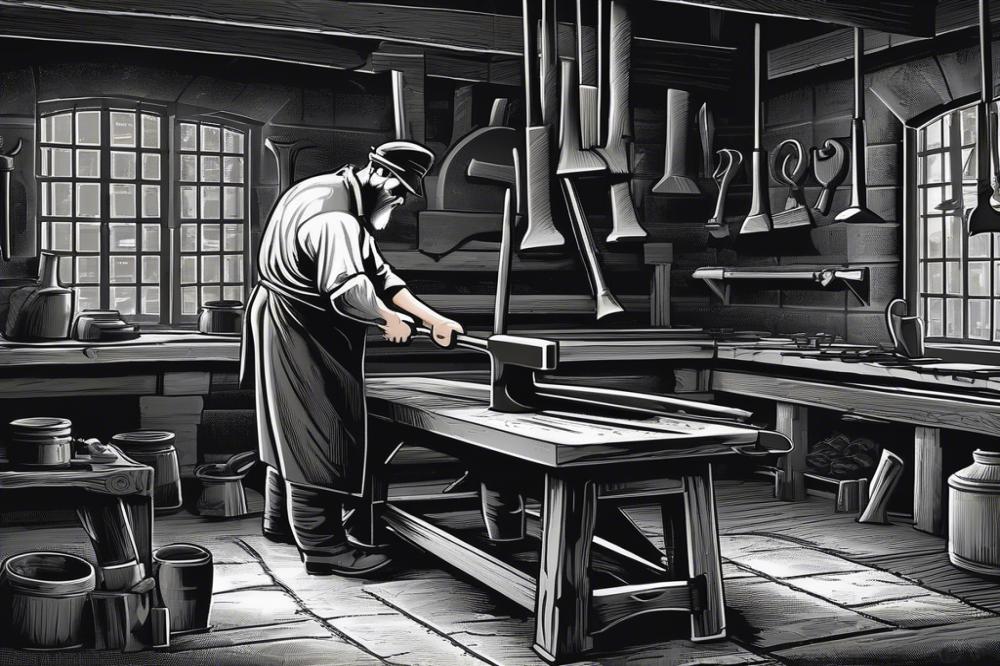
When choosing a hammer for blacksmithing, weight distribution plays a crucial role. Properly balanced hammers deliver more driving force while requiring less effort from the user. This balance allows for precise strikes, enhancing overall craftsmanship. A well-distributed weight can lead to more effective forging.
Consider the significance of hammer materials as well. High-carbon steel is often preferred for its durability and ability to withstand high temperatures during forging. Some craftsmen opt for specialty alloys, which can offer unique benefits. The material used can greatly influence hammer longevity and performance.
Tool balance is equally important. A hammer that feels heavy on one end can lead to fatigue and imprecise blows. Hammers with a symmetrical design tend to facilitate smoother motions. Choose one that matches your grip style and body mechanics to maximize efficiency.
Ergonomics should never be overlooked. An ergonomic design helps reduce strain on the user’s hands and arms. Comfort can greatly affect concentration during work. The right grip and shape allow smiths to maintain control, especially when employing various hammer styles.
Matching your hammer with your anvil is another key consideration. Anvil compatibility ensures that the hammer’s striking power aligns with the anvil’s response. This can influence the quality of the workpiece and make a noticeable difference in the final product.
Finally, different forging techniques may require specific hammer characteristics. For instance, a heavy hammer may be ideal for shaping thick metal, while a lighter one allows for more delicate work. Understanding how to match the right tools with the technique is essential for successful blacksmithing.
Top Brands of Blacksmithing Hammers
When it comes to crafting exceptional tools, several brands stand out in the world of blacksmithing. These manufacturers have built solid reputations through their commitment to quality craftsmanship. Each brand offers a unique combination of features that cater to different forging techniques and user preferences.
Leading Blacksmithing Hammer Manufacturers
One of the most respected names in forging tools is Tongs. Their hammers are known for superior weight distribution, allowing for increased striking power with less effort. Many blacksmiths prefer their tools for long sessions at the anvil due to their durable construction and ergonomic design.
Another key player is Vulcan Hammers. They focus on creating a wide range of hammer styles, from lightweight models for precision work to heavier options for shaping larger pieces of metal. Craftsmanship is evident in their products, making them a favorite among both beginners and experienced smiths.
Overview of Brand Reputation and Quality Craftsmanship
Ridgid Tools has made a name for itself as well. Their forging hammers are praised for their balance and high-quality materials. Blacksmiths often highlight the reliability and consistent performance of Ridgid products, which enhances their overall forging experience.
On the other hand, Hammer Works emphasizes individual craftsmanship. Each tool is meticulously crafted by skilled artisans. This attention to detail results in tools that are not only functional but also aesthetically pleasing, adding significant value for collectors and enthusiasts alike.
Comparison of Features Offered by Brands
When comparing features, several aspects come into play. Tool balance is crucial. Some brands place more emphasis on achieving a perfect center of gravity, while others prioritize striking power in their designs. Additionally, hammer materials can vary widely; some companies utilize high-carbon steel, while others may incorporate alloys to enhance durability.
Ergonomic design is also significant in modern forging hammers. Brands like Tongs implement thoughtful grip designs that reduce hand fatigue during extended use. Comfort and usability remain key factors for blacksmiths working long hours at the forge.
Ultimately, the choice between these brands often comes down to personal preference. Every blacksmith has unique needs based on their specific techniques and projects. Understanding the differences in craftsmanship tools offered by each manufacturer can help forge a more informed decision.
Exploring Hammer Styles for Different Techniques
Blacksmithing relies heavily on the diverse styles of forging hammers available to artisans. Cross peen hammers stand out for their versatility. They feature a flat striking face and a pointed peen on the opposite side. This design allows blacksmiths to create grooves, while also distributing weight effectively. Ball peen hammers have a round end, which serves to shape metal or spread it out. Their unique form makes them ideal for tasks requiring rounded edges or detailed work.
Rounding hammers, on the other hand, have a broad, dome-shaped striking surface. These tools excel in shaping and smoothing metal, allowing for smooth curves. Each hammer style serves a special purpose in various forging techniques. A smith may rely on a cross peen to draw out metal or create ornamental designs. The weight distribution of each type influences how users handle the tool. Proper selection can enhance tool balance, making strikes more efficient.
Materials used in hammer construction also impact performance. High-carbon steel is common, providing durability and excellent striking power. Stainless steel offers corrosion resistance but may not carry the same weight. Selecting the right material contributes to effective anvil compatibility as well. A well-crafted hammer can significantly reduce the effort needed during the forging process.
Ergonomic design is another factor that cannot be overlooked. A handle that fits comfortably in the hand allows for longer periods of use without fatigue. Some hammers even feature cushioned grips, allowing for greater comfort and control. Craftsmanship tools vary widely, but choosing the right hammer is critical for both beginners and seasoned professionals. The nuances of each hammer style can greatly influence the final product in blacksmithing.
Importance of Anvil Compatibility
Choosing the right hammer involves more than personal preference. Anvil compatibility plays a crucial role in effective blacksmithing. Different hammers work better with certain anvil types. Understanding this relationship can enhance your overall results.
Correlating Hammer Design with Anvil Types
Different hammer styles offer various advantages. A flat-faced hammer may suit a traditional wrought iron anvil. On the other hand, a rounded hammer could be ideal for shaping tools on a hardy anvil. Weight distribution in the hammer affects how energy transfers. This physical connection maintains the hammer’s efficiency in striking materials.
Hammers crafted from quality materials increase durability. Steel hammers often provide superior striking power compared to soft metals. Consider the hammer’s balance during use. A well-balanced tool reduces fatigue and enhances control over your movements. It’s essential to match your tool with the anvil to optimize craftsmanship techniques.
Tips for Selecting Hammers Based on Anvil Compatibility
When selecting a hammer, think about the specific anvil you have. Forging hammers should complement the features of your anvil. If you own a heavy, solid anvil, a heavier hammer could work well. Conversely, lighter hammers suit smaller anvils that require finesse.
Another factor to consider is the ergonomic design of the hammer. Tools that fit comfortably in your hand allow for better precision. Pay attention to the handle length as well. A longer handle may provide more leverage, which can be beneficial for larger projects.
Test various styles before making a purchase. Some blacksmiths favor cross-peen hammers for detailed work, while others prefer ball-peens for rounded shapes. Each type has distinct advantages. Ensure you understand how each functions with your specific anvil setup.
Ultimately, prioritize striking power in your selection process. The ideal hammer amplifies the force delivered to the material. Experimenting with different hammer designs will enhance your forging techniques and lead to better creations.
The Role of Craftsmanship Tools in Blacksmithing
Having the right tools is crucial for any blacksmith. Each piece in a blacksmithing setup plays a significant role. A well-selected ensemble allows for better creativity and efficiency. Among these tools, hammers stand out as foundational elements. They influence both precision and the amount of power that can be exerted during the forging process.
Forging hammers come in various styles and weights. Different hammer designs are suited to different jobs. For maximum effectiveness, weight distribution is vital. A hammer that is well-balanced makes it easier to control strikes. This can lead to better accuracy, which is particularly important for intricate designs. Furthermore, tool balance helps reduce fatigue during prolonged use.
The materials used in hammer construction also matter. High-quality steel can significantly impact performance. It can enhance durability and improve striking power. When considering hammer materials, it’s essential to look for options that withstand the demands of various forging techniques. This ensures that the tool remains effective over time, even under stress.
Compatibility with the anvil is another fundamental aspect. A hammer must work well with the anvil being used. This compatibility assists in achieving the desired outcomes. Hammer styles should match both the anvil design and the specific project requirements.
Integrating hammers with other craftsmanship tools enhances the forging experience. Tongs, chisels, and forges also play critical roles. Each tool complements the use of hammers, creating a more efficient workflow. An ergonomic design can alleviate strain during intense tasks. Proper design considerations lead to safer wielding of these powerful tools.
Understanding the various hammer styles helps blacksmiths select the right option for their needs. Knowing which hammer to use can make a world of difference. Different tasks require different types of strikes, reinforcing the importance of using the appropriate tool combination. Mastering these tools not only reflects skill but also a commitment to the craft.
Maintaining Your Blacksmithing Hammers
Taking care of forging hammers is essential for any blacksmith. Regular inspection helps identify wear and tear before it becomes a bigger issue. Check the heads and handles for cracks or chips. This simple step can save time and resources down the road.
Proper cleaning methods are vital. Wipe down your tools after every use. A clean hammer not only looks better but also operates more efficiently. Use a wire brush or cloth to remove any grime or scale that accumulates. Additionally, applying a light coat of oil can prevent rust. Choose an oil that won’t interfere with your work.
Weight distribution impacts your striking power. Balanced tools enhance control and reduce fatigue during long hours of work. Understanding how your hammer interacts with the anvil is crucial. It influences the effectiveness of each blow.
Different hammer materials can affect performance. Forging hammers made from high-carbon steel tend to have excellent durability. Selecting the right materials based on usage will enhance longevity. Consider your unique forging techniques when choosing styles. Ensure they match the requirements of your projects.
Tool balance is another factor. An ergonomic design can make a significant difference in comfort. Hammers with well-crafted handles can help improve grip. This feature is particularly important for heavy strikes, as it lessens the impact on your hands.
Be aware of your hammer styles. Each type serves distinct purposes. From light peening hammers to heavier cross peen models, employing the right one for the task at hand is essential. This choice will elevate your craftsmanship and yield better results.
Lastly, store your hammers properly. A designated space prevents damage from collisions with other tools. Keep them dry and out of direct moisture to fight rust. Regular maintenance habits will ensure that your tools remain reliable for years.
Final Thoughts
In our exploration of the best hammers for blacksmithing, we have identified several key factors that contribute to both precision and power. A good hammer can make a significant difference in your craft. Consider the weight, balance, and material of the forging hammers. Quality tools can elevate your work and improve your results.
Recommendations for selecting the right hammer include examining the weight distribution. A well-balanced hammer feels comfortable in your hand and allows for better control, especially during intricate tasks. Look for a variety of hammer types, such as cross peen, ball peen, and finishing hammers. Each one serves a distinct purpose and can enhance your overall blacksmithing technique.
Investing in high-quality tools is essential for any serious blacksmith. The upfront cost may be higher, but durable hammers pay off in the long run. By choosing tools based on your specific needs and preferences, you can improve your skills while enjoying the craft more. Quality equipment often results in better outcomes and increased satisfaction.
In conclusion, finding the right hammer is crucial. Your choice affects both the precision of your work and the power behind each strike. Don’t rush the decision. Take the time to find the perfect hammers that fit your unique style. With the right tools, you’ll become a more effective blacksmith and create works that truly reflect your skills.

