
Introduction
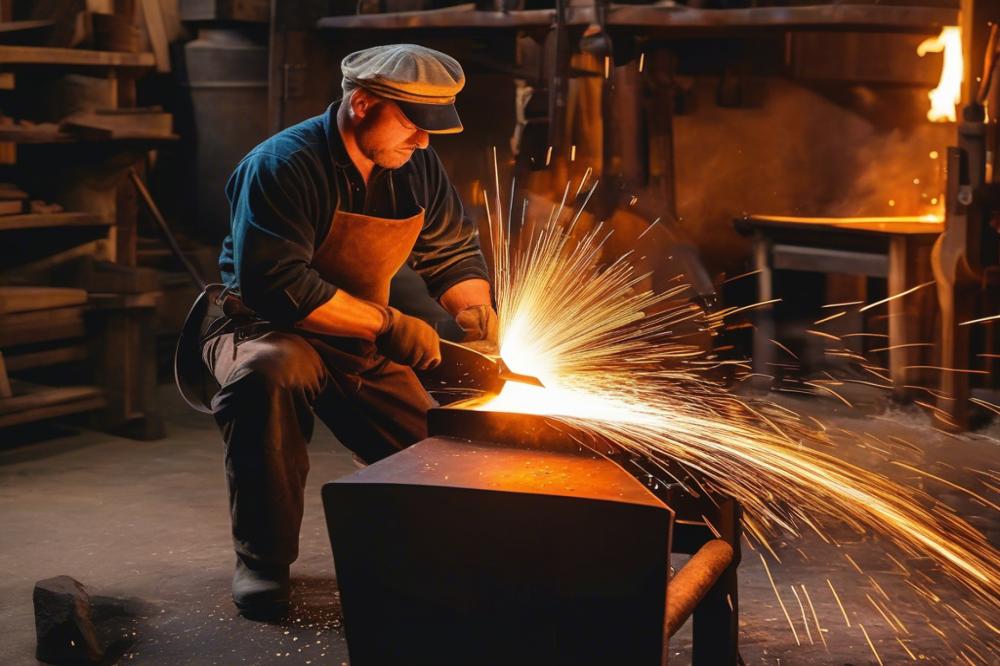
craft“>blacksmithing has seen a remarkable resurgence across the globe, captivating a diverse range of artisans. This ancient craft has evolved, drawing from rich traditions while also embracing modern techniques. As communities gain a deeper appreciation for handmade goods, skilled blacksmiths are at the forefront. They create everything from ornate sculptures to practical tools that reflect unique cultural identities.
blacksmithing-in-germany”>metallurgy plays a critical role in this artistic revival. Advances in knowledge allow blacksmiths to manipulate metals more effectively, enhancing their creations. Traditional methods are now complemented by innovative approaches. This blend of old and new techniques ensures that blacksmithing remains relevant in today’s market.
Education has become essential in cultivating the next generation of metalworkers. Workshops and online courses empower aspiring artisans with the skills necessary to excel. Sustainable practices have also gained traction, as many blacksmiths recognize the responsibility of crafting with the environment in mind. As a result, the craft not only survives but thrives, creating a community that supports creativity and environmental stewardship.
metallurgy and Its Role in Craft
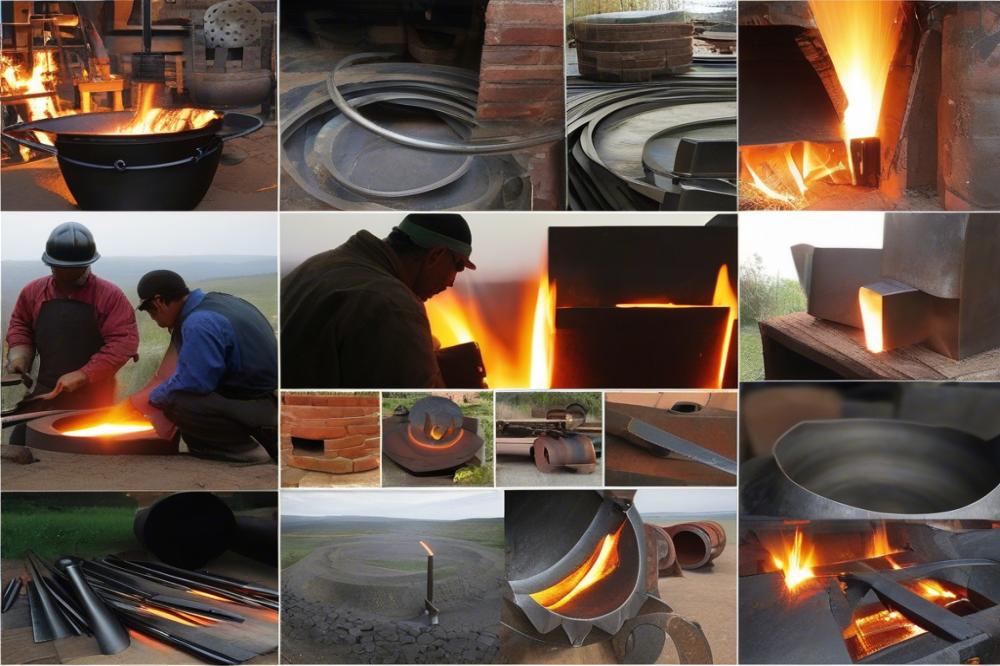
Craft is a broad field, but at its heart lies the art of manipulating materials. One critical element is the science behind metals. This area of study profoundly influences metalworking, shaping techniques and tools. Understanding how metals behave under various conditions allows artisans to create desired forms and functions. With this knowledge, the craftsmanship seen in blacksmithing can truly shine.
Historical Advancements in Metallurgy That Shaped Blacksmithing
The evolution of metalworking didn’t happen overnight. Early civilizations learned the importance of heating and hammering metals. The discovery of bronze marked a turning point. It led to stronger tools and weapons, expanding what blacksmiths could accomplish. Over centuries, techniques evolved. The transition to iron allowed for even greater capability in crafting. Swordsmiths and blacksmiths perfected their skills, creating instruments of both utility and beauty.
During the Middle Ages, blacksmithing became essential in everyday life. Tools were necessary for farming, and skilled artisans filled this demand. The introduction of steel further revolutionized craft, allowing for sharper edges and durable items. Education in these methods was passed down through generations. The master’s knowledge helped create a thriving community focused on innovation.
Modern Innovations and Techniques
Today, blacksmithing continues to thrive with modern innovations. New technologies, such as computer-assisted design, allow artisans to plan their work with precision. This combination of traditional skills and new methods creates unique opportunities for creativity. Sustainability is now a priority for many. By recycling materials and using green practices, blacksmiths contribute to a healthier planet.
Techniques have also advanced significantly. The use of specialized tools can make tasks more efficient. For example, propane forges provide an alternative to coal, reducing emissions. Moreover, workshops now focus on teaching modern methods alongside historical practices. This provides a richer educational experience for aspiring craftsmen.
The global rise of blacksmithing can be seen in various communities. Workshops and classes appear in unexpected places. Artisans connect through social media, sharing techniques and culture. As this craft grows, it emphasizes the fusion of old and new, honoring the heritage while pushing personal creativity. Each blacksmith’s journey is a testament to the art of metalworking.
Global Techniques in Blacksmithing

Blacksmithing is a craft that thrives across many cultures. Each region boasts diverse practices, shaped by local traditions and available materials. From the intricate designs of Japanese swordsmiths to the robust tools of European blacksmiths, techniques vary widely.
In Africa, traditional practices often focus on community needs. Blacksmiths in different tribes refine tools essential for farming and daily life. Similarly, artisans in India use their skills to create decorative items as well as functional metalwork. These local influences provide a rich tapestry of methods that connect people to their heritage.
Regional differences often reflect the available resources. Countries with abundant iron ore, like Sweden, develop advanced forging techniques. Others, such as Japan, emphasize precision and detail, especially in weapon crafting. This blend of local conditions and available materials drives innovation within the craft.
The advent of modern technology has introduced new tools to the trade. Blacksmiths now employ welding machines and hydraulic presses, complementing their traditional skills. Such advances enable artisans to enhance their production while still valuing the time-honored methods. Education also plays a role, as many blacksmiths share their knowledge through workshops and classes.
Sustainability remains a pressing consideration for modern practitioners. Many are exploring eco-friendly practices by using recycled materials or focusing on energy-efficient techniques. This commitment to sustainability not only benefits the environment but also aligns with a growing global interest in responsible craftsmanship.
Innovation lies at the heart of contemporary blacksmithing. Artisans are blending ancient methods with modern designs, resulting in unique pieces that appeal to a broader audience. By integrating features like functional art and decorative elements, they expand the reach of metalworking.
Despite the variety of practices, a common thread unites blacksmiths worldwide. Passion for the craft drives their efforts, whether they are creating tools, art, or functional items. This shared dedication fosters a global community of makers, bridging cultural divides through the love of working with metal.
Tools of the Trade
Essential tools for blacksmithing
Blacksmithing requires a variety of tools for shaping and crafting metal. At its foundation, a forge heats the metal to a glowing temperature. This initial step is crucial for successful manipulation. An anvil follows, providing a solid surface for hammering. Hammers of various weights allow artisans to achieve different effects. Tongs are equally important; they help grip hot metal safely. Each tool serves a specific purpose, allowing both beginners and experts to experiment with their craft.
Advances in tool-making and their effects on craftsmanship
Recent innovations have revolutionized the tools of blacksmithing. Improved materials and techniques lead to stronger, lighter tools. For example, using advanced alloys enhances both durability and performance. This evolution allows blacksmiths to work more efficiently, completing complex projects more quickly. Artisans now have access to tools that were once unimaginable. Such advancements foster creativity, encouraging more intricate designs and applications. Global collaboration among craftsmen also drives this progression forward.
The role of technology in enhancing tool efficiency
Technology plays a significant role in modern metalworking. Digital design tools allow blacksmiths to visualize their projects before forging begins. 3D printing offers prototyping capabilities previously inaccessible to many artisans. These methods enhance education and understanding for those new to the craft. Additionally, energy-efficient forges are becoming more common. Sustainability in blacksmithing is not just desirable but essential. By using innovative techniques, craftsmen can minimize waste while maximizing output. As the industry evolves, these technologies continue to shape the future of blacksmithing worldwide.
Education and Training for Artisans
Emerging Educational Programs in Blacksmithing
Many new educational programs are making blacksmithing accessible. Universities and colleges are starting to offer courses specifically in metalworking. Apprenticeships have also seen a rise, allowing novices to learn from experienced craftsmen. These programs focus on both traditional techniques and modern innovations. This blend of old and new is vital for the craft’s growth. In various regions around the globe, local workshops are filling the gap in formal education. They aim to attract a diverse group of people who are interested in hands-on learning.
Importance of Skill Development and Artisanal Training
Skill development is central to the success of any artisan. New techniques and tools constantly emerge, making it essential for blacksmiths to stay informed. Training in these areas promotes sustainability in crafting. Experienced artisans often emphasize the need for ongoing education. Practical experience allows craftsmen to refine their talents and explore different methods. Each artisan brings a unique perspective, enriching the craft overall. Sharing knowledge also fosters a collaborative atmosphere in the community.
Workshops and Community Initiatives Promoting Blacksmithing
Workshops across cities are breathing new life into blacksmithing. Communities have begun to organize events that encourage participation. These gatherings offer both fun and learning opportunities, making blacksmithing a family-friendly activity. Some initiatives focus on teaching children the basics of the craft, encouraging creativity from a young age. Local artisans often volunteer their time, showing passion for this age-old skill. This outreach builds a sense of belonging and pride among participants. Engagement in these initiatives can lead to an increase in the number of blacksmiths worldwide. Innovation thrives in such supportive environments, highlighting the importance of community in the craft.
Sustainability in Metallurgy and Craft
The environmental impact of metalworking is a growing concern among many artisans. Traditional techniques often demand a significant amount of energy and resources. This creates challenges for those dedicated to maintaining ecological balance. The production of metal can lead to pollution, deforestation, and a depletion of natural resources. As blacksmithing gains popularity worldwide, the push for more sustainable practices becomes ever more relevant.
Innovative Sustainable Practices in Blacksmithing
Many blacksmiths are now incorporating innovative techniques to reduce their footprint. Forging with lower temperatures is one such approach. By using tools that require less energy, artisans can minimize their environmental impact. Some have embraced the concept of using renewable energy sources, like solar panels or wind turbines, to power their workshops. Others explore alternative fuel options like charcoal made from sustainably sourced wood. These practices reflect a growing commitment to sustainability in the craft.
The Role of Recycled Materials in Modern Blacksmithing
Recycled materials play a vital part in today’s blacksmithing landscape. Many artisans actively seek out scrap metal to create their works. This not only helps lessen waste but also brings a rich history to each piece. Using old tools or discarded metal allows for a form of storytelling within the craft. Artisans often view these materials as treasure, giving new life to what might otherwise become waste. Education on the benefits of recycling continues to motivate prospective blacksmiths, contributing to a global trend toward responsible metalworking.
The Role of Innovation in Blacksmithing
Technological advancements have transformed many crafts around the world, and blacksmithing is no exception. With the rise of innovative tools, artisans now have access to resources that were unimaginable just a few decades ago. Modern forges often include electric hammers and automated systems that set the pace for metalworking. These innovations allow for increased efficiency and precision, enabling blacksmiths to create masterpieces with less physical strain.
Integration of Digital Tools and Traditional Techniques
Many blacksmiths are blending old-world techniques with new digital tools. CNC machines, for example, have become valuable assets in workshops. They can carve complex designs that might take hours by hand. However, the heart of blacksmithing remains in the traditional methods. Craftsmen learn these age-old techniques through hands-on education and mentorship. The balance of tradition and technology leads to higher-quality products while ensuring craftsmanship is not lost in the process.
Future Trends in Blacksmithing Fueled by Innovation
Looking forward, blacksmithing is poised to evolve even further. Sustainability is becoming a key focus for many artisans. Using recycled materials in metalworking is not just a trend; it represents a shift towards more responsible practices. Additionally, the global craft community is fostering a spirit of collaboration. As blacksmiths share their knowledge online, techniques and ideas spread rapidly, creating ongoing excitement and fresh approaches.
Moreover, educational programs are adapting to include new technologies. Training future blacksmiths incorporates both digital skills and hands-on practice. This helps build a diverse skill set that meets contemporary demands. The result is a craft that honors its history while embracing the future. Innovation in blacksmithing is not just about tools; it’s about a mindset that embraces growth in an ever-changing world.
Challenges and Opportunities in Global Blacksmithing
Barriers to Growth and Recognition of Blacksmithing as a Craft
Across many regions, blacksmithing struggles for recognition as a serious craft. Limited access to proper tools hampers artisan development. Traditional techniques can feel outdated, making it hard for smiths to connect with younger generations. In some areas, a lack of education in metalworking prevents new talent from emerging. Also, misconceptions about blacksmithing as merely a hobby can stall its progression. Market demand for custom metal items fluctuates, which makes it hard for artisans to predict their income. Cultural perceptions of craft can stifle opportunities for innovation and growth. As a result, many skilled smiths find it difficult to showcase their work on a broader platform.
Opportunities for Artisans in the Global Market
Numerous opportunities exist for blacksmiths, especially as interest in handmade items rises. Many consumers now prefer unique, local products over mass-produced alternatives. Social media provides a venue for artisans to display their creations to a worldwide audience. This connection increases awareness and appreciation for the craft. Collaborations between artisans can lead to fresh techniques and innovative designs. Educational workshops and online courses are becoming popular to help new smiths learn vital skills. Sustainability is another key factor driving interest. Eco-conscious consumers actively look for artisans who focus on responsible material sourcing and production methods.
Supporting the Future of Blacksmithing through Collaboration
Community play a crucial role in the future of blacksmithing. By connecting with others in the craft, artisans can share techniques and tools that enhance their work. Partnerships with local schools can ignite interest in younger generations. Community events can bring enthusiasts together, creating a supportive network. Local businesses can also foster growth by showcasing artisan work, increasing visibility. Grants and funding for workshops can empower those who wish to teach and share knowledge. Together, these efforts can elevate blacksmithing as a respected and thriving craft globally.
Closing Thoughts
Advances in materials science have greatly impacted blacksmithing practices around the world. New techniques allow artisans to work with metals more efficiently and creatively, opening up opportunities for artistic expression. Innovations lead to stronger, lighter items, which is essential for both functional tools and beautiful artwork. Yet, these advancements should not overshadow the traditional skills honed over centuries.
While embracing progress is vital, it’s equally important to preserve the foundational aspects of this craft. Generational knowledge passed down from master to apprentice is invaluable. It connects today’s blacksmiths with their historical counterparts, fostering a sense of respect for the craft’s heritage. Moreover, blending old and new techniques can result in exceptional creations, while still honoring time-tested practices.
Supporting blacksmithing worldwide is a call to action for all who appreciate handmade artistry. Whether purchasing a custom piece or attending a local workshop, every effort contributes to the vitality of this craft. By doing so, individuals not only help sustain a unique trade but also encourage a community that values creativity and skill. Engaging with local blacksmiths and sharing their work on social media can spark interest in a global audience.
The beauty of blacksmithing lies in its ability to adapt and thrive amidst change. Let’s commit to preserving this ancient art form while simultaneously fostering a culture of innovation. Together, we can keep the flames of blacksmithing alive for future generations, igniting passion and creativity among artisans everywhere.

