

Overview
Across Italy, a remarkable movement is unfolding. women artisans are stepping into the world of blacksmithing. These women-led blacksmithing workshops are not merely places to learn a craft. They embody empowerment and leadership, showcasing the resilience of women in historically male-dominated fields. This rise is part of a broader trend going on worldwide, where women are reclaiming traditional trades through creativity and skill.
Blacksmithing has roots deep in cultural heritage. The sparks of the forge echo the past, linking generations together. Traditional techniques, often passed down through families, are now being enriched by fresh perspectives. Each hammer strike represents not just labor but a connection to history. Participants in these workshops gain not only skills but also a sense of belonging to a community that values craftsmanship.
Globally, there is growing recognition of the role women artisans play in revitalizing crafts such as metalworking. As communities embrace sustainable practices, women are leading the way. They create not only functional objects but also pieces of art that tell stories. This shift brings visibility to their contributions and challenges long-standing stereotypes surrounding gender roles in trades.
In Italy, the surge of women engaging in blacksmithing fosters a new narrative. With every piece crafted, these artisans highlight their strength and creativity. The workshops become spaces where learning flourishes, and ideas exchange hands. As they forge metal into form, they also shape their destinies. Their stories inspire future generations to explore the beauty of trades once thought inaccessible. This movement is a testament to how the fusion of culture and empowerment can reshape industries.
Historical Context
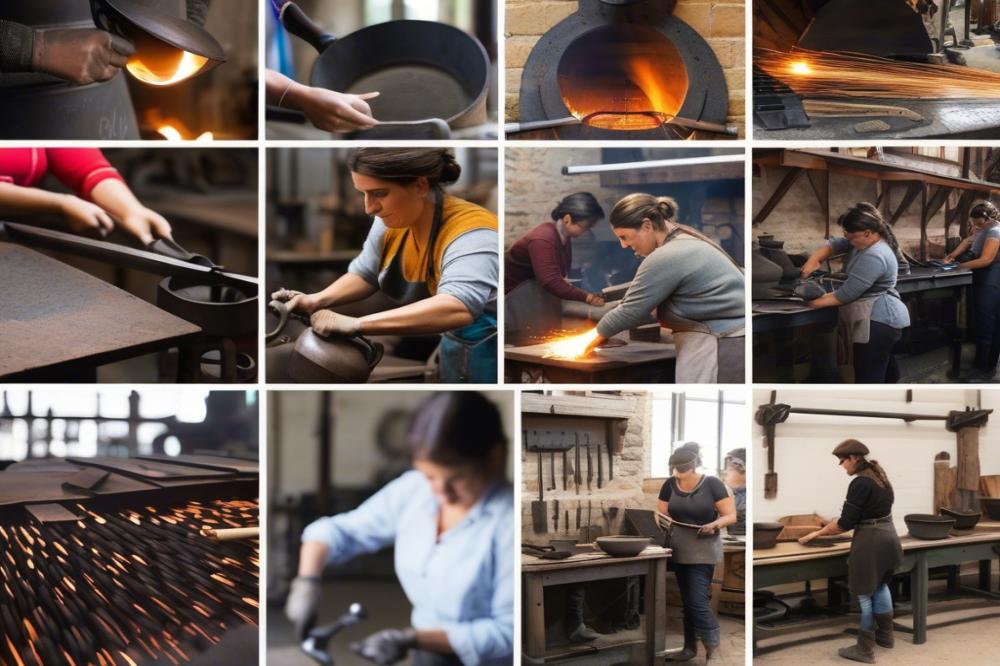
Metalworking carries a rich history across many cultures. Traditionally, blacksmiths have been vital craftspeople, shaping tools and weapons. Skilled artisans have passed down techniques through generations. Yet, the role of women in this field has often been overlooked.
In ancient societies, women were involved in metalworking, although less recognized. Many crafted jewelry or small household items, using skills inherited from their mothers. Artistic expression blended with practical needs. This creativity allowed women to contribute to their communities while preserving cultural heritage.
Over the centuries, the blacksmithing craft has evolved, especially with industrialization. Modern machinery replaced many traditional techniques. This shift often sidelined smaller, local artisans, including women. However, some women continued working behind the scenes, honing their skills and pushing boundaries.
Today, blacksmithing workshops led by women challenge these historical norms. They promote empowerment through hands-on learning and skill sharing. By adopting sustainable practices, these artisans link old methods with new ideas. Creating a sense of community, they encourage others to join in.
As women artisans reclaim their place in metalworking, they revive lost traditions. Workshops celebrate this legacy while fostering creativity. Participants learn to forge metal and express individuality. These opportunities not only help gain skills but also build confidence.
The growth of women-led initiatives highlights a shift in perceptions about metalworking. Many now see it as a dynamic art form, vital to cultural identity. Women’s roles in this craft are no longer hidden. They play a significant part in shaping the future of blacksmithing.
The Rise of women-led blacksmithing Workshops
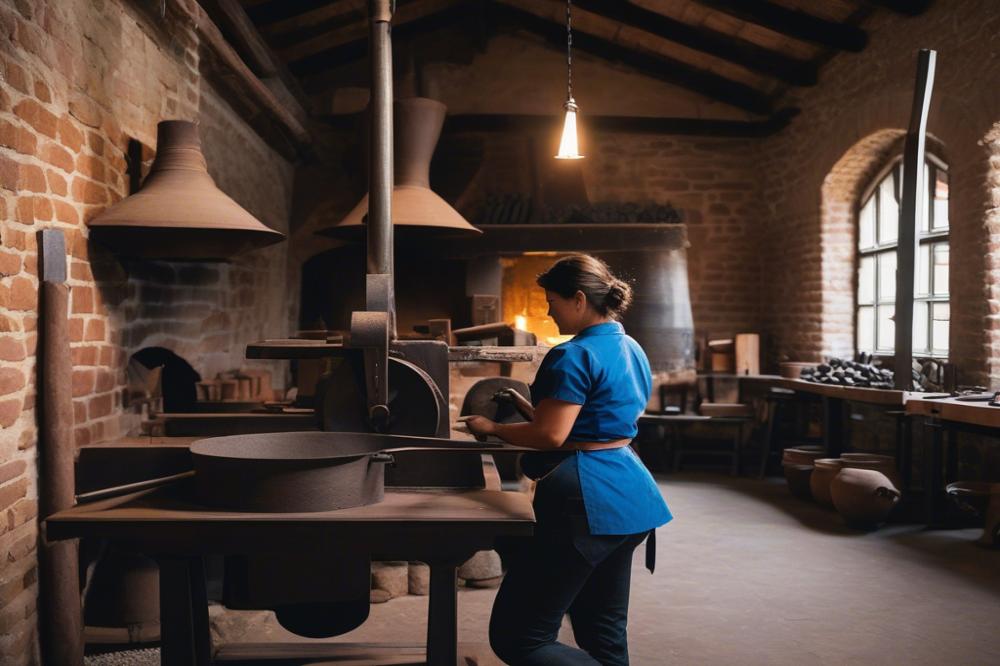
In recent years, blacksmithing workshops guided by women artisans have emerged across Italy. Various factors play a role in this exciting trend. One key element is the desire for empowerment. Women are increasingly finding their voices in a field long dominated by men.
Many of these workshops emphasize traditional techniques. Artisans are passionate about preserving cultural heritage through metalworking. This dedication not only keeps history alive but also inspires creativity among participants. Beginners and experienced craftsmen alike can learn valuable skills in these supportive environments.
Community building is another significant motivation. Workshops create a space for individuals to connect with others sharing similar interests. Friendships develop as participants collaborate on projects and exchange ideas. Such interactions foster a sense of belonging. The workshops often prioritize sustainable practices too. This focus aligns with a growing awareness of environmental issues within the crafts.
Moreover, the desire to break stereotypes is palpable. Women wish to challenge societal views often associated with traditionally masculine trades. They demonstrate that blacksmithing is not only a viable profession but also a fulfilling form of self-expression. Many take pride in their ability to shape metal, turning raw materials into beautiful objects.
Support systems have also become essential for these artisans. Local organizations and networks provide resources and guidance. They recognize the importance of encouraging diversity in metalworking careers. Such support helps women build confidence and refine their skills. Workshops often collaborate with schools and community groups to promote inclusivity in crafts.
The essence of these workshops lies in the blending of age-old skills with modern creativity. Participants often find joy in discovering their potential. They not only learn how to forge metal but also explore their individuality through design. In turn, these experiences inspire further growth within the craft.
Profiles of Notable Women Artisans
Across Italy, several inspiring women artisans have emerged as leaders in blacksmithing. They redefine the craft and showcase their individual styles. Each brings her own passion and creativity to this ancient art form. These artisans not only produce stunning works but also empower others within their communities.
Giulia Rossi – A Blend of Tradition and Innovation
Giulia Rossi is renowned for her ability to blend traditional techniques with modern designs. Based in Florence, she crafts everything from ornate garden gates to functional kitchen tools. Her work reflects the beauty of Italian cultural heritage while embracing new ideas. Giulia teaches blacksmithing workshops, inviting both women and men to explore the craft. Her goal is fostering a welcoming environment for all.
Francesca Marino – Champion of Sustainable Practices
Francesca Marino has made waves with her commitment to sustainable practices in metalworking. Operating her workshop in Venice, she sources materials locally and emphasizes recycling. Each piece she crafts tells a story of environmental awareness. Francesca’s creations include striking sculptures and beautiful jewelry. By integrating sustainability into her work, she inspires others to consider their impact on the planet.
Sara De Luca – The Community Advocate
In Rome, Sara De Luca stands out not only for her artistry but also for her dedication to her community. Her workshops are a space for learning and collaboration. She encourages fellow artisans to share techniques and support one another. Sara’s creations often incorporate elements of her local surroundings. This deep connection to her roots helps preserve the region’s cultural heritage.
Elena Ricci – Master of Functional Art
Elena Ricci focuses on crafting practical items that are also beautiful. Her work includes everything from custom tools to decorative household items. In her workshop, she often merges artistry with practicality. Passionate about sharing knowledge, she hosts classes aimed at various skill levels. Elena believes in the power of creativity to transform everyday life.
Claudia Bianchi – The Artistic Explorer
Claudia Bianchi is known for her striking, one-of-a-kind creations that often blend various metalworking techniques. Living in Tuscany, she draws inspiration from the surrounding landscape. Each of her pieces reflects a unique perspective, captivating those who see them. Claudia’s approach combines exploration with a respect for traditional crafting methods. Through her work, she invites others to experience the beauty of blacksmithing.
Crafting Community and Collaboration
Women-led blacksmithing workshops are not just about making metal into art. They serve as vital spaces where women artisans gather to share skills and knowledge. Collaboration becomes second nature when individuals come together with a common passion. In these workshops, participants learn traditional techniques that have been passed down through generations.
Support networks thrive within this environment. Newcomers feel encouraged to explore their creativity alongside seasoned artisans. Such interactions foster friendships that extend beyond the forge. Mentorship naturally evolves as skilled blacksmiths guide those who are just starting. This nurturing aspect enhances the overall experience for everyone involved.
Local communities benefit greatly from these initiatives. Workshops often promote sustainable practices, which resonate deeply with many artisans. Participants learn not only how to create but also how to respect their materials and the environment. This approach to crafts strengthens local identities and cultural heritage.
When women come together in these settings, there is an unmistakable energy. The act of creating together cultivates a sense of belonging. Artisans across Italy are now forming bonds that were scarce in the past. These gatherings also provide a platform for exchanging ideas and showcasing skills. Each workshop becomes a hub of inspiration and empowerment.
Cultural celebrations often arise from this lively environment. Events highlighting metalworking skills display the exceptional work of these artisans. Communities come together to appreciate the craftsmanship produced in their own backyards. Such public acknowledgment not only elevates the artisans but also reinforces the value of creativity in society.
Furthermore, tackling challenges as a collective proves more effective. Women find strength in numbers when facing obstacles in their craft. As they support one another, barriers begin to crumble. The spirit of cooperation helps push these workshops forward, enriching the lives of everyone involved.
Ultimately, the influence of women-led workshops extends far beyond the forge. They are changing perceptions about what it means to be a craftsman. As more women embrace metalworking, they redefine their roles in the community. This transformative impact reshapes the landscape of craftsmanship and inspires future generations.
Sustainable Practices in Blacksmithing
Across Italy, a rising number of blacksmithing workshops led by women artisans are embracing sustainable practices. These craftspeople are not only dedicated to their art but also to the environment. They implement eco-friendly metalworking techniques that reduce waste and energy consumption. Community involvement plays a significant role in these efforts, as the artisans often collaborate to share resources and ideas.
Many workshops focus on sourcing materials locally. This practice minimizes the carbon footprint associated with transporting metal. Additionally, some artisans choose to recycle metal scraps, breathing new life into materials that might otherwise be discarded. Such choices highlight a commitment to preserving cultural heritage while promoting sustainability.
Traditional techniques are preserved, with a modern twist. Techniques passed down through generations are adapted to align with eco-friendly standards. Women artisans innovate while respecting the past, demonstrating creativity in their approach. This blend of old and new represents a powerful statement of empowerment within the craft.
Moreover, the importance of educating the community is paramount. Workshops often host events that raise awareness about sustainable practices. By demonstrating eco-friendly methods, they inspire others to adopt similar approaches. This education fosters a culture of sustainability, encouraging both new and seasoned blacksmiths to be more responsible in their work.
The integration of sustainable practices enhances the overall quality of the crafts produced. Pieces made with care for the environment often carry a greater significance. Customers increasingly seek out products with a story, appreciating the effort that goes into crafting them sustainably. As awareness grows, the demand for eco-conscious metalworking continues to rise.
Through these efforts, women-led blacksmithing workshops are creating a ripple effect. They are setting an example for future generations of artisans, demonstrating that sustainability can go hand in hand with traditional craftsmanship. This movement not only nurtures the environment but also strengthens the community fabric, as artisans unite toward a common goal.
Creativity and Innovation in Metalworking
Across Italy, blacksmithing workshops run by women artisans are flourishing. These spaces are not just places of work; they are vibrant hubs of creativity and innovation. Each workshop encourages participants to explore their artistic talents while mastering traditional techniques. This blend of old and new inspires many to reshape metal into meaningful crafts.
One example of this creative spirit can be seen in the intricate garden sculptures crafted by participants. These sculptures don’t just mimic nature; they reinterpret it. Each piece tells a story, reflecting the cultural heritage of the region. Incorporating local materials adds a layer of connection to the community.
Another remarkable project is the design of functional art pieces. Items like decorative fire pits and ornate gates combine beauty with utility. Many artisans fuse metalworking with personal expressions. Unconventional shapes and unexpected colors emerge, showcasing the ingenuity of women artists in this field.
Empowerment plays a crucial role in these workshops. Participants often report gaining confidence through their projects. As they navigate challenges and overcome obstacles, their creativity flourishes. The collaborative atmosphere allows them to share ideas freely, leading to innovative designs.
Sustainable practices are also paramount in many of these workshops. Women artisans often prioritize eco-friendly materials and processes. This commitment not only respects the environment but also furthers their artistic exploration. From recycled metals to energy-efficient techniques, sustainability enhances the creative journey for everyone involved.
Blacksmithing, once a male-dominated craft, is undergoing a transformation. New perspectives and diverse voices enrich the field. From jewelry to large-scale installations, the output showcases a wide range of skills. Together, these women are redefining what it means to be a blacksmith today.
Challenges and Opportunities
Women artisans in Italy often face significant challenges in the field of metalworking and blacksmithing. These obstacles can vary from gender biases in a traditionally male-dominated craft to limited access to funding and tools. Many of these women have to navigate social expectations that confine them to domestic roles, making it difficult to pursue their passion for craftwork.
Moreover, finding spaces that support their craft can be tough. Blacksmithing workshops are not always welcoming to newcomers, especially women. Safety concerns, often raised in a physically demanding environment, can also discourage potential artisans. Cultural perceptions sometimes undervalue the contributions of women in these fields, further complicating their journeys.
Despite these hurdles, opportunities for growth are emerging. Community initiatives focused on empowerment are gaining momentum. Workshops tailored to support women in metalworking can provide a safe space for learning and creativity. These programs often introduce practical training in traditional techniques, allowing participants to hone their skills and gain confidence.
Mentorship plays a vital role in this growing movement. Experienced blacksmiths, both men and women, are stepping up to guide newcomers. Having an expert to turn to not only boosts skills but also fosters a sense of belonging. This support system is essential as it encourages women to share knowledge and build friendships through crafting.
Sustainable practices are another avenue for progress. Many workshops are embracing eco-friendly methods, appealing to a wider audience. This trend emphasizes cultural heritage while ensuring that traditional techniques remain alive. Women-led initiatives that prioritize sustainability reflect a commitment to future generations of artisans.
Creativity also flourishes in collaborative settings. The exchange of ideas within these workshops can lead to innovative designs and unique projects. Women artisans can showcase their work, not just locally but also on larger platforms. Events and exhibitions allow them to celebrate their craft and bring attention to their skills.
Final Thoughts on Women in Craft
The rise of workshops led by women in blacksmithing is making a noticeable impact in Italy. This movement not only champions the skill of forging metal but also empowers an entire generation of women artisans. Many of these women find strength in taking up traditional crafts that have historically been dominated by men. They showcase their talents with pride, breaking barriers and inspiring others.
Communities benefit from these workshops in numerous ways. They create spaces for learning and collaboration. Neighbors come together to support each other, sharing their knowledge and passion for the craft. This fosters a spirit of unity and inclusiveness, which is essential for cultural growth. Children and adults alike begin to see the beauty in engaging with traditional arts, preserving the heritage of metalwork.
Beyond the craft itself, this movement signifies a broader cultural shift. Empowerment through creativity offers women a voice, a way to express themselves. As more women step into roles of leadership and ownership, they challenge societal norms. Their presence in such fields sends a powerful message about resilience and determination.
As we reflect on the importance of these efforts, it becomes clear that recognition is vital. Support from communities, local governments, and cultural organizations can help sustain these workshops. By championing initiatives that shine a light on women-led enterprises, everyone helps honor the myriad contributions these artisans make. Let’s celebrate their work and advocate for visibility and respect for women in crafts.

