
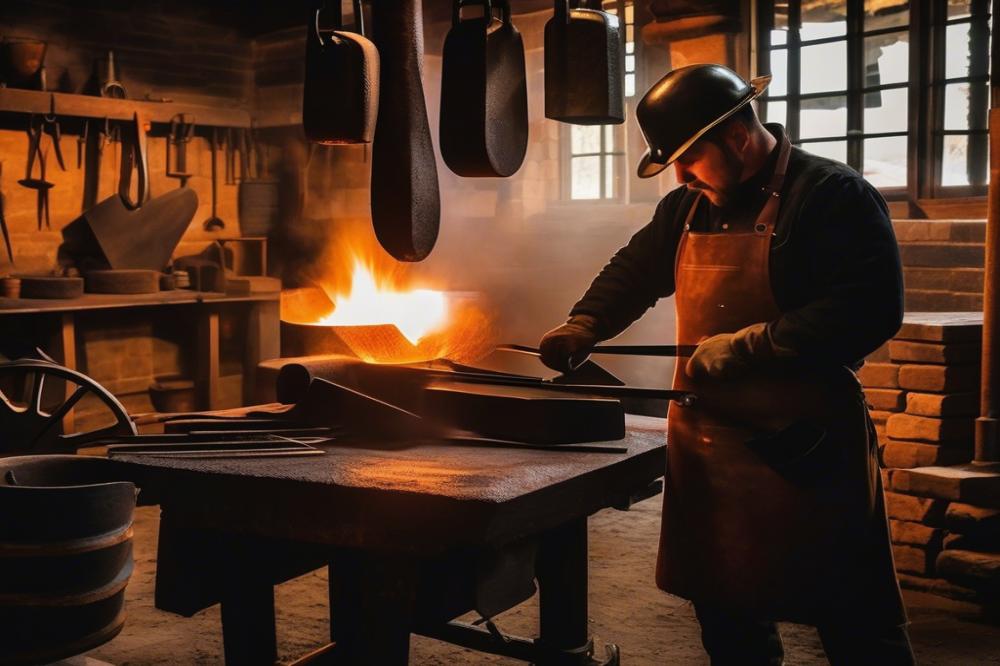
Comprehensive Guide to personal protective equipment for Blacksmiths
Blacksmithing is an ancient craft that combines artistry with functional metalwork. Crafting tools, ornaments, and even architectural details involves manipulating hot iron or steel. This physically demanding work can be rewarding, but it also presents numerous hazards. The heat from the forge, flying sparks, and heavy materials all pose risks to the blacksmith’s wellbeing.
Occupational health and safety are critical when engaging in this trade. Injuries can result from burns, cuts, and respiratory issues stemming from dust or fumes. To mitigate these dangers, wearing proper safety gear is essential. personal protective equipment plays a vital role in safeguarding the blacksmith.
Various items are necessary for comprehensive blacksmithing safety. gloves provide a barrier against hot surfaces and sharp edges. Heavy-duty aprons protect the body from sparks and molten metal. Safety goggles shield the eyes from flying debris, while face shields offer additional protection against intense heat and light. Specialized boots are important to prevent foot injuries. Fire-resistant clothing adds an extra layer of security, particularly when working near the forge.
Respiratory protection is crucial to combat harmful fumes and particulates generated during metalwork. Hearing protection belongs to the list as well, especially when operating noisy equipment. Welding helmets are indispensable when performing tasks that involve welding, as they protect against intense light and heat.
Using proper forge safety gear aids in creating a safe work environment. Craftsmen need to be aware of their surroundings at all times. By prioritizing health and safety, blacksmiths can enjoy their craft while minimizing risks. Understanding and utilizing these protective measures can make a significant difference in one’s work life.
Understanding Personal Protective Equipment
Personal protective equipment, often called PPE, refers to gear designed to protect workers from various hazards. In blacksmithing, this protective gear plays a significant role in ensuring safety. Hot metals, sharp tools, and intense heat are just some of the dangers blacksmiths face daily.
Common hazards include burns, cuts, and even respiratory issues from smoke and dust. The heat from the forge can cause serious injuries. Also, metal fragments can fly through the air and injure workers. Sounds from machinery and equipment can lead to hearing loss if proper precautions aren’t taken.
Protective gloves are the first line of defense. They help shield hands from heat and sharp edges. Strong, durable aprons made from leather or fire-resistant materials are essential. Wearing these prevents hot sparks and melted metal from reaching the skin.
Eye protection is crucial too. Safety goggles guard against flying debris during forging. When welding, a welding helmet is a must. This not only protects the eyes from bright light but also shields the face from heat.
Footwear should not be overlooked. Steel-toed boots provide protection against heavy pieces of metal. They also feature slip-resistant soles for secure footing. Additionally, fire-resistant clothing can prevent burns from stray sparks.
Breathing in fumes presents another danger. Respiratory protection, like masks or respirators, helps filter out harmful particles. Noise from machinery is a real concern too. Hearing protection, such as earplugs or earmuffs, diminishes the risk of long-term hearing damage.
Lastly, forge safety gear is necessary for creating a safe working environment. Face shields offer additional protection during activities that create flying debris. Understanding the importance of each piece of gear is vital for any blacksmith.
Essential Protective Gear for Blacksmiths
Blacksmithing is an intense and challenging trade. Safety should always be a priority. With so many risks, wearing the right gear is crucial. Let’s explore the essential protective items blacksmiths need to wear.
Gloves
Gloves serve as the first line of defense against heat and sharp objects. A good pair provides insulation from hot materials. They also protect hands from cuts and scrapes. Look for gloves made from leather or other heat-resistant materials. This choice allows for flexibility while still safeguarding fingers.
Aprons
An apron is more than just a piece of clothing; it is vital in protecting a smith’s body. Heavy-duty leather aprons can withstand sparks and heat. Wearing one can shield against molten metal splashes too. The right apron should cover front and sides to guard high-risk areas.
Safety Goggles
Eyes are especially vulnerable during blacksmithing tasks. Safety goggles are essential to protect against flying debris. Always opt for goggles that fit snugly. They should also have shatterproof lenses to ensure clear vision in the forge.
Boots
Footwear plays a significant role in safety in the workshop. Steel-toed boots are necessary to protect against heavy materials. They should also be slip-resistant, reducing the risk of falls. Choose boots made from fire-resistant material for added safety.
Face Shields
Face shields offer additional protection from sparks and heat. While goggles protect the eyes, a shield covers the entire face. This gear can prevent burns caused by flying hot particles. It’s a wise investment for any serious blacksmith.
Respiratory Protection
Blacksmithing can produce harmful fumes and particles. Respirators or masks can filter out hazardous substances. Wearing this protection keeps airways clear and helps maintain health over time. Make sure to choose appropriate respiratory equipment for specific tasks.
Hearing Protection
Noise levels in a forge can exceed safe limits. Using earplugs or earmuffs is a smart choice to protect hearing. Continuous exposure to loud sounds can lead to long-term damage. Prioritize hearing health just as you would any other aspect of safety.
Fire-Resistant Clothing
Wearing fire-resistant clothing is essential in a blacksmith’s environment. Regular clothes can catch fire easily when working with intense heat. Look for fabrics designed to withstand high temperatures. Such clothing helps prevent serious injuries.
Forge Safety Gear
Each forge has its unique hazards. A blacksmith should always assess risks before starting work. Certain gear may be needed in addition to standard equipment. Items like heat-resistant sleeves can further protect arms during intense tasks.
Welding Helmets
When welding, a helmet is crucial for safety. It protects the face and eyes from bright sparks and harmful rays. Quality helmets also offer ventilation and comfort during use. A wise choice here can enhance both safety and efficiency.
Eye and Face Protection
When working as a blacksmith, protecting your eyes and face is crucial. A lot can go wrong in a forge. Flying sparks, molten metal, and harmful chemicals all pose serious risks. Safety goggles and face shields are essential in safeguarding against these hazards.
Safety goggles serve as your first line of defense. They protect your eyes from intense heat, small debris, and harmful UV rays while forging. Some goggles come with anti-fog features, which are important for visibility. Face shields provide an extra layer of protection. They cover your entire face and help block larger particles and splashes. When welding, a welding helmet is necessary to protect your face and eyes from bright light and heat.
Different situations require different types of protection. Goggles might be sufficient for most tasks, but those working near a forge should wear a face shield too. Such shields can be invaluable during tasks that involve heavy grinding or heavy metalworking. Always choose gear that fits well. Ill-fitting equipment can become a distraction, leading to safety risks.
Regular maintenance of your eye protection is necessary. Check for scratches or cracks before each use. A damaged pair of goggles or shields can reduce visibility and increase the chance of injury. After each session, clean lenses to remove any grime. That will keep your vision clear next time. Just as important is your other protective gear, like aprons and gloves, which help shield your skin from burns and cuts.
Being aware of your surroundings is key. Keep your work area tidy to reduce hazards. Ensure that others in the vicinity are also wearing proper gear. It creates an environment where everyone is mindful of safety. Moreover, consider wearing respiratory protection when working with fumes or during grinding tasks. Protecting your hearing should not be overlooked either; use hearing protection if machinery is running nearby.
In conclusion, safety in blacksmithing is about combining knowledge with the right equipment. Don’t underestimate the importance of safety goggles and face shields. They are vital to keeping your vision safe while you tackle your next project. Always prioritize your well-being. It’s the most important part of any craft.
Foot Protection
Foot protection is essential for blacksmiths. Working around hot materials and heavy tools means sturdy footwear is a must. Special boots are designed to provide the safety needed in these environments. A good pair of boots can help protect against falling objects and hot sparks that can cause injuries.
Many different types of safety boots are available. Steel-toed boots are a popular choice. They offer protection from heavy items that may drop unexpectedly. Leather boots also play a vital role in shielding the feet from heat. Some workers prefer composite-toe boots, which are lighter but still sturdy. Each type comes with distinct benefits.
Safety features are key in selecting the right boot. Slip-resistant soles are important, especially in a forge where oils or water might create hazards. Insulated and heat-resistant materials provide added protection against high temperatures. Waterproof boots can keep feet dry and comfortable, especially during cleanup or when working with wet materials.
Blacksmiths often overlook the ankle support that boots should provide. High-top models can prevent sprains and provide stability when working on uneven surfaces. Comfort is more than just a luxury; it helps during long hours on your feet. Choose boots that fit well to avoid blisters and discomfort.
Aside from boots, other personal protective equipment can enhance foot safety. Wearing thick socks can offer additional cushioning and warmth. In cases where heavy grinding is involved, wearing a protective apron can also prevent sparks from reaching your legs and feet.
Consideration of all these factors is important. It’s not just about style; it’s about safety. A little extra thought can make a big difference in preventing injuries. Every blacksmith should prioritize their foot protection to maintain their health and productivity.
Respiratory Protection
Blacksmithing presents a variety of respiratory risks that can impact health over time. The processes involved in shaping metal often generate harmful fumes and dust. Welding activities release metal fumes and gases that pose significant threats. Poor ventilation in a workshop can exacerbate these hazards. Breathing these contaminants can lead to serious lung conditions. Thus, tackling respiratory safety is crucial in this craft.
Understanding the types of respiratory protection available is essential. A simplest form is a dust mask, which can protect against non-toxic dust. For more severe fumes, respirators equipped with filters are appropriate. These devices should fit well to create a proper seal around the face. The N95 respirator, for example, is effective for coping with certain particles. It is crucial to select the right mask for specific types of exposure.
Moreover, face shields and welding helmets play important roles as well. While they mainly protect against flying debris and intense light, they also limit the inhalation of dangerous fumes. Ensure you choose helmets that have adequate ventilation. This will help users breathe more easily while working.
Wearing respiratory protection should be mandatory during certain tasks. Whenever welding, grinding, or cutting, proper equipment should always be in use. When working in confined spaces with poor airflow, masks become particularly necessary. Regular checks on the condition of these devices also help maintain safety standards. If filters become damaged or worn out, replacing them should happen immediately.
Overall, the risks associated with airflow contaminants shouldn’t be overlooked. By wearing appropriate respiratory gear, workers can significantly reduce their exposure to dangerous substances. It is vital for blacksmiths to prioritize their health through diligent use of available protective equipment.
Hearing Protection
Blacksmithing involves various activities that produce significant noise. Sounds from hammers, anvils, and power tools can reach levels harmful to hearing. Exposure to these loud noises over time can lead to irreversible hearing loss. While many might focus on equipment like gloves, aprons, or safety goggles, protecting your ears deserves equal attention.
Hearing protection is essential in a blacksmith’s workshop. Everyday environments can exceed the safe decibel limits, especially in small, enclosed spaces. One short conversation can lead to misunderstanding if hearing is impaired. The risks of working in such loud conditions necessitate proactive measures.
Different types of hearing protection are available to suit various preferences and situations. Earplugs are a common choice. They fit snugly in the ear canal, reducing noise effectively. Over-the-ear earmuffs also provide excellent sound dampening. Some models even come with features that allow for communication while still blocking harmful noise levels.
Using hearing protection consistently can safeguard against long-term damage. It should be part of your regular safety routine, just like wearing fire-resistant clothing or forge safety gear. Don’t underestimate the impact of noise on your health. Blacksmiths often overlook auditory risks, focusing mainly on visible dangers like sparks and heat. However, what you cannot see can hurt you.
Ultimately, prioritizing hearing safety is crucial. Make it a habit to wear appropriate protective gear. Consider your long-term well-being as much as your immediate safety from fumes inhaled during welding. The workshop holds many hidden threats, and hearing loss is one of them.
Fire-Resistant Clothing
Working as a blacksmith involves exposure to intense heat, sparks, and molten metal. Fire-resistant clothing is critical for protecting against these hazards. Standard fabrics may ignite easily when exposed to high temperatures. Fire-resistant materials, such as Nomex or Kevlar, minimize burn risks and ensure safety.
Selecting the right workwear involves several considerations. Look for garments specifically labeled as fire-resistant. These often meet industry standards for protection. Quality gloves, sturdy aprons, and even specialized shirts contribute to a safe work environment. A good pair of fire-resistant boots provides additional layer of security at ground level.
Remember that layering is important, too. Cotton or wool worn underneath fire-resistant outer layers can help. This combination not only protects but also adds comfort while working long hours at the forge. Safety goggles and face shields should accompany fire-resistant clothing. They guard against flying debris and intense light from welding or forging activities.
Don’t forget about respiratory protection as well. Inhaling smoke or metal particles is harmful and can lead to long-term health issues. Effective masks or respirators can make a big difference on that front. Moreover, hearing protection is vital if your workspace includes loud machinery.
Always prioritize the fit and mobility of your clothing. Gear that restricts movement can hinder your work efficiency. A well-fitted apron and gloves should allow enough dexterity to perform detailed tasks without hindrance. Some blacksmiths prefer full-body suits, especially in environments with high risk.
Inspect fire-resistant clothing regularly. Signs of wear or damage may compromise safety. If garments become frayed or torn, replace them immediately. Welding helmets may also be integrated into your safety gear. These protect not only your eyes but also your face from sparks and heat.
In summary, wearing fire-resistant clothing is not just about compliance with safety standards; it’s about protecting yourself from serious injuries. When selecting your forge safety gear, think about the situations you face daily. Proper preparation makes all the difference in the world of blacksmithing.
Specialized Forge Safety Gear
At the forge, safety is critical. Many blacksmiths rely on specialized forge safety gear to protect themselves from various hazards. Regular clothing is not sufficient. Each piece of equipment plays a crucial role.
Welding helmets are essential for anyone working with molten metal. They protect eyes and faces from intense brightness and flying sparks. A good helmet features a darkened visor that adjusts automatically to different light levels. This allows blacksmiths to see clearly while keeping their vision safe.
Gloves are another vital element. Select gloves should provide protection against heat and sharp edges. Leather gloves can work well, giving flexibility and insulation. A reliable pair can keep hands safe during rigorous tasks.
Wearing fire-resistant clothing is also necessary. Fabrics treated to prevent catching fire can save a blacksmith from serious burns. Aprons made from similar materials shield the torso and legs while allowing freedom of movement.
Safety goggles are a must when chiseling or grinding. They prevent particles from entering the eyes, which can cause injuries. Some blacksmiths opt for face shields for added protection, especially during welding projects.
Footwear should not be forgotten. Steel-toed boots protect feet from heavy objects. They also provide support during long hours spent standing on hard surfaces. Comfort is key when working with heavy materials.
Noise can become a concern in a busy forge. Hearing protection should be part of the gear as well. Earplugs or earmuffs can help reduce the damage caused by loud machinery.
Respiratory protection is important when dealing with fumes and dust. Masks or respirators can filter out harmful particles. Choosing the right respiratory equipment is essential for long-term health.
All these elements of forge safety gear contribute to a safer working environment. Each piece has a specific purpose and helps create a culture of safety. When blacksmiths prioritize protective equipment, they build a more secure place to work and create.
Best Practices for Using Personal Protective Equipment
Selecting the right equipment is crucial for safety in blacksmithing. High-quality gloves are a must. They protect hands from sharp objects and high temperatures. Look for gloves made of leather or a heat-resistant material. This helps to prevent burns and cuts.
Choosing the correct apron can play a big role in safeguarding your body. Aprons should be made from fire-resistant fabric. This provides an extra layer of protection from sparks and hot metal. Ensure your apron fits well and allows for easy movement. Comfort is key while working in a forging environment.
Wearing safety goggles is non-negotiable. Flying debris can cause serious eye injuries. Opt for goggles that fit closely and provide a wide field of vision. Additionally, a sturdy face shield offers added protection against heat and potential impacts.
Donning steel-toed boots is important too. These help to protect your feet from heavy falling objects. When choosing footwear, look for boots that are resistant to heat and puncture. Comfort and traction can be beneficial during long working hours.
A good set of respiratory protection should never be overlooked. Inhalation of fumes from welding or metalwork can lead to health problems. Consider using masks or respirators that fit properly. Make sure they are suitable for the specific tasks at hand.
Hearing protection is also essential. The noise created by machinery can be damaging over time. Earplugs or earmuffs can guard against this risk. Choose a style that works best for your comfort during extended use.
Fire-resistant clothing is another key component. Wear long-sleeved shirts and pants that can withstand high temperatures. This will help reduce the risk of burns from sparks. Layering can add extra protection when working near the forge.
Don’t forget about specialized forge safety gear. Options may vary based on personal preferences and specific tasks. Items like welding helmets can protect your face during welding operations. These helmets reduce exposure to bright lights and heat.
Regular maintenance extends the life of your gear. Inspect your equipment often for signs of wear or damage. Replace any item that shows clear signs of decay or loss of functionality. Proper cleaning practices will also keep your gear in good shape.
Training on the proper use is equally as important. Make sure to familiarize yourself with each piece of protective equipment. Knowing how to wear and take care of each item can maximize safety and effectiveness. A little time spent learning can prevent future mishaps.
Lastly, always listen to your body. If something feels off or uncomfortable while wearing your gear, adjust or replace it promptly. Comfort allows you to focus on your work while maintaining safety with ease.
Final Thoughts on Safety in Blacksmithing
Blacksmithing is a rewarding craft that requires a strong commitment to safety. Using protective equipment is not just a recommendation; it is a necessity. The risks associated with the trade are very real, from flying sparks to extreme heat. Wearing items like gloves and aprons not only shields the body from injury but also fosters a safer working environment.
Every blacksmith should prioritize protective measures. Creating a culture of safety takes effort, but it is worth it. Safety gear should be worn at all times, even during simple tasks. In this field, accidents can happen in the blink of an eye, so being prepared is essential.
Encouragement goes out to all artisans. Take time to select the right gear and understand its importance. Investing in quality safety equipment is a step towards longevity in the craft. Remember, the goal is to enjoy blacksmithing while keeping yourself safe.
In summary, embracing safety through appropriate protective gear is a vital aspect of being a blacksmith. Stay aware of potential dangers and respect the materials you work with. It is not just about making beautiful items; it is also about ensuring a safe and successful journey on this unique path.

