
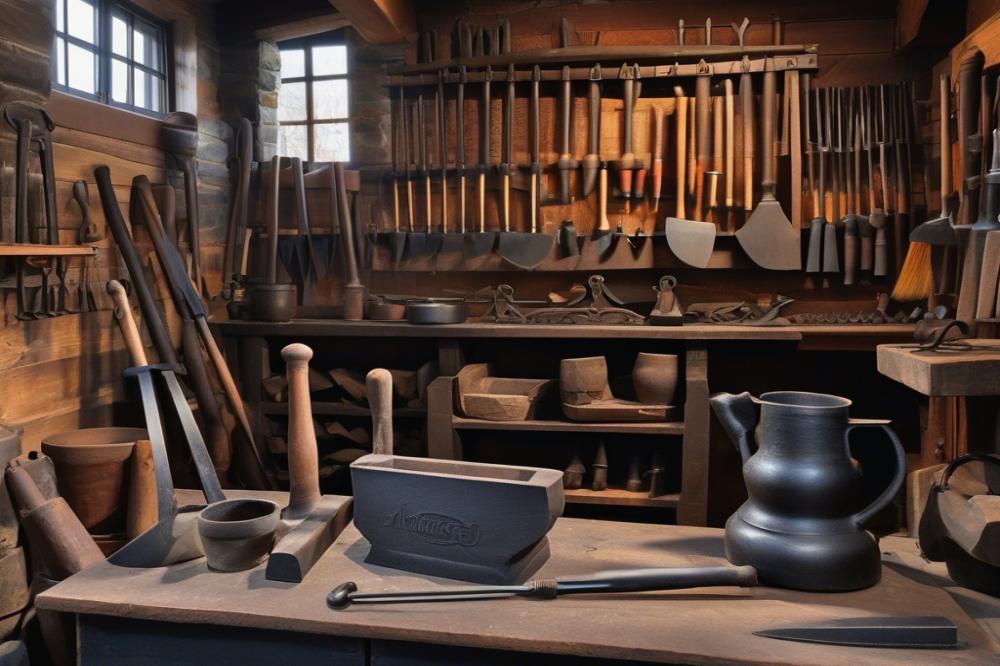
Understanding the Importance of Maintenance in Blacksmithing
Blacksmithing is a craft steeped in tradition and skill. However, the importance of maintaining workshop tools and equipment cannot be overstated. Proper forge maintenance and tool care can make a significant difference in the quality of work produced. Failing to maintain blacksmith equipment can lead to unforeseen failures, which not only disrupt projects but also pose risks to the blacksmith’s safety.
When equipment does fail, it often results in costly repairs and extensive downtime. These issues hinder productivity and can frustrate even the most patient artisans. Safety protocols play a crucial role in the workshop, but equipment failure can render them ineffective. Injuries can occur when tools malfunction, putting smiths at risk and leading to serious problems.
This article aims to highlight the essential methods in preventative maintenance and how they can enhance both safety and operational efficiency. By following a structured maintenance schedule, blacksmiths can extend the lifespan of their equipment. Implementing solid workshop best practices will significantly reduce the likelihood of unexpected repairs. Ultimately, equipment failure prevention ensures that the craft continues to thrive, allowing artisans to focus on their creations instead of worrying about their tools.
Understanding blacksmith maintenance
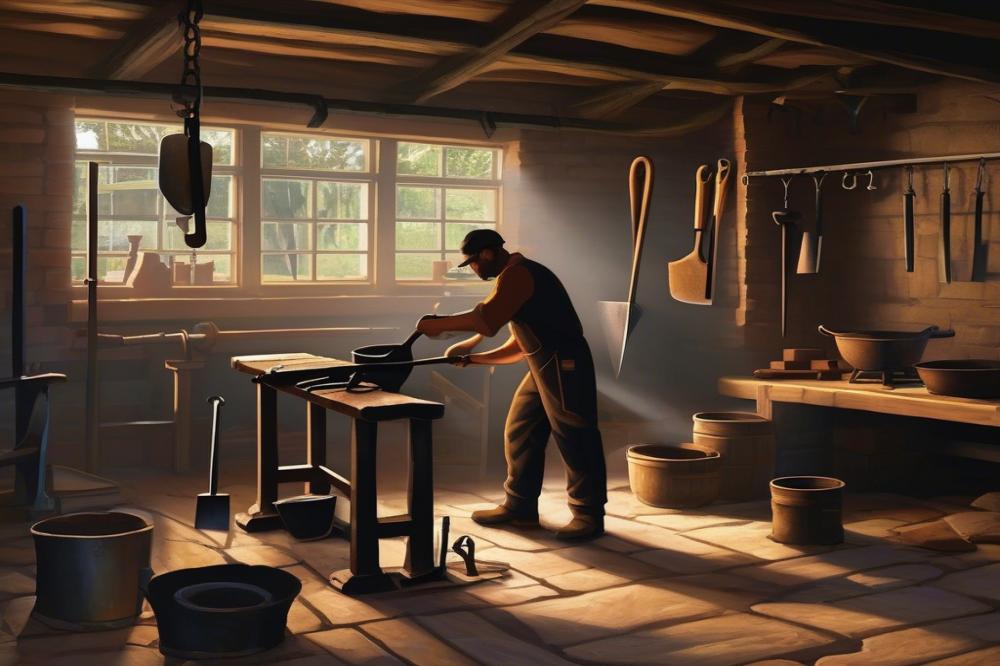
blacksmith maintenance plays a vital role in the world of metalworking. It involves the regular care and attention given to forge maintenance, tools, and other blacksmith equipment. Keeping everything in top shape prevents unexpected breakdowns and keeps the workshop running smoothly. Regularly maintaining equipment directly impacts both productivity and safety in the workshop environment.
Occupational health is closely linked to how well tools and equipment are cared for. Well-maintained equipment reduces the risk of accidents and injuries. Safe operations lead to better overall health for blacksmiths. For instance, faulty tools can lead to accidents that might cause more than just equipment failure; they can also affect the well-being of the craftsman. Adhering to safety protocols becomes paramount when considering the relationship between proper maintenance and a safe working environment.
Common equipment failures in blacksmithing often stem from neglect or improper use. Burnout from excessive heat can damage tools over time. Rust and corrosion weaken metal surfaces, causing significant problems down the line. Additionally, lack of routine maintenance schedules can result in tools becoming less effective. Regular inspections help identify wear and tear early, allowing for timely repairs before major problems arise.
Another cause of failures is improper tool care. In the heat of the moment, it’s easy to overlook proper storage and cleaning practices. Yet, these small details can greatly extend the equipment lifespan. Some blacksmiths may be tempted to cut corners when busy, but doing so can lead to costly mistakes. Engaging in preventative maintenance, however, leads to improved operational efficiency. Suggestions like cleaning tools after use or lubricating hinges can go a long way.
Implementing workshop best practices is essential. This can include creating a maintenance checklist and sticking to it consistently. Knowing when to schedule repairs helps minimize downtime. When blacksmiths take a proactive approach, they not only protect their equipment but also enhance the overall quality of their work.
Forge Maintenance
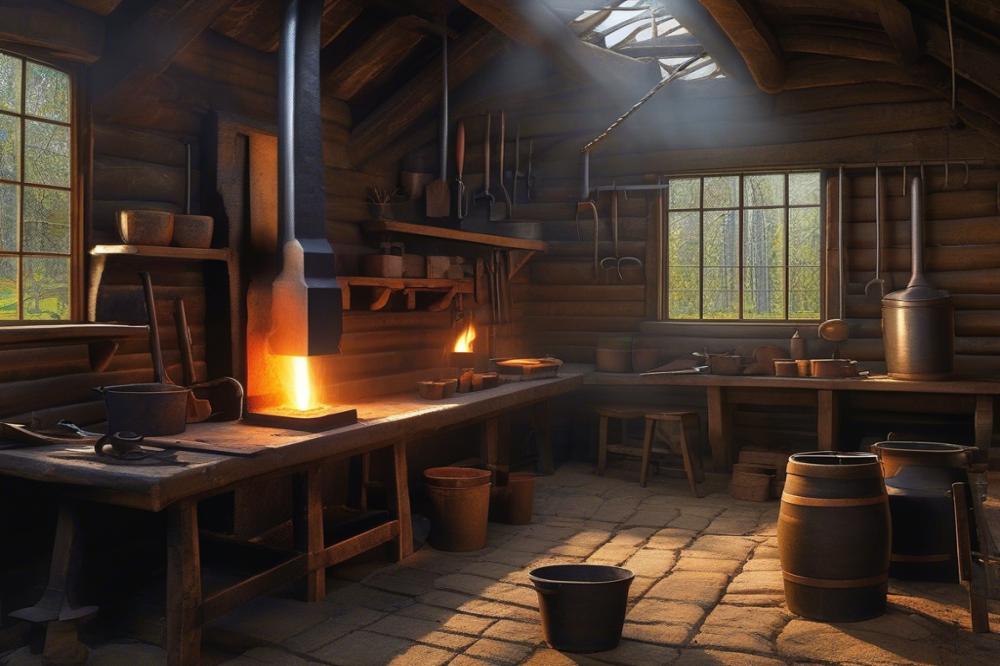
Essential Practices for Maintaining Forges
Regular maintenance is critical for any blacksmith’s workshop. Forges require consistent attention to operate effectively. Daily checks can prevent small issues from becoming bigger headaches. These checks include monitoring fuel supplies and examining the air supply. Keeping a clean workspace is just as important in maintaining equipment. Cleaning helps prevent build-ups of soot and carbon. Removing debris ensures better airflow and enhances safety protocols. Creating a maintenance schedule can lead to improved safety and operational efficiency. Scheduling these tasks can make a world of difference.
Cleaning and Inspection Routines
Establishing a routine for cleaning is essential. Vacuuming the forge area regularly helps remove unnecessary particles. Inspecting the forge structure can also unveil hidden issues. Look for rust, cracks, or other signs of wear. Each inspection should include checking the burners and their connections. This particular focus can prevent costly repairs later on. Ignoring these routines can lead to premature breakdowns. Always keep an eye on the temperature gauges. Monitoring them closely offers insight into how well the forge is functioning.
Identifying Worn Components and Replacing Them
It’s crucial to be vigilant about worn parts. Many blacksmiths have faced setbacks due to overlooked deterioration. Heating elements and grates often require replacement after extended use. Knowing when to replace these components can directly affect equipment lifespan. Just one worn part can reduce efficiency and lead to unsafe conditions. Identify problematic tools by checking their performance regularly. Regular assessments will help keep your tools in prime condition. Having spare replacement parts on hand can minimize downtime. Being proactive with repairs allows for smoother operations and better productivity.
Tool Care
Proper maintenance techniques for blacksmith tools are vital for both performance and safety. Every tool used in a blacksmith shop faces wear and tear. Regular sharpening can help maintain cutting edges, leading to cleaner cuts and more precise work. Tools that are dull can frustrate the user and lead to accidents.
Cleaning tools is just as important. Debris, grime, and rust can buildup over time and hinder their effectiveness. Using a wire brush or scraper can help keep tools clean. For blacksmith equipment, a simple wipe with an oil-soaked cloth can also prevent rust, prolonging operational efficiency.
Sharpening, Cleaning, and Storage Best Practices
When it comes to sharpening, establishing a routine is key. Use a sharpening stone or file to maintain the edge. Be sure to follow the angle already established. A consistent angle helps preserve the tool’s design, improving functionality.
Storage practices should not be overlooked. Tools should always be kept in designated spots, preferably in a dry environment. Wall-mounted racks or toolboxes can organize equipment and reduce the risk of damage. Implementing these workshop best practices can streamline workspace and enhance safety protocols.
Effect of Tool Care on Safety and Performance
Overall, effective tool care impacts both safety and performance significantly. Poorly maintained equipment can lead to dangerous situations. A malfunctioning tool may slip or break during use, resulting in injuries. Regular repairs and maintenance schedules can minimize these risks.
Moreover, the lifespan of tools increases with proper attention. Investing time in preventative maintenance saves money in the long run. It allows blacksmiths to focus on their craft rather than fixing problems. Regular checks and balances in tool care can make a world of difference.
Blacksmith Equipment Overview
Blacksmithing relies on various types of equipment to shape metal into useful tools and art. Common pieces include forges, anvils, hammers, and tongs. Each type of equipment serves a distinct purpose and comes with unique maintenance needs. Understanding these can enhance both safety and productivity in the workshop.
Types of Equipment Used in Blacksmithing
The forge acts as the heart of blacksmithing. It heats metal until it becomes malleable. Anvils provide a strong surface for shaping the heated metal. Hammers are essential for striking and forming, while tongs help grip hot materials safely. Each piece of equipment must be carefully maintained for optimal function.
Specific Maintenance Needs for Each Equipment Type
Forge maintenance includes regular checks on coal and ventilation systems. Crucial to safety, these aspects prevent fires and ensure proper airflow. Anvils require inspection for nicks and dents. These imperfections can affect the quality of work. For hammers, maintaining a solid handle and a well-shaped striking surface is vital. Inspect them often for any signs of wear. Tongs also need attention. Over time, they may become loose or warped, making them unsafe to use.
Impact of Neglect on Equipment Lifespan
Failing to perform regular maintenance significantly shortens equipment lifespan. Neglected forges can lead to inefficient heating and safety hazards. Anvil damage can ruin a blacksmith’s work, resulting in costly repairs and wasted materials. Hammers that aren’t maintained may break, causing injury. Tongs that are allowed to deteriorate can fail during use, leading to serious accidents. Proper maintenance schedules are essential for maintaining operational efficiency in the workshop.
Remember, adopting good workshop best practices can protect expensive investments in equipment. Regular preventative maintenance not only enhances performance but also keeps the workshop safe. Protect your tools and your craft by staying diligent with maintenance.
Preventative Maintenance Strategies
Developing a preventative maintenance plan
Creating a preventative maintenance plan starts with understanding each piece of equipment in the workshop. Blacksmiths should outline tasks for every tool and machine. It helps to identify critical machinery that needs more attention. A written plan acts as a guide. This ensures that no essential aspect is overlooked. Each tool has its own requirements. Regularly updating this plan keeps everything in working order. Make it a collaborative effort by involving the entire team. Their insights can highlight needs or issues that may not be obvious to one person.
Scheduling regular inspections and upkeep
Regular inspections play a vital role in forge maintenance. Scheduling these inspections at consistent intervals can help maintain operational efficiency. For tools, a simple weekly check can reveal issues before they become serious problems. Assign specific responsibilities to team members. This creates accountability and ensures compliance with maintenance schedules. Check for wear and tear frequently. Addressing small problems early can save time and money later. Not all inspections require in-depth technical knowledge. Sometimes, a visual check can be enough to prevent unfortunate breakdowns.
Key indicators for proactive repairs
Recognizing key indicators can significantly reduce equipment failures. Unusual noises or vibrations often signal that something is amiss. Pay attention to changes in performance, which may indicate an underlying issue. For instance, tools that don’t operate smoothly can indicate the need for further tool care. Keeping logs of equipment usage can also reveal patterns. Data over time helps track the lifespan of any blacksmith equipment. Observing maintenance trends can inform future repairs. Systematic approaches help maintain safety protocols, protecting both workers and tools. Ensuring everything runs smoothly increases both productivity and safety.
Safety Protocols for Maintenance
Conducting maintenance on blacksmith equipment requires attention to safety. This aspect is vital for both the well-being of the blacksmith and the effectiveness of the tasks. Following established safety protocols can reduce accidents and injuries significantly. Each maintenance session should start with planning and preparation, emphasizing safety first.
Importance of Safety Protocols During Maintenance
Recognizing the potential risks of working in a forge is crucial. Hot metals and heavy tools present many dangers. By adhering to safety protocols, blacksmiths can minimize these risks. Failing to implement proper procedures may not only lead to injuries but can also affect operational efficiency. Regularly reviewing these protocols keeps everyone aware and informed about the safety measures in place. These practices contribute significantly to the overall equipment lifespan.
Personal Protective Equipment (PPE) Recommendations
Using appropriate personal protective equipment is essential. A sturdy pair of gloves can protect hands from cuts and burns. Additionally, goggles shield eyes from flying sparks and debris. A well-fitted apron guards against hot splashes and sharp edges. Footwear should also be durable, preferably steel-toed, to protect against dropped tools. Make it a habit for all workers to wear the right PPE when engaging in tool care and forge maintenance. Regular inspections of this equipment can help identify wear and tear, ensuring maximum safety.
Emergency Procedures and Response Plans
Having a clear emergency response plan is also a must. Blacksmiths should know exactly what to do in case of an accident. Designate a first-aid area stocked with essential supplies. Regular training for all employees on emergency protocols creates confidence. Knowing how to use firefighting equipment promptly can prevent small fires from turning into bigger problems. Maintenance schedules should include drills rehearsing these emergency procedures. Being prepared prepares blacksmiths for unexpected situations.
Creating Maintenance Schedules
How to Develop Effective Maintenance Schedules
Crafting a maintenance schedule is critical for blacksmiths. Start by identifying all essential equipment used in the workshop. Regular inspections are key. Each piece of blacksmith equipment should be recorded with its maintenance requirements. Once a clear record exists, create a calendar. Assign specific days to check tools and machinery. This helps build a routine, making maintenance part of daily operations. Always remind yourself that neglect can lead to costly repairs later on.
Incorporating Equipment Usage Data into Schedules
Tracking equipment usage is equally important. Monitoring how often tools are used can help prioritize maintenance tasks. For instance, if a specific forge sees heavy use, it may need more frequent checks. Data analytics also aids in predicting when repairs might be necessary. By analyzing this information, schedules can be tailored to match actual wear and tear on equipment. Using this approach optimizes maintenance efforts. It allows for resource allocation in line with actual equipment demands.
Adjusting Schedules Based on Operational Efficiency
Change is often part of any workshop’s operations. Equipment performance can fluctuate based on various factors. Take the time to regularly review your maintenance schedules. If tools are running smoothly, extend intervals between checks. Conversely, if repairs are happening too often, adjust the schedule for increased inspections. Aligning maintenance efforts with operational efficiency not only improves workflow but also increases equipment lifespan. Safety protocols must also evolve based on these evaluations.
In essence, developing an effective maintenance schedule requires continuous adaptation. Understanding the unique demands of your tools strengthens the entire maintenance approach. Incorporate feedback from your workshop environment to enrich this ongoing process.
Workshop Best Practices
Designing the Workshop Layout for Efficient Maintenance
Creating a practical layout can significantly improve forge maintenance. Tools should be stored close to their points of use. This reduces time spent searching for equipment. Each workstation must have adequate space for repairs and routine checks. Arranging items for easy access is crucial for operational efficiency. Paths should remain clear to avoid injuries. An organized workspace can also boost productivity as workers feel less stressed. Make it a habit to regularly assess the layout for potential improvements.
Training Staff on Maintenance Protocols
Consistent training programs are essential for effective tool care. Employees must understand maintenance schedules and their importance. Knowing the basics of equipment operation can prevent many common issues. Regular workshops will help team members feel more confident about conducting inspections. Clearly outlining safety protocols is just as vital. Staff should learn how to identify signs of wear and know when to notify supervisors about needed repairs. Engaging staff in discussions about best practices will encourage a proactive mindset.
Fostering a Culture of Safety and Care
Promoting safety in the workshop requires a team effort. Conversations about safety should occur frequently. Encourage everyone to prioritize protective gear and check for hazards before starting work. When workers feel responsible for their surroundings, it leads to a safer environment. Recognition of positive behaviors can motivate others to follow. Creating a shared commitment to maintaining blacksmith equipment will improve overall upkeep. Establishing trust among team members will enhance communication regarding equipment concerns. A culture that values care and diligence will extend the equipment lifespan, benefiting the entire operation.
Final Thoughts on Equipment Care
Regular upkeep is crucial for blacksmiths. The tools and equipment are the backbone of any smithy. Without proper maintenance, these tools can break down at the worst possible moments. Not only does this lead to lost time, but it also affects the quality of work. Investing effort into routine checks can prevent many of these problems.
Now is the time to implement structured maintenance protocols. By establishing a set schedule for inspecting and caring for equipment, blacksmiths can enhance their productivity and safety. A proactive approach to forge maintenance makes a significant difference in daily operations. Consistency is key; regular attention to tools will usually yield better performance.
Continuing education is important for every craftsman. Workshops, online tutorials, and community classes can expand knowledge about tool care. New techniques and better practices can emerge as technology advances. Staying informed not only helps in maintaining equipment but also fosters a spirit of innovation in the workshop.
In closing, let’s prioritize the care of our valuable tools. Fostering a culture of maintenance enriches the craft and protects hard-earned investments. Every blacksmith can benefit from being vigilant about their gear. Take that first step today; your future projects will thank you.

