blacksmithing‘s Impact on colonial America
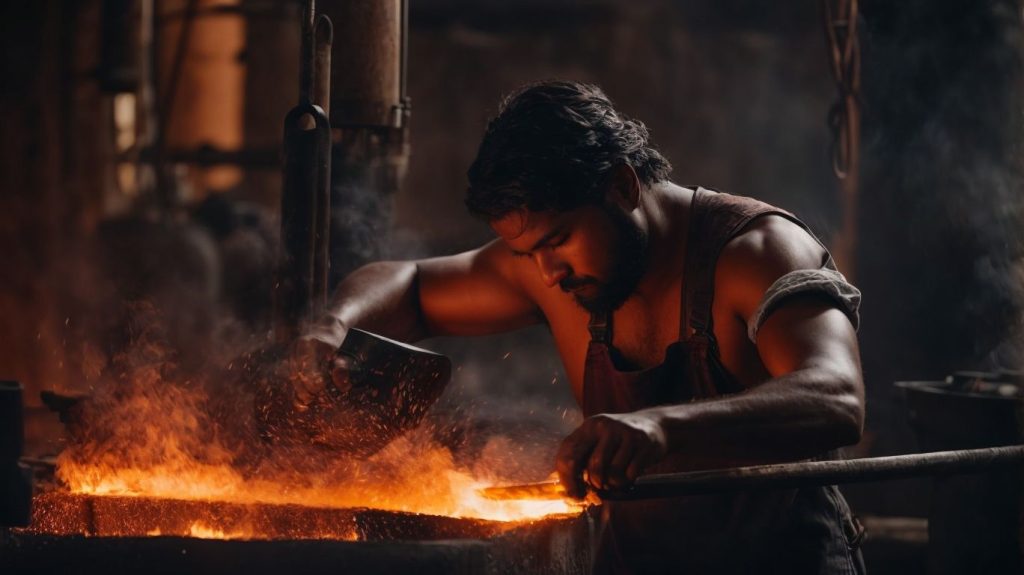
The role of a blacksmith was pivotal in early American society. This skilled labor not only shaped the physical landscape but also contributed significantly to the emerging economy. Through expertise in metallurgy, artisans fashioned everything from tools to household items. The craftsmanship displayed in ironworking became a cornerstone for many trades. Without the blacksmith, the daily lives of colonists would have been drastically different.
In colonial life, practical needs dictated the items produced in a blacksmith’s shop. Agriculture relied heavily on sturdy tools, while home construction demanded reliable hardware. There was also a cultural layer to this craft. Blacksmiths were not merely tradesmen; they were integral members of their communities. Their forge served as a gathering place, where stories were shared, and bonds were formed.
Music also found a unique connection to this profession. Some blacksmiths created musical instruments, blending artistry with function. These creations contributed to the cultural tapestry of the colonies, emphasizing how blacksmithing reached beyond utility into the realm of personal expression.
The forthcoming sections will delve deeper into various aspects of ironworking and its influences. The exploration will cover the daily life of blacksmiths, their significance in colonial economies, and the unique products they crafted. Understanding their impact offers a richer view of colonial history and the interconnectedness of trades during this period.
The Role of Blacksmithing in colonial America

Blacksmithing served as a cornerstone of early American society. This skilled trade revolved around the manipulation of iron and other metals. Its importance can be traced through both economic and social spheres of colonial life. Artisans practiced this craft to produce a diverse range of tools and everyday items, greatly impacting local communities.
Key functions of blacksmiths extended beyond simply forging metal. They acted as vital contributors to the local economy, catering to the needs of farmers, tradesmen, and households alike. Essential tools such as plows, horseshoes, and nails were produced in quantity, enabling various trades to flourish. In a society that heavily relied on manual labor, the availability of robust tools was crucial for sustaining agricultural practices and other industries.
Examples of items produced by these skilled laborers reflect both necessity and innovation. Baking ovens and cookware were crafted to assist in daily sustenance. Decorative ironwork like hinges and latches added practical elegance to homes. Additionally, blacksmiths often repaired broken tools, ensuring that work could continue uninterrupted. Their ability to adapt and create fulfilled a diverse range of community needs.
This rich craftsmanship highlighted the significance of metallurgy in daily colonial life. By transforming raw materials into functional creations, blacksmiths contributed to the foundational infrastructure of growing towns. Their shops often served as social hubs, where individuals could share news and ideas while awaiting repairs or new tools. Such interaction fostered a sense of community that was essential in an era defined by hardship and resilience.
Blacksmithing as Skilled Labor and Craftsmanship
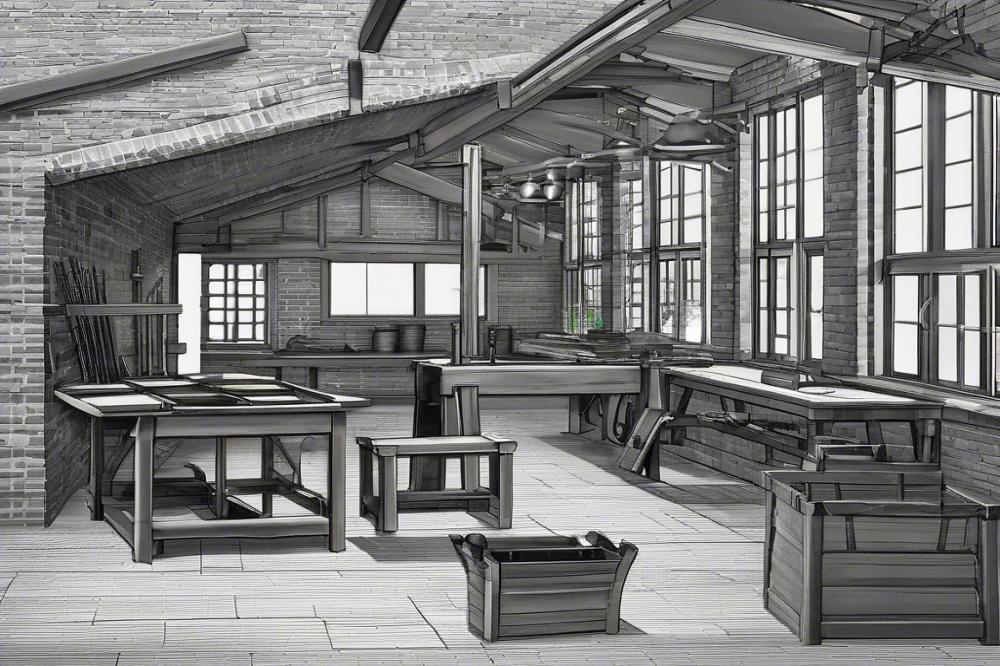
In the landscape of colonial America, blacksmiths emerged as vital artisans who shaped the economy and daily life. Their foundational skills allowed them to perform a wide range of tasks, from forging tools to creating ornamental works. As skilled laborers, these craftsmen held significant positions within their communities, often serving as the hub for trade and innovation.
Training for aspiring blacksmiths typically involved a rigorous apprenticeship. Young men, often starting around the age of 14, would apprentice under experienced blacksmiths for several years. During this period, they learned not just the practical aspects of ironworking, but also the nuances of metallurgy. Practical experience, combined with instruction, molded them into competent artisans capable of producing essential items for farm and household.
Artistry in blacksmithing goes beyond mere functionality. Intricate designs and personalized creations defined the work of many blacksmiths. The harmonious blend of beauty and utility was often reflected in everything from wrought iron gates to decorative tools. Each piece crafted was a testament to the skill and creativity of the blacksmith, enhancing the aesthetic environment of colonial life.
Tools played a crucial role in this trade. Hammers, anvils, and tongs became extensions of the smith’s hands, enabling them to manipulate the raw materials. Mastering these tools required practice and precision, allowing artisans to transform heated metal into practical or artistic objects. The connection between tool, technique, and artistry formed the backbone of what it meant to be a blacksmith in this era.
Within the community, the blacksmith was often seen as an indispensable resource. Farmers relied on them for plowshares and horseshoes, while householders sought the expertise needed to repair various implements. The trade fostered a sense of interdependence, allowing towns to flourish as centers of commerce and craftsmanship. Each blacksmith contributed to a local economy, ensuring that vital supplies were readily available for everyone.
Tools and Techniques of Blacksmithing

Common Tools Used by Blacksmiths
The blacksmith’s workshop was filled with various tools integral to the trade. The anvil stands as the centerpiece, a heavy block of iron or steel, used to shape heated metal. Hammers of different weights and sizes facilitate shaping, allowing the artisan to create intricate designs or sturdy functional items. Tongs, another critical tool, help hold hot metal securely. Additionally, bellows are essential for maintaining high temperatures in the forge. Each tool represents a unique facet of craftsmanship that defined the blacksmith’s role in colonial America.
Techniques Employed in Ironworking
Ironworking relied on distinct methods to transform raw materials into useful objects. Forging, the process of heating metal and shaping it with tools, was a fundamental technique. Smiths often employed techniques like drawing out and upsetting to increase length or bulk. The art of welding, another skill practiced by blacksmiths, allowed different pieces of iron to become a single unit. Each technique required precision and knowledge of metallurgy, reflecting the skill level of the blacksmith. Their ability to manipulate iron into functional and artistic forms was vital for the era’s growing economy.
Innovations in Tools and Methods During Colonial Times
The colonial period witnessed significant advancements in tools and techniques. Improvements in design led to more efficient bellows, enabling higher temperatures in forges. Innovations also included better hammers, which allowed for more refined work. Additionally, some blacksmiths began using coal instead of charcoal as a fuel, increasing efficiency and reducing costs. As the need for skilled labor grew, artisans shared techniques through trade networks, refining their craft with each collaboration. This flow of ideas and practices not only enhanced individual workshops but also fostered a sense of community among smiths, shaping the landscape of colonial history.
Economic Impact of Blacksmithing
The role of artisans in early communities cannot be understated. Blacksmiths emerged as pivotal figures in local economies during colonial times. Their skilled labor brought a level of craftsmanship that had a profound effect on daily life. Tools forged by these craftsmen were essential for agriculture, construction, and household needs. Such contributions allowed families to thrive in an otherwise harsh environment.
Trade connections forged by blacksmiths extended far beyond individual towns. They traded goods not only with local farmers but also with suppliers of raw materials like iron and coal. Commerce related to ironworking created a network that encouraged economic growth. This exchange of materials and finished products helped form a cohesive economic structure, facilitating interactions among various artisans. The presence of blacksmiths in colonial society stimulated demand for additional professions, creating a ripple effect throughout the economy.
Production of goods and services by these skilled laborers supported entire communities. They provided items ranging from horseshoes to tools necessary for farming. These products were not merely utilitarian; they represented the ingenuity and resilience of the colonial populace. Blacksmiths also repaired existing equipment, playing a crucial role in maintaining the functionality of farms and businesses. As they honed their skills in metallurgy, they contributed to improved techniques and innovative designs, further advancing local economies.
Through their work, blacksmiths nurtured a sense of community interdependence. Local craftsmen became invaluable, fostering relationships that strengthened towns. They were more than just providers of metal goods; they were central figures in the social and economic fabric of their neighborhoods. The legacy of their impact remains evident in the evolution of trade practices and local economies throughout colonial history.
Metallurgy and Material Use in Colonial Blacksmithing
Blacksmithing in colonial America was deeply intertwined with the principles of metallurgy. Understanding how different metals behave when heated and cooled was essential for artisans. This knowledge allowed them to create functional and durable items. Heat treatment, for example, altered the hardness and flexibility of metals, enhancing their properties for specific applications.
Iron was the predominant metal used due to its abundance and versatility. Blacksmiths often worked with wrought iron, known for its malleability, and cast iron, which was ideal for creating larger objects. Alloys such as steel became increasingly popular because they combined the best characteristics of various metals. Mixing iron with carbon produced a stronger and tougher material. As a result, the craftsmanship involved became crucial in crafting tools, weapons, and machinery essential for survival.
Various tools employed in the trade directly impacted the work done by blacksmiths. Hammering, cutting, and bending were fundamental techniques that allowed the artisans to manipulate raw materials. Anvil design also evolved, enabling smiths to achieve greater precision in their work. The evolution of technology such as the forge and bellows significantly improved the efficiency of metalworking processes. Advanced techniques in welding and forging further expanded the artisan’s capabilities.
The thriving economy of colonial settlements depended significantly on skilled labor, particularly in ironworking. Blacksmith shops became vital community hubs, offering essential services to townspeople. They forged everything from horseshoes to agricultural tools, enabling trade and commerce to flourish. As settlements grew, the demand for various metal goods increased, leading to innovation in metalworking practices.
Overall, the fusion of metallurgy and craftsmanship defined the industry. Advances in technology during this period propelled colonial blacksmiths to become significant contributors to both daily life and the economy. Their expertise and dedication helped lay the groundwork for future developments in metalworking.
Blacksmithing and Community Development
In colonial America, blacksmiths emerged as central figures within towns, playing a vital role in the local economy. These artisans were not merely skilled laborers; they were essential to the survival and growth of their communities. Without their expertise in metallurgy and craftsmanship, everyday life would have been significantly challenged. Each item they forged—tools, horseshoes, and household goods—was crucial for agriculture and daily tasks.
Communal gatherings often took place in or around the blacksmith’s shop. The forge became a social hub, where people congregated to share news and build friendships. Conversations flowed easily as individuals waited for their goods to be completed. This interaction fostered a sense of belonging that was essential in the colonial milieu. Over time, these gatherings strengthened community ties, creating a shared identity among residents.
The impact of blacksmiths extended beyond simple trade. They contributed to various local crafts, collaborating with other artisans who relied on their expertise. Carpenters needed metal fittings, and farmers sought reliable tools for their fields. In this way, blacksmiths served as linchpins in a broader network of trades and skills. Integrating practices and knowledge with other craftsmen enhanced the quality of goods available and stimulated economic growth.
Ironworking was not just a profession; it became a cornerstone of colonial life. Blacksmiths often educated apprentices, ensuring the craft was passed down through generations. Ironically, these skilled laborers occupied a unique position where art met functionality. Each item they produced bore the mark of their diligence and creativity, further solidifying their role within the community fabric.
Musical Instruments and Blacksmithing
The role of blacksmiths in early America extended beyond the creation of utilitarian tools and agricultural implements. These skilled artisans harnessed their knowledge of metallurgy to produce various musical instruments. The blend of functionality and creativity marked a significant evolution in the arts during colonial times. In many communities, blacksmiths became vital contributors to the local economy, guiding the development of cultural soundscapes.
Among the items crafted, the anvil played a crucial role in forging intriguing instruments. Iron became a popular material for preparing a range of percussive tools, such as bells and triangle instruments. Additionally, some skilled laborers took their craft further by creating complex designs for wind instruments. These early forms of trumpets and horns often reflected the blacksmith’s expertise and attention to detail.
The transition from practical creation to artistic craftsmanship occurred gradually. As colonial culture flourished, musicians sought unique sounds that could captivate audiences. This need opened up opportunities for artisans to innovate beyond simple construction. Consequently, the lines between instrument production and artistic expression began to blur, leading to more elaborate designs and intricate details.
Artisans began to experiment with different shapes and sizes, allowing musicians to express themselves more fully. Certain blacksmiths even collaborated with woodworkers and instrument makers to enhance tonal quality. This collaboration reflected a shared commitment to enriching the musical experiences of their communities. Eventually, the production of musical instruments became recognized as a specialized trade of its own.
Through the lens of colonial history, it’s evident that blacksmiths played a pivotal role in cultivating local music. Their ability to forge metal into sound resonated with the communal spirit of the time. The intersection of craftsmanship and music laid a foundation that would influence American music for generations to come.
Final Thoughts
The role of blacksmithing in colonial America was undeniably critical. Blacksmiths provided essential tools and equipment that supported everyday life and the burgeoning economy. From horseshoes to cookware, these skilled artisans helped shape both rural and urban landscapes. Additionally, their contributions were vital during wartime, as metalwork was integral to military supplies and weaponry.
A lasting legacy persists today, where craftsmanship continues to draw inspiration from these early trades. Modern artisans often find themselves looking back at traditional techniques to enhance their skills. The influence of that period can be seen in various crafts, where blending old methods with contemporary styles creates something innovative and beautiful. Today’s makers, whether they work in metal, wood, or other mediums, can trace threads of inspiration back to those early smiths.
Understanding the historical context of these formative years enriches our appreciation for craftsmanship. When appreciating handcrafted items, consider the lineage of the tools and techniques that contributed to them. Each piece carries a story rooted in the journey of human creativity and resilience. Reflecting on the impact of blacksmithing reminds us of the importance of preserving these traditions for future generations.