Introduction
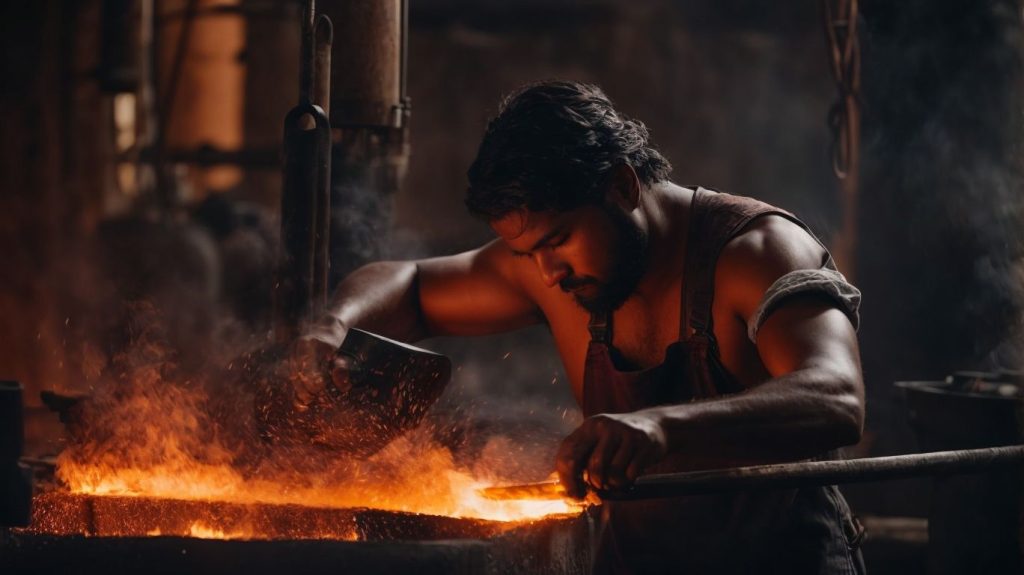
The art of Blacksmithing has played a pivotal role in the history of Ancient India, shaping both its economy and culture. metalworking represented not just a means of production, but also a profound connection to the land and its people. Evidence of iron metallurgy can be traced back thousands of years, highlighting the sophisticated knowledge of ancient artisans.
Craftsmanship in this field involved techniques passed down through generations. Artisans dedicated their lives to mastering skills that allowed them to create tools, weapons, and ornamental pieces. The significance of this craft extended beyond mere utility. It was also a reflection of social hierarchy and cultural heritage, as certain families became renowned for their expertise and artistry.
Regional variations contributed to the diversity of metalworking practices observed throughout the subcontinent. Each locale boasted unique methods and styles, from the forging of agricultural tools in rural areas to weapon forging in regions influenced by warfare. This specialization created an artisan community that was vital to sustaining local economies.
Interestingly, the blacksmith’s hammer echoed not only in the realm of tools and weaponry. It also found a place in the crafting of musical instruments. The crafting techniques utilized by blacksmiths mirrored those of instrument makers, intertwining their legacies. Both crafts share a foundation built on rhythm, movement, and the transformation of raw materials into something that resonates with life.
In summary, the Blacksmithing traditions of Ancient India illustrate a rich tapestry of historical significance and cultural identity. They formed an essential part of the daily lives of people, shaping their realities and legacy. Understanding this craft offers a glimpse into the ingenuity and resilience of a civilization celebrated for its advancements.
Historical Significance of Blacksmithing
The origins of blacksmithing in ancient India can be traced back to the Indus Valley civilization, around 3000 BCE. Evidence shows that early artisans engaged in metalworking, skillfully shaping copper before transitioning to iron metallurgy. These developments occurred long before similar advances appeared in other parts of the world. Over time, the craft evolved, benefiting from traditional techniques passed down through generations.
A significant role was played by blacksmiths in societal development. The production of tools and agricultural equipment facilitated shifts in farming practices. This led to increased productivity and supported growing populations. Weapon forging became increasingly important, especially during times of conflict. Regions developed their unique styles and methods, showcasing diverse approaches to crafting both utilitarian objects and tools for war.
The influence of the artisan community extended beyond mere functionality. Craftsmen were vital in shaping cultural heritage, embedding their work in the fabric of daily life. As villages formed around smithing workshops, communities thrived on the exchange of goods and ideas. In many areas, the blacksmith’s forge became a focal point for trade and social interaction, reinforcing the importance of these craftsmen in local economies.
Regional variations enriched the field of iron metallurgy. Different climates and resources led to distinct practices, allowing artisans to adapt their methodologies. While some focused on producing intricate jewelry, others specialized in manufacturing robust farming tools. Each contribution, however small, carved a place for blacksmithing within the larger narrative of ancient Indian society. Such diversity showcases the ingenuity of these craftsmen and their ability to innovate amidst varying circumstances.
As a cornerstone of technology, the craft’s significance cannot be overstated. Innovations derived from blacksmithing not only improved weapons but also revolutionized everyday tools and ornaments. Metalsmithing techniques influenced a wide array of trades and artistic expressions, reinforcing the interconnectedness of various crafts. Knowledge passed along through families ensured that the art form remained vibrant throughout history, imbued with both skill and meaning.
Traditional Techniques of Blacksmithing

Ancient India was rich in metalworking traditions, where skilled artisans employed various traditional techniques to shape and manipulate metal. Methods used in this craft were not merely functional; they were art forms in themselves. Hammering and forging heated iron on an anvil allowed craftsmen to create robust tools and intricate weapons. The process often began with selecting high-quality ores that determined the durability of the final product.
Tools played a crucial role in the crafting process. Essential instruments included the hammer, tongs, and the anvil—a centerpiece of the workshop. Each tool had its purpose, with the hammer varying in size and weight for different tasks. Tongs were designed to grip hot metals securely while ensuring the blacksmith maintained safety. Some artisans incorporated specialized tools, tailored to specific regional needs, showcasing local practices and resources.
Knowledge within the artisan community was often passed down through generations. Mentorship formed the backbone of this cultural heritage, as experienced smiths trained apprentices in the nuances of iron metallurgy. This transfer of specialized knowledge encompassed everything from the chemistry of metal to the artistry involved in weapon forging and tools production. Historical significance of these practices amplified the value of the craft in society, reflecting economic, military, and artistic needs.
Regional variations further enriched these techniques. Each locality developed unique styles, influenced by available materials and the demands of the community. Northern regions often excelled in weapon forging, creating swords and spears known for their craftsmanship. In contrast, southern regions put emphasis on agricultural tools, demonstrating the diversity within the blacksmithing tradition.
Blacksmithing and Weapon Forging

Significance of Blacksmithing in Weapon Production
Craftsmanship in ancient India was deeply intertwined with warfare. The production of weapons demanded not just skill but also an understanding of materials. Metalworking played a crucial role in creating tools of war, reflecting the technological advances of the time. Weapons such as swords and arrows were essential for defense and hunting, showcasing the vital role of blacksmiths in society. Iron metallurgy evolved, enabling artisans to produce stronger and more reliable weapons. Each piece forged told a story of conflict and survival, making blacksmithing a cornerstone of military strength.
Techniques for Forging Swords, Arrows, and Armor
Traditional techniques varied regionally, influenced by the availability of resources and cultural practices. Swords were often crafted using stratified methods, combining different grades of iron to enhance resilience. The art of arrow production involved precise shaping, ensuring aerodynamics and lethality. Blacksmiths also worked on armor, utilizing thick metal plates to offer protection during battles. Heat treatment was critical in all processes, allowing the metal to reach optimal hardness. Additionally, the aesthetic aspect was not ignored; decorative elements often adorned weapons, merging function with beauty.
Role of Blacksmiths in Ancient Warfare
Within the artisan community, blacksmiths held a revered status. They were not only creators of weapons but also consultants for strategizing in conflicts. Understanding the nuances of weapon forging included knowledge of metallurgy that could determine the outcome of battles. Their expertise supported warrior classes, granting them essential tools for both offense and defense. In times of war, blacksmiths often worked in collaboration with military leaders, providing insights into armament strategies. Their contributions extended beyond mere production; they helped shape the very fabric of ancient warfare.
Tools Production in Blacksmithing
Blacksmiths in ancient India were essential artisans who produced a wide array of tools. Their repertoire included shovel heads, sickles, and plows, items crucial for daily life. Each crafted tool reflected a blend of iron metallurgy and traditional techniques passed down through generations. Such craftsmanship not only served practical needs but also showcased the skill and artistry of the blacksmiths.
In agriculture, the utilization of these tools significantly impacted productivity. A well-shaped plow enabled farmers to till soil more efficiently, while a sturdy sickle made harvesting easier. Communities became more self-sufficient as they adopted tools that suited their specific regional variations. This localized approach not only improved agricultural yield but also reinforced the cultural heritage of various artisan communities.
Weapon forging also formed a notable aspect of the tools produced. Swords and spears were not merely instruments of war; they held historical significance. The craftsmanship involved in their creation imbued a sense of pride and identity among the people. Additionally, blacksmiths played a pivotal role in sustaining local economies by providing necessary tools for both warfare and agriculture.
Communities benefitted from the sustainable practices of these artisans. By relying on local resources and materials, blacksmiths contributed to environmental conservation. Their skills enhanced self-sufficiency, as towns and villages became less dependent on outside sources for essential tools. This approach reflected an intrinsic understanding of the balance between production and preservation.
Regional variations in tools produced reveal a rich tapestry of cultural differences. Each area adapted its production techniques according to the available resources and needs of the population. Consequently, tools could be as simple as farming implements or as complex as ceremonial weapons. Such diversity illustrates the deep interconnectedness of community identity and artisanal labor in ancient India.
Regional Variations in Blacksmithing Practices
Across ancient India, the art of metalworking manifested distinct regional styles. Local resources and cultural contexts shaped these practices significantly. For instance, states such as Punjab and Rajasthan showcased their skills in weapon forging, producing swords and daggers that reflected both aesthetic beauty and functional prowess.
In contrast, the southern regions, particularly Tamil Nadu, concentrated on agricultural tools production. The emphasis here rested on practicality, with blacksmiths creating implements that facilitated farming and daily life. Historical significance lies in how these tools affected agricultural productivity and, consequently, societal progress.
Artisan communities in various parts of India adopted traditional techniques passed down through generations. The methods employed in crafting items varied not just in process but also in design. The use of specific alloys, for example, indicated an understanding of iron metallurgy that was regionally adapted. These small yet telling differences marked a heritage steeped in functionality and cultural identity.
Geography also played a crucial role in determining the available materials and the subsequent styles. In areas rich in iron ores, blacksmiths honed their craft to produce sturdier weapons and tools. Alternatively, regions with abundant wood led to innovative combinations of metal and wood in tool crafting. Such variations enriched the artisan repertoire and contributed to the diversity of practices found throughout the subcontinent.
As community structures influenced craftsmanship, so too did cultural legacies. Rituals surrounding weapon forging carried different meanings across regions. Certain communities regarded the act as a spiritual endeavor, with blacksmiths often performing prayers before commencing their work. This ritualistic aspect underscored the deep bond between the craft and the culture from which it emerged.
Ultimately, the interplay of geography, cultural heritage, and artisan skills created a heterogeneous tapestry of blacksmithing practices in ancient India. The differing techniques and characteristics not only tell stories of the past but also highlight the resilience and creativity inherent in these ancient communities.
The Artisan Community of Blacksmiths
The structure of the blacksmithing community in ancient India was a complex web of relationships and skills. Various artisans specialized in different areas of metalworking, with roles often passed down through generations. Family ties played a significant role in this organization, as knowledge and traditional techniques were typically inherited. Workshops operated as small units where collaboration was commonplace, allowing craftsmen to refine their skills and produce a diverse array of products.
Social status influenced many aspects of blacksmithing. Often, lineage determined one’s place within the community. Some families enjoyed higher prestige due to their unique historical contributions, especially in weapon forging and ceremonial tools production. Others, however, faced stigma due to perceived lower-status trades, as many communities associated metalwork with certain castes. This division sometimes stunted opportunities for aspiring artisans from less favored backgrounds.
Cultural heritage played an integral part in shaping the skills and techniques used in metalworking. Master craftsmen often drew upon ancient texts and regional variations to enhance their craftsmanship. Such contributions fostered a rich environment for cultural exchange, as different regions shared knowledge through trade. Iron metallurgy, in particular, showcased how blacksmiths could adapt techniques based on local resources, leading to innovations in both design and function.
This artisan community not only produced practical tools and weapons but also contributed significantly to the broader cultural landscape. Festivals often featured intricate metal sculptures and ceremonial items crafted by skilled hands, highlighting the importance of artistry in everyday life. The legacy of these artisans remains evident today in handcrafted metal items that continue to tell stories of their ancestral roots.
Cultural Heritage and Preservation of Blacksmithing
Preserving traditions surrounding metalworking holds immense value today. These ancient practices contribute significantly to our understanding of craftsmanship and cultural identity. Communities reliant on historical knowledge recognize the importance of maintaining these skills. Craftsmanship in this context encompasses the creation of tools, weapons, and various items used in daily life. Without efforts to safeguard these traditions, a vital connection to our past risks being lost.
Modern adaptations of traditional techniques illustrate a remarkable resilience in the artisan community. Some blacksmiths have started to incorporate contemporary designs while retaining ancient methods of iron metallurgy. This fusion encourages a dialogue between the past and the present, paving the way for innovations that respect the original forms. Regional variations in practices further enrich this craft, as artisans draw on local materials and cultural influences. Such adaptations showcase the versatility inherent in these age-old skills.
Numerous initiatives focus on maintaining the cultural heritage linked to this trade. Workshops and training programs often aim to pass on knowledge to younger generations. Community festivals frequently celebrate blacksmithing, highlighting its role in traditional crafts. These events serve as platforms for storytelling, where artisans share their historical significance and personal experiences. Documenting these practices, both visually and through written narratives, helps in charting a course for future generations.
Engaging with local artisans fosters a deeper appreciation for their craft. Artisans often invite enthusiasts to witness the intricacies of weapon forging and tools production firsthand. Such experiences cultivate an understanding of the labor and creativity involved in each piece. Scholarships and grants may also support budding blacksmiths, enabling them to explore and refine their skills. In doing so, they contribute to a vibrant tapestry of heritage that enriches the community.
Reflections on Blacksmithing Traditions in Ancient India
Blacksmithing held a pivotal role in ancient Indian society. This artisanal practice not only supported daily life but also shaped economic and cultural landscapes. The creation of tools, weapons, and various utensils reflected the skills and creativity of those who practiced metalworking. Such contributions were essential for agriculture, warfare, and survival.
A legacy persists, as modern craftsmen continue to draw from these ancient techniques. The traditions have evolved but still express the same dedication to skilled craftsmanship. Artisans today honor their forebears by melding ancient forms with contemporary techniques, creating items of both beauty and utility. This continuity highlights the relevance of blacksmithing practices across centuries.
Moreover, the intertwining of metalworking with musical instrument creation enriches the understanding of cultural expression in India. The craftsmanship involved in making instruments like the sitar or the tabla showcases an extraordinary blend of art and functionality. Each piece tells a story, connecting its maker to the past while resonating with present musical traditions. The sounds produced are not just music; they are echoes of history.
The journey of these traditions reveals a rich tapestry of innovation and resilience. As society advances, the essence of these practices remains, showing their adaptability and significance. Looking ahead, one can hope that the admiration for such artisanal skills persists, inspiring future generations to uphold and innovate within this cherished heritage.