The Art of Blacksmithing in Feudal Japan
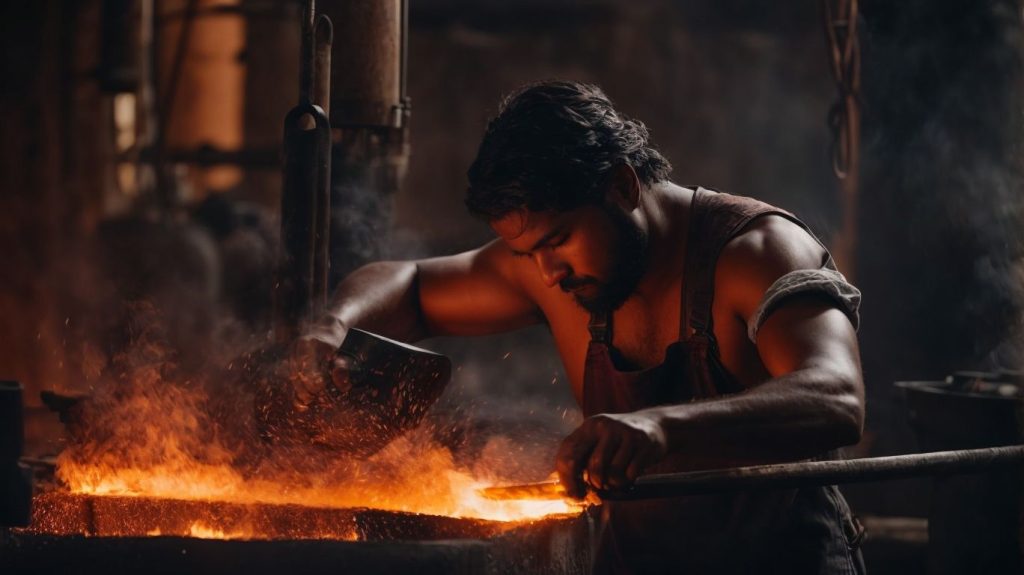
The craft of Blacksmithing in Feudal Japan represents an intricate fusion of functionality and artistry. It is a trade steeped in cultural heritage, where skilled artisans dedicated their lives to mastering the techniques necessary for forging weapons and tools. Among these artisans, swordsmiths held a particularly revered status due to their ability to create legendary blades.
The katana, a symbol of the samurai‘s honor and martial prowess, embodies the pinnacle of Japanese metalworking. Each piece begins with raw materials transformed through meticulous metallurgy and specialized forging techniques. The craftsmanship involved in producing a katana is not merely technical; it is an art form that reflects deep philosophical and cultural significance.
In addition to swords, other traditional crafts flourished alongside blacksmithing. Tools for agriculture and daily life also required the same precision and skill. These craftsmen not only served warriors but also nurtured communities through their functional artistry. The delicate balance between utility and aesthetic beauty distinguished their creations from mere implements of war.
The tachi, a predecessor to the katana, showcases the evolution of sword design and the importance of these blades in Japanese history. The craftsmanship involved in shaping a tachi was similar to that of its successor, leading to a legacy that still influences modern practices today. Understanding these forging techniques sheds light on the profound impact of blacksmithing on the culture of Feudal Japan.
The significance of blacksmithing goes beyond mere weapon-making. It is a cornerstone of Japanese cultural identity. As technologists and artists, swordsmiths contributed to a narrative that shaped the very essence of what it meant to be a samurai. Their work fostered not only the survival of traditions but also the advancement of art as a vital aspect of heritage.
The Role of Blacksmithing in Feudal Society

In feudal Japan, blacksmiths held a pivotal role in society. They were not merely artisans; they were essential pillars of the community. The demand for tools, weapons, and agricultural implements created a thriving environment for these craftspeople. Every village relied on their skills for survival and protection. A well-crafted sword could mean the difference between life and death in the tumultuous world of samurai warfare.
The social status of blacksmiths was considerable. Skilled artisans were often revered for their expertise in metallurgy and the intricate forging techniques they employed. Their work involved not only the crafting of weapons like tachi and katana but also everyday tools essential for farming and living. As masters of traditional crafts, they embodied the rich cultural heritage of Japan, merging artistry with functionality.
Collaboration between blacksmiths and samurai was particularly critical. Samurai needed dependable weapons to safeguard their domains. A blacksmith’s fortune lay in his ability to forge superior blades. Whether it was the elegance of a katana or the power of a tachi, these swords became symbols of status and strength. Blacksmiths worked closely with samurai, refining techniques to produce blades that best suited their needs.
Furthermore, the artistry involved in weapon-making contributed to a samurai’s honor and role. Form and function were intertwined; a beautifully crafted sword reflected not only its maker’s skill but also the spirit of the warrior who wielded it. Each blade bore the mark of its creator, carrying a legacy that transcended generations. In many ways, the relationship was symbiotic. Samurais relied on blacksmiths for their arms, while blacksmiths benefited from the patronage and protection that came from skilled warriors.
The intricate balance of demand and supply underscored the interplay between these two groups. Samurai sought innovative designs and techniques to gain an edge over their rivals. Blacksmiths, motivated by this desire, pushed their craft to new heights. The forging of weapons became a revered art form, celebrated and respected within this hierarchical society.
Ultimately, blacksmiths helped shape the very essence of feudal Japan. They were more than just craftsmen; they were key players in a larger narrative of power, tradition, and survival. Their legacy continues, resonating far beyond the boundaries of the villages they inhabited.
Metallurgy in Feudal Japan

The art of metallurgy in Feudal Japan is a fascinating blend of science and tradition. This meticulous process was foundational to the creation of weapons and tools, essential for the samurai class and everyday life. Blacksmiths, often referred to as swordsmiths, utilized a material known as tamahagane. This steel, created from iron sand, would become central to the forging of iconic blades.
Diverse forging techniques characterized Japanese metallurgy. The approach involved multiple stages of heating and folding. This practice not only increased the blade’s strength but also enhanced its aesthetic qualities. The combination of heat, hammering, and folding resulted in a product that was both functional and beautiful. It was not merely about the physical attributes; there was an artistry inherent in every sword produced.
Tamashigane, with its high carbon content, was prized for its ability to be shaped into sharp, resilient edges. Understanding the chemical properties of various materials was crucial. The quality of iron and steel directly influenced the effectiveness of weapons like the tachi and katana. The sharpening and tempering processes, performed with care, were critical in crafting swords that could withstand battle.
Tools used by artisans reflected their dedication to their craft. From hammers to anvils, each instrument served a specific purpose. Masters held a deep respect for their materials. They believed that the spirit of the steel was released through labor and skill. This philosophy demonstrated how intertwined metallurgy was with the broader cultural heritage of Japan.
Materials were often sourced locally, aligning the craftsmanship with the region’s specific geological conditions. Regional variations in iron content affected the final quality of blades. This divergence in resources resulted in a landscape of craftsmen who each had their own style and signature techniques. The legacy of these swordsmiths can be seen even today, exemplifying the high standards and meticulous approach they embraced.
Forging Techniques
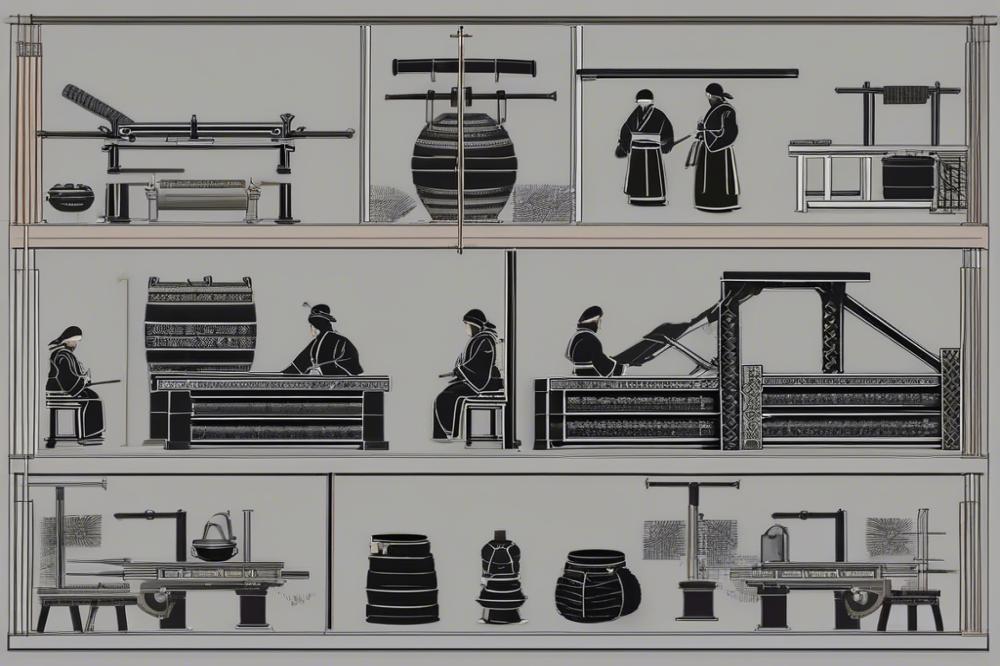
In the realm of traditional crafts, the artistry behind swordsmithing in feudal Japan relies heavily on intricate forging techniques. Master blacksmiths utilized a variety of methods to craft iconic weapons like the katana and tachi. These processes not only enhanced the physical properties of the swords but also carried deep cultural significance.
One key technique involved folding the metal. This method, known as tatara, allowed smiths to combine different types of iron to improve the overall quality. By repeatedly hammering and folding the metal, impurities could be eliminated, resulting in a more homogeneous material. Each fold added layers, creating a unique pattern known as hada, which is still admired today. This practice contributed to the strength and resilience of the final blade.
Another important process is tempering. Swordsmiths heated the blade to red hot and then quenched it in water or oil. This rapid cooling helped to harden the steel, while the subsequent reheating—tempering—relieved some internal stresses. This delicate balance of heating and cooling ensured that swords maintained flexibility without sacrificing durability. The flexibility was crucial for the samurai, allowing them to perform agile maneuvers in battle.
Metallurgy played a vital role in these techniques. Understanding the properties of different types of iron and steel was essential for creating high-quality weapons. Swordsmiths experimented with various materials, such as tamahagane, a type of steel made from iron sand. The quality of this raw material directly impacted the sword’s performance.
Tools used during forging varied greatly. Hammers, anvils, and specialized chisels allowed smiths to shape their creations down to the finest detail. Precision was necessary to achieve the desired taper and curvature of the blade, which not only affected aesthetics but also performance in combat. Each tool had a specific purpose, reflecting the deep knowledge and skill of the craftsmen.
These traditional forging techniques represent more than just methods of production. They embody a cultural heritage that connects generations. The values upheld by the samurai are woven into the very structures of the swords they wielded. Craftsmanship becomes a form of expression that transcends utility, transforming metal into an extension of the warrior’s spirit.
As contemporary swordsmiths continue these age-old practices, they honor a legacy rich with meaning. The methods of the past still influence modern techniques, ensuring that the artistry of sword making lives on in today’s world. Through this synthesis of tradition and contemporary interpretations, the essence of the katana and tachi remains unbroken.
The Craft of Swordsmithing
Swordsmithing stands as a distinguished branch of blacksmithing, revered for its artistry and technical precision. In feudal Japan, the creation of swords transcended mere functionality. It embodied a profound cultural significance, particularly for the samurai who wielded these weapons.
Crafting each blade involved meticulous attention to detail. Swordsmiths, honing their skills over generations, employed advanced metallurgy and refined forging techniques. Tachi and katana represent the pinnacle of this specialized craft. While the tachi features a longer blade, designed primarily for cavalry use, the katana offers a more compact design, ideal for the close-quarters combat favored by the samurai. Each sword is a reflection of the era’s changing warfare and societal norms.
Artistry manifests in every aspect of sword creation. The curvature of the blade, the quality of the steel, and the intricate designs on the tsuba all contribute to its beauty and function. Tools utilized by swordsmiths were themselves works of art, designed for precision. The forge, often deemed the heart of the swordsmith’s workshop, buzzed with the rhythm of hammers striking heated metal.
Historical styles of swords carry deep meanings as well. The tachi symbolizes nobility and status, often worn suspended with the edge facing down, while the katana reflects a more personal connection between the samurai and his weapon, carried in an upright position. These distinctions were not mere aesthetics; they conveyed messages about the wearer’s role and identity.
Further enriching this craft is the rich tradition of rituals associated with sword-making. Each step, from the selection of materials to the final polishing, is steeped in historical significance, showcasing Japan’s cultural heritage. Families of swordsmiths often maintained their secrets, passing down knowledge that shaped generations of artisans.
The intricate designs on the blade may also symbolize various values and philosophies. Elements such as wave patterns indicate strength, while floral motifs can denote beauty and gracefulness. Such artistry ensured that no two swords were alike, reflecting the personal touch of the smith.
As the demand for swords grew, southern regions of Japan became prominent centers for swordsmithing, where traditional crafts flourished. These regions became synonymous with high-quality production, attracting samurai and collectors alike. The legacy of these smiths continues to influence modern-day artisans, echoing the past in contemporary creations.
Tools of the Trade
The art of blacksmithing in feudal Japan hinged on a variety of essential tools. Each implement served a specific purpose, crucial for the intricate process of crafting weapons and tools essential for samurai and everyday life. Among the foundational tools, the anvil stood out as the centerpiece of the forge.
Anvils, usually made from hardened steel, provided a stable surface for shaping heated metal. Smiths would position their workpieces on these anvils, utilizing gravity and physics to manipulate the material efficiently. The design of these anvils varied, reflecting regional styles and the specialties of swordsmiths, who crafted renowned blades like the tachi and katana.
Hammers played an equally significant role. Different hammers existed for various tasks, from heavy, broad hammers used for initial shaping to smaller, precision hammers for detailed work. Mastery over these tools was necessary for executing complex forging techniques without compromising the integrity of the blade.
Besides hammers and anvils, several other tools were indispensable. Tongs, used to hold hot metal, came in multiple forms tailored for gripping particular shapes and sizes. Quenching tanks, essential for the cooling process, allowed for rapid temperature changes that influenced the final properties of the metal. The process of metallurgy was deeply integrated into these practices, with each tool finely crafted and maintained.
In addition, specialty tools enhanced the artistry of blacksmithing. Files and chisels allowed for detailed engraving and the perfecting of the blade’s spine or edge, imparting both beauty and functionality. The smith would use each tool in a harmonious rhythm, reflecting both technical skill and an appreciation for traditional crafts.
Various forging techniques distinguished experienced smiths. Hammer techniques, angle adjustments, and heat management were all critical factors. The synthesis of these skills not only demonstrated proficiency but also contributed to Japan’s rich cultural heritage regarding weapon-making. Crafting blades was less about mere utility and more about creating lasting legacies.
In summary, understanding the tools of the trade reveals much about the blacksmith’s world. Each piece of equipment came into play in a complex dance of skill and tradition. The relationship between the smith and their tools defines the mastery required to transform raw materials into exquisite, functional works of art.
Artistry and Aesthetics
The artistry inherent in the craft of blacksmithing in Feudal Japan transcends mere functionality. A swordsmith invested meticulous effort into each piece, resulting in masterpieces that combined beauty and purpose. Swords like the tachi and katana exemplified this delicate balance, serving both as lethal weapons and stunning symbols of status.
Intricate designs adorned the blades, reflecting the samurai’s spirit and the values of the time. Techniques of metallurgy and forging evolved to accentuate aesthetic features while adhering to rigorous standards of durability. This duality highlights the reverence for craftsmanship within the cultural heritage that defined Japanese society.
Tools used in creating these weapons were as refined as the art itself. Each hammer strike contributed to a narrative, melding aesthetic ambition with practical necessity. Details such as the curvature of the blade and the quality of the polishes made every sword a unique statement.
Moreover, traditional crafts extended beyond weaponry. The creation of tools for everyday tasks mirrored the same dedication. Blacksmithing, as an intertwining of artistry and skill, manifested in every aspect of life, thereby enriching the community’s appreciation for craftsmanship.
Such integration of form and function reveals profound insights into Japanese values. The emphasis on beauty is not superficial; it interlaces deeply with purpose and honor. Each sword bore not only the weight of potential violence but also the grandeur of artistic expression.
Cultural Heritage and Legacy
The cultural heritage of blacksmithing in Japan is a profound narrative intertwined with the fabric of society. Reflecting a lineage steeped in history, the craftsmanship of swordsmiths shaped the identity of the samurai. Techniques employed in forging tachi and katana have transcended time, influencing not only martial arts but also the very essence of Japanese craftsmanship.
Specialized metallurgy played a crucial role in evolving these techniques. The delicate balance between form and function was paramount. Artistry was evident in every curve and edge, challenging smiths to master their craft with precision. Each weapon was more than a tool; it became a symbol of honor and skill.
Traditional crafts have not been lost in the passage of time. Many artisans today honor the foundational methods established centuries ago. Communities continue to value these practices, recognizing their importance in maintaining a connection to the past. Contemporary metalworking often revisits ancient techniques, experimenting while respecting their origins.
Forging techniques utilized by past generations remain relevant. They inspire modern instrument building, merging functionality with aesthetic appeal. Tools created today often draw inspiration from the elegant designs of the katana. In this way, the legacy of Japan’s blacksmiths continues to resonate.
Even in a world driven by technological advancement, there exists a yearning for the craftsmanship of yesteryear. Many artists and craftsmen embrace this longing, seeking to revive the skills of traditional smiths. The drive to merge old with new fosters innovation while paying homage to cultural heritage.
Today’s artisans are not merely replicating past glories; they are redefining them. Each creation reflects an understanding of both legacy and modern needs. Knowledge of historical practices is being integrated into current designs, resulting in products that serve new purposes yet retain a strong connection to their roots.
Thus, the journey of blacksmithing in Japan is not merely a tale of swords and tools. It represents the continuity of culture and artistry. As future generations build upon this foundation, they will shape the narrative of craftsmanship in new and exciting ways.
Reflecting on the Significance of Traditional Craftsmanship
In feudal Japan, the artistry of blacksmithing played an essential role in society. It encompassed not just the production of tools and weapons, but also the embodiment of cultural values. Craftsmen were revered for their skills, with swordsmiths achieving a legendary status. Their works were often seen as far more than mere weapons; they were objects of beauty, infused with spirit and history.
Those artisans faced numerous challenges, including the need for mastery over complex techniques. Each piece they forged told a story, capturing the spirit of the era. Many samurai relied on these expertly crafted swords, believing that each blade held a connection to the divine. The craftsmanship behind every sword symbolized the warrior’s honor and the craftsmanship’s permanence within the fabric of Japanese culture.
Preserving such traditions remains vital in modern times. As society continues to evolve, the risk of losing these ancient crafts is real. The resurgence of interest in artisanal practices highlights a growing appreciation for cultural heritage. Today, many enthusiasts seek to learn these skills, not merely for utility, but to honor those who came before them.
Efforts to keep these traditions alive demonstrate a broader understanding of cultural identity. Contemporary artists and craftsmen often blend old techniques with modern ideas, breathing new life into ancient practices. Such an approach ensures that the artistry of blacksmithing continues to resonate with future generations. Reconnecting with these roots fosters not only individual creativity but also a shared community heritage.
In summary, the significance of blacksmithing in feudal Japan cannot be overstated. It shaped a nation’s identity and continues to resonate today. The importance placed on preserving such craftsmanship exemplifies a wider movement to honor cultural legacies. As society reflects on its past, it becomes increasingly clear: traditional crafts hold deep value in our collective story.