

Introduction
Blacksmithing is a craft rich in history and skill. It involves shaping metal through heat and force. A crucial component of this process is achieving a firm grip on the materials being manipulated. Tool grip can significantly affect the quality of the work produced. Without a reliable hold on the metal, one risks losing control, which may lead to mistakes or safety hazards.
Understanding the role of vices is essential for aspiring blacksmiths. These tools provide stability, allowing the craftsman to work efficiently. Different types of vices cater to various needs within the metalworking process. They can be pivotal in executing blacksmith techniques, offering the necessary support during shaping and welding.
Effective use of vices contributes to overall crafting success. A well-maintained vice can withstand the stresses of blacksmithing, providing durability over time. It is important to incorporate Tool maintenance practices to keep these devices in optimal condition. Additionally, Power tools can complement traditional methods, but a strong grip remains vital regardless of the tools in use. By integrating vices into everyday blacksmithing tasks, you enhance both safety and precision.
Blacksmith Vices
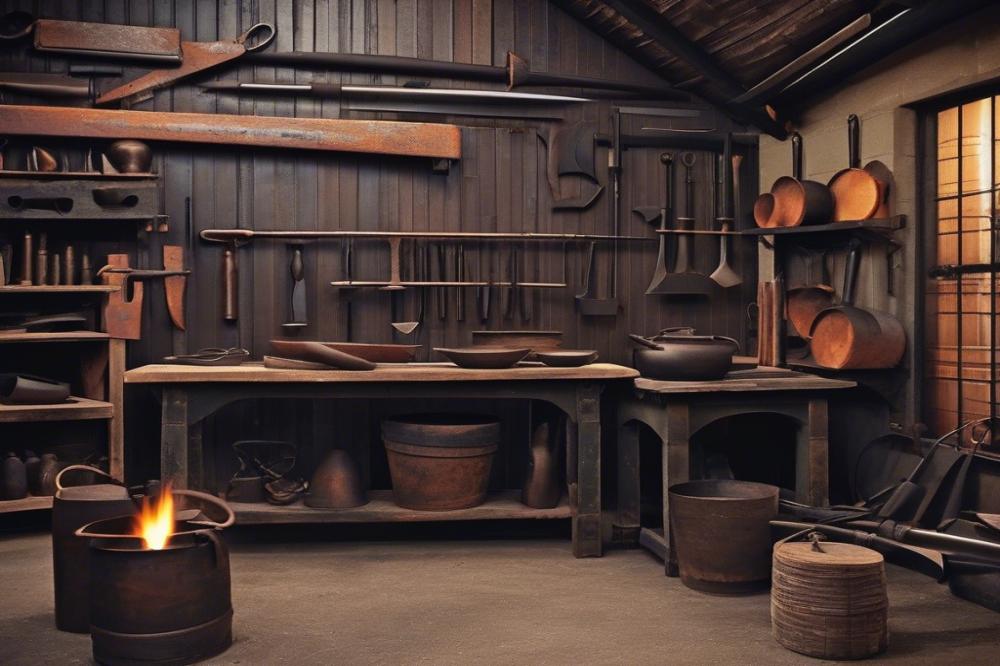
A blacksmith vice is a vital tool in metalworking. Its primary function is to hold workpieces securely while the smith shapes them using a hammer or other tools. This tool grip allows a blacksmith to apply force with precision, which is crucial in many blacksmith techniques.
Types of Vices Commonly Used in Blacksmithing
Several vices types are prevalent among blacksmiths. The most traditional one is the bench vice, mounted on a workbench to hold materials flat. Another popular choice is the leg vice, which features a pivot design, offering increased leverage and adaptability for various shapes of materials. Additionally, there are also post vices. Mounted on the ground or another stable surface, these provide a stable grip and can handle larger pieces.
Overview of Features and Sizes
Different vices come with unique features tailored to specific tasks. For instance, some include an anvil top, allowing for additional shaping and forging directly on the vice itself. Jaw widths vary among vices, with sizes measuring from 4 inches to over 10 inches. The size determines the maximum width of the material being held. Adjustable jaws or swiveling bases can offer even more versatility when working.
When selecting a vice, consider the weight and construction material as well. Heavier vices tend to remain stable during intense hammering sessions. Some blacksmiths might prefer a lightweight model for easy transport. Whether you are a beginner or a seasoned blacksmith, understanding these features is essential for enhancing your metalworking skills.
Types of Vices

Several types of vices exist in the realm of blacksmithing, each serving a particular purpose. Understanding these vices types can help enhance your tool grip and make your metalworking tasks more efficient. The most common distinctions are adjustable vices, fixed vices, and specialty vices that cater to specific tasks.
Adjustable Vices vs. Fixed Vices
Adjustable vices have movable jaws that allow the user to vary the width of the grip. This feature caters to various sizes of materials and tools, making them versatile for different tasks. Fixed vices, on the other hand, have jaws that are permanently set at a specific distance. They provide a stable grip, which is beneficial for repetitive tasks where precision is essential.
Blacksmith techniques can often dictate the choice between these two options. When working with larger or irregularly shaped pieces, an adjustable vice offers flexibility. However, for quick, repetitive tasks—such as filing or shaping small components—a fixed vice may prove more effective.
Specialty Vices for Specific Tasks
Specialty vices come in various forms, designed for specific needs within metalworking. A knife maker’s vice, for example, is tailored for holding blades securely while they are being shaped or ground. The design prevents any movement, allowing the smith to work efficiently.
Anvil vices are another example, often used in conjunction with an anvil. These tools can provide excellent control while hammering out metal pieces. They are particularly useful in applications where the blacksmith needs to maintain a high degree of accuracy.
Pneumatic or hydraulic vices are emerging as modern solutions. These vices use air pressure or hydraulic force to exert pressure, making metalworking tasks faster and requiring less manual effort. Users find these vices particularly helpful when working with thicker metal stock.
Choosing the Right Vice

Selecting an appropriate vice is critical for effective metalworking. Several factors must be taken into account to make an informed decision. First, consider the size of the item you will work on. A small vice may not hold larger materials securely. Likewise, a large vice can be awkward for smaller tasks.
Compatibility with Other Tools and Equipment
Your vice should fit well with your existing tools. Check the workspace layout. Ensure that other equipment has enough space to operate without interference. It’s advisable to pay attention to the mounting options available. Some vices can be permanently mounted, while others are portable, offering flexibility. Portability can be advantageous if your workspace changes frequently.
Material Considerations for Durability
The material of the vice affects its longevity and performance. Steel vices tend to be durable and resistant to wear. Cast iron options can be sturdy, but they may chip or crack under stress. A good vice often features hardened jaws for enhanced tool grip. Examine the construction quality. A well-built vice withstands the rigors of various blacksmith techniques.
Types of Vices
Think about the clamping mechanism as well. A good mechanism allows for precise control and a firm grip on materials. The ease of use is vital, especially when working on intricate designs. Ultimately, the right vice enhances your overall efficiency and enjoyment in metalworking.
Essential Blacksmith Techniques
Blacksmithing involves various methods that are crucial for shaping metal into desired forms. Mastering these techniques can greatly improve one’s skills. Important techniques include hammering, bending, and forging, each relying on solid principles of metalworking. Understanding each technique helps in producing quality work.
Hammering is a fundamental skill every blacksmith should learn. Holding the tool properly impacts effectiveness. The right grip allows for greater control and precision when striking the metal. A vice plays a key role in securing the workpiece during this process. By properly fixing the material, a blacksmith can strike with greater force and focus.
Importance of Vices
Using vices enhances stability during various tasks. Proper utilization means one can focus on shaping the metal instead of worrying about its movement. Types of vices, such as bench vices and blacksmithing vices, offer different advantages. Each type is designed for specific uses, so choosing the right one is essential.
Bending is another common technique in blacksmithing. It allows for the creation of curves and angles in metal. When bending, having a secure grip is crucial. A vice keeps the metal steady, thus improving accuracy. Using the right tool helps avoid unwanted twists or bends.
Forging with Vices
Forging is the process of shaping metal through controlled deformation. When forging, the alignment of the material plays an important role. Properly securing the piece in a vice provides both support and stability. This ensures that intensive force applied during the forging process does not lead to mistakes. Skilled blacksmiths often rely on this technique to create intricate designs.
Adjusting the workpiece in a vice allows for various angles and positions. This adaptability proves valuable, especially for complex projects. Engaging with different vices types can lead to discovering new methods. Each tool contributes to improving the overall quality of the finished product.
Maintenance and Care of Vices
Routine Maintenance for Longevity
Keeping your vice in top condition is essential for effective metalworking. Regular inspection allows you to catch any potential issues early. Check for signs of wear or rust at least once a month. Finishing up any project can be exciting, but remember to care for your tools as well. Consistent cleaning keeps the grip strong and reliable. After each use, wipe down the surfaces to remove dust and debris. A clean workspace promotes better blacksmith techniques.
Cleaning and Lubrication Tips
Proper lubrication prevents rust and ensures smooth operation. Use lightweight machine oil on the moving parts. Pay special attention to the screw threads and jaws where friction builds up. A well-lubricated vice will perform better and last longer. Use a wire brush to remove any rust from metal surfaces. Sometimes, an old toothbrush can help reach small crevices. After cleaning, apply a thin layer of oil to protect against moisture. A clean vice helps maintain a solid tool grip during tough tasks.
Repairing Common Issues
Over time, vices may develop some common problems. Loose jaws can hinder functionality, so checking the screws regularly is important. If the jaws won’t grip properly, they may need replacement. Examine the alignment; misalignment often leads to uneven pressure. If rust has damaged the surface, sand it down gently and reapply oil. For stripped screws, consider using a tap and die set to repair them. Keep spare parts handy to address any issues quickly. A little effort goes a long way in maintaining these crucial tools in your blacksmithing endeavors.
Safety Practices
Using vices in metalworking requires a strong focus on safety. Prioritizing protective gear is essential. Safety glasses should always be worn to guard against flying debris. Protective gloves are also important for preventing cuts and abrasions. Footwear must be durable and closed-toe to protect against dropped tools.
Proper setup of your workstation can drastically reduce the risk of accidents. Position the vice securely on a stable surface. Loose tools around the workspace can lead to mishaps. Keep your area organized to enable quick access to necessary items, fostering both safety and efficiency.
Knowing the different types of vices can aid in proper use and minimize dangers. Every type has specific settings suited for various blacksmith techniques. Use the correct vice for your project; this can affect both results and safety. Learning how to properly grip and secure materials with the tool grip of the vice is critical.
Accidents can happen even when safety measures are in place. Always check tools and equipment before beginning your work. Inspections should include ensuring that vices are functioning correctly and free of any damage. Do not work when fatigued, as this can impair judgment and reaction times.
Awareness of your environment is crucial. Avoid distractions while working. Chatting with others or listening to loud music may lead to mistakes. Make a habit of staying alert, especially when handling hot metals or sharp tools. Always remember that the goal is to enhance safety while performing your craft.
Final Thoughts
Summary of Key Points
Throughout this guide, we have explored the integral role vices play in blacksmithing. A solid understanding of these tools can significantly enhance your metalworking skills. Properly applying different techniques with vices allows for improved precision and control when shaping metal. Different Anvil types also offer unique advantages when working with various materials. Mastering these elements is crucial for anyone serious about the craft. Recognizing the interplay between vices and metalwork leads to better outcomes.
Importance of Mastering Blacksmith Vices in Metalworking
Inevitably, the skills you develop with these tools contribute greatly to your overall craftsmanship. Blacksmithing requires more than just physical strength; it demands technique and finesse. Vices hold materials securely, enabling more accurate and safer work. They allow for intricate bends and precise cuts that would be difficult by hand. By investing time in mastering this aspect of metalworking, one can achieve high-quality results consistently.
Enhancing Skills with the Right Tools
To improve as a blacksmith, selecting the appropriate tools is essential. Knowledge of various vices, along with their specific applications, leads to superior results in projects. Additionally, practicing Tool safety while working minimizes the risk of accidents in the workshop. Maintaining your tools also plays a vital role in fostering continued growth. By investing in quality equipment, you enhance not only your skills but also your enjoyment of the craft. A seamless blend of the right tools, techniques, and safety practices ultimately paves the way for a fulfilling blacksmithing journey.

