
Introduction
If you’re curious about blacksmithing, you’re not alone. Many people are drawn to this ancient craft, eager to learn the basics. It’s a rewarding skill that combines art and functionality. The moment you strike metal with a hammer, you feel a connection to history. Blacksmithing transforms raw materials into something practical, beautiful, or both.
What makes this trade particularly captivating is its role in musical instrument making. Many instruments rely on finely crafted metal parts. The harmonious blend of metalworking techniques and musical design is fascinating. Instruments like bells or cymbals depend on precise forging techniques. They produce sound that can bring joy to many.
This article serves as your guide to start your journey. You’ll explore essential introductory techniques and discover how to choose tools effectively. Understanding forging basics will also be a priority. By diving into the world of blacksmithing, you’ll learn not only about metal but about creativity itself. Knowing the different Types of blacksmithing can direct your focus, be it Traditional blacksmithing or modern practices.
With each section, you’ll gain the knowledge needed to begin crafting your own metal pieces. Whether your goal is to create simple hooks or intricate jewelry, there’s a place for everyone in the forge. Grab your enthusiasm, and let’s dive into the diverse world of beginner blacksmithing!
Beginner Blacksmithing
Definition and Scope of Blacksmithing
Blacksmithing involves shaping and forming metal using various techniques. This ancient craft combines artistry with practicality. Forging, heating, and hammering are fundamental aspects of this trade. Metalworking is at the core of blacksmithing, where raw materials transform into useful or decorative items. Knowing the different techniques can help you understand the scope of what you can create.
Brief History of Blacksmithing in Music
Have you ever thought about the role of blacksmithing in music? Many cultures have linked the sounds of metalworking to rhythm and song. Various musical pieces draw inspiration from the rhythmic clanks and bangs of a hammer striking an anvil. In folk traditions, blacksmiths were often celebrated in ballads, symbolizing strength and resilience. These connections highlight how blacksmithing influences the arts, beyond just physical creations.
Goal of the Beginner Blacksmith
Every novice has a goal in mind. For some, blacksmithing offers a chance to create functional tools or beautiful artwork. Mastering introductory techniques is vital. Starting with the right tool selection lays a solid foundation. Understanding forging basics will pave the way to more complex projects. Patience plays a significant role in mastering this craft. Each new piece will teach you something valuable. Crafting your first item can be a rewarding experience, marking the beginning of a fascinating journey. Discovering what inspires you in this craft is key. Embrace the learning process and enjoy the art of shaping metal.
Getting Started with Blacksmithing

Essential Considerations for Beginners
Diving into blacksmithing can feel daunting at first. Knowing where to begin helps ease anxiety. Beginners need to focus on a few key areas: skill development, tool selection, and metalworking processes. Mastering these introductory techniques sets a solid foundation. Researching the basics of forging will also pay off. Understanding metal properties gives insight into what you can create.
A willingness to learn goes a long way. Embrace the idea of making mistakes. Each error teaches something valuable. Finding a mentor or community can greatly enhance the journey. Engaging with others offers new perspectives and guidance. Local classes and online resources can also provide support.
Setting Up a Workspace
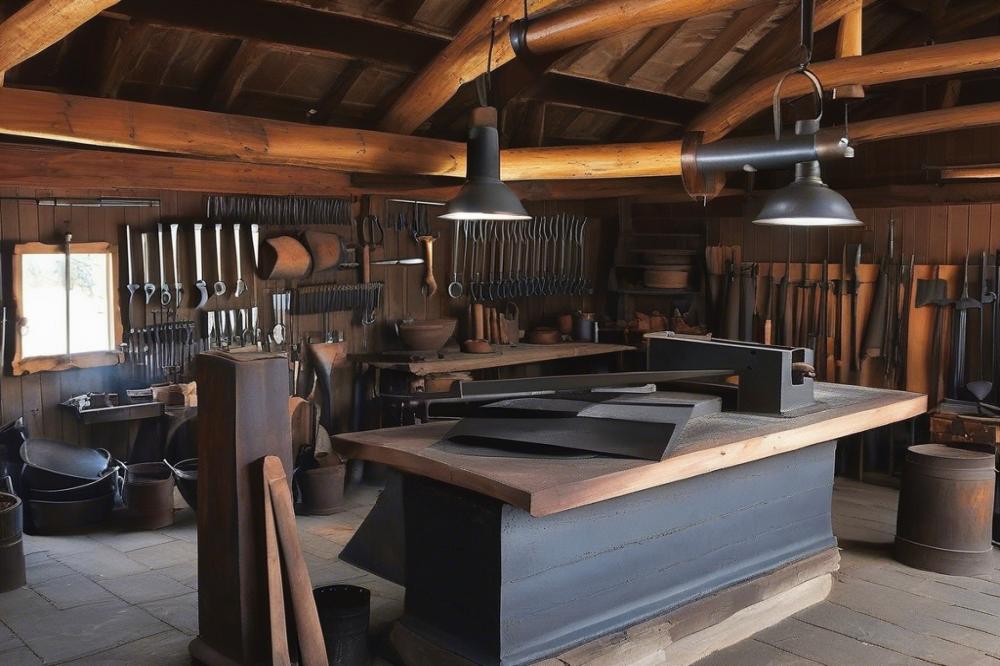
Creating an effective workspace is crucial. Choose a location that is well-ventilated and away from flammable materials. A stable surface for your anvil is essential; it needs to withstand a lot of force. Gather an assortment of tools before you start. A good hammer, tongs, and safety goggles should top your list.
Consider the layout of your tools. Having everything within reach can save time and frustration. Setting up a dedicated area for heating and cooling metal simplifies the process. You might also want storage for additional supplies like coal, steel, and oils. An organized workspace fosters creativity and efficiency.
Safety Precautions to Implement
Safety cannot be overlooked in blacksmithing. First and foremost, always wear protective gear. Gloves and goggles are necessary to protect against sparks and flying debris. Adequate footwear is important as well; leather boots can offer better protection than sneakers or sandals.
Using tools correctly is another aspect of safety. Learn how to handle each tool properly. Misuse can lead to injuries. Keeping your workspace tidy reduces the chances of accidents. If a project doesn’t seem safe, step back and reassess.
Additionally, know emergency procedures. Having a fire extinguisher nearby can be helpful. Keep a first-aid kit handy too. Think of these preparations as part of your routine. With the right mindset, you can enjoy blacksmithing while minimizing risks.
Introductory Techniques
Blacksmithing can feel overwhelming at first. However, with the right techniques, you can quickly get the hang of it. Beginners should start by focusing on a few basic techniques that form the foundation of the craft. By mastering them, you set yourself up for success in metalworking.
Basic techniques for beginner blacksmithing
One of the first skills you’ll want to develop is hammering. This involves striking the metal at the right angles to create the desired shape. A well-aimed blow is crucial. Use a hammer that feels comfortable in your hand. Pay attention to how the metal responds. With practice, you’ll learn the rhythm and pressure needed for effective forging basics.
Tool selection plays a significant role in blacksmithing. A robust hammer and a sturdy anvil are essential tools for any beginner. Remember, it’s not about having the fanciest equipment. Instead, focus on quality tools that fit your needs. Good tools can make a tough job manageable and enjoyable.
Hammering and shaping metal
As you hammer the metal, watch for changes in its color. When iron gets hot, it glows a bright orange. That’s your cue to start shaping. With each strike, think about the form you want to achieve. Don’t rush this process. Gradually reshape the metal with precision and care.
In addition to hammering, learn to use other tools like tongs and chisels. Tongs help you grip hot metals securely. Using them reduces the risk of burns and improves your control. Chisels allow you to add details and unique features to your work. Combining these tools enhances your shaping capabilities.
Heat treatment and its significance
Heat treatment is another vital concept in blacksmithing. It affects the hardness and durability of the finished product. This process involves heating the metal to a specific temperature and then cooling it quickly, often in water or oil. Different metals respond differently to heat, so it’s essential to research the materials you’re working with.
Understanding how heat alters the properties of metal will elevate your skills. Uneven heating can cause warping, so always aim for uniform temperature distribution. After shaping your item, a proper heat treatment can improve its strength and usefulness. Experiment with different techniques to see how they affect your projects.
With practice, these introductory techniques will become second nature. As you refine your skills, remember that blacksmithing is an art as much as it is a science. Embrace the journey, and don’t be afraid to make mistakes along the way.
Tool Selection
Getting started in blacksmithing requires the right tools. Many beginners wonder which tools are essential. It’s important to have the basics covered for effective metalworking. You won’t need everything at once, but having a solid foundation is key to honing your skills.
Essential tools for beginner blacksmiths
Three main tools stand out for newcomers: the anvil, hammers, and tongs. First, an anvil serves as the primary working surface. Its heavy, flat top allows you to shape metal through forging basics. Choose one that suits your space and budget, preferably made of steel for durability.
Next up are hammers. Selecting a good hammer can profoundly impact your work. A general-purpose hammer weighing between 2 and 3 pounds is a good starting point. It’s versatile enough for many tasks without being overly cumbersome. As you advance, you might explore different shapes, but focus on a standard one initially.
Tongs are the third essential tool. They’re crucial for holding hot metal safely. Pairing them with your hammer allows for more precision in your work. Look for a set that can handle various sizes and shapes of metal. Adjustable tongs can save you money and space.
Overview of anvils, hammers, and tongs
Each tool has a specific purpose during the blacksmithing process. Anvils have a unique design to absorb the force of your hammer strikes. Their surface helps in shaping while also providing resistance. Hammers come in different varieties, each tailored for various techniques. A cross-peen hammer excels at creating specific shapes, while a ball-peen hammer is perfect for general metalworking tasks.
When it comes to tongs, they are as varied as the projects you might tackle. Some tongs are designed for thin strips of metal, while others are made for larger pieces. Having a few different types will enhance your ability to work with various materials efficiently.
Cost-effective tool options for starting
Many people think blacksmithing requires a huge investment to begin. This isn’t necessarily true. Several cost-effective options exist. For example, you can find used or refurbished anvils online or at local metal shops. Look into auctions, estate sales, or blacksmithing communities for deals.
For hammers and tongs, consider buying from local hardware stores or makers. Some blacksmiths also make their own tools. If you’re handy, crafting basic tools can be a rewarding way to save money. Introductory techniques often emphasize the importance of making tools that fit your hands.
Additionally, some companies offer budget-friendly starter kits that include basic tools. These can be a great way to ensure you’re not missing anything essential early in your journey. Exploring local craft fairs or maker spaces might provide opportunities to try different tools before committing to a purchase.
Metalworking Fundamentals
Types of Metals Used in Blacksmithing
When starting with blacksmithing, knowing the right metals is crucial. Steel and iron are the staples. Many blacksmiths lean toward high-carbon steel for its robust properties. It holds an edge well and is great for tools and knives. Some metals can be more challenging, such as wrought iron, but they offer distinctive characteristics. Stainless steel is also popular, especially for items requiring corrosion resistance. Each type of metal has its place in a blacksmith’s workshop.
Properties of Different Metals in Instrument-Making
Every metal has unique qualities that affect how it can be shaped and used. For instance, mild steel is relatively easy to work with due to its lower carbon content. This softness allows for shaping without cracking, which is perfect for beginners. High carbon steel, on the other hand, gets hard and brittle when heated and quenched, making it ideal for cutting tools. Remember that alloys, like bronze and brass, can also come in handy for specialized items. Understanding these properties will guide your projects effectively.
Basic Metalworking Processes
Beginners should familiarize themselves with fundamental processes. Starting, you’ll want to learn about heating metal in a forge. This is the first step before you can shape it. After heating, you will use tools like hammers and tongs to manipulate the metal. Quenching follows the shaping process. This involves cooling the metal rapidly, solidifying its new form. Lastly, polishing helps in refining details and finishing touches. Mastering these introductory techniques sets a solid foundation for your blacksmithing journey. Choosing the right tools, such as anvils and hammers, can make a big difference. Opt for quality tools, even as a beginner. Your experience will improve with better equipment.
Forging Basics
When starting on your blacksmithing journey, understanding the forging process is crucial. This involves heating metal until it’s pliable and then shaping it through hammering. Metalworking can seem daunting at first. However, with practice, it becomes more intuitive. The right temperature is vital. Too hot, and the metal burns; too cool, and it won’t shape correctly.
Understanding the Forging Process
Forging begins with the selection of your material. Common choices include steel and iron. Both materials have specific properties advantageous for different projects. Ideally, you should use stock metal that suits the item you want to create. Heating can be done in a forge, which is a special oven. Once the metal reaches its working temperature, it’s ready for shaping.
Different Forging Techniques for Beginners
Beginners can explore various forging techniques. One basic method is drawing out, which elongates the metal. This helps to form parts like handles or tongs. Another technique to consider is upsetting. This involves thickening the metal in one area, useful for creating features like rivets. You might also try tapering, which can make points on tools or blades. Each technique requires patience and practice.
Applications of Forging in Musical Instrument Creation
Forging isn’t limited to tools or decorative pieces. Musical instruments also benefit from this craft. For example, blacksmiths can create unique parts for wind instruments. Valves and other components often require precise shaping and fitting. Moreover, percussion instruments like cymbals rely on forging to achieve their specific sound. The skill of a blacksmith directly impacts the quality of the instrument. Thus, mastering forging basics can open doors to various creative fields.
Projects for Beginners
Starting off in blacksmithing can feel overwhelming. Choosing the right projects makes everything easier. Here are a few simple beginner projects that help you practice your skills and give you a sense of accomplishment.
Simple Beginner Projects to Practice Skills
Consider making a hook. It’s a practical item and requires basic forging techniques. You can create something functional while learning about metalworking and shaping. A bottle opener is another great choice. It’s simple and has a rewarding outcome. These projects use introductory techniques, making them perfect for novices.
If you want something a bit more challenging, think about crafting a small knife. This project requires precise forging basics but can be done with minimal tools. Start with a basic shape, and as you improve, you can try more elaborate designs. Alternatively, you might enjoy creating a fire poker. It’s useful and allows for some creativity in the design.
Guidelines for Choosing a Suitable Project
Focus on projects that match your current skill level. Picking something too advanced can be discouraging. Look for designs that require only basic tools. This way, you can effectively learn without becoming overwhelmed. Always consider the materials you have on hand. Using scrap metal can also save money while providing good practice opportunities.
Be mindful of the time needed for each project. Start with something you can complete in a few hours or a weekend. This will keep you motivated without demanding too much of your time upfront. Read through tutorials beforehand to ensure the steps align with your knowledge.
Tips for Success in Beginner Blacksmithing Projects
Preparation is key. Organize your workspace before you begin. It helps to have all your tools selected and easily accessible, as this can make processes smoother. Wear appropriate safety gear. This includes gloves and goggles, which protect you as you work with hot metal.
Practice your hammering technique. Controlling your strikes can make a significant difference in the outcome. Start slow and build confidence. Patience is vital when forging metal. Don’t rush through any steps, as each one is crucial to your learning journey.
Finally, embrace your mistakes. Not every piece will come out perfectly. Learning from those errors is part of the process. Keep a positive mindset, and celebrate your progress. Each small victory builds your skills for even bigger projects down the road.
Troubleshooting Common Issues
Many beginners in blacksmithing run into the same types of problems. Understanding these issues can save time and frustration during your learning process. Let’s explore some common problems and their solutions. You’ll also learn when it’s best to seek additional help.
Common Problems Encountered in Blacksmithing
Your initial forging attempts might result in uneven heating. This can lead to weak spots in your metal or an unfinished look. Tool selection also plays a crucial role. Using the wrong hammer or anvil can affect your outcomes drastically. Metalworking mistakes can happen, such as not striking at the correct angles. As a result, you might end up with a warped or unusable piece.
Solutions and Tips for Overcoming Challenges
First, focus on even heating. Try to keep your metal centered in the forge. This will help it heat uniformly. Also, be mindful of your hammer technique. Instead of striking hard every time, adjust your force based on the task. Meanwhile, practice your forging basics. Watching videos or reading guides can reinforce your skills.
When it comes to choosing tools, invest in quality ones. A poorly made hammer can ruin your work. Look for ones with good reviews, and don’t hesitate to ask fellow blacksmiths for recommendations. Each step counts, especially when you’re starting out.
When to Seek Help or Further Education
Sometimes, troubleshooting on your own isn’t enough. If you’re struggling with certain techniques, consider attending a workshop. Learning from experienced blacksmiths can provide insights that online resources may not offer. Joining a local blacksmithing community can also be beneficial. Many blacksmiths are open to sharing their expertise.
Remember, it’s perfectly okay to ask for guidance. Everyone starts somewhere. Keeping a humble attitude will allow you to learn much more. Don’t let minor setbacks discourage you. With time and practice, these issues will become easier to manage.
Wrapping Up Your Blacksmithing Journey
Reflecting on what you’ve learned is important. Starting with the right tools is essential for new blacksmiths. A forge, anvil, and appropriate hand tools lay the groundwork for your success. Safety must come first, so always don gear to protect yourself while working. Practicing basic techniques, like drawing out or upset forging, will build your confidence.
Exploration in blacksmithing can lead you down intriguing paths. You might find joy in forging useful items, or perhaps you’re drawn to the beauty of Artistic blacksmithing, where design meets function. Venturing into Farrier blacksmithing can also offer unique opportunities if you’re interested in horses and their needs.
Don’t hesitate to continue practicing and expanding your skills. Each hammer strike is a chance to improve. You’ll discover that the more you engage with this craft, the more you’ll understand the nuances of metals and design.
An invitation awaits to delve deeper. Explore the intersection of blacksmithing and other crafts, such as musical instrument crafting. Imagine shaping metal into something that creates beautiful sounds. Your journey in blacksmithing can be as broad as your imagination allows. Embrace the creativity within you, and let it guide your hands.

