
Introduction
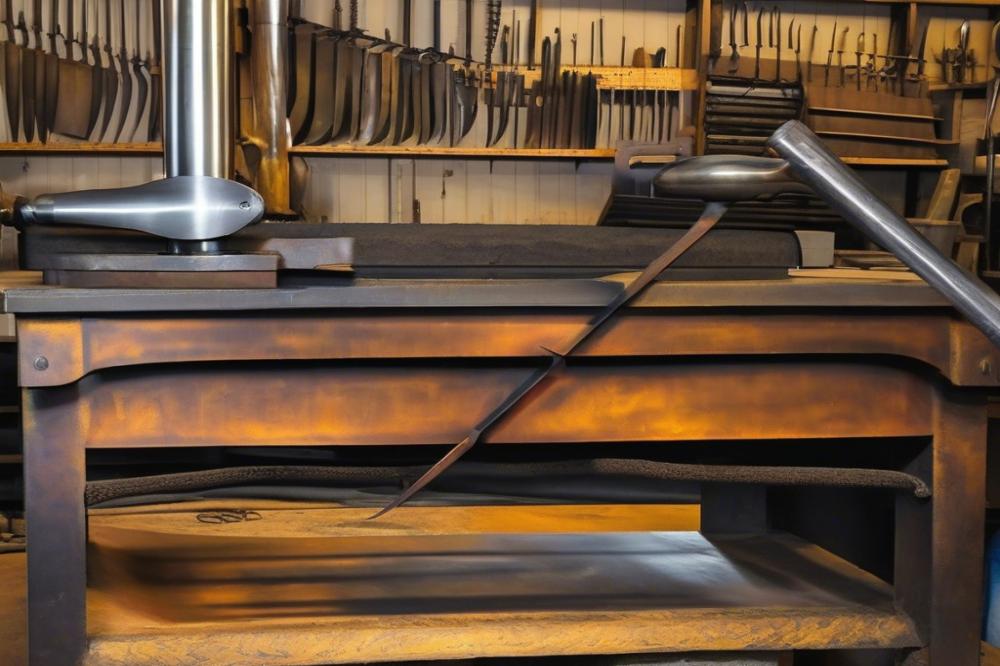
Bending and curving metal is an essential part of blacksmithing. It transforms flat pieces into complex designs, which can be both functional and artistic. The ability to shape metal often relies on a combination of skill, knowledge of forging techniques, and the right tool use. This practice not only enhances the physical attributes of the metal but also influences its final purpose.
In the realm of musical instrument making, bending metal takes on a significant role. Instruments like trumpets and violins rely heavily on specific shapes to produce their sounds. Curved sections can help create resonance, which is vital for quality. Blacksmithing skills in this area do not just produce a beautiful aesthetic; they directly impact how well an instrument performs. Each twist and arc contributes to the richness of the tones created.
Sound quality is, in many ways, linked to how metal is shaped. Musicians seek unique sounds, and much of this is crafted through careful manipulation of materials. Techniques that forge and bend metal dictate how it vibrates. Therefore, a blacksmith must be adept in Hammer control to shape the metal effectively. Twisting metal can also lead to interesting sound properties, adding depth to the music.
In summary, the art of bending metal is more than just skillful technique. It is about understanding the connections between shape, function, and artistry in the world of sound. For blacksmiths working on musical instruments, the stakes are high. Their expertise can shape the future of music.
Understanding Metal Properties
When exploring the craft of blacksmithing, it’s essential to understand the metals involved. Different metals have distinct properties that affect how they can be shaped. Steel, for instance, is commonly used due to its strength and versatility. Blacksmiths often work with wrought iron as well, especially for decorative elements. Each type of metal responds differently to heating and hammering, so knowledge is crucial.
How Metal Composition Affects Bending Techniques
Metal composition plays a significant role in how a substance behaves when heated. Alloying elements like carbon can change the hardness of steel, altering its ductility. High carbon content typically means less malleability, making bending more challenging. Knowing the specific type of metal you’re working with will inform your forging techniques. For softer metals, like aluminum, the process will differ from that used for harder steel. Understanding these properties helps in metal shaping processes.
Key Considerations for Temperature and Malleability
Temperature is a crucial factor in achieving good results. When heating metal, it reaches a point where it becomes malleable and easier to shape. Each metal has a different optimum temperature range for effective bending. If the metal is too cold, it might crack or break instead of bend. Overheating can lead to loss of structural integrity. Therefore, achieving the right temperature is vital for effective tool use during the bending process. As a blacksmith, mastering these details allows for better execution of your blacksmithing skills.
Moreover, keep in mind that metal cools quickly once removed from the forge. Quick adjustments can be made, but they require awareness of how the temperature impacts the metal’s form. A good practice is to test the metal’s flexibility after heating and before committing to a complete shape. By understanding the interplay between heat and malleability, one can make informed decisions while forging.
Basic Bending Techniques
Introduction to Simple Bending Methods
Bending metal is a fundamental skill every blacksmith should master. Understanding basic techniques lays the groundwork for more complex metal shaping processes. Often, a simple curve or bend can elevate a piece from ordinary to extraordinary. Effective bending techniques involve using heat and pressure, two key elements in blacksmithing. When metal is heated, it becomes malleable. This allows for easier shaping without cracking or breaking.
Use of the Anvil for Shaping Metal
The anvil plays a crucial role in the bending process. It provides a sturdy surface that can withstand heavy impacts. Positioning the heated metal on the anvil correctly is important for achieving the desired shape. By using the horn of the anvil, you can create curves. This part is perfect for forming rounded shapes. Blacksmiths often manipulate the metal by moving it around to find the best angle. Using a hammer, force is applied with precision to create bends and arcs.
Hand Tools and Their Roles in Bending Processes
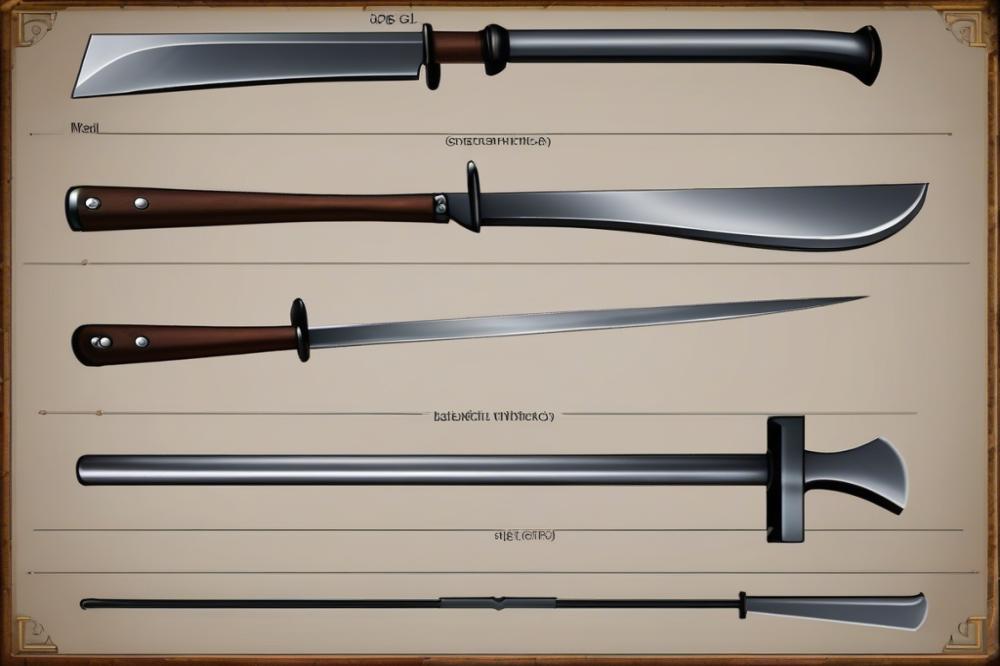
In addition to the anvil, hand tools are vital in bending tasks. Hammers, tongs, and chisels all have unique functions. Tongs are essential for holding and manipulating hot metal safely. They give the user control over the workpiece while preventing burns. Different hammers can alter metal in various ways. A lightweight hammer is suitable for fine adjustments, while a heavier one can drive a more substantial bend. Knowing which tool to use is part of developing effective forging techniques.
Hand tools not only shape but also define the flow of your work. Sometimes, a simple twist of a piece can create fascinating designs. Each bending technique contributes to enhancing your blacksmithing skills. The combination of heat, tools, and the anvil forms the backbone of successful metal bending. Mastering these basics opens doors to more artistic creations in your blacksmithing journey.
Forging Techniques for Curving Metal
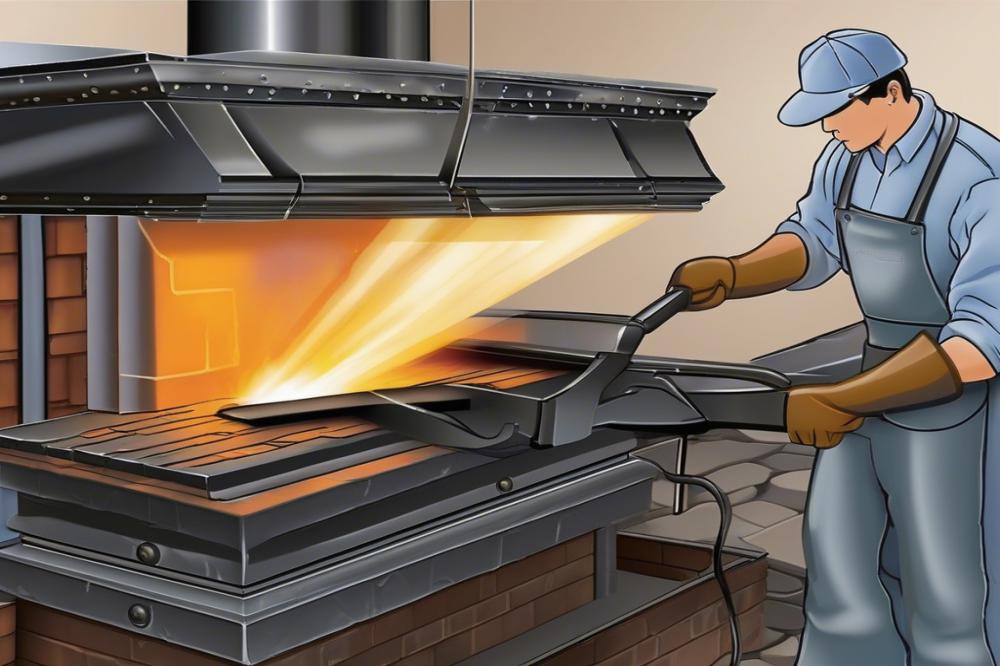
Forging is a primary method used in blacksmithing to bend and shape metal. This approach relies on the application of heat and force. It allows craftsmen to create beautiful curves and intricate designs. Let’s delve into the steps involved in this process, focusing on both hot and cold forging methods.
Technique Steps from Heating to Hammering
First, the metal piece requires heating. A forge usually achieves this, raising the temperature to a point where the metal becomes malleable. Once hot, it’s time to move to the anvil. Here, the use of specific tools becomes crucial. A hammer, for instance, is typically employed to strike the metal, applying pressure where you want the curve. Repeated hammer strikes create a different shape, so consistency is essential.
Careful observation is vital during this process. One must watch for color changes in the metal, indicating readiness for shaping. The key lies in maintaining the right temperature. If it cools too much, it becomes difficult to shape. Therefore, you might need to reheat it several times.
Comparison Between Hot and Cold Forging
Hot forging differs significantly from cold forging. Hot forging occurs at elevated temperatures, allowing for easier manipulation of the metal. Blacksmithing skills play a crucial role here. Shapes can emerge quickly, making the process efficient. Metal continues to remain ductile throughout the process, reducing the risk of cracking.
Conversely, cold forging takes place at or near room temperature. This method requires more force to achieve the desired results. Tool use in cold forging needs careful consideration. Metal retains its hardness, which can lead to fracture without the right technique in place. However, it allows for tighter tolerances and finer details in the finished product.
When deciding between these techniques, consider the project requirements. If speed and ease are priorities, hot forging often wins out. For precision and strong properties, cold forging is often beneficial. Ultimately, each technique has its place in the world of metal shaping.
Advanced Bending Techniques
When delving into more complex bending methods, blacksmiths expand their repertoire significantly. Different techniques can achieve various shapes and contours in metal. For instance, using heat is crucial. It softens the material, making it easier to manipulate. Sometimes, a simple heat source can transform a straight piece into a beautiful curve.
Tool use plays a vital role in achieving desired results. Anvil forms are common for creating arcs and bends. Moreover, using a hammer with intention is key. Skillful hands guide the metal, resulting in smooth transitions. Each strike adds to the shape while ensuring the integrity of the material.
Jigs and Fixtures
The use of jigs and fixtures simplifies the bending process. These devices hold the metal in place, allowing for consistent results. Blacksmithing skills come into play here as well. It takes understanding and experience to design jigs that match specific needs. This practical application of engineering principles enhances the quality of work.
Creating a jig might seem daunting, but it empowers the craftsman. Once made, it can repeat complex shapes. This is especially beneficial when working on projects that require multiple identical pieces. Relying on a fixture reduces errors, making the process smoother overall.
Precision Bending for Musical Instruments
In the world of metal shaping, precision is essential, particularly in crafting musical instruments. Components like brass tubes for trumpets require exact bends to produce the right sound. Blacksmiths focus on accuracy, as even minor mistakes can affect performance.
Specialized tools come into play here. They allow for controlled bending without losing the material’s integrity. Additionally, some techniques like rotary bending produce beautiful curves that are not only functional but aesthetically pleasing. Attention to detail is critical when working on such delicate pieces.
As you can see, advanced bending involves a lot of considerations. Mastering these methods enhances the overall skill set of any blacksmith. Whether you’re creating decorative items or functional parts, the techniques discussed above offer numerous pathways to success.
Tool Use in Metal Bending
Understanding the proper tools is essential for anyone diving into the world of metal shaping. Blacksmiths rely on a selection of instruments designed to make bending metal efficient and effective. These tools are not just for show; they are fundamental to developing your blacksmithing skills.
Overview of Essential Tools for Bending Metal
A variety of tools are available for bending tasks. Hammers serve as a primary tool; different shapes and weights suit different types of bends. For more controlled shaping, a bending brake can be invaluable. This device allows for precise angles and consistent results.
Other helpful tools include vices, which provide a stable grip while you manipulate the material. You may also find that adjustable clamps help secure pieces as you work. Each tool plays a specific role and learning how to use them properly is a crucial part of mastering forging techniques.
Bending Dies and Their Applications
Bending dies are specialized tools used to create specific shapes or angles in metal. Made from durable materials, they can withstand the stress of repeated use. There are various types of dies, including those for round or square bends, each designed for particular applications.
When selecting bending dies, consider the type of work you’ll be doing. A round die is excellent for creating arcs or circular shapes, while a flat die is better suited for sharper angles. The application of these dies can significantly impact the final product.
Maintenance of Tools for Optimal Performance
Taking care of your tools is crucial for their longevity and effectiveness. Regular cleaning prevents rust and wear, which can hamper functionality. Inspecting tools frequently will help identify any issues early on.
Lubrication is also important. Using appropriate oils can reduce friction and make operations smoother. Lastly, properly storing tools will protect them from damage and ensure they remain ready for your next project.
Design Considerations in Instrument Making
Creating musical instruments is an art that involves careful design considerations. Bending metal is one technique that significantly influences the shape and function of each piece. Musicians often seek specific sounds that can only come from finely crafted shapes.
How bending influences the design of musical instruments
When blacksmiths shape metal, they must think about how those curves will affect the instrument’s sound. For example, consider guitars, where the curvature of the body affects resonance. A flat slab of wood cannot produce the same quality of music as a beautifully arched surface. Each bend adds character, allowing instruments to vibrate in unique ways. That vibration is what musicians connect with in their performances.
Balance between aesthetics and sound quality
Aesthetics play a crucial role in instrument making. Players often choose instruments not just for their sound but for their visual appeal as well. Balancing these two elements can be tricky. A beautifully curved instrument might look perfect but could sacrifice sound quality if not crafted properly. Blacksmithing skills help the artisan navigate this balance, ensuring that both visuals and acoustics come together harmoniously. Artistic vision is just as important as knowledge of forging techniques.
Case studies of specific instruments and their bending techniques
Let’s look at the ukulele. Its body requires precise metal shaping to produce the right tones. The belly of most ukuleles is slightly rounded. This design allows the air to move freely inside, enhancing the musical output. Other instruments like the violin also rely on similar bending. Specialized tools are often used to get the exact curves needed for proper tone quality. Each instrument has its own requirements. Through observation and practice, artisans learn what works best.
Think about brass instruments too. Tubas, for instance, have a distinct curved body that influences the timbre. The way the metal is bent affects how sound travels through the instrument. Blacksmiths must pay attention to each curve. Slight adjustments can lead to major differences in sound quality. This attention to detail is what elevates an instrument from ordinary to extraordinary.
Safety Practices in Blacksmithing
When it comes to metal shaping, safety becomes paramount. Blacksmithing is not just about artistry and craftsmanship. It involves working with heavy tools and high temperatures, which can lead to injuries if precautions are overlooked.
Importance of safety during metal bending
Rushing through tasks can create dangerous situations. Understanding the risks helps in making informed choices. Many accidents in blacksmithing arise from a lack of awareness about safety protocols. Therefore, every blacksmith should prioritize safety in their workshop. A single moment of distraction can result in severe injuries. Maintaining focus is crucial when dealing with heated materials and sharp tools.
Recommended protective gear and practices
Wearing the right protective gear can prevent many accidents. A good pair of safety goggles is essential. They protect your eyes from flying sparks or hot metal shards. Thick leather gloves provide a shield against burns and cuts. Long sleeves made from flame-resistant materials can offer additional protection during forging techniques. Steel-toed boots are typically a must to guard against falling objects. Always keep a first aid kit on hand, just in case. Regular checks on the condition of your protective gear can also help keep everyone safe.
Common injuries and prevention strategies
Burns, cuts, and impacts are typical injuries associated with blacksmithing. Awareness of these common hazards is the first step in prevention. Always work in a well-ventilated area; it minimizes the risk of smoke inhalation. Keeping your workspace tidy can reduce trip hazards. Use tools properly, following guidelines for each specific item. Staying organized helps in managing various blacksmithing skills effectively. Make it a habit to inspect tools regularly for wear and tear. A damaged tool can easily lead to an accident.
Lastly, training is vital. New blacksmiths should learn from experienced artisans. Guided instruction can build a strong foundation in safe practices. If you’re teaching someone, emphasize the importance of patience and focus. Quick movements may seem efficient but can lead to mistakes. Remember, proper technique in tool use can make a world of difference in accident prevention. Cultivating a safety-first mindset pays off in the long run.
Wrapping Up Techniques in Metal Shaping
Reflecting on the techniques discussed, bending metal offers numerous methods that blacksmiths can employ, including the use of heat, hammering, and proper leverage. Each technique serves a specific purpose and allows for creativity in the craft. Techniques such as Punching and drifting provide essential ways to manipulate and shape your materials effectively. Mastery of these processes takes time, but the satisfaction of shaping metal is worth every hour spent practicing.
Getting comfortable with the basics is crucial. Start with simple forms, and gradually challenge yourself with more complex shapes. Experimenting can reveal new possibilities that a textbook may not cover. Forge welding, another critical technique, highlights the importance of adhesion and strength in metalwork. By properly combining pieces, one can create something truly lasting.
Encouragement for hands-on practice cannot be overstated. Each attempt, whether successful or not, contributes to your learning journey. Don’t shy away from mistakes; instead, view them as stepping stones toward improvement. There’s a whole world of shapes and methodologies to explore, so let your creativity take flight as you experiment.
Looking ahead, the landscape of blacksmithing continues to evolve. Innovations in tools and techniques are emerging, particularly in the realm of creating musical instruments. As artists demand more from their craft, metal shaping will adapt to meet these unique requirements. Staying informed about these advancements will only enhance your skills and offerings.
In summary, every blacksmith has the potential to bend and shape metal into beautiful forms. Embrace the journey with an open mind and willing hands. Your exploration can lead to remarkable creations, whether functional tools or artistic pieces. Enjoy the process, and let your passion drive your practice.

