

Introduction
Twisting metal in artistic forms opens a world of possibilities for creators and craftsmen alike. Decorative elements can elevate an object from ordinary to extraordinary. Enthusiasts of blacksmithing and metal shaping often use these techniques to enhance their works. Each swirl and curve can tell a story and reflect the maker’s intent.
Aesthetics play a pivotal role in the design of musical instruments. When musicians choose an instrument, they often consider how it looks as much as how it sounds. Attention to detail in decorative forging can transform a simple piece into a remarkable work of art. The visual appeal of an instrument can inspire creativity and connection with the audience.
Enhancing the overall appeal of a product requires skill and artistry. Decorative forging involves intricate processes that require patience and precision. Blacksmithing skills are essential when crafting elements that resonate with beauty. Techniques such as Drawing out allow the maker to shape the material into stunning designs, showcasing talent and dedication.
Hammer control is crucial for achieving the desired shapes and finishes. Without it, the final product may not reflect the hard work invested in crafting. Each stroke of the hammer is a step toward creating something special. Artistic elements are not merely functional; they are expressions of individuality and passion.
Twisting Metal: An Introduction
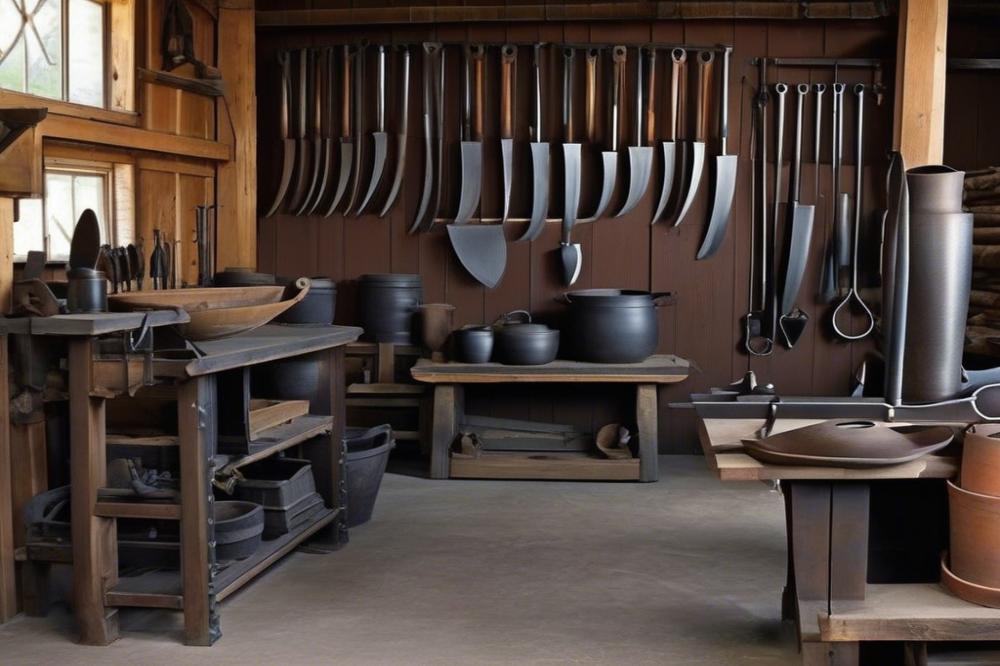
Twisting metal is an engaging technique in blacksmithing. This method involves taking a heated piece of material and manipulating it to create intricate patterns. Many artisans use this process to add drama to their projects, enhancing both function and beauty.
In decorative forging, twisting brings warmth and character to metalwork. It transforms basic shapes into works of art. When an artist twists metal, they introduce texture and visual interest. This can elevate a simple piece into something captivating. Each twist tells a story, showcasing the skill of the creator.
Understanding basic principles guides anyone interested in metal shaping. Heat is crucial in this process; when the metal is hot, it becomes malleable. Learning different forging techniques can open doors to endless possibilities. An artist must master control over their tools, as precision affects each outcome greatly. The rhythm of creating is just as important as the results.
Knowledge of twisting can be a stepping stone in refining blacksmithing skills. As one progresses, it becomes easier to see the nuances in each piece. Populating a workshop with various tools allows for further exploration. Every choice in shape and texture serves to reflect individual style.
Twisting should never be rushed. Patience can lead to incredible results. Observing how the metal reacts under pressure is essential for growth. This approach allows for experimentation and new discoveries. By embracing the process, artists can turn ordinary pieces into extraordinary decorations.
Essential Blacksmithing Skills

Success in decorative forging relies heavily on mastering specific blacksmithing skills. An understanding of metal shaping is fundamental. This knowledge lays the groundwork for creating intricate designs. Each sequence of hammer strikes contributes to the overall beauty of the piece.
While starting, beginners should familiarize themselves with the basics of forging techniques. Simple practices, like heating and hammering, are crucial. Gradually, more advanced methods can be introduced. Consistent practice will lead to improvement and greater skill.
Every aspiring blacksmith must recognize the importance of safety in the workshop. Hot metal can cause severe injuries; precautions are non-negotiable. Always wear protective gear. Gloves, goggles, and sturdy work boots are necessities to avoid accidents.
Creating detailed twists and turns in the metal requires patience. Mastery comes not just from knowledge, but from repetition. Focus on perfecting each motion. Your confidence will grow, allowing creativity to flourish.
Remember, each mistake is an opportunity to learn. Reflecting on what went wrong helps in development. Building these skills takes time, but the rewards are fulfilling. The satisfaction of transforming raw metal into something extraordinary is unmatched.
Tools and Equipment for Twisting Metal
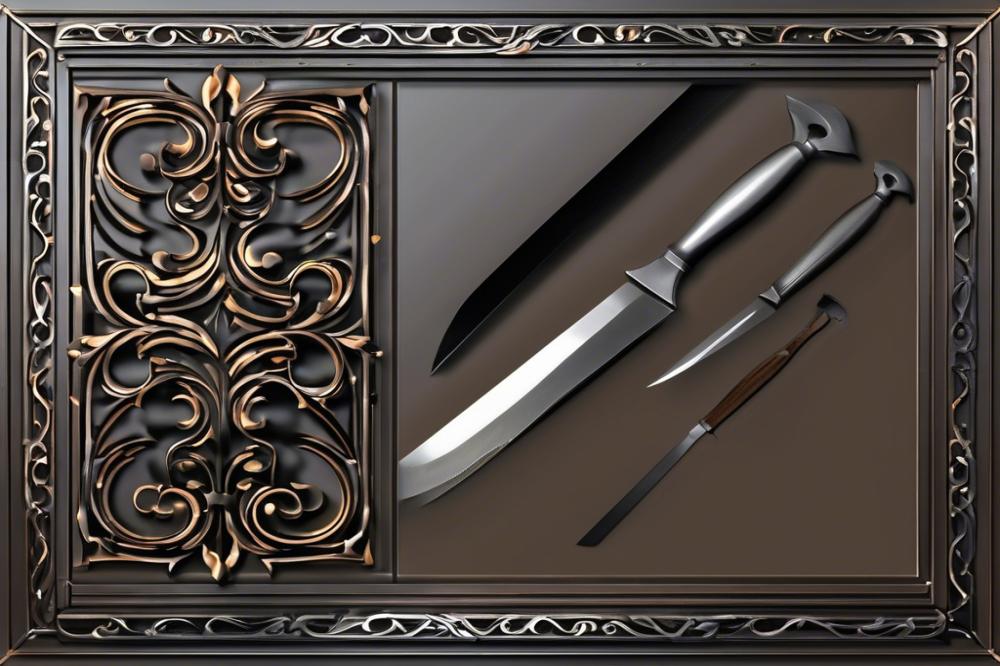
When diving into decorative forging, having the right tools is crucial. Each piece of equipment you choose plays a vital role in your blacksmithing skills. This section will explore essential items you’ll want to have at hand.
Essential Tools for Decorative Forging
Tongs are among the most important tools. These will hold your hot metal securely while you bend and shape it. A good set of tongs can make or break your project. Select tongs that fit the size and shape of your metal. This choice allows for better control during the forging process.
The hammer you use also significantly impacts your work. A heavy hammer is great for making quick, powerful strikes, while a lighter one offers better control for detail. The shape of the hammer’s face affects how the metal moves during shaping. Pick one that suits your specific forging techniques.
Anvils: A Foundation for Metal Shaping
Anvils act as a sturdy base. They absorb energy from your blows, allowing you to shape the metal more effectively. Choosing the right anvil can seem daunting. Look for one with a flat surface and a horn for versatility. A well-made anvil can last a lifetime.
Selecting the Right Equipment
When selecting equipment for your projects, think about the types of designs you want to create. Different decorative elements may require specialized tools. For intricate patterns, consider getting chisels and punches. These can help add depth and character to your work.
Budget is another factor. Quality tools often come at a higher price. However, investing in durable items pays off in the long run. Do some research to find brands that offer reliable options within your price range.
Start with the basics if you’re just beginning. As your skills grow, expand your toolkit. Familiarizing yourself with different tools will enhance your metal shaping abilities significantly.
In the world of blacksmithing, patience is essential. Take your time to understand each tool’s role. Experimentation leads to mastery. Enjoy the journey as you develop your skills!
Techniques for Twisting Metal
Twisting metal adds charm and character to any project in decorative forging. Various methods exist to create those captivating twists that elevate your artwork. Choices made in this process can significantly influence the overall design and feel of the finished piece.
Detailed Explanation of Various Twisting Techniques
One popular technique is the simple twist, achieved by gripping both ends of the metal and turning in opposite directions. This method creates a straightforward spiral effect. For those seeking more complexity, consider the spiral twist. This involves a combination of a basic twist followed by continuous rotation in one direction, resulting in a more pronounced spiral.
Another intriguing option is the double twist. Start with a piece of metal twisted once, and then repeat the process, creating layers of twists that catch the light differently. The final look can be remarkable. For those ready for more challenges, the multi-strand twist combines several smaller pieces into one cohesive design. This forging technique requires more time but delivers exceptional results.
Step-by-Step Guide to Performing Basic and Advanced Twists
To begin with a basic twist, you will need your selected metal, pliers, and a workbench. First, cut your metal to the desired length. Next, secure one end in the vise. Hold the opposite end tightly with your pliers. Rotate it gently but firmly. Keep a controlled motion for an even twist. Check your progress regularly to avoid over-twisting.
For an advanced twist, follow similar steps but introduce an additional technique. Clamp the metal securely and use a torch to heat it slightly. Heat makes the metal more pliable. As it heats, use pliers to twist continuously. Combining heat with twisting creates intricate designs not possible with cold metal alone.
Tips for Achieving Different Designs and Effects
Experiment with various types of metal. Each one has its unique characteristics. Steel offers durability while softer metals like copper provide ease of manipulation. Adjust the temperature of your metal as needed. Hotter metal often leads to smoother twists, while cooler metal can create more rigid patterns.
Consider the spacing of twists. Closer twists give a different appearance than wider twists. Small variations can have a great effect on the final look. Don’t hesitate to draw inspiration from nature or architecture. Unique designs often arise from blending ideas. Lastly, practice is key in developing those essential blacksmithing skills. Each attempt builds your confidence and enhances your metal shaping abilities.
Incorporating Twists into Musical Instruments
Adding twists to metal can transform musical instruments into captivating pieces of art. The interplay of curves and lines can amplify both aesthetics and functionality. Decorative forging techniques turn a simple design into something that draws attention. Musicians and craftsmen alike appreciate these enhancements.
Instruments like trumpets and saxophones benefit greatly from metal shaping. Twisted embellishments not only look striking but can also modify sound characteristics. Consider a trumpet with a beautifully twisted bell. This design isn’t just for show; it can alter the soundwaves that resonate, offering musicians a richer tonal quality.
Examples of Instruments That Benefit from Decorative Forging
Guitars often feature twisted elements in their hardware, such as tuning pegs or bridges. The elegance of a twisted tailpiece can enhance the instrument’s overall appeal. Drums can also take on a distinctive flair. Twisting metal rims provides not just visual interest but a slightly different sonic experience as well.
Another notable example includes flutes. A flutist may appreciate the beauty of a twisted foot joint. This combination of art and sound creates an unforgettable visual impact that speaks to craftsmanship. Each twist tells a story, reflecting the dedication of the creator.
Ideas for Integrating Metal Twists in Design Features
When considering ways to incorporate these designs, think about ornate elements. Perhaps adding twisted vines to the body of a violin could enhance its elegance. This method requires careful attention to blacksmithing skills and requires planning. Always visualize how each twist will complement the overall structure.
Incorporating functional twists is also an option. Features that allow for easier handling or adjustment can play a significant role. This fusion of utility and decoration can make an instrument more appealing to musicians.
Don’t overlook the power of simple accents. Even minor twists on the tuning keys of a guitar can make a difference. These small touches present opportunities to showcase creativity within traditional forms. Balancing aesthetics with usability will always yield impressive results.
Finishing Touches
When working with twisted metal, the finishing process is just as important as the forging stage. Effective techniques can transform your creation into a stunning piece of art. Polishing provides a brilliant shine, which enhances the natural beauty of the metal. Different tools, such as wire brushes or polishing wheels, can be used to achieve this. Select the right method to match the style of your work.
Polishing and Patina Effects for Aesthetic Enhancement
Creating a patina can add depth and character to your work. This technique involves applying a chemical solution to the surface. The result? Rich colors and interesting textures that tell a story. It’s a beautiful way to highlight details, especially in decorative forging. Combining polishing with a patina can yield captivating results that contrast light and shadow.
Importance of Protecting Finished Surfaces
Once your pieces are polished and patinated, protecting them becomes essential. A clear coat can guard against corrosion and environmental damage. Clear lacquers or oils will maintain the finish and elongate the life of your artwork. Blacksmithing skills shine through not just in the forging but also in how you care for your creations. Consider this an investment in your work.
A thoughtful approach to finishing can significantly elevate your projects. With metal shaping, every detail matters. Pay attention to your techniques, and let your personality reflect in the final product.
Showcasing Your Work
Presenting your twisted metal designs can be rewarding. Each piece tells a story. Find ways to highlight your creativity and skill. Consider local art shows or craft fairs to display your work. Gather feedback from viewers to improve your techniques. People appreciate elegance combined with craftsmanship, so focus on that unique blend.
Building an Online Portfolio or Gallery for Your Work
Creating an online presence is essential in today’s digital age. Start by taking high-quality photographs of your creations. Use natural lighting to capture the intricate details of your designs. A well-organized gallery allows visitors to feel the essence of what you create. Several platforms can help you build a portfolio. Choose one that reflects your style and is easy to navigate. Regularly update your collection to keep followers engaged. Don’t shy away from sharing your blacksmithing skills and processes. Show behind-the-scenes moments that bring your art to life.
Engaging with the Musical Instruments Community
Connecting with those who appreciate metal shaping can enhance your exposure. Many musicians seek decorative forging to enhance their instruments. Network at music shops, concerts, and trade shows. Engaging in discussions can open doors to collaborations. Offer to create custom designs for local musicians. Their support can elevate your profile in the community. Not only can this work provide inspiration, but it can also help you learn new forging techniques even while you enjoy the sounds of creativity. Collaborating with musicians differs from traditional crafts and can lead to innovative projects.
Final Thoughts
Twisting metal in decorative forging holds immense significance. This technique allows artisans to add flair to their creations while also showcasing their individual style. Decorative elements transform ordinary pieces into works of art. They breathe life into designs, making each item stand out in its own right. The journey of mastering these skills can be both challenging and rewarding.
As you delve deeper into blacksmithing, embracing creativity can enhance your craft. Tapering metal and exploring various techniques like Forge welding can lead to surprising discoveries. Experimentation fuels artistry, pushing the boundaries of what you can achieve. Every twist and turn of the metal presents an opportunity to express personal vision. It’s essential to approach each project with a sense of adventure.
Moreover, decorative elements play a vital role in craftsmanship, especially in the realm of musical instruments. They not only enhance the visual appeal but also contribute to the overall aesthetic and cultural value. A beautifully crafted instrument resonates with the spirit of creativity, inspiring both the maker and the musician. Thus, integrating unique designs into your work can bring your artistry to life.
In summary, practice and exploration in this field are key. Embrace the art of forging with zeal and an open mind. Discover the joy of adding decorative touches to your work, knowing that each piece can tell a story. Unlock your potential and let your creativity shine through your creations.

