

Introduction
Blacksmithing has a rich history that spans centuries. The craft involves shaping metal through heating and hammering. This process requires a combination of skill, creativity, and precision. Artisans have used these techniques to create tools, weapons, and even art. However, one of the lesser-known aspects is its significant role in the creation of musical instruments. Blacksmiths have long been involved in crafting metals that produce beautiful sounds, showcasing their artistry in a different light.
Among the various applications of blacksmithing, the art of making instruments deserves special attention. The unique qualities of metal contribute to the instrument’s tone and durability. Metalworking skills transfer seamlessly from Traditional blacksmithing to crafting instruments like bells, flutes, and brass items. Each instrument tells a story through both its sound and the craftsmanship involved in its making. It is fascinating to consider how countless musicians have benefited from these ancient techniques.
Furthermore, traditional forging traditions vary across cultures. Some cultures emphasize elaborate ornamentation, while others focus purely on functionality. This diversity adds depth to the art form and showcases how ancient methods continue to influence modern practices. Weapon smithing, for instance, has its distinct techniques, yet many principles overlap with those used in instrument creation. The craftsmanship of the past informs the skills of today’s blacksmiths, ensuring the legacy of metalworking endures.
Without a doubt, the story of blacksmithing is one of innovation and evolution. It reminds us that even in our contemporary world, the foundations laid by craftsmen of yesteryear still resonate. Each strike of the hammer against the anvil connects us to a time when metal was transformed by hand into something truly remarkable.
Historical Blacksmithing Defined

Blacksmithing from the past refers to the practice of shaping metal using heat and tools. This craft has roots that stretch back thousands of years. In communities, blacksmiths were vital. They provided tools, weapons, and other essential metal items. Their work relied on ancient techniques passed down through generations.
Modern blacksmithing differs in several key ways. Contemporary practices often use advanced tools and techniques. Electric forges and computers play significant roles today, unlike the traditional methods. Old-style blacksmiths relied heavily on manual skills and hand tools. The difference is not just in tools, but also in purpose. While today’s blacksmiths may create for art or hobby, historic blacksmiths were often driven by necessity.
Looking at metalworking processes gives clear insight into this craft. Forging was one of the most important techniques. This involves heating metal until it is malleable and then shaping it using hammers and anvils. Different styles of hammering can create unique textures and shapes. Another key process is annealing, where metal is heated and then allowed to cool slowly. This makes it softer and easier to work with.
Welding has played a role in blacksmithing as well. It involves joining metal pieces together with heat. Historically, this would be achieved through techniques like forge welding, which dates back to ancient times. Each skill and process reflects the forging traditions that have developed over centuries. Understanding these techniques helps us appreciate the craftsmanship involved.
Tools also tell a story. A basic smithy might include a hammer, an anvil, and tongs. Each of these items has a specific function in working the metal. The balance of heat and careful strikes was essential for creating items that could last. Over time, specialized tools emerged that allowed smiths to create more sophisticated designs.
Blacksmithing skills require not just physical strength but also knowledge of metals. Different types of metal react differently to heat. Knowing these properties is crucial for successful forging. Historical blacksmithing is a blend of art and science, where experience truly matters. The combination of traditional methods and skillful practice showcases a strong connection to the past.
Ancient Techniques in Blacksmithing

The origins of blacksmithing stretch back thousands of years. It likely began in the ancient Near East around 3000 BCE. Early blacksmiths worked primarily with copper and bronze, employing fire and tools to shape metal for practical uses. As civilizations progressed, the demand for stronger materials led to the discovery of iron. This marked a significant turning point in the craft, paving the way for the Iron Age.
When discussing key ancient techniques, several methods stand out. One important skill is the forge welding process, where two pieces of metal are heated and then hammered together to create a solid bond. This technique required precision and a good understanding of metal properties. The hammer, an essential tool, came in various shapes and sizes. Blacksmiths used different hammers for tasks such as drawing out or squaring materials. Another notable method was the use of the anvil. This tool provided a solid surface to manipulate metal, enabling crafters to create complex shapes.
Cultural Practices and Forging Methods
Cultural practices significantly influenced various forging traditions. Different societies developed unique styles based on their resources and needs. For example, the Japanese established a distinct method known as tatara, which focuses on producing high-quality steel. The techniques they perfected have had lasting effects on sword-making. Likewise, African blacksmithing cultures developed practices that emphasized community involvement in metalworking. These communities viewed blacksmiths not only as craftsmen but also as vital parts of cultural heritage.
Regional variations also played a role in steel production. In Europe, the development of bloomery furnaces allowed for more efficient iron extraction. Such methods impacted how tools and weapons were crafted. In contrast, Middle Eastern blacksmiths often utilized techniques that emphasized intricate designs in their metalwork. The artistry in their pieces reflects the social significance of forging in their societies.
Essential Blacksmithing Skills
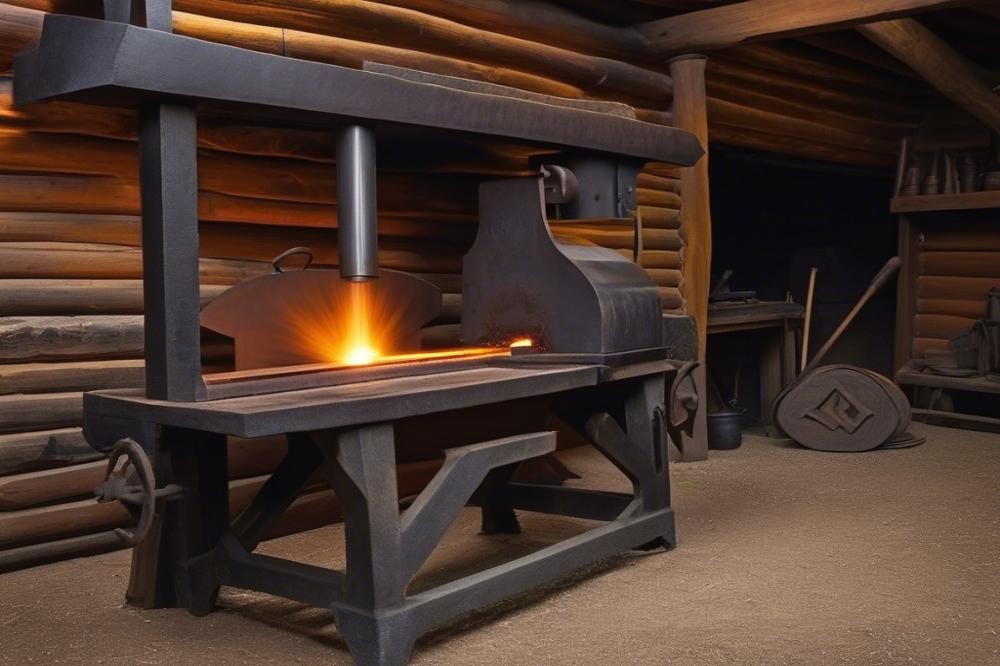
Blacksmithing requires a set of fundamental skills that are crucial for anyone wishing to forge metal into useful objects. First, understanding how to heat metal effectively is essential. Ancient techniques show that the right temperature can determine the success of a project. Too hot and metal can burn, too cold and it becomes brittle. Knowledge of how to read the color of heated metal is vital.
Another important skill lies in shaping the metal. This involves using hammers, anvils, and various tools to form the desired shape. An effective blacksmith mirrors the rhythm of the tools and the metal. Precision is key. Each strike must be deliberate, ensuring the metal flows as desired. High levels of hand-eye coordination help with this process. Accurately hitting the metal is as important as knowing the correct angle to apply.
Strength is also critical in this trade. Blacksmithing can be physically demanding. When working on large pieces, a strong physique allows for better control and less fatigue. However, technique often outweighs sheer strength. Proper body positioning can maximize efficiency even in heavy lifting situations.
Training Methods and Apprenticeship
Acquiring blacksmithing skills typically involves extensive training. Historically, apprenticeships were the norm. Young blacksmiths began their journey by learning from seasoned craftsmen. These apprenticeships could last several years, during which they honed their skills in the craft. Watching and mimicking the techniques of their mentors was a common method of learning. Patience was required as skills developed gradually over time.
Moreover, forging traditions were passed down through generations. Master blacksmiths often taught apprentices not just the techniques but the philosophy behind each method. Understanding the history of the craft enriched their learning experience. Each piece of metal crafted held a story, which connected generations of blacksmiths in an unbroken chain of knowledge.
In addition to hands-on learning, reading texts about metalworking can also deepen understanding. By studying historical documents and illustrations, aspiring blacksmiths can gain insights into techniques long forgotten. This combination of practical and theoretical knowledge builds a well-rounded skill set that honors the craft.
The journey to mastering blacksmithing skills is a unique one. Each blacksmith travels their own path, drawing from the rich tapestry of the craft’s history. Yet, irrespective of their specific training, every blacksmith shares a common goal: to shape metal into something remarkable.
Forging Traditions Around the World
Different cultures have varying forging traditions that reflect their history and environment. From the intricate designs of Japanese swordsmiths to the simple tools made by African artisans, each region has its own set of blacksmithing skills. These variations are not just cultural but also practical, shaped by the needs of the people using the tools and weapons.
In Europe, for instance, the blacksmith was often a critical part of the community. Medieval blacksmiths created everything from horseshoes to weapons. The art of metalworking was essential to everyday life. Techniques like hot forging were commonly used to shape metal. Each village might have its methods, leading to subtle yet significant differences in the tools produced.
Meanwhile, in Japan, the tradition of sword making, or katana forging, showcases ancient techniques passed down through generations. Japanese artisans utilized a method called tamahagane, which required a specific type of clay and iron sand. The environment directly influenced this practice. Mountains provided the materials needed for making their famous blades.
Regional Variations
Regions also affect the shapes and styles of what is produced. In India, for example, blacksmiths often create ornate ironwork, reflecting rich cultural symbolism. The tools and decorations they create exhibit their artistic flair. Very different is the approach seen in Eastern Europe, where sturdy agricultural tools have been the focus.
Resource availability plays a crucial role too. In places rich with iron ore, like parts of Africa and Scandinavia, extensive metalworking developed. Conversely, areas lacking materials adapted by using alternative methods. Blacksmithing in these regions often focuses on what can be repurposed or crafted from less conventional sources.
The Impact of Environment
Nature shapes the skills of blacksmiths greatly. For example, those living near forests might create tools for woodworking. Coastal smiths might craft implements for fishing. Up in the mountains, forging strong and durable items is vital for survival. Environmental factors dictate which materials are available for forging.
Not only do materials differ, but so do the techniques. Regions with a colder climate might see thicker, more robust tools made to last through harsh winters. Warmer areas could focus on lighter, more delicate items suited for their lifestyles. Local climate affects the entire blacksmithing process, influencing everything from smelting to cooling.
Cultures influence not just the products but also the methods used. Community gatherings often revolve around blacksmithing events, where young apprentices learn from masters. Knowledge sharing across generations helps preserve these ancient skills. Innovations are embraced, but many stick closely to traditional crafting methods.
The Role of Blacksmiths in Instrument Making
Blacksmiths played a vital role in the creation of musical instruments throughout history. Their contributions were not limited to tools and hardware; they also shaped the very sounds we enjoy. By combining their blacksmithing skills with a deep understanding of acoustics, they created instruments that have stood the test of time.
Many familiar instruments owe their existence to these skilled craftsmen. For instance, the trumpet and the saxophone incorporate various metal components that blacksmiths meticulously forged. Clarinets also feature metal keys that enhance their sonorous qualities. Even the bodies of some percussion instruments, like cymbals, require expert metalworking to produce the right tones.
Ancient techniques used in making musical instruments involved careful crafting of metals. Hammering, bending, and shaping were essential actions during the forging process. Blacksmiths employed heat to soften metal, allowing them to create intricate designs and precise fittings. The methods passed down through generations were crucial in developing both functionality and aesthetics in music.
Specific examples showcase the artistry involved in this work. The bells of orchestras, often produced by skilled artisans, require a combination of metallurgy and musical expertise. Instruments like the French horn also feature hand-hammered brass, giving them that rich, warm sound. Each metal component carefully crafted contributes to the overall performance of the instrument.
Blacksmithing traditions have varied across cultures, yet the core techniques remain consistent. In many cases, woodwind instruments rely on metal keys crafted to exact specifications. The balance between metal and wood can significantly affect sound quality. Understanding how each material interacts is essential for instrument makers.
Overall, the legacy of blacksmiths in the realm of music is significant. Their ability to manipulate metal with such precision transformed simple materials into beautiful instruments. The craftsmanship involved provides not just utility but also artistry, enriching our musical experiences.
Preserving Historical Blacksmithing Techniques
Preservation of blacksmithing traditions holds significant importance in keeping our culture alive. The knowledge passed down through generations contains valuable insights that connect us to our past. These ancient techniques reflect the craftsmanship artisans have honed over centuries. By studying and practicing these skills, modern blacksmiths can appreciate the richness of our heritage.
Several contemporary practices honor the forging traditions of yesteryears. Many blacksmiths today choose to use tools that mimic historical methods. Some even prefer using traditional furnaces, which adds to the authenticity of their work. Creating items in this way fosters a deeper understanding of metalworking. When artisans engage with these older approaches, they unlock new levels of creativity and skill.
Organizations and Workshops
Various organizations are dedicated to preserving blacksmithing skills. They hold workshops and events that attract both beginners and seasoned craftsmen. These gatherings provide a space for sharing knowledge and techniques. Participants often leave with a newfound appreciation for the craft. They take the lessons learned back to their own workshops, fostering a community of learning.
Online platforms also contribute to this movement. Many enthusiasts share their experiences, techniques, and projects through blogs and videos. This digital presence widens the reach of historical knowledge. Skills that might have faded into obscurity can find new life in today’s connected world. Such efforts greatly enrich the collective understanding of blacksmithing’s significance.
In many ways, the commitment to preserving these traditions can be seen as a form of art itself. Each time a blacksmith strikes the anvil, they celebrate the legacy of those who came before them. It’s not just about making metal items; it’s about crafting a narrative that speaks to our shared history. By engaging with the past, modern practitioners contribute to a living tradition that will inspire future generations.
Reflecting on Blacksmithing Heritage
Historical blacksmithing has left an indelible mark on our cultures and communities. Its significance goes far beyond the mere crafting of metal objects. This age-old skill embodies the spirit of innovation and perseverance. Blacksmiths were pivotal in shaping tools, weapons, and everyday items that modern society often takes for granted. Their expertise laid the foundation for many industries we rely on today.
The impact of ancient techniques remains evident in various fields. Techniques from the past have influenced not only metalworking but also areas like art and culinary crafts. Bladesmithing, for instance, merges traditional methods with contemporary design, producing exceptional knives and swords that are both functional and artistically beautiful. One cannot overlook Restoration blacksmithing, which revives historical objects and brings them back to life. This practice allows us to appreciate craftsmanship from previous generations.
Many people overlook the artistry involved in this craft. It’s not just about creating objects; it’s about preserving culture and history. Those who support traditional skills play an essential role in maintaining these practices. You can find blacksmith workshops today that offer classes and demonstrations. Joining these experiences can foster a deeper connection to our heritage.
As we move forward, let’s recognize the value of these skills in our world today. Whether in music, art, or everyday life, Traditional blacksmithing deserves appreciation and support. Engaging with these crafts not only honors the past but also enriches our present and future. So, when you come across a handcrafted item, take a moment to appreciate the history and skill that went into its creation. Together, we can nurture the culture of craftsmanship that has endured for centuries.

