
Introduction
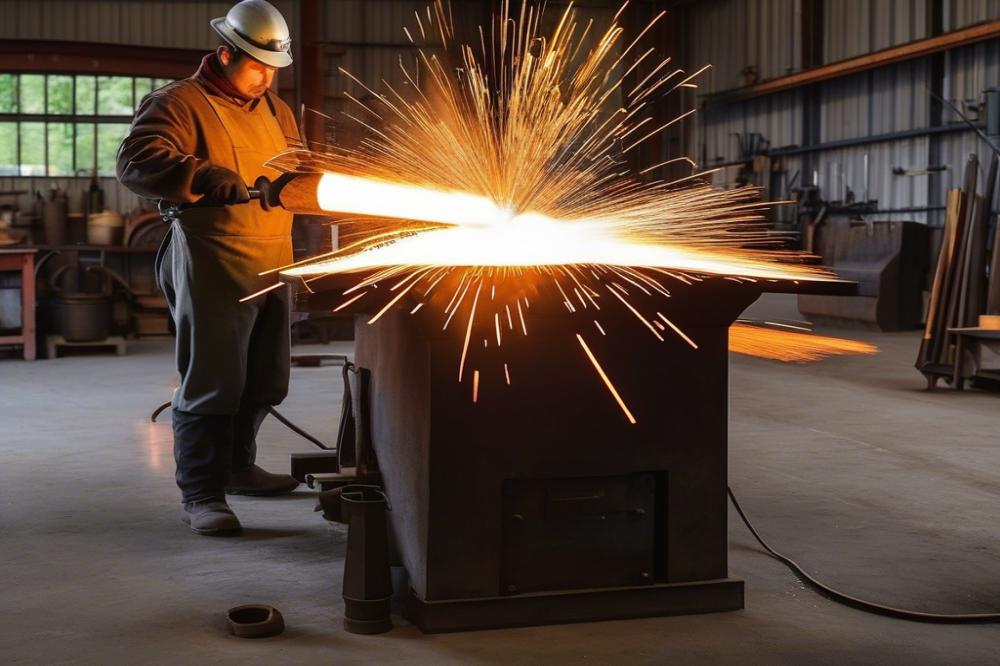
Automotive blacksmithing occupies a significant niche within the broader scope of metalworking. This craft involves not just artistry but also essential engineering practices that shape components vital for vehicle performance. Throughout history, the techniques of blacksmithing have evolved, integrating seamlessly with contemporary manufacturing processes to enhance car parts forging. While many think of blacksmithing as a traditional trade, its relevance today is undeniable.
As the automotive industry faces new challenges, blacksmithing skills come to the forefront. These skills are vital for creating robust and durable parts that meet increasing demands for efficiency and safety. Advanced manufacturing technologies often draw inspiration from these specialized techniques, underscoring the ongoing importance of traditional craftsmanship. In Modern blacksmithing, the fusion of age-old methods with cutting-edge technology illuminates possibilities for innovation.
The intersection of this ancient craft and the automotive world fosters an environment rich in creativity and functional design. Engineers and blacksmiths alike work together, pushing the boundaries of what can be achieved. Forging techniques contribute to the production of components that are not only strong but also lightweight, leading to better fuel efficiency. Emphasizing quality in every forged car part is essential for sustaining a competitive edge in today’s market.
Moreover, Industrial blacksmithing plays a pivotal role in this synergy. It bridges traditional practices with modern manufacturing needs. This connection helps both to honor the past and foster future advancements within the automotive sector. As we navigate the complexities of design and functionality, the value of blacksmithing becomes increasingly apparent. Craftsmanship is not merely a relic; it is integral to shaping the future of transportation.
History of Blacksmithing in the Automotive Industry

Blacksmithing has a long and intriguing history. Its roots trace back thousands of years when artisans worked iron and other metals by hand. This craft formed the backbone of equipment creation, impacting various trades, including carpentry and agriculture. The unique skills of a blacksmith proved essential in many societies, leading to advancements in tools and weaponry.
With the dawn of the Industrial Revolution in the 18th century, metalworking began to evolve rapidly. Factories started to replace traditional blacksmith workshops. Mechanization introduced new techniques while diminishing the role of the individual craftsman. However, blacksmithing found its niche within the burgeoning automotive sector.
In the early 1900s, the automotive industry began to form. Pioneers like Henry Ford revolutionized production with assembly lines. These assembly lines demanded various components, many of which required forging. Car parts forging became a vital task for skilled blacksmiths, who produced everything from frames to engine components. The demand for strong and reliable parts made the blacksmith’s role indispensable.
During this period, innovative blacksmith techniques emerged. Specialized techniques were developed to meet the requirements of new designs. Skilled artisans adapted traditional methods to forge complex automotive components efficiently. They combined creativity with mastery, crafting parts that withstood the rigors of early automobiles.
Throughout the decades, the automotive landscape transformed. The advent of new materials introduced fresh challenges. Blacksmiths in this era had to adapt continuously. They incorporated modern technologies, including welding and casting, enhancing their ability to meet industry needs. Despite these advancements, blacksmithing skills remained vital.
After World War II, the automotive industry expanded greatly. The demand for vehicles surged, and blacksmiths adjusted their methods once again. They played an essential role in the manufacturing process. Custom automobile designs often relied on the artistry of a blacksmith. From one-of-a-kind restorations to performance enhancements, their influence was firm.
Today, blacksmithing still exists within the automotive world, albeit in a different capacity. While automated processes dominate mass production, many specialized workshops persist. Enthusiasts and custom builders appreciate traditional craftsmanship. Their work honors the legacy of the past while pushing the boundaries of design.
Key historical milestones reflect the ongoing journey of blacksmithing in the automotive industry. From crafting the first vehicles to pioneering new forging techniques, the influence is undeniable. Each car truly tells a story, one that intertwines with the rich history of metalworking and the enduring spirit of innovation.
Fundamentals of Metalworking

Metalworking forms the backbone of many industries, with automotive applications highlighting its importance. This craft involves shaping and manipulating materials to create functional objects. Basic principles guide blacksmiths as they transform raw metal into car parts. Heat, pressure, and skill form the trio essential for effective car parts forging.
Understanding various materials is crucial. Steel stands out as the primary choice for automotive applications. Several alloys enhance steel’s properties, making it more durable and resistant. Each type of alloy provides specific benefits, whether it’s the flexibility of spring steel or the strength of carbon steel. Blacksmithing skills directly influence the quality of the final product.
Specialized techniques come into play during the forging process. These methods include hammering, pressing, and bending. They allow artisans to achieve intricate designs and precise dimensions. Holding the metal at the right temperature is paramount. Too hot or too cold can hinder the desired outcome.
In automotive blacksmithing, attention to detail is not an option; it’s a requirement. Car parts must fit together seamlessly to operate efficiently. Precision ensures safety and functionality on the road. Each piece created is a testament to craftsmanship, built to withstand the demands of everyday use.
In summary, mastering the fundamentals of metalworking can lead to impressive results. Whether it’s through the careful selection of materials or the application of specific forging techniques, the art of shaping metal continues to inspire innovation in the automotive world. This knowledge equips craftsmen with the means to push boundaries and create components that stand the test of time.
Car Parts Forging Techniques

Forging car parts is an essential part of the automotive industry. The process involves shaping metal through the application of pressure. Skilled blacksmiths use various methods to create components that are both strong and reliable. Among the many techniques, hot forging and cold forging have gained significant attention.
In hot forging, metal is heated until it becomes malleable. This heating allows for easier manipulation. Blacksmiths can create intricate shapes and designs. Axles are often produced through this method. The result is a durable piece that can withstand the stresses of driving.
Cold forging, on the other hand, doesn’t require heating the metal to high temperatures. Instead, it leverages the natural properties of metals at room temperature. This technique typically results in tighter tolerances and a finer surface finish. Brackets and smaller components benefit from this precision. Parts made this way are essential in ensuring vehicles function correctly.
Crankshafts are another excellent example of forged components. These parts need to endure heavy loads and repeated stresses. Blacksmithing skills become vital when forging crankshafts. Every curve and angle must be crafted with care. Each step in the process contributes to the part’s overall strength and performance.
Utilizing specialized techniques enhances the quality of produced components. Techniques such as hot die forging allow for mass production while maintaining specific standards. Blacksmiths often experiment with different metals, which results in unique properties for various applications. The choice of material can significantly impact how a component performs.
Car parts forging doesn’t just focus on strength. Efficiency and reducing weight are also crucial factors. Manufacturers continually seek to improve their methods. Lighter components enhance fuel efficiency and overall performance. Knowing how to balance these aspects is essential in today’s automotive landscape.
The world of automotive blacksmithing is fascinating. Each part forged is a testament to the skill of the craftsman. As technology advances, the methods of forging continue evolving. Learning about those processes creates appreciation for the components in every vehicle.
Blacksmithing Skills Applied in Automotive Manufacturing
Blacksmithing in the automotive sector requires a blend of ancient techniques and modern practices. Essential skills contribute to the creation of durable and high-quality car parts. The art of metalworking forms the foundation of how components are forged. Understanding properties of different metals is vital. Skilled artisans manipulate materials to achieve desired shapes and strengths.
Developing proficiency in specialized techniques is crucial. Hammering, bending, and welding are everyday tasks for a blacksmith. The mix of creativity and precision plays a pivotal role in automotive blacksmithing. Hands-on experience becomes invaluable here. Practical knowledge enables blacksmiths to troubleshoot unexpected challenges during production.
Each car part tells a story of craftsmanship. Creating unique designs often involves using traditional tools alongside advanced machinery. This harmony between old methods and new technology raises the quality of automotive parts. Innovation emerges from understanding the past. Blacksmiths who can adapt to new materials and processes thrive in this dynamic field.
Collaboration with engineers enhances the blacksmith’s role. Working together allows for the development of parts that not only look good but perform exceptionally well. Automotive manufacturing involves precise measurements and standards. Every forged component must meet stringent regulations for safety and reliability.
Attention to detail cannot be overstated. A slight imperfection can lead to significant issues down the line. Each hammer strike must resonate with purpose, ensuring the integrity of the part being forged. The fusion of blacksmithing skills and automotive craftsmanship results in a product that stands the test of time.
Specialized Techniques in Automotive Blacksmithing
In the world of metalworking, specialized techniques play an essential role. Automotive blacksmithing demands precision and skill, especially when it comes to car parts forging. Each method has its purpose and its strengths, leading to innovations that help in creating efficient vehicles.
Hot forging stands out as a foundational technique in this field. It involves heating metal components until they become malleable. While it requires careful temperature control, the results produce strong and durable pieces. This method is vital for shaping critical car parts like axles, crankshafts, and suspension systems.
Cold working, on the other hand, does not rely on heat. Instead, it uses force to form materials at room temperature. The result is remarkable; parts gain additional strength and hardness. Techniques like bending and rolling are common, and these practices are crucial for specific components in the automotive design.
Heat treatment is another critical aspect of blacksmithing skills. This process involves heating and cooling metal in a controlled manner. It modifies the properties of the material, enhancing toughness and wear resistance. Car manufacturers depend on these attributes for longevity and reliability.
Innovations continue to emerge. Advanced alloys and coatings make Modern blacksmithing more efficient. New technologies and tools assist artisans in achieving precision with every strike. Modern blacksmiths must adapt to these innovations while respecting traditional methods.
Understanding these specialized techniques lays the groundwork for success in automotive fabrication. Knowledge of various methods enhances the ability to innovate and solve complex problems, leading to better designs and improved functionality in vehicles. Mastery of these skills is not just about forging metal. It’s about shaping the future of transportation.
Integration of Technology in Blacksmithing
Modern technology greatly influences traditional blacksmithing practices. CNC machines represent a significant advancement in the field of metalworking. These machines allow for precise car parts forging, a skill that once relied entirely on manual labor. Instead of relying just on hand tools, blacksmiths now use automated processes to enhance their work.
Designing components has also become more efficient with CAD software. Drawing plans on a computer helps artisans visualize their ideas clearly. This software enables them to create intricate designs that can be accurately reproduced. By implementing specialized techniques, these creative minds breathe life into their concepts.
The benefits of integrating technology into blacksmithing extend beyond efficiency. High-quality production leads to consistent results, which is crucial in the automotive sector. This shift provides opportunities for those with fundamental blacksmithing skills to expand their capabilities. Manufacturers can easily adapt to demand while maintaining product integrity.
Blacksmiths now find it easier to innovate. Automated processes help craft complex shapes that would be cumbersome to achieve traditionally. New tools available today make the work more accessible, attracting a diverse group of apprentices into the trade. Young people can explore this fascinating old-world craft with the support of modern advancements.
While the essence of blacksmithing remains constant, the tools have evolved significantly. Traditionalists may express concern over the loss of classic techniques. Yet, this evolution does not replace the art; it complements it. By embracing these technologies, artisans honor the craft’s roots while pushing the boundaries of what is possible.
Challenges and Opportunities in Automotive Blacksmithing
Blacksmiths in the automotive sector face several challenges. Competition is perhaps the most significant hurdle. Many manufacturers rely on automated processes, which can produce parts faster and cheaper. Traditional blacksmithing skills may seem outdated in a world driven by technology.
Costs of materials have also risen. Steel prices fluctuate, impacting profitability. Small shops often struggle to compete with larger companies. Those larger firms can buy in bulk, lowering their overall expenses. This leaves many artisans feeling restricted.
However, there are opportunities on the horizon. Unique niches exist for custom car parts forging. Enthusiasts often seek specialized techniques that automated systems cannot replicate. This opens a door for blacksmiths to showcase their talent.
Moreover, innovation can lead to growth. Combining modern technology with traditional metalworking might enhance productivity and quality. For instance, using CNC machines alongside hand forging allows for precision while still maintaining a personal touch.
Building strong relationships with local car enthusiasts can also prove beneficial. Community connections foster support for custom jobs. Customized components often command higher prices, rewarding the labor invested.
Training programs can enhance skills in the craft. Upskilling benefits blacksmiths by expanding their knowledge and abilities. Emphasizing education in new techniques can attract a younger audience interested in both history and engineering.
Automotive blacksmithing isn’t just about survival; it’s about thriving amidst challenges. By adapting to market demands and exploring creative solutions, artisans can carve out a sustainable future. Those who embrace change may find their work more fulfilling and rewarding.
Wrapping Up the Essence of Blacksmithing in the Automotive World
The significance of blacksmithing within the automotive industry cannot be overstated. This age-old craft has found its place alongside modern machinery. While cutting-edge technology dominates production, the artistry of shaping metal remains pivotal. Every part created can be a testament to skilled hands and time-honored techniques.
Tradition stands at the forefront. Techniques passed down through generations provide a foundation for innovation. Blending these historical practices with contemporary methods leads to remarkable outcomes. Consider the intricate designs seen in classic car restorations; Restoration blacksmithing breathes new life into vehicles that have stories waiting to be told. Such craftsmanship not only preserves an era but also celebrates it.
Industry professionals underscore the need for balance. While modern tools enhance productivity, the human touch cannot be replicated. Professional blacksmithing infuses character into each component, ensuring that vehicles aren’t just functional, but also works of art. The meticulous attention to detail and passion behind the craft resonate with enthusiasts and collectors alike.
Looking ahead, a fusion of tradition and modernity will shape the future of automotive manufacturing. Emerging technologies may offer efficiency, but the value of a well-crafted piece will forever hold its allure. As we embrace advancements, the core essence of blacksmithing should not be overlooked.
Ultimately, the journey of automotive blacksmithing reflects our collective history and human ingenuity. Craftsmanship and innovation will continue to drive the industry forward, leaving a lasting impact for generations to come.

