
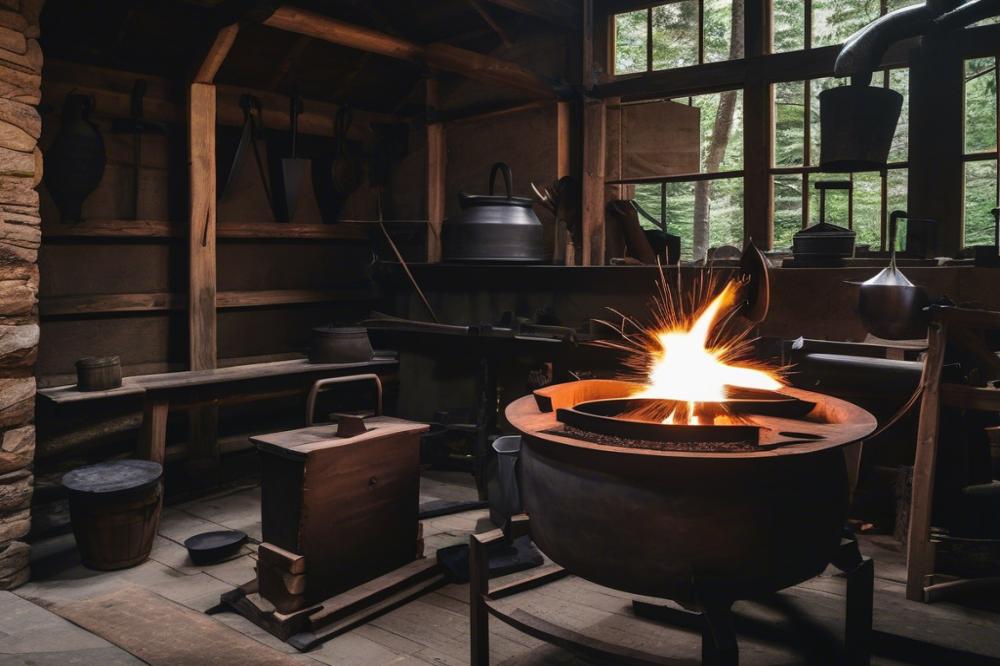
Understanding Upsetting in Metalworking
Metalworking can seem like a complex world filled with various processes and techniques. One such process is upsetting. This technique involves compressing metal in a way that it thickens at one end while maintaining its length. It might sound simple, but mastering it is essential for anyone interested in metal shaping.
Using upset metal can lead to stronger, more durable pieces. Forging techniques often rely on upset methods to create components which can withstand pressure and force. It allows artisans to transform a flat piece into a thickened shape, making it ideal for items like tools and fittings.
The importance of upsetting doesn’t stop there. It is a core aspect of blacksmithing skills, forming a basis for more advanced metalworking methods. By practicing this technique, metalworkers can add a significant degree of manipulation to their crafts. Hammer control becomes crucial during the process. A skilled blacksmith learns to apply the right amount of force at just the right spot.
In short, understanding upsetting really opens doors in metal shaping. This fundamental process enables creators to design parts with better strength and integrity. It is a building block for many aspects of metalworking and provides a platform for innovation and exploration in the craft.
Understanding Upsetting Metal
Overview of the upsetting process
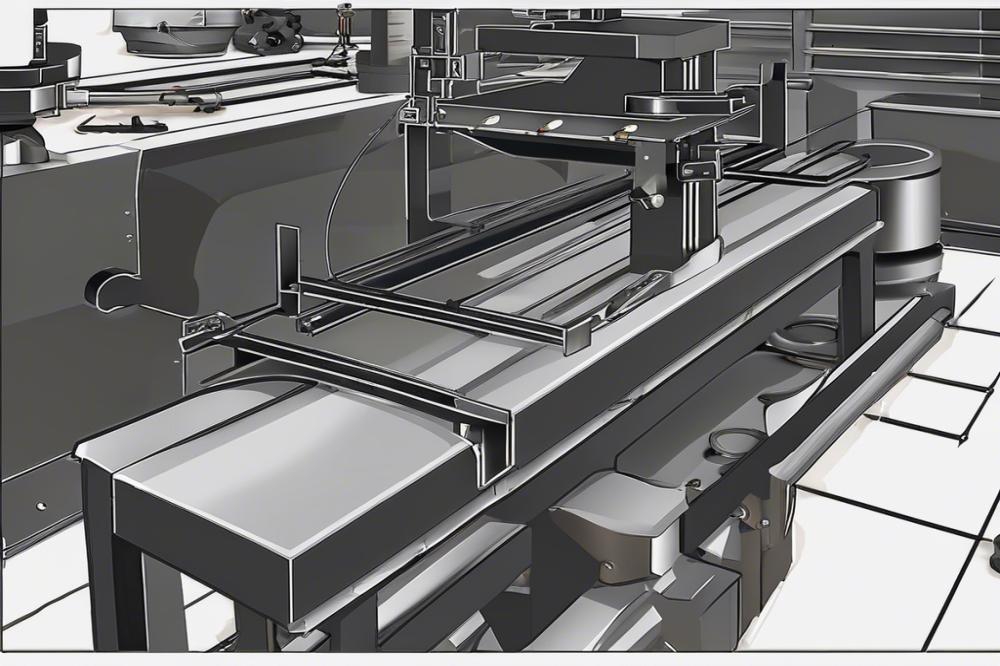
Upsetting refers to a specific technique in metalworking. Essentially, it involves deforming a heated metal piece through compressive forces. The main goal is to thicken the material instead of lengthening it. Placing the workpiece in a vise or under a hammer facilitates this. As the metal gets struck or squeezed, it begins to change shape. The volume of the material remains constant, but the dimensions shift. This approach is crucial for achieving specific thicknesses in the metal.
How upsetting differs from other forging techniques
While there are many forging techniques, upsetting stands out. Other methods like drawing or flattening focus primarily on extending or spreading the metal. Upsetting, on the contrary, concentrates solely on thickening. This fundamental difference defines its role in blacksmithing. In a way, it can be seen as a specialized technique for particular tasks. Blacksmiths use it to create strong joints or to form specific shapes like heads on rivets or bolts. This clarity in purpose separates upsetting from diverse metal shaping methods.
Applications of upsetting in blacksmithing
The applications of this technique in blacksmithing are vast. For instance, creating tools often benefits from thickened sections. A tool’s head may be upset to increase strength and durability. This importance is clear in items like chisels and axe heads. Additionally, it’s used for decorative purposes. Upsetting can add an aesthetic flair to various metal pieces. Blacksmithing skills develop through practice, and mastering this technique is vital. Being able to upset metal effectively can enhance overall craftsmanship. Tools forged through this method often exhibit improved performance due to their unique properties.
The Science Behind Upsetting
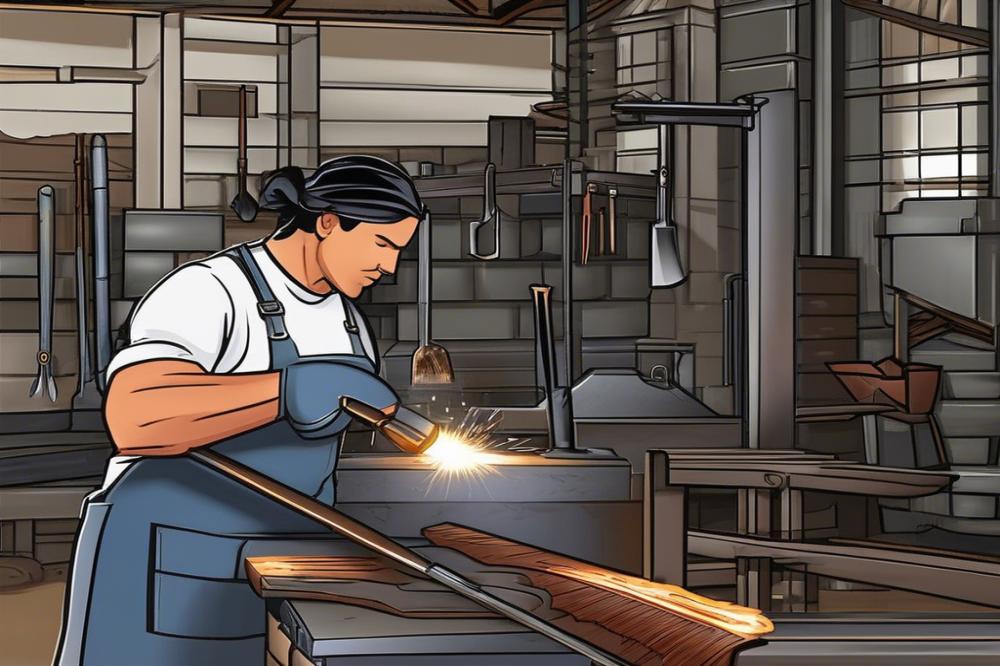
Understanding how materials behave under heat and pressure is key in metalworking. When metals are heated, their properties change. At high temperatures, the atomic bonds weaken, making the material more malleable. This principle is crucial in various forging techniques.
Temperature plays a huge role in metal thickening. As metals heat up, they can undergo a process known as recrystallization. This process helps refine the grain structure, contributing to better strength and ductility. Cold metals, in contrast, resist deformation. As a result, they require much more force to shape than warmed metals. Knowing when to apply heat is part of mastering blacksmithing skills.
Weight and pressure can also influence how metal is shaped. The balance of force and technique is essential. Too much pressure might cause cracks or breaks. A lighter touch could result in poor forming. It’s a dance of applying just enough force? Accurate control during metal shaping can lead to better outcomes.
Each metal reacts differently. Steel, for instance, responds well to heat, making it a preferred choice for many tasks. Aluminum can thin out quickly if not managed correctly. Understanding these variations simply helps metalworkers decide the best approach.
Like many skills, practice is vital. Learning to manage temperature effectively takes time. Observing how metals change provides insights that lead to improvement in techniques. Combining heating strategies with proper force applied will yield excellent results in forging.
Essential Tools for Upsetting
List of Tools Commonly Used in Upsetting
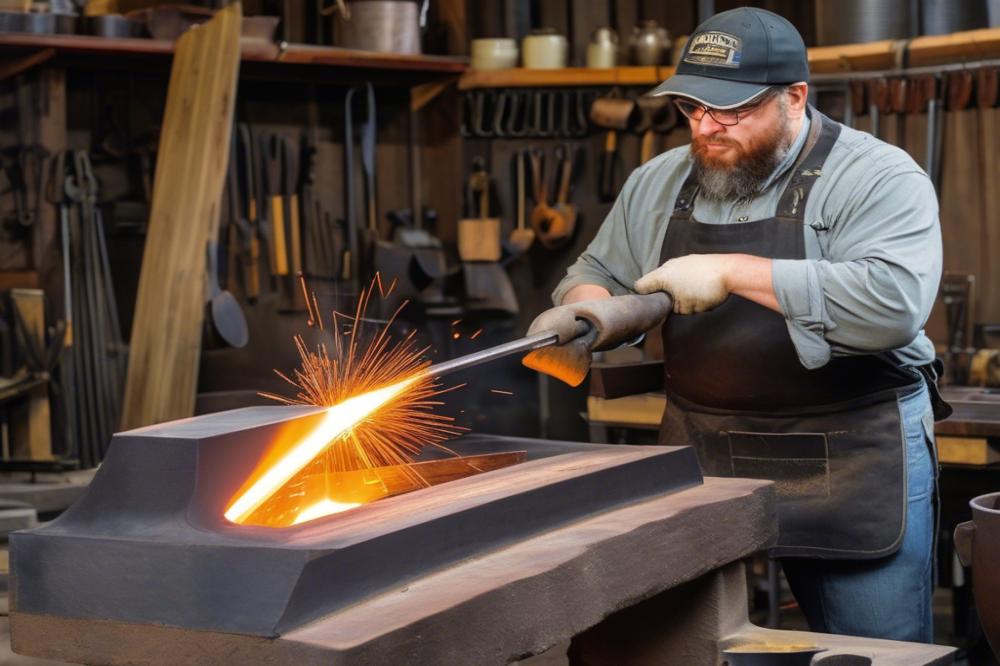
Upsetting is a fascinating process in blacksmithing. Several tools enhance the skill and efficiency of this technique. A strong hammer is essential. Various sizes exist; each serves a specific purpose. You might choose a cross-peen hammer for more control when shaping. Alternatively, a sledgehammer could come in handy for heavy-duty work.
An anvil is another key player in the process. Its sturdy surface provides a solid base for metal shaping. Look for one with a flat surface and a good mass. These features help absorb the force of hammer strikes, making it easier to manipulate metal effectively. Tongs are also crucial. They help grip hot metal, keeping hands a safe distance from heat.
Choosing the Right Hammer and Anvil
Selecting the proper hammer and anvil amount to more than personal preference. Each tool’s weight and shape influence how you perform forging techniques. A lighter hammer allows for more refined movements. If you’re focused on metal thickening, a heavier hammer might work better.
Anvil choice impacts how you conduct your work as well. Consider the size; it should fit your workspace comfortably. A larger anvil offers more surface area but requires more effort to manage. Blacksmithing skills will grow as you find the perfect combination that matches your technique.
Safety Equipment and Precautions to Consider
Always prioritize safety when engaging in upsetting. Start with protective eyewear. Flying sparks and hot metal can easily cause eye injuries. Heavy gloves are also critical. They shield hands from heat and sharp edges.
Make sure to wear appropriate clothing. Clothing should cover arms and legs. Avoid loose items that could catch on equipment. Steel-toed boots also provide extra protection for your feet. Lastly, your workspace should be well-ventilated. Fumes from heating metal can be harmful, so ensure the area has proper airflow.
By being mindful of these tools and safety measures, you can safely navigate the world of metal shaping and developing your blacksmithing craft.
Techniques for Successful Upsetting
Step-by-step guide to performing upset techniques
First, gather your tools. You’ll need a forge, an anvil, and a hammer. Heat the metal until it reaches a bright orange color. This temperature makes it more pliable. Once ready, place the metal on the anvil. Start hammering on the ends, applying pressure evenly. Keep the center of the piece stable while you work on the ends. This helps to create a thicker area where you need it. Rotate and flip the piece periodically. Doing this promotes even thickness throughout. Repeat the heating and hammering process as necessary.
Tips for achieving uniform thickness
Focus on consistent hammer strikes. Each blow should be firm and purposeful. If you hit too hard in one spot, it can create uneven areas. Measure thickness at various points with calipers to monitor progress. This tool helps you stay on track. Moving the metal on the anvil also contributes to uniformity. Instead of always hitting in one location, change your angle occasionally. Doing this will improve the overall shape and thickness of the piece. Timing your heating cycles is crucial as well. Don’t let the metal cool down too much before hammering again.
Common mistakes and how to avoid them
Many beginners tend to overheat the metal. This can lead to oxidation and a loss of material strength. Use just enough heat to make it workable. Forgetting to turn the piece while working is another common pitfall. Rotate your object frequently to avoid creating a flat spot. Also, don’t rush the process. Quality upset techniques require patience and practice. If you notice inconsistencies, step back and reassess. Ensure you aren’t applying too much pressure in one move. Pay attention to your stance and grip. If your body isn’t stable, the results can be compromised.
Blacksmithing skills develop with time, so don’t be discouraged by early mistakes. Embrace each error as a chance to learn. Metal thickening through upsetting takes practice, but following these guidelines will set you on the right path.
Integrating Upsetting Into Your Projects
How to Incorporate Upsetting with Other Forging Techniques
Mixing upsetting with other forging methods can lead to impressive results. For instance, combining it with Drawing out can create longer pieces while thickening metal at the same time. Using heat effectively is essential. Begin by heating your metal to the right temperature. This will allow for easier manipulation. While performing upsetting, remember to maintain control over the material’s shape. Controlled movements lead to better results.
Another technique to try is combining upsetting with bending. Start with a section of metal that you want to bend. Use upsetting to thicken the area you plan to bend. This creates a stronger joint or bend point. Experimentation opens new possibilities!
Case Studies of Projects Using Upsetting
Several projects showcase the effective use of upsetting. Take, for example, the creation of decorative hooks. A blacksmith may start with a thin rod, heat the ends using upset technique, and then shape them into decorative curls. The added thickness provides durability while enhancing aesthetics.
Another example involves crafting knife blades. A blade can begin as a flat piece of steel. By applying upsetting, you can create a thicker spine for added strength. This improvement can help during cutting tasks. These projects demonstrate the versatility of implementing upsetting in varying scenarios.
Benefits of Mastering Upsetting for Blacksmithing Skills
Mastering upsetting can greatly enhance your blacksmithing skills. First, it develops your ability to work with metal shaping. Understanding how to manipulate the thickness of materials opens many doors. As a result, it improves the overall quality of your work.
Additionally, learning this technique can lead to more robust creations. Stronger connections or thicker areas often lead to increased durability in your finished projects. Blacksmiths who master upsetting often stand out in their community. Skill proficiency directly correlates with versatility in crafting. Many find that adopting these skills raises their confidence in metalwork.
With practice, one can transform basic materials into extraordinary pieces. The mastering of upsetting benefits both the craftsman and the creations they produce, leading to rewarding experiences in the forge.
Troubleshooting Common Issues
Identifying problems in the upsetting process
Metal shaping isn’t always smooth sailing. Sometimes, projects can go awry, leading to frustration. You might notice issues like uneven thickness or unwanted warping. Understanding how to spot these errors is key. Check for flaws in your technique or material. Is your heat consistent? Monitor your temperature closely, as it plays a vital role in how the metal responds. Taking careful notes during your process can also help trace back to when things went wrong.
Solutions for common upsets in metal shaping
Once you’ve identified the problem, it’s crucial to act promptly. If you encounter uneven metal thickening, revisit your heat application. Ensure it is reaching the required temperature uniformly. For projects that have warped, consider adjusting your approach to hammering. Applying pressure evenly can correct misalignments. Sometimes, simply reheating the piece before reshaping can make a significant difference. Also, honing your blacksmithing skills through practice and feedback can lead to improvements.
When to seek expert advice
Certain situations may require outside help. If your issues persist despite trying various solutions, it might be time to consult a professional. A mentor or experienced peer can offer insights you may not have considered. Joining a community or a workshop can be invaluable for gaining knowledge. Reflect on your challenges; if they overwhelm you, there’s no shame in asking for guidance. Many experts are eager to share their forging techniques and help newcomers. Remember, learning is a journey, and seeking support is part of that journey.
Wrapping It Up
Mastering the art of upsetting metal plays a crucial role in metalworking. This technique not only enhances your skills but also improves your understanding of how metals behave under pressure. With practice, you can create stronger components and tackle more complex projects.
Encouragement is key. Push yourself to practice regularly, even when it feels challenging. Refine your skills by experimenting with different types of metals and techniques. This hands-on experience will help you become more comfortable with the process.
Many resources are available to support your learning journey. Online platforms offer tutorials that cover everything from the basics to advanced techniques like Drawing out and Tapering metal. YouTube is an excellent place for visual learners. Additionally, forums and community groups can provide valuable insights and tips from experienced artisans.
Remember, mastery takes time. Embrace the journey and allow yourself to grow. With dedication, you’ll find that your abilities will flourish. Happy metalworking!

