

Introduction
Blacksmith shops are fascinating places where metal is transformed into art and functionality. Yet, one crucial aspect often goes overlooked: proper airflow within these environments. Effective ventilation plays a vital role in maintaining air quality and promoting workshop safety. Without appropriate measures, harmful fumes and hot air can accumulate, posing serious health risks to artisans and anyone nearby.
The significance of air quality cannot be understated. In a blacksmith shop, workers are frequently exposed to various pollutants released during metalworking processes. These can include gases from heated materials and particles from grinding. Implementing a robust Ventilation system can minimize these hazards significantly. By allowing fresh air to enter while expelling contaminated air, blacksmiths create a safer work atmosphere, which is essential for long-term health.
Furthermore, safe conditions foster creativity and efficiency. When artisans breathe easier, they can focus on their craft without distractions. For those involved in creating musical instruments, the precision of their work hinges on not just technique, but also on a conducive environment. Any pollutant can affect the quality of sound produced by the final instruments.
Utilizing eco-friendly solutions for air circulation may attract some blacksmiths. Many options promote sustainability while keeping the workshop functional. Airflow management becomes an essential consideration, allowing shops to remain environmentally sound without compromising on safety. In this article, we will explore these themes in greater detail, shedding light on how blacksmiths can effectively incorporate natural ventilation strategies in their workspaces.
Understanding Natural Ventilation

Natural ventilation involves the use of wind and temperature differences to move air through a space. This method relies on the environment rather than mechanical devices to improve air quality. In a blacksmith shop, such an approach can be particularly beneficial, promoting workshop safety and enhancing comfort.
Definition and Principles of Natural Ventilation
At its core, this method of ventilation harnesses natural forces to circulate air. Wind-driven ventilation occurs when outdoor air enters a space due to pressure differences created by wind flow. On the other hand, buoyancy-driven ventilation, often referred to as stack effect, relies on temperature differences. Warmer air is lighter than cooler air and tends to rise, pulling fresh air in from lower areas.
Mechanisms: Wind-Driven and Buoyancy-Driven Ventilation
Many blacksmiths may notice how a slight breeze can improve airflow. When wind flows over a shop, it creates high-pressure areas on the windward side and low-pressure areas on the leeward side. This pressure differential draws fresh air in through openings, while stale air is expelled. Understanding this helps in arranging windows and doors for maximum effect.
Buoyancy-driven ventilation works best when there is a temperature difference. Often, the forge generates significant heat, warming the air inside the shop. As this warm air rises, cooler air is drawn in through lower openings. Implementing this principle strategically can enhance air exchange rates. Blacksmiths can align work areas to utilize this natural movement effectively.
Comparison with Mechanical Ventilation systems
When discussing ventilation systems, comparing natural ventilation with mechanical options is essential. Mechanical systems rely on fans or air conditioning units to control airflow. While these can provide consistent air changes, they often require more energy and maintenance. Additionally, they may not always create the most comfortable environment.
On the flip side, eco-friendly solutions like natural ventilation often incur lower operational costs. They utilize existing environmental conditions, presenting a sustainable option for many workshops. Blacksmiths can benefit from reduced energy consumption while maintaining optimal air quality. Such systems foster a healthier working environment, particularly in spaces where fumes and smoke can be concerns.
In summary, effective ventilation in a blacksmith shop is critical for both safety and comfort. Understanding the principles of wind-driven and buoyancy-driven airflow can significantly impact workshop conditions. Opting for natural solutions over mechanical systems may not only streamline costs but also promote a more harmonious workplace for artisans.
Factors Influencing Natural Ventilation in Blacksmith Shops

Shop Design and Layout Considerations
The design and layout of a blacksmith shop play a crucial role in promoting effective air movement. It is essential to strategically place doors and windows to create cross ventilation. Positioning workstations away from doors can also prevent smoke from accumulating near the work area. A taller building can encourage hot air to rise, which also helps to draw in cooler air from outside. The arrangement of tools and materials should leave ample space for airflow. Consideration for the placement of exhaust fans may also enhance air quality when combined with natural airflow.
Local Climate and Environmental Factors
Local climate directly impacts how a blacksmith shop uses air movement for cooling and ventilation. In humid areas, additional strategies may be required to control moisture within the workshop. Conversely, arid climates may allow for more efficiency in natural ventilation practices. Seasonal changes can also dictate how ventilation is approached; warmer months may require more airflow compared to cooler seasons. The surrounding environment, like nearby buildings or trees, may obstruct airflow. Evaluating these surrounding factors is necessary to optimize venting conditions.
Material Selection and Construction Techniques
Choosing the right materials can greatly affect the ventilation and overall safety of the workshop. Opting for eco-friendly solutions, such as natural wood or recycled metals, can enhance sustainability. Building techniques that favor air pockets and thermal mass can also aid in maintaining comfortable temperatures. Insulation should not impede airflow; it must be designed to work in harmony with the shop’s layout. Remember, proper materials help create a healthy environment, preventing toxic substances from lingering. Effective construction plays a fundamental role in achieving optimal airflow.
Benefits of Natural Ventilation
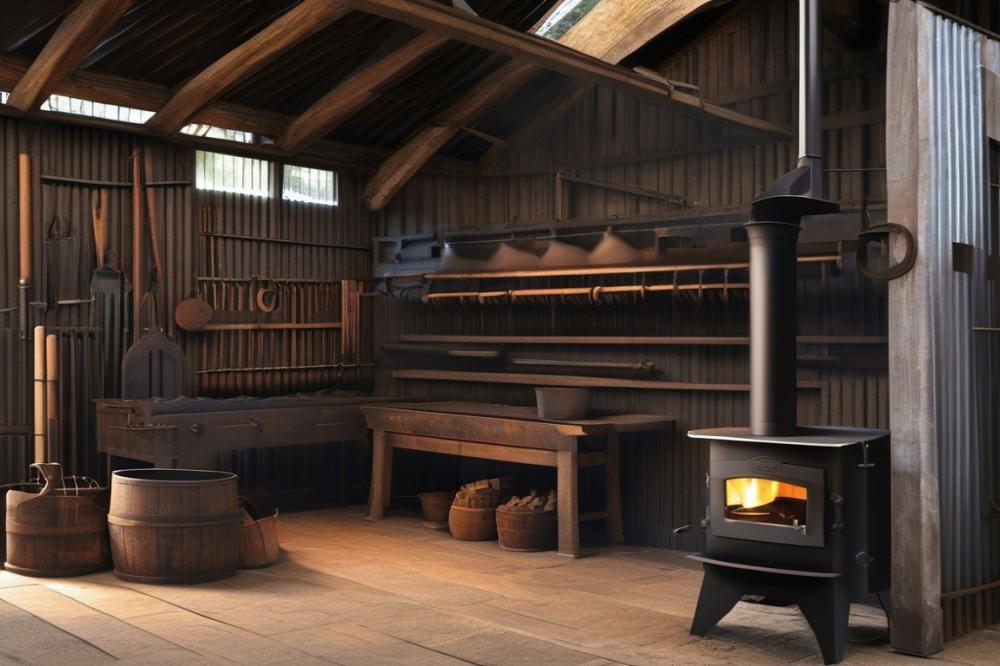
Improving air quality is crucial in blacksmith shops. Fumes from forging and welding can be harmful. Natural ventilation helps to reduce these hazardous substances. Clean air contributes significantly to workshop safety. Breathing fresh air enhances the overall wellbeing of workers.
Using natural airflow as a primary method offers excellent energy efficiency. Unlike mechanical systems, which consume electricity, this method harnesses environmental forces. Relying on nature reduces the carbon footprint. Many eco-friendly solutions involve simple design techniques. Strategically placed windows and vents can be effective and sustainable.
Cost-effectiveness is another major advantage. Mechanical ventilation systems can require substantial initial investments and ongoing maintenance costs. In contrast, utilizing open air requires minimal financial resources. Repairs and replacement parts are not a concern. This approach allows blacksmiths to allocate funds to other essential areas of their work.
Workshop Safety Considerations
In a blacksmith shop, safety is paramount. Poor air quality can lead to health issues for workers. High levels of smoke and metal dust can cause respiratory problems over time. Therefore, understanding air quality in these environments is essential for health and safety. Exposure to harmful substances can have both immediate and long-term effects.
Guidelines for Ensuring a Safe Working Environment
Implementing proper safety rules is critical. Regularly inspect ventilation systems to maintain efficiency. Keeping fire extinguishers accessible is also important. Workers should be trained on their use. Creating an emergency plan ensures everyone knows what to do in case of an incident. Utilizing personal protective equipment, such as masks and goggles, adds another layer of defense. These measures contribute to a safer workspace.
Role of Natural Ventilation in Preventing Heat Stress and Smoke Inhalation
A well-ventilated workshop helps in managing heat stress. Excessive heat can affect concentration and performance. Proper air flow allows cooler air to enter while expelling hot air and contaminants. This balance keeps workers comfortable and reduces the risk of heat-related illnesses. Additionally, effective air circulation diminishes the accumulation of smoke and harmful gases. Workers are less likely to experience smoke inhalation when fresh air flows through regularly. Choosing eco-friendly solutions can enhance the shop’s overall environment while supporting sustainability efforts.
Designing for Effective Natural Ventilation
Positioning windows and openings is crucial for a blacksmith shop. Placing these elements strategically can significantly impact airflow. Consider where the prevailing winds come from in your area. Windows should face towards these winds to draw in fresh air. Moreover, the placement of doors also influences airflow dynamics. Keeping the entrance clear can help maintain a good flow of air.
Using vents and roof structures can greatly enhance airflow throughout the space. Roof vents allow hot, rising air to escape. This creates a negative pressure that pulls in cooler air from the outside. Adjusting the size of these vents can optimize air exchange. Larger openings can facilitate quicker ventilation. Consider installing adjustable vents to customize airflow based on weather conditions.
Incorporating plants within the workshop serves multiple purposes. Plants can act as natural air purifiers, improving air quality. Certain species have the ability to absorb pollutants commonly found in metalworking processes. Choose easy-to-maintain plants that thrive in indoor environments. Adequate lighting and moisture will keep them healthy. Adding greenery not only benefits air quality but also enhances the overall aesthetic appeal of the workspace.
Workshop safety is paramount in any blacksmith environment. Proper ventilation systems are essential for removing harmful fumes and ensuring a safe area for work. Regularly maintain these systems to prevent any buildup of gases. Adequate airflow supports healthier working conditions. This includes protecting workers from excessive heat, which is generated during the forging process. Prioritizing both safety and air quality creates a more pleasant atmosphere.
Considering eco-friendly solutions can also lead to better efficiency. Utilizing renewable energy sources for ventilation systems can lower the overall environmental impact. Solar-powered exhaust fans can supplement natural ventilation during peak heat times. Exploring alternative methods like these not only reduces energy costs but also promotes a sustainable workplace. The benefits stretch beyond immediate comfort to long-term ecological advantages.
Natural Ventilation and Its Impact on Craftsmanship
Air quality plays a crucial role in blacksmithing. When metalworking takes place in a well-ventilated environment, it can greatly enhance the craft. Inadequate airflow may lead to the accumulation of harmful fumes and gases. This can not only affect the health of the artisans but also compromise the quality of their work.
Effects of poor air quality extend beyond immediate discomfort. Metal finishes can be negatively impacted when smoke and particulates linger in the air. A clean workspace leads to better precision in metal applications. Craftsmen find that their creations exhibit improved durability and aesthetics when the air is fresh and free of contaminants.
Long-term Benefits on the Quality of Musical Instruments Produced
Musical instrument makers rely heavily on their materials and work environment. Quality wood and metal require careful handling, which is best achieved in a healthy atmosphere. Workshops that employ eco-friendly solutions to maintain air quality benefit the craftsmanship significantly. When the air is clear, artisans can focus on their techniques without the distraction of unpleasant odors or irritating particles.
Consistency in the basic elements of sound production is vital. Instruments crafted in optimal conditions tend to resonate better. Harmonics are affected by how materials react during the crafting process. Blacksmiths and instrument makers alike note that a positive workspace atmosphere contributes to refined products.
Workshop safety is paramount, particularly in environments dealing with flames and molten metal. An effective ventilation system reduces risks associated with harmful chemicals. By prioritizing air quality, craftsmen create not only safer spaces but also enhance their artistic outputs. This connection between environment and craftsmanship is essential for long-term success.
Case Studies and Real-World Applications
Examples of Successful Natural Ventilation Strategies
Many blacksmith shops around the world have adopted effective strategies for air movement. One shop in Oregon uses strategically placed windows and vents. These openings help hot air escape while allowing cooler air to flow in. This design creates a pleasant environment for both the smith and the team. Another example comes from a workshop in England. They have high ceilings and large doors that open completely. Such features enable both light and air to enter freely. This setup reduces the buildup of smoke and other harmful byproducts, promoting better air quality.
Interviews with Blacksmiths About Their Experiences
Speaking with blacksmiths reveals rich insights. A smith from Texas shared how his shop improved with a simple fan system. This fan pulls stale air outside while drawing fresh air in. He mentioned that it significantly reduced discomfort during hot months. Another blacksmith in Canada said they rely on large overhead doors. “When those doors are open, everything feels different,” he noted. Many smiths express concern for their health. Proper airflow lessens the risk of respiratory issues, contributing to overall workshop safety.
Adapting Techniques for Modern Needs
Modern technology allows for creative adaptations of ventilation systems. Some workshops, for example, are installing sensors to monitor air quality. These sensors can trigger fans or open vents as needed. This proactive approach ensures the shop environment remains safe and comfortable. Eco-friendly solutions are also gaining traction. Some smiths are implementing passive solar designs to heat their spaces without burning fossil fuels. Each blacksmith must find what works best for their unique environment. The key is to balance functionality with safety and sustainability. A combination of traditional methods and modern technology can yield impressive results.
Final Thoughts on Air Quality and Craftsmanship
Utilizing ventilation in blacksmith shops offers numerous benefits. Many craftsmen find that improved airflow leads to a more comfortable workspace. Cleaner air reduces the risk of respiratory issues caused by smoke and dust. This simple practice does not require complex systems, making it accessible for various Workshop setups.
Safety equipment plays a crucial role in any workshop. However, reducing airborne contaminants through natural means complements these safety measures. Enhancing air quality contributes to the overall well-being of artisans at work. Fewer pollutants can lead to greater focus and efficiency, allowing craftspeople to hone their skills more effectively.
Embracing eco-friendly solutions can lead to significant advantages. Sustainable practices in blacksmithing not only benefit individual safety but also the environment. Cleaner operations foster a healthier community and reflect a commitment to responsible craftsmanship. This shift toward greener methods is an important aspect of modern blacksmithing.
Laboring in a well-ventilated space can have a profound impact on artistry. Air quality influences how materials are handled and shaped. When blacksmiths prioritize natural air movement, they tend to experience reduced fatigue. This practice enhances creativity and dedication to the craft, leading to exceptional work.
Ultimately, the integration of proper ventilation is a wise choice for anyone involved in blacksmithing. All craftsmen should consider the long-term benefits of cleaner air in their workspaces. Encouraging the adoption of these practices will promote better health and elevate the quality of craftsmanship. Let’s work together to make blacksmithing a safer, more enjoyable trade.

