
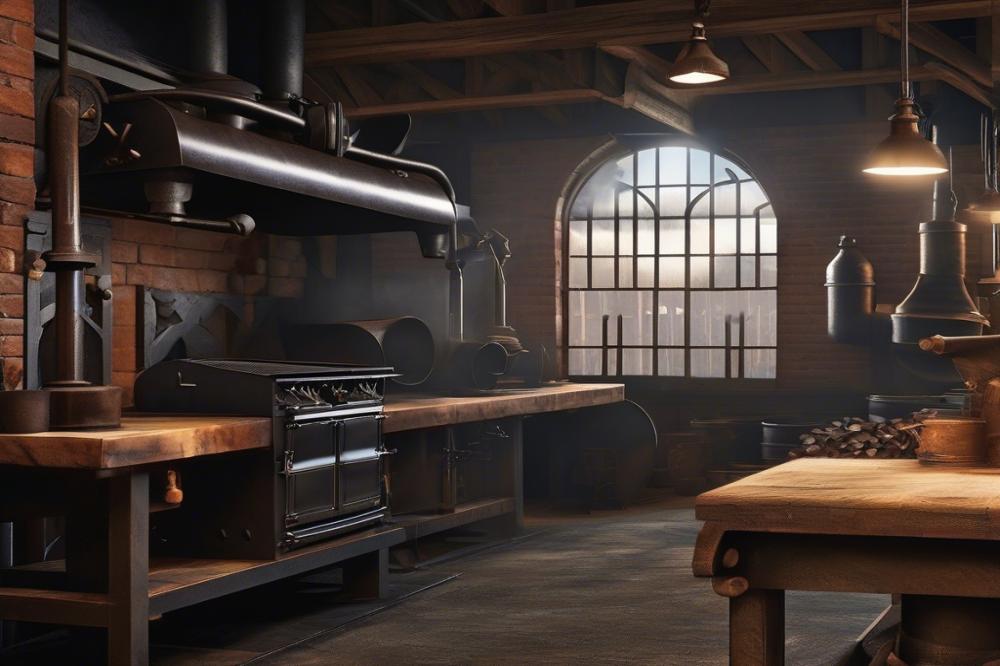
Understanding the Need for Effective Ventilation in Blacksmith Shops
In large blacksmith shops, the atmosphere can change quickly. Proper Ventilation system design plays a crucial role in maintaining healthy air quality. Quality air circulation impacts not just the comfort of workers but also their safety and overall productivity. Ventilating these spaces removes harmful particles and gases generated by forging processes.
Every blacksmith knows that working with hot metal brings hazards. Harmful fumes, dust, and smoke often fill the air, creating a situation that needs immediate attention. Implementing effective safety measures can help combat potential risks. Workers can perform their tasks without fear when a well-thought-out system is in place. It’s not merely about comfort; it’s about protection from long-term health issues.
In larger workshops, this challenge grows. The volume of air needed to keep the environment safe significantly increases with space. Smoke extraction becomes essential during specific processes, especially when intense heat is involved. Without proper design, contaminants can linger, resulting in unsafe working conditions.
Thinking about the Workshop setup is equally important. Layout should complement airflow, allowing fresh air to enter and escape efficiently. Having a clear plan helps maintain a steady distribution of air across the workspace. Each detail matters—from the placement of doors and windows to the installation of exhaust fans.
In essence, a well-designed Ventilation system does much more than enhance air quality. It elevates the craftsmanship within the shop. When blacksmiths breathe easier, not only do they perform better, but they also take pride in their trade. This commitment to a healthy environment shines through in the quality of their work. Thus, acknowledging and addressing ventilation needs is key to a successful and safe blacksmithing operation.
Understanding Ventilation System Design
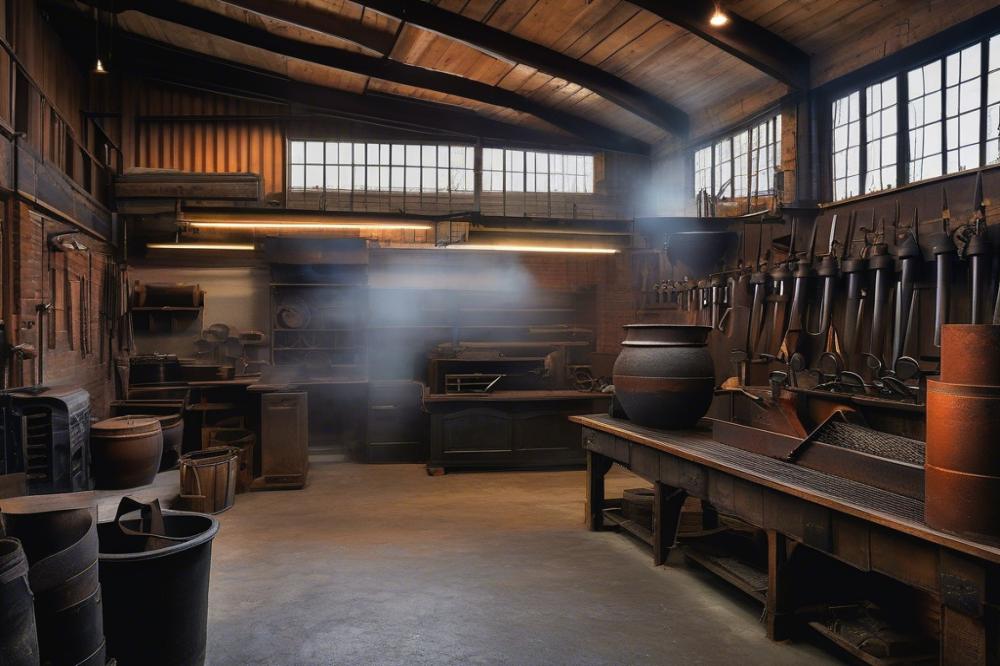
Ventilation system design is a crucial aspect of creating a safe and functional workspace in large blacksmith shops. It involves planning how air flows within a Workshop setup, ensuring that harmful fumes and excessive heat are effectively removed. For blacksmiths, proper air circulation not only enhances comfort but also promotes longevity in both equipment and health.
The relevance of a well-designed ventilation system cannot be overstated. Blacksmithing produces smoke, carbon monoxide, and other potentially dangerous gases. Without adequate ventilation, these substances can accumulate, creating a hazardous environment. Thus, engineers and shop owners alike must prioritize safety measures to safeguard both workers and surroundings.
Key Components and Considerations
Several key components contribute to effective ventilation. Exhaust fans play a vital role in displacing polluted air. Strategically placed intakes will allow fresh air to enter the space, maintaining a continuous flow. The size and power of these fans depend on the volume of the workshop. Larger workshops may require more robust systems to handle the increased air movement needs.
Choosing the right materials also matters, and sometimes metal ducts may resist heat better than plastic ones. Airflow direction should be analyzed, keeping in mind common work processes. Zones within the shop that produce the most fumes, such as around forges or grinders, require targeted ventilation solutions.
An often-overlooked consideration is the inclusion of filters. These can capture particulates, protecting machinery and workers alike from buildup. Regular maintenance forms an integral aspect of keeping a ventilation system efficient. Filtration systems should be checked frequently to avoid reduced airflow due to blockages.
In conclusion, understanding how to design an effective ventilation system protects the well-being of everyone in the shop. Creativity in the layout can enhance both efficiency and safety in working conditions. The right ventilation plan not only accommodates the unique needs of blacksmithing but also fosters an environment where artistry can flourish.
Assessing Workshop Setup
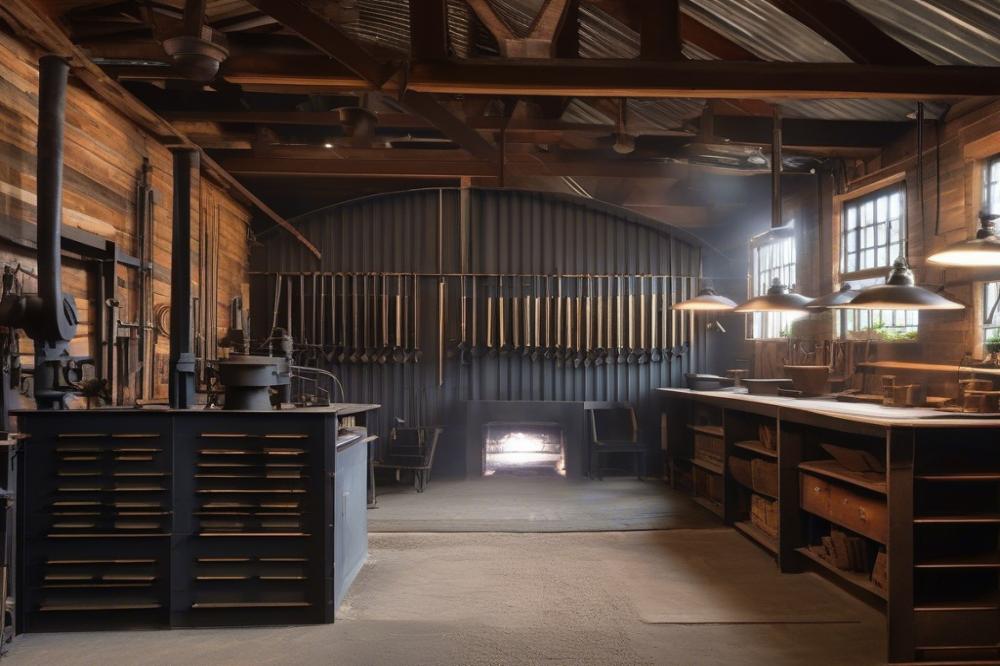
Designing an effective ventilation system is crucial for large blacksmith shops. Many factors will affect the ventilation needs. To start, consider the overall workshop setup. The arrangement of tools and equipment plays a significant role in how air flows through the space. Proper planning promotes better air circulation, which enhances safety measures and the working environment.
Next, think about the specific equipment in the shop. Different machines generate varying levels of heat and fumes. For instance, forge hoods and grinders create unique air challenges. Each tool’s location directly impacts how well air moves around the facility. Placing equipment far from each other can help minimize air contamination. However, it may also complicate workflows, so a balance is essential.
Workflow patterns matter too. An efficient layout promotes smooth operations. Recognizing how workers move throughout the shop can inform ventilation strategies. If a worker consistently travels back and forth between certain areas, ensure that airflow supports their movement and tasks. Each section of the workspace must work together for maximum efficiency.
Employee safety cannot be overlooked. A thorough assessment of the workshop can reveal potential hazards. High heat and smoke levels from a forge or exhaust fumes from welding can be harmful. Understanding these risks can lead to better placement of fans and vent openings. Workers need to breathe clean air to stay safe while crafting their masterpieces.
Reviewing the overall design of your shop should include ventilation. Every blacksmith shop has its own unique characteristics, influencing air exchange requirements. Adequate airflow will create a comfortable atmosphere that fosters creativity and productivity. The goal is to find a design that supports all operations while prioritizing health.
Air Circulation Techniques

Creating the right air movement within a blacksmith shop is vital. Proper air circulation plays a key role in maintaining a safe and effective workspace. Different methods exist to optimize airflow. Understanding these techniques is essential for any workshop setup.
Natural vs. Mechanical Ventilation Solutions
Natural ventilation is achieved through openings such as windows and doors. When properly positioned, they can allow fresh air to flow in naturally. However, relying solely on this method may not be ideal for large workshops, especially during hot days. On the other hand, mechanical ventilation systems use fans to actively move air. This method provides better control over air circulation, which is necessary for controlling smoke and heat generated during forging.
Fan Placement and Airflow Direction
Strategic fan placement can significantly enhance air circulation. Fans should be positioned to direct air towards welding stations and areas where fumes tend to accumulate. Additionally, high-velocity fans can help sweep the air through the entire workspace. It’s important to avoid creating dead zones where airflow is stagnant. Ideally, airflow should promote a continuous movement across the shop floor.
Consider using exhaust fans to pull hot air and smoke outside. Placing these near the highest points in the shop captures rising heat effectively. Make sure intake fans are located lower down, drawing in cooler air to replace what is expelled. This method keeps temperatures manageable and reduces the buildup of harmful fumes.
In large blacksmith shops, layering these techniques can provide even better results. Combining both natural and mechanical ventilation allows for a dynamic airflow strategy. As conditions change outside, adjustments can be made within the shop to enhance comfort and safety. Always account for safety measures when designing your system. Prioritizing worker health should be the focus in the design process.
Types of Ventilation Systems
When designing a ventilation system for a blacksmith shop, it is essential to understand the different options available. Each system serves a purpose and comes with its own advantages and disadvantages. Two primary types stand out in large workshops: local exhaust ventilation and general dilution ventilation. Both systems approach air circulation differently and cater to varying needs.
Local Exhaust Ventilation
Local exhaust ventilation is specifically designed to capture contaminants at their source. This could be smoke, fumes, or dust generated during processes like forging or welding. The key to this system is efficiency—removing harmful particles before they can spread throughout the workshop setup. Fans and hoods can draw in polluted air, directing it outside. These systems can be highly effective for protecting the health of workers.
Advantages of local exhaust systems include better air quality control and reduced health risks for blacksmiths. This type of ventilation minimizes airborne contaminants. However, there are challenges. Installation can be complex, and maintenance requires regular attention to keep the system operating effectively. Initial costs might be higher than other options, but the long-term benefits often outweigh the expenses.
General Dilution Ventilation
On the other hand, general dilution ventilation functions differently. This approach involves mixing contaminated air with clean air to lower pollutant concentrations throughout the entire workshop. Fans circulate air, promoting a more pleasant and breathable environment. This method can be easier to implement and maintain compared to local systems.
With general dilution ventilation, the advantages lie in its simplicity and lower installation costs. This design can accommodate various activities, making it suitable for diverse workshop setups. However, this type may not offer sufficient protection against high-density pollutants. In case of heavy smoke or fumes, it might struggle to maintain a safe environment. Moreover, relying solely on this system could lead to prolonged exposure to hazardous substances.
In summary, choosing between local exhaust ventilation and general dilution ventilation requires consideration of unique workshop needs. Factors such as safety measures, shop layout, and the types of blacksmithing activities will influence the decision. Understanding the strengths and weaknesses of both systems will help create an effective air circulation plan tailored for the specific environment.
Safety Measures in Ventilation Design
Designing a ventilation system for large blacksmith shops is more than just a technical task; it’s about creating a safe space for artisans. Blacksmithing generates an array of potential hazards. It’s critical to recognize these threats to promote a secure environment. Harmful fumes from burning materials pose serious risks to health. Without proper ventilation, these gases can accumulate, leading to breathing difficulties or long-term respiratory problems.
Excessive heat is another factor that cannot be overlooked. During intense forging sessions, the temperature can soar. A well-planned ventilation system facilitates air circulation, drawing away heat and maintaining a comfortable working environment. This element is essential for maximizing productivity and ensuring that blacksmiths can work efficiently without discomfort.
Dust is often an unacknowledged adversary in any workshop setup. Fine particles can irritate lungs and eyes. The right design helps stave off these issues by integrating effective dust collection mechanisms. Common practices include using hoods, filters, and fans to trap and remove airborne debris right at the source. Workshops that produce metal shavings and dust must prioritize this aspect of their design.
Regulatory standards play a significant role in crafting a safe workspace. Compliance with local health and safety regulations is mandatory. It not only protects workers but also guards against liability issues in the event of incidents. Regular evaluations of ventilation structures ensure ongoing adherence to these parameters. Industry guidelines often recommend specific air change rates tailored to the unique needs of large workshops.
Understanding these components leads to profound improvements in health and safety. Workshops can become havens of creativity and productivity when proper precautions are taken. Vendors specializing in blacksmithing equipment can offer insight into the latest technologies. Investing in quality ventilation design ultimately enhances both the quality of work and the well-being of artisans.
Maintenance and Monitoring of Ventilation Systems
Ensuring the longevity and functionality of a ventilation system is crucial for large workshops. Regular maintenance is key. Schedule routine inspections to identify any issues before they escalate. Simple tasks like replacing filters can significantly improve air quality. Cleaning ducts helps in maintaining effective air circulation.
Check for any leaks or blockages in the ducts. These can interfere with airflow, leading to poor ventilation. Inspect fans and exhaust systems to guarantee they operate at peak efficiency. A well-maintained system is not only efficient; it also enhances safety measures for everyone working in the shop.
Monitoring air quality is equally important. Install air quality sensors to track pollutant levels. These devices provide real-time data and alerts, helping you respond promptly to unsafe conditions. Understanding the airflow patterns in your workshop setup assists in making necessary adjustments. Identify any areas where stale air may accumulate and address them promptly.
Record keeping can facilitate a more proactive approach. By documenting maintenance activities, you can spot trends over time. This insight allows for better planning in future improvements. Engaging your team in these practices raises awareness about health hazards in the working environment. Involve everyone in discussions about safety and ventilation enhancements.
Use visual aids like charts or graphs to show pollution levels and airflow changes. This makes the information more accessible and can inspire action. You’ll foster a culture that prioritizes worker health and safety. Everyone in a large workshop should feel accountable for maintaining air quality.
Embrace technology as a partner in this process. Advanced systems can automatically regulate airflow based on real-time needs. This not only optimizes efficiency but also reduces the risk of human error. Invest in maintaining a well-functioning ventilation system. The benefits to air quality, safety, and overall shop morale are significant.
Case Studies of Successful Ventilation Design
Effective ventilation is crucial in blacksmith shops. The first example comes from a workshop in the Midwest. This shop utilized powerful exhaust fans positioned near the forge. Air circulation was enhanced by strategically placing windows and vents. Users reported reduced smoke and soot buildup. Additionally, it created a more comfortable environment for workers.
Another notable case is found in a blacksmithing studio on the East Coast. They incorporated a series of overhead ducts connected to multiple workstations. As a result, heat generated during forging was quickly removed. Workers noted a significant difference in air quality. Safety measures included installing filters to capture harmful particles.
A third workshop located in the South provides further insights. This facility opted for a combination of natural and mechanical ventilation. Large bay doors were left open during operating hours. This drew in fresh air and pushed contaminants outside. On particularly hot days, misting fans were used to cool the working area. Blacksmiths highlighted the importance of having options based on the weather.
Lessons learned from these setups are invaluable. Always consider the layout of your workshop. Workstations should be placed to maximize airflow. Additionally, installing adjustable vents allows for control depending on the task. Blacksmiths recommend regular maintenance of all equipment. Dust and debris can hinder effectiveness over time.
Experienced artisans also emphasize communication about air quality. Keeping an open dialogue among staff can reveal improvements. If someone notices a drop in air quality, action can be taken quickly. Sharing tips and experiences can lead to more effective solutions.
Safety should never be an afterthought. Incorporating a variety of protective measures ensures everyone feels secure. Using personal protective equipment, like masks and respirators, is vital alongside the ventilation system design.
In conclusion, the stories of these workshops highlight the importance of effective design. Each setup offers lessons that can inspire new solutions. Whether through innovative airflow techniques or combining methods, the goal remains the same: a safe and efficient workspace. Striving for excellence in ventilation leads to happier, healthier blacksmiths.
Final Thoughts on Ventilation Systems for Blacksmith Shops
In this discussion, we explored the essential components of designing a ventilation system tailored for large blacksmith shops. The importance of proper airflow cannot be overstated. Quality ventilation protects not just the artisans, but it also prolongs the workspace’s integrity. Harmful fumes and excessive heat can lead to serious health problems. Effective airflow minimizes these risks while promoting a comfortable environment.
Investing in a well-thought-out system is not a mere expense. It is a commitment to enhancing Safety equipment and overall productivity in the workshop setup. With a robust design, blacksmiths can work with greater confidence, focusing on their craft rather than worrying about their wellbeing. Achieving an ideal environment is crucial for any dedicated smith. Every detail in the implementation can make a significant difference.
Consider the future of your craft. A carefully designed ventilation system represents a long-term investment in health and efficiency. Supporting the artisans in their work ensures continued innovation and passion in the trade. Without proper ventilation, the potential of the shop remains limited. Our discussions highlighted that creating a safe and efficient workspace encourages more than just output; it cultivates artistry and creativity.
In summary, the benefits of investing in proper ventilation systems are clear. They safeguard against hazards while contributing to better performance. Taking action now can yield significant rewards later. Entrepreneurs and blacksmiths alike should regard this system as a critical element of their success. Let’s prioritize the health of both the crafts and the craftsperson.

