
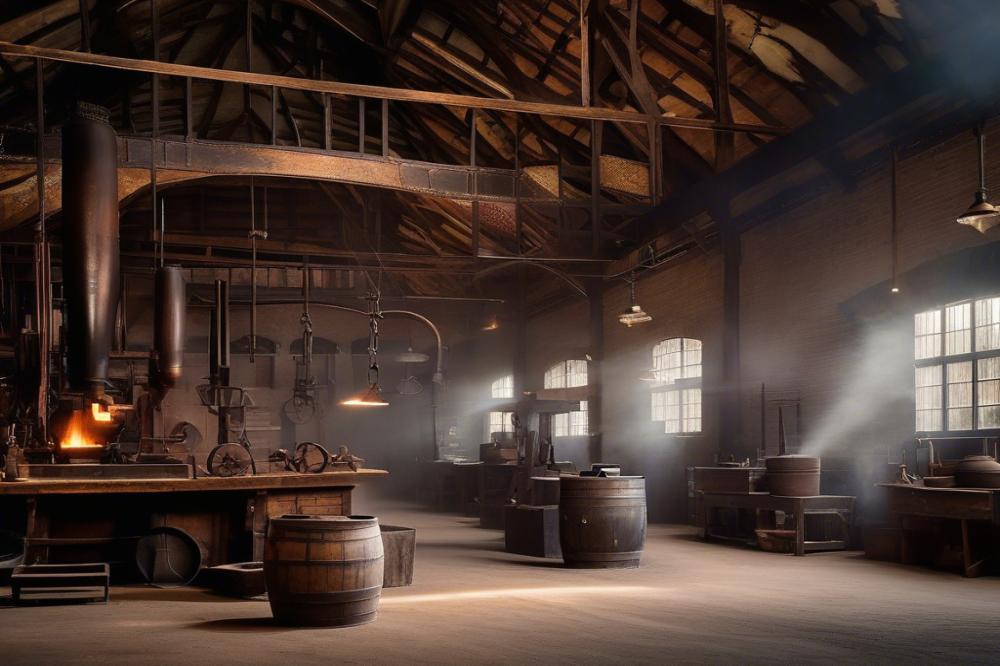
The Importance of Air Quality in the Blacksmith Shop
Blacksmithing is an ancient craft that requires skill, creativity, and often intense physical labor. A key factor that influences this work is the quality of the air in the shop. Air quality refers to the cleanliness and purity of the air we breathe. In a blacksmith shop, this concept takes on great significance. Smoke, soot, and various gases released from heating metals can create health hazards for the craftsmen and anyone who might enter.
For blacksmiths, maintaining good air quality isn’t simply a matter of comfort. It directly impacts their health and productivity. Poor air quality can lead to respiratory issues over time. That’s why proper Ventilation systems are crucial. Implementing these systems helps remove harmful pollutants and promotes better air circulation. Without adequate ventilation, harmful substances can linger in the air, posing serious risks.
Musical instrument makers, like blacksmiths, also appreciate the significance of clean air. Crafted instruments often require metalwork that involves shaping and heating materials. Poor air conditions could affect their ability to concentrate on intricate details. When the workspace is filled with dust or fumes, craftsmanship suffers. Dust control is essential for this reason, ensuring that surfaces remain clear for precise work.
Workshop safety is paramount in any craft. For blacksmiths, it means not only protecting themselves from physical injuries but also ensuring their lungs are safe from harm. Understanding the importance of Respiratory safety is key for any artisan in the shop. Good air quality enables both blacksmiths and instrument makers to fully realize their creative potential.
Ultimately, the air quality in a blacksmith shop directly affects the work produced. Whether forging a sword or crafting a delicate instrument, the environment matters. A clean, safe workspace encourages creativity and precision. Each breath taken in a well-ventilated shop helps artisans thrive in their unique crafts.
Understanding Air Quality
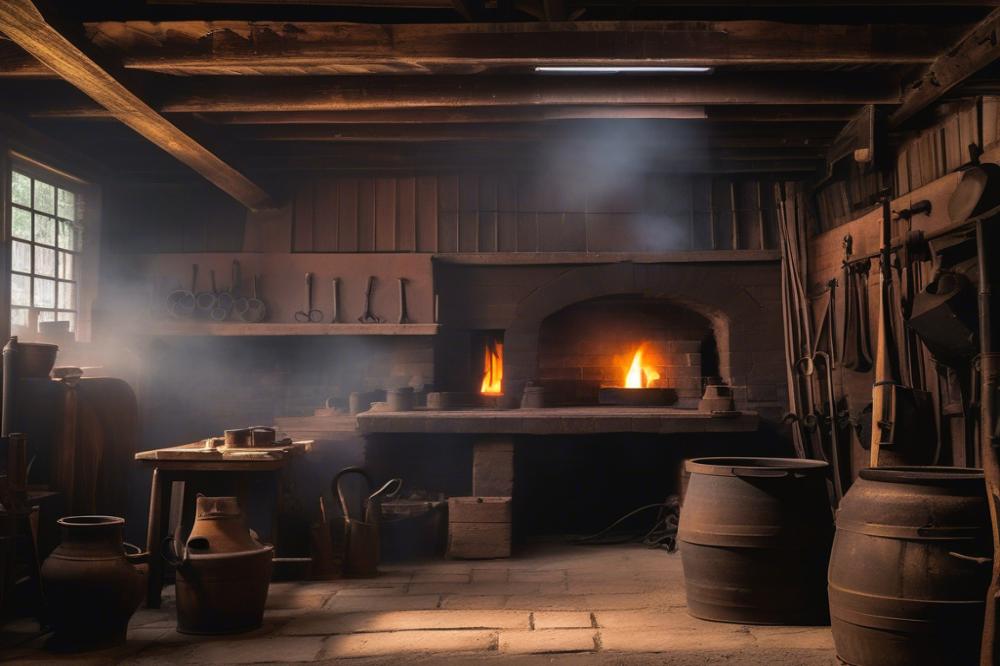
Air quality refers to the cleanliness and safety of the air we breathe. It’s influenced by various factors, including the presence of pollutants. In a blacksmith shop, common hazards include smoke, metal fumes, and particulate matter. These pollutants can be a serious concern for anyone working in this environment.
Smoke is often released when burning fuels or materials. This smoke contains numerous harmful compounds that can irritate the respiratory system. Prolonged exposure can lead to chronic health issues. Metal fumes, produced during welding or working with molten metal, pose significant risks as well. Inhaling these fumes can result in metal fume fever, a flu-like condition that is both painful and dangerous.
Particulate matter is another common threat in blacksmithing. This includes tiny particles that are released during forging and grinding. These particles can penetrate deep into the lungs, leading to multiple health hazards over time. Many studies show that long-term exposure to high levels of particulate matter can result in serious respiratory problems and can worsen existing conditions like asthma.
Proper Ventilation systems are crucial in managing the air quality of a workshop. These systems help remove contaminants and bring in fresh air. Without adequate air circulation, especially in a blacksmithing setting, workers can easily inhale harmful substances. Ensuring that workshops have good ventilation is a key aspect of workshop safety. This will not only protect the workers but also improve their overall well-being.
Workers should take air quality seriously. Monitoring the levels of smoke, fumes, and particulates can save lives. Simple actions like wearing masks or using fume extractors can significantly reduce exposure. In this way, maintaining a safe working environment becomes more achievable.
Health Hazards in Blacksmithing
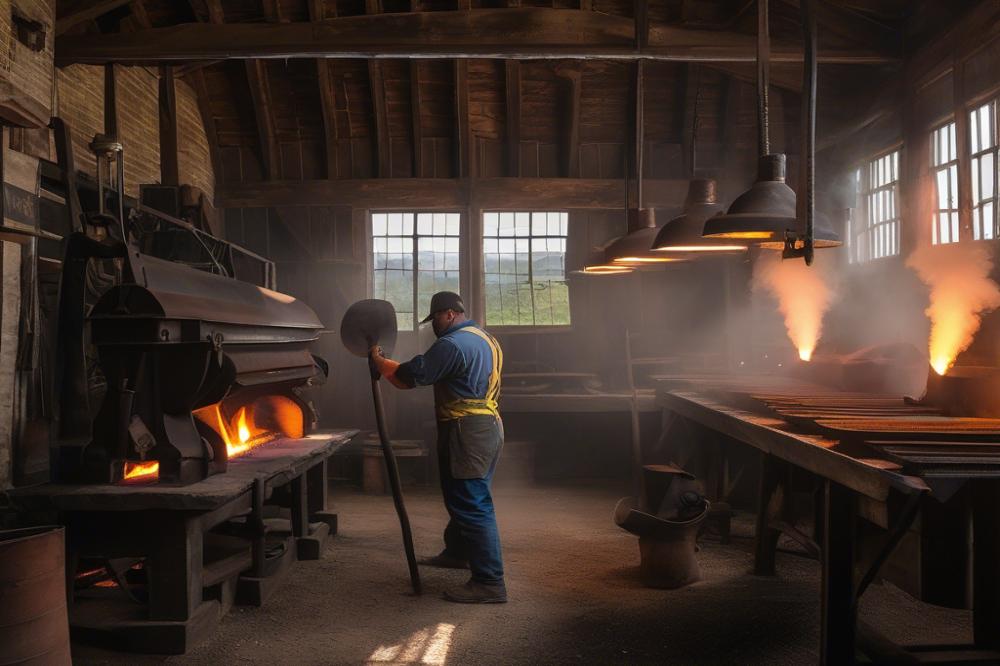
Blacksmithing is a remarkable craft, but it comes with its own set of dangers. Poor air quality can lead to some serious health issues. Respiratory problems are among the most common. Breathing in smoke and harmful particles can irritate the lungs and cause chronic conditions.
Long-term exposure to dust and fumes can lead to more severe illnesses. Conditions like asthma, bronchitis, and even lung cancer have been linked to poor air conditions in workshops. Many blacksmiths might not see the effects right away, but over the years, exposure adds up.
Immediate effects can also be alarming. Symptoms such as shortness of breath, coughing, and headaches can occur after a single day in a poorly ventilated shop. If the air is filled with metallic dust, the situation becomes even riskier. Inhaling these metals can affect not just the lungs, but also the body’s overall systems.
A proper ventilation system is crucial in mitigating these hazards. Good airflow helps to remove pollutants and bring in fresh air. Without it, harmful substances linger in the shop, waiting to be inhaled. Effective air circulation can make a significant difference in a craftsman’s health and comfort.
Protecting oneself from these potential dangers is partly about workshop safety. Wearing masks can help filter out dangerous particles. Keeping the workspace clean and free from excess dust also plays a key role. Regular maintenance of the ventilation systems should not be overlooked.
Crafting beautiful metalworks shouldn’t come at the cost of health. Awareness of these hazards is the first step toward safer blacksmithing. Prioritizing air quality can lead to a healthier and more enjoyable working environment. Taking these precautions benefits both the artisan and their craft.
The Role of Ventilation Systems
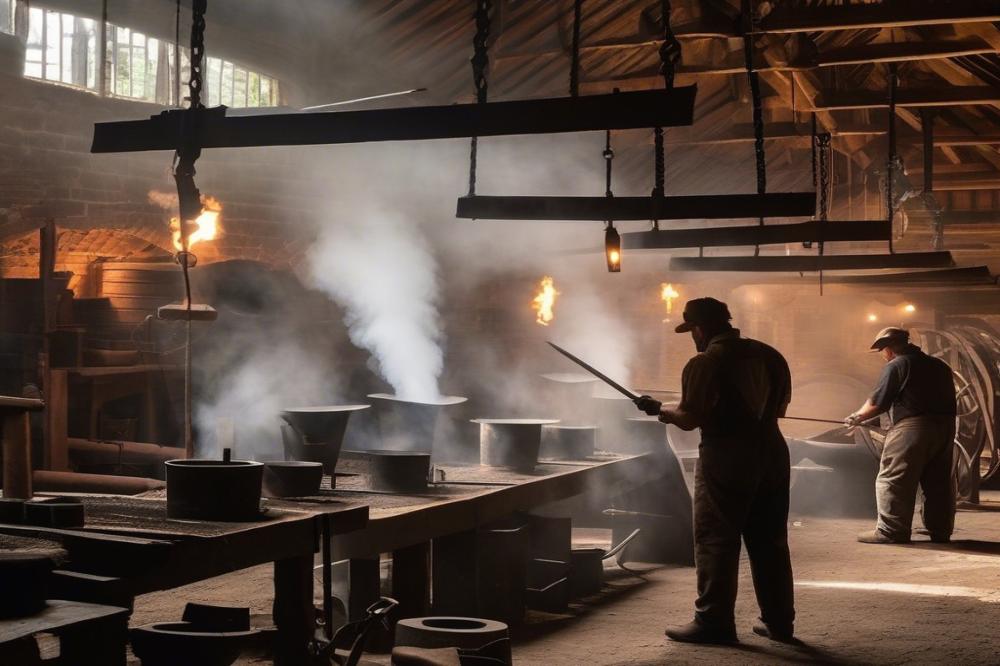
Effective ventilation systems are crucial in a blacksmith shop. These systems help manage the air quality, which directly impacts the health of workers and overall workshop safety. Without proper ventilation, harmful fumes and particles can accumulate, leading to potential health hazards.
There are various types of ventilation systems applicable in blacksmith shops. Local exhaust ventilation (LEV) is one type widely used. It captures pollutants right at the source. When a smith is hammering or using a forge, LEV systems draw away smoke, dust, and gases, preventing them from spreading throughout the workshop.
Another common system is general or whole-shop ventilation. This approach provides a constant flow of fresh air throughout the space. Fans or large vents can help circulate air, replacing stale or contaminated air. By promoting good air circulation, these systems minimize the effects of harmful substances.
Natural ventilation, although less common, also offers benefits. This method relies on windows or vents to create airflow. While it may seem simple, opening windows on opposite sides can create a draft that pushes out harmful gases. However, it may not always be sufficient during extreme weather.
Installing high-quality filters and exhaust fans boosts the effectiveness of these systems. Filters trap harmful particles, while fans can actively pull air away from work areas. Together, they work as a team to maintain a healthier environment.
Regular maintenance of these ventilation systems plays a vital role as well. Dust and debris can clog vents, reducing airflow. Keeping them clean ensures that airflow remains constant, which directly enhances workshop safety and worker health.
In summary, ventilation systems are not just options; they are essential features in blacksmithing. Each type has its own advantages. For example, local exhaust systems are great for specific tasks, while general ventilation helps with overall air circulation. Choosing the right combination can make a significant difference in protecting workers from health hazards.
Implementing Effective Ventilation
Setting up proper ventilation in a blacksmith shop is crucial for maintaining workshop safety. Without sufficient air circulation, harmful gases and dust can accumulate. Begin by assessing the layout of your workshop. Identify areas where fumes tend to gather. This evaluation helps to pinpoint the best locations for ventilation systems.
When installing exhaust fans, place them near heat sources and workstations. These fans draw out smoke and other pollutants effectively. Selecting a fan with an adequate power rating is important. A fan that’s too weak will fail to remove contaminants, while one that’s too powerful could create drafts that disturb your work.
Air exchange is essential. Open windows or doors can assist in bringing fresh air inside. Make sure to create a cross-ventilation effect. This can be achieved by opening windows on opposite sides of the workshop. This simple technique allows fresh air to flow through, pushing stale air out.
Regular maintenance of ventilation systems is another key aspect. Clean filters and ducts frequently to maximize efficiency. Neglecting this can lead to blockages that hinder airflow. Additionally, check for leaks in ductwork. Even small gaps can significantly reduce the effectiveness of your system.
Monitor the workshop’s air quality continuously. Install sensors to detect harmful gases like carbon monoxide or sulfur dioxide. These devices can alert you to dangerous levels of toxins. Having this kind of equipment shows a commitment to health and safety. It’s about knowing when conditions become hazardous.
Don’t forget about the personal protective equipment (PPE) as well. Masks can provide an extra layer of protection against particulate matter. Still, remember that PPE is not a substitute for a good ventilation system. Rely on both strategies to optimize safety.
In addition to mechanical solutions, consider natural ventilation options. Periodic breaks can allow for fresh air intake when working in a confined space. Encourage workers to step outside during downtimes. These small actions accumulate to create a healthier environment.
Stay informed about regulations regarding air quality standards. Local laws may require specific ventilation measures. Understanding these regulations helps maintain compliance while protecting everyone’s health. Ensuring your workshop meets these requirements is essential for safe operations.
Air Circulation Techniques
Improving air circulation in a blacksmith shop is crucial for workshop safety. One effective method involves using fans to create airflow. Placing box or floor fans near the work area can help disperse unwanted smoke and fumes. This simple addition can significantly cut down on health hazards associated with metalworking.
Another strategy is to open windows whenever possible. Fresh air can replace stagnant air, helping to reduce the concentration of airborne particles. However, this could depend on the weather conditions. On particularly hot days, the benefits of open windows might be outweighed by discomfort.
Positioning work areas also plays a vital role in enhancing airflow. Situate workbenches away from corners or enclosed spaces. This promotes better movement of air throughout the workshop. Keeping pathways clear allows air to flow freely, making the environment more pleasant.
Sometimes, professionals can consider installing effective ventilation systems. Mechanical systems provide a more controlled airflow. They can be particularly beneficial during heavy forging or welding tasks when fumes and smoke increase. Using exhaust hoods can help capture harmful emissions right at the source, reducing exposure.
Laying out workstations to maximize air circulation can also make a difference. Arranging tools and materials in a way that doesn’t block airflow encourages movement. Workers can breathe easier when air can freely pass through the space.
Regular maintenance on any ventilation equipment should not be overlooked. Dirty filters can restrict airflow and diminish effectiveness. Cleaning these can maintain a safer atmosphere for everyone in the shop.
In addition, incorporating plants into the workspace may provide visual appeal while also enhancing air quality. While not a replacement for ventilation, they can help improve the overall environment. They can absorb some toxins, contributing to a healthier atmosphere.
Ultimately, combining these techniques can create a better environment for blacksmithing. Prioritizing air circulation helps maintain not just productivity but also the well-being of everyone in the shop. Being mindful of airflow is not an option; it’s a necessity.
Workshop Safety Protocols
Working in a blacksmith shop can be rewarding, but it’s essential to focus on safety. Proper safety protocols related to air quality can help mitigate health hazards. One of the most important aspects of a safe workshop environment is personal protective equipment.
Always wear a good quality respirator. This device protects against harmful dust and fumes produced during the forging process. Safety goggles are also crucial. They protect your eyes from sparks and flying debris, which can cause serious injuries.
Regular monitoring of the air in the shop is another key step. It’s wise to check for pollutants at scheduled times. Using air quality monitors can help identify issues quickly. Keeping track of these measurements can assist in preventing long-term damage to your health.
Good ventilation systems are vital for any blacksmith shop. They help to disperse hazardous fumes and ensure that fresh air flows through the workspace. Ideally, fans should be strategically placed to support effective air circulation throughout the area. Over time, this will lead to a healthier working space.
Maintaining clean working conditions cannot be overlooked. Dust and debris can accumulate quickly, leading to various risks. Regular cleaning schedules should be established to keep the area tidy. Removing scrap materials and ensuring that surfaces are clear can prevent accidents related to slips.
Using proper storage for tools and materials is equally important. It keeps the workspace organized and reduces the chances of injuries. Items left out can become tripping hazards and cause unnecessary chaos. A well-organized shop not only protects you but boosts productivity.
Being aware of your surroundings is essential. Always stay alert when working with hot metal. Take the time to look out for others in the workshop. Practicing good communication with coworkers about safety can enhance the overall workshop safety culture.
In addition, training sessions on safety protocols can be beneficial. Regularly scheduled meetings can review safety procedures and remind everyone of best practices. Encouraging open discussions about potential hazards can create a sense of community focused on safety.
Incorporating these practices can lead to a safer and more enjoyable experience in the blacksmith shop. Taking precautions goes a long way in protecting your health and ensuring a sustainable working environment.
Training and Awareness
Training for blacksmiths and their staff is crucial. Without proper education, safety measures can be overlooked. It’s important to promote awareness of health hazards associated with a blacksmith shop. Poor air conditions can lead to serious issues, affecting everyone present. Staff needs to know the risks. They should understand how materials can release harmful particles.
In addition to education, practical training is necessary. Workshops can include demonstrations on how to manage ventilation systems effectively. Clear guidelines can help mitigate the risks associated with dust and gases. Learning about air circulation can make a great difference. Understanding the right setups for air movement helps keep the environment safer.
Awareness campaigns can also play a key role. Regular discussions about potential dangers can keep safety at the forefront of everyone’s mind. Encourage open communication about any concerns related to air quality. Workers should feel comfortable addressing issues that arise. Implementing a routine check-up of the ventilation systems can also contribute positively.
Furthermore, safety protocols should be part of the daily routine. Employees should be trained to spot signs of poor air quality. Recognizing changes or odors can help act before situations worsen. Engaging staff in safety drills can boost their confidence. Knowledge truly is power, especially when it comes to workshop safety.
Ultimately, fostering a culture that prioritizes health is vital. Encourage teamwork in maintaining a clean environment for everyone. Consistent training and awareness about these issues are necessary for a successful blacksmith shop. The unique challenges of the craft require constant vigilance. Protecting oneself and each other should always be the goal.
Final Thoughts on Blacksmith Shop Health
Maintaining good air quality in a blacksmith shop is vital for everyone working there. Poor air conditions can lead to serious health problems over time. The fumes and particles from metalwork can be hazardous. Thus, it’s essential to make concerted efforts to improve the environment.
Installing a proper ventilation system is one effective solution. This system can help reduce harmful substances in the air. Additionally, using Safety masks is another important step. They provide an extra layer of protection against inhaling dangerous materials. It’s amazing how simple changes can lead to a significantly safer workspace.
Creating a culture of safety does not stop with installing equipment. Workers should be educated about potential risks and ways to mitigate them. Continuous learning about safety practices can empower everyone involved. By being informed, individuals can actively participate in maintaining a safe environment.
Encouraging proactive measures is crucial, and it benefits all. Staying aware of air quality should always be a priority. A healthy workshop is not just about tools and materials but also the well-being of the people in it. Let’s commit to making blacksmith shops places where both quality craftsmanship and safety go hand in hand.

