
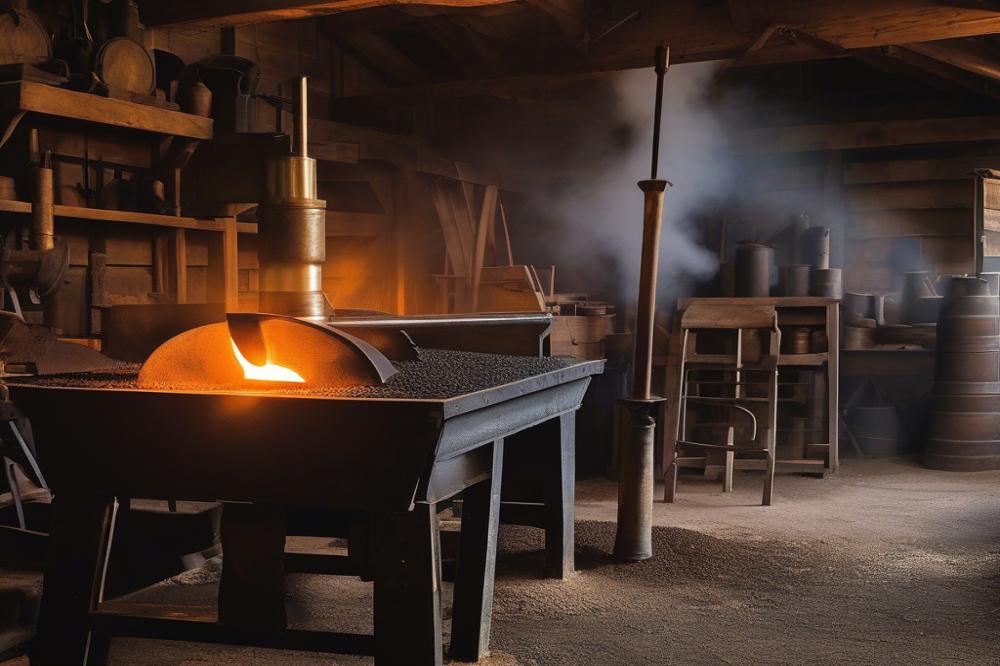
Managing Dust and Particulates in the Blacksmith Shop
Blacksmithing is a craft steeped in history and skill. However, it also produces considerable amounts of dust and airborne particles. These particulates can arise from various activities, including hammering, grinding, and forging metal. Awareness of the risks posed by these materials is essential for anyone working in a shop setting.
Prioritizing dust control is vital for maintaining workshop safety. Breathing in fine particles can lead to health issues over time. Chronic exposure might cause respiratory problems or other long-term ailments. Therefore, implementing effective dust management techniques is not just beneficial; it is crucial for the well-being of everyone in the environment.
Additionally, airborne particles can negatively impact the quality of instruments and tools used during blacksmithing. When dust settles on surfaces, it may interfere with the precision required for metalwork. Contaminants can even mar the finish of completed pieces. Ensuring a clean workspace enhances both health and craftsmanship quality.
Several measures can be taken to improve shop air quality. For example, utilizing dust collection systems helps to capture particles before they become airborne. Regular cleaning practices also play a significant role in reducing the accumulation of dust. Furthermore, a proper Ventilation system can effectively circulate air, preventing the buildup of harmful particles in the workspace.
By focusing on strategies that support Respiratory safety, blacksmiths can create a healthier working environment. Maintaining awareness and taking proactive steps can make a notable difference in the shop. Ultimately, safeguarding one’s health while crafting exceptional pieces is a balance worth striving for.
Understanding the Sources of Dust in Blacksmithing
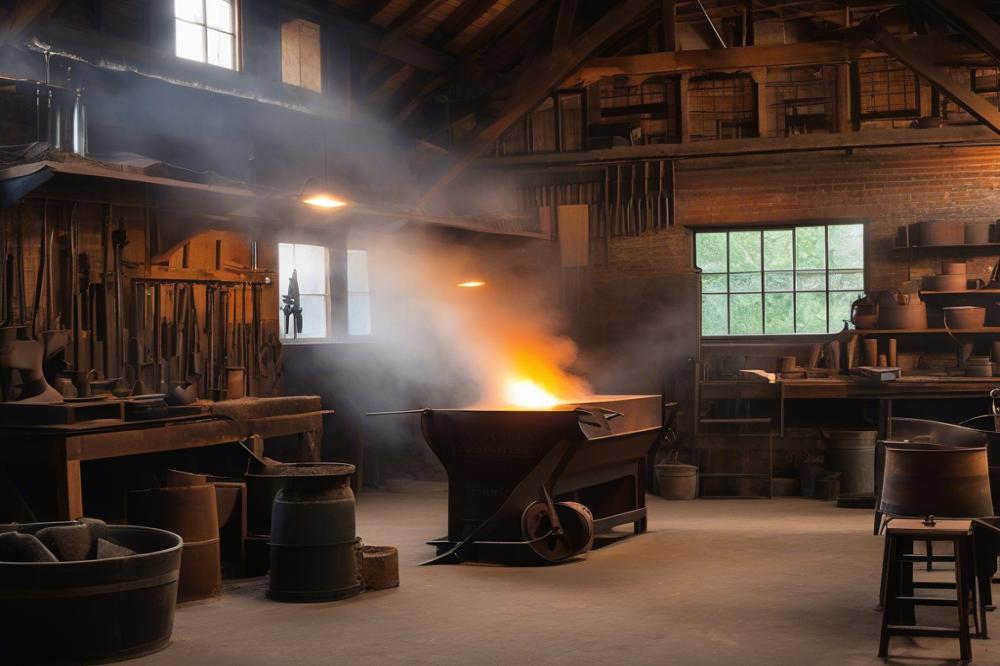
In a blacksmith shop, various materials can generate dust. Common sources include metal filings, scale from heated metal, and powdered substances used in processes like forging. When materials are worked on, they break down into smaller particles. This leads to the creation of airborne particles that can become a significant concern.
Forging is one process that typically produces a lot of particulates. Heating metal makes it softened, allowing tools to shape it. Each time the hammer strikes, tiny bits of metal can fling into the air. Chiseling and grinding also contribute to the dust, especially when reshaping or finishing projects.
Dirt and debris in the workshop can create additional dust clouds. Simple activities, such as sweeping or moving items, can stir up settled particles. Not only does this reduce air quality, but it can also lead to potential health risks for anyone in the shop. Proper awareness of these dust sources is crucial for workshop safety.
The materials being used can vary, impacting the type and amount of dust generated. For instance, using different metals may result in distinct particulate compositions. Additionally, some consumables, like flux and abrasives, contribute to dust levels when heated or ground. Maintaining an organized workspace can help limit the amount of dust produced.
Implementing dust collection systems is vital for mitigating the impact of particulates. These systems can capture dust at the source, removing it before it disperses into the air. Monitoring air quality becomes easier with effective strategies in place. Particulates can linger, making it essential to address their management proactively.
Understanding common processes in blacksmithing allows for better management of dust. Awareness of the techniques being used leads to more informed choices regarding materials and cleanup. Blacksmiths can significantly improve their workshops by considering these factors. Overall, managing sources effectively promotes a safer and healthier working environment.
The Importance of Dust Control
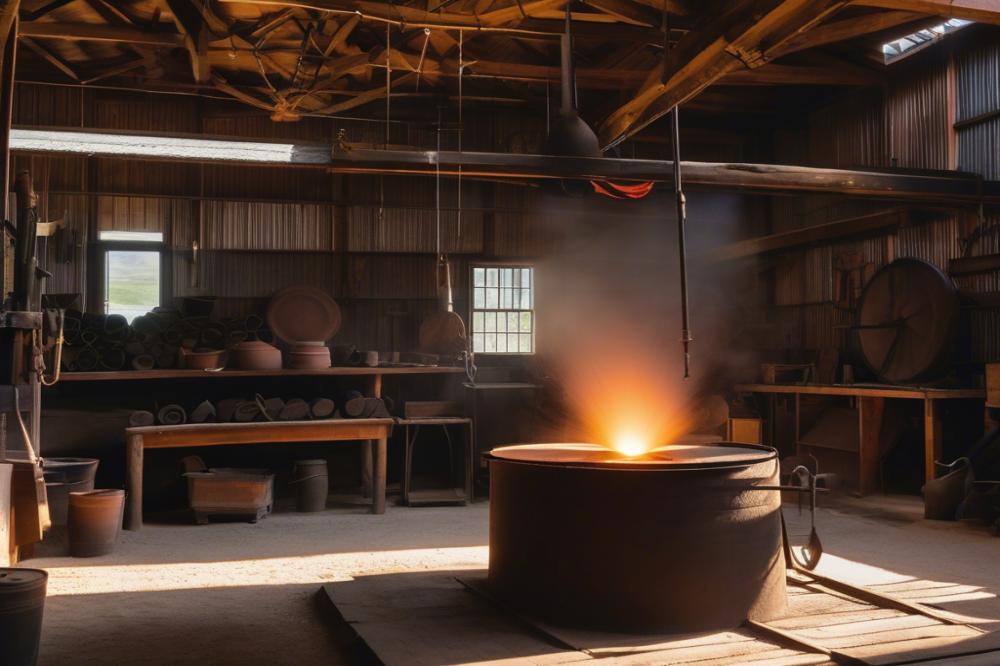
A blacksmith shop can be a dynamic and engaging environment. However, airborne particles pose significant health risks for those working in such spaces. Breathing in these tiny particles can lead to respiratory problems, skin irritation, and other serious health concerns. Moreover, long-term exposure might contribute to chronic illnesses. Addressing these risks should be a priority for every craftsman.
Improving air quality makes a world of difference in any workspace. Dust accumulation not only affects health but also deteriorates the overall comfort within the shop. Workers may experience irritation in their eyes and throat, leading to decreased productivity. Implementing effective dust collection systems helps maintain cleaner air, allowing artisans to focus on their creative endeavors without distraction.
Workshop safety greatly ties into how dust is managed. It is essential to foster a safe environment for everyone involved. Dust can create slipping hazards on floors and may impact visibility. Consequently, removing dust and particulate matter should be viewed as a vital aspect of workshop safety protocols. A clean workspace encourages focus and precision, crucial elements in a blacksmith’s craft.
Every step taken to control dust contributes to a healthier, safer atmosphere. Regular cleaning and the use of adequate ventilation can significantly elevate air quality. Workers must recognize the importance of personal protective equipment, like masks or respirators, in reducing inhalation risks. Dust management is not just about aesthetics; it is about protecting health and enhancing the craftsmanship.
Effective Dust Collection Systems
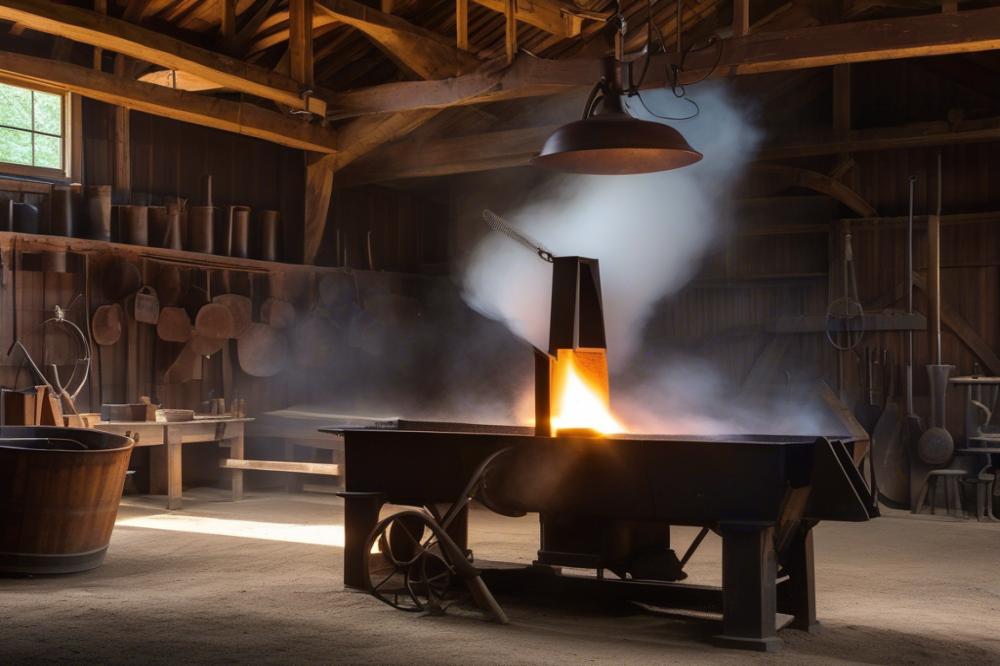
In any blacksmith shop, airborne particles pose significant risks. Managing these particles is crucial for workshop safety and air quality. Various dust collection systems exist to tackle this issue effectively. Each system comes with its own set of features and benefits, making it important to choose wisely.
Types of Dust Collection Systems
Broadly speaking, dust collection systems can be categorized into two main types: central and portable systems. Central systems function through a network of ducts that transport dust to a collection point. These are ideal for larger shops with multiple workstations. On the other hand, portable systems are versatile and can be moved from one area to another. They work well for smaller locations where space may be limited.
Another consideration is the type of filtration used in these systems. Bag filters are common and handle larger particles effectively. Cartridge filters, however, excel in capturing finer materials, providing better air quality. Selecting the right filtration type enhances the efficiency of the system.
Features and Benefits
When it comes to features, some systems offer automatic bag cleaning mechanisms. Such features can prolong the life of filters by reducing buildup. Systems with variable speed controls allow users to adjust airflow based on specific tasks. This can save energy and improve overall effectiveness.
Cost is another factor to consider. Central systems might require a larger initial investment, but they often save money over time through superior performance. Portable systems, while cheaper upfront, may not serve long-term needs as effectively. Assessing your budget alongside your workshop’s activities is essential.
Installation and Maintenance Best Practices
Proper installation of dust collection systems is fundamental. Ensure that ductwork is laid out efficiently to minimize bends and turns. This impacts airflow and can affect how well the system collects dust. When it comes to maintenance, regular inspections of filters and ducts are vital. Clogged filters can hinder performance and compromise air quality.
Establish a cleaning schedule that matches the dust levels in your shop. Frequent cleaning leads to better functioning systems and safer working environments. For systems with automatic features, checking the operation of these mechanisms ensures they work as intended.
Training workers on the importance of dust control is also critical. Empathy towards safety in the workplace involves understanding potential hazards and working together to mitigate them. Proper education helps promote safe practices among all employees.
Implementing Proper Ventilation
The role of ventilation in managing airborne particles cannot be understated. Proper airflow represents one of the most effective methods for maintaining air quality in a blacksmith shop. Airborne particulates can settle on surfaces, contaminate materials, and pose risks to health. Therefore, it is crucial to create an environment that minimizes exposure to harmful dust in a workshop.
Overview of Effective Ventilation Strategies for Blacksmithing Environments
Several strategies effectively enhance ventilation within blacksmithing environments. First, natural ventilation can be achieved through large windows or doors that allow outside air to flow in. Opening these during working hours helps dilute the concentration of particles. Secondly, mechanical Ventilation systems are essential. Using fans to circulate air throughout the space can cause harmful particles to disperse, rather than accumulate. Exhaust fans placed near forging or grinding areas capture airborne debris directly at the source.
Local exhaust ventilation systems work effectively in trapping and removing dust close to where it is generated. Utilizing hoods or ducts allows for a targeted approach that reduces airborne particulates swiftly. Several blacksmiths also incorporate specialized filters into their ventilation systems. These filters trap dust before it can recirculate back into the air, making for cleaner workspace conditions.
Discussing How Ventilation Complements Dust Collection Systems
Ventilation plays a complementary role to dust collection systems. While the latter focuses on capturing particles at their source, ventilation ensures that the overall air quality remains acceptable. For optimal results, integrating both systems is critical. Dust collection systems can remove significant particles, while good ventilation keeps the remaining air fresh. This combination is vital for workshop safety. By ensuring that both systems are in place, workers can breathe easier and reduce exposure to harmful dust.
Regular maintenance of both systems is also key. Keeping filters clean in dust collectors allows them to operate effectively. Moreover, ensuring that ventilation fans function without obstruction maintains consistent airflow. Each component plays a unique role in preventing the build-up of hazardous materials in a blacksmith shop.
Investing in proper ventilation strategies proves invaluable for blacksmith operations. Not only does it protect the health of the individual working, but it also preserves the integrity of materials being used. Managing the environment effectively can lead to a more productive workshop where creativity and craftsmanship thrive.
Personal Protective Equipment
Effective management of airborne particles is crucial in a blacksmith shop. Personal protective equipment (PPE) plays an essential role in maintaining safety and health. Various types of gear will help mitigate the inhalation of harmful dust.
Masks and Respirators
Various masks offer different levels of protection from dust and particulate matter. N95 respirators, for instance, filter at least 95% of airborne particles, providing a reliable barrier against smaller particulates. For users exposed to more hazardous materials, P100 respirators can be a better option. These masks capture a higher percentage of dust, ensuring a higher air quality in the workshop.
Goggles and Face Shields
Keeping eyes safe from flying particles is equally important. Safety goggles should fit snugly and provide a seal around the eyes. Wearing goggles helps prevent fine dust from irritating or damaging the eyes. In addition to goggles, face shields can provide extra coverage by protecting the face from larger flying objects and dust clouds.
Filters and Ventilation
Good ventilation works hand in hand with effective PPE. Using masks with replaceable filters can greatly enhance protection by removing fine dust. Always remember to regularly replace filters or masks as needed. Workers should also collaborate with dust collection systems to minimize the overall dust levels in the air.
Importance of Proper Usage
Wearing PPE incorrectly can lead to exposure to harmful dust despite having the right equipment. Always adjust masks and goggles to fit properly, as an improper fit may leave gaps. Practicing good habits is essential for workshop safety. Be sure to conduct regular checks on equipment and replace worn-out gear promptly.
Finally, educating all workers on the proper usage of PPE is crucial. Awareness can significantly decrease health risks related to dust exposure. Taking these precautions will promote a safer environment for everyone in the blacksmith shop.
Routine Cleaning and Maintenance
Maintaining a clean blacksmith shop is essential for minimizing the buildup of dust and airborne particles. Regular cleaning not only improves workshop safety but also enhances the overall air quality. Establishing a routine cleaning schedule helps keep the environment safer for everyone.
To create effective cleaning procedures, start by identifying the high-dust areas. These spots often include surfaces near the forge, anvils, and workbenches. Scheduling daily cleanups can address immediate concerns, while weekly deep cleans can target areas that might be overlooked during quick sweeps.
Utilizing the right tools is crucial for effective dust removal. Consider using brooms with fine bristles to capture fine particles. Vacuum cleaners specifically designed for workshops can efficiently collect dust without blowing particles back into the air. In addition, dust collection systems can be installed to remove contaminants at the source.
Employing damp cloths for wiping surfaces is a practical choice. This technique helps to trap dust instead of dispersing it back into the atmosphere. Furthermore, using air purifiers can significantly improve the quality of the air within the workshop.
Keeping the shop organized also reduces the accumulation of debris. Designate specific areas for tools and materials to prevent clutter. Workers should be encouraged to put things away after use. This simple act can help maintain a cleaner workspace.
Workers should be trained to recognize the importance of these cleaning practices. Informing them about the hazards of dust can promote better habits. Everyone involved should understand that managing dust is not just about aesthetics; it is a crucial aspect of health and safety.
Consider implementing a checklist for cleaning tasks. This ensures all necessary actions are taken during each cleaning session. Posting the checklist in a visible location can help reinforce the procedure and encourage compliance among all users of the space.
Monitoring Air Quality in the Workshop
Assessing air quality in a blacksmith shop is critical for the health of everyone who works there. Airborne particles from metalworking can pose serious risks. Regularly evaluating the air in the workshop is essential for maintaining safety. When assessing air quality, several methods can be used.
Methods for Assessing Air Quality
One common way to monitor air quality is through the use of air quality monitors. These devices can measure levels of dangerous particles in the air. Some monitors are portable, allowing for easy testing at various locations within the workshop. Other systems can be fixed, providing constant data on air quality.
Testing the air can reveal high levels of particulate matter that may not be visible. Knowledge of these levels enables blacksmiths to take corrective actions. Implementing dust collection systems is one effective measure to reduce airborne particles. Moving air through filters can capture harmful dust before it spreads.
Importance of Regular Evaluation
Health and safety are paramount in any workspace. Understanding the air quality helps in diagnosing potential problems early. Workshops with poor air quality can lead to long-term health issues for workers. Regular evaluations can identify when dust levels are beyond acceptable limits.
Monitoring air is not just beneficial for health; it also enhances the quality of work. A clean workspace contributes to better craftsmanship. Workers will feel more comfortable and focused when the environment is safe.
Overall, emphasizing air quality monitoring and dust control measures aids in promoting workshop safety. Staying proactive about air quality will protect workers and ensure a healthy environment. Encouraging regular assessments keeps everyone informed and aware of potential hazards.
Final Thoughts on Dust Management
Managing dust and particulates in a blacksmith shop is critical for various reasons. These measures play a vital role in maintaining the health and safety of everyone working in the environment. Exposure to fine particles can lead to respiratory issues and long-term health problems. Protecting workers is paramount, and implementing proper dust control protocols is essential. Equipment like Smoke extraction systems helps to minimize airborne particles, creating a safer workspace.
The quality of instruments used in blacksmithing also depends significantly on how well dust is managed. Fine dust can settle on tools and materials, affecting the quality of the work. Keeping tools clean and free from residual particulates leads to better results and prolongs the life of equipment.
Ongoing education about dust management practices is crucial. New techniques and technologies emerge regularly. Staying updated can help blacksmiths adopt better strategies for their shops. Continuous improvement promotes a healthier workspace and enhances productivity.
Lastly, investing in proper Safety equipment cannot be overstated. Protective gear, such as masks and goggles, is a simple yet effective way to shield against harmful dust exposure. Routine training sessions can empower workers, fostering a culture of safety and responsibility.
In conclusion, dust and particulates are not just nuisances. They pose real threats to health and quality. By actively managing these challenges, blacksmiths can create safer, more efficient work environments. Prioritizing dust control today will lead to better outcomes tomorrow.

