
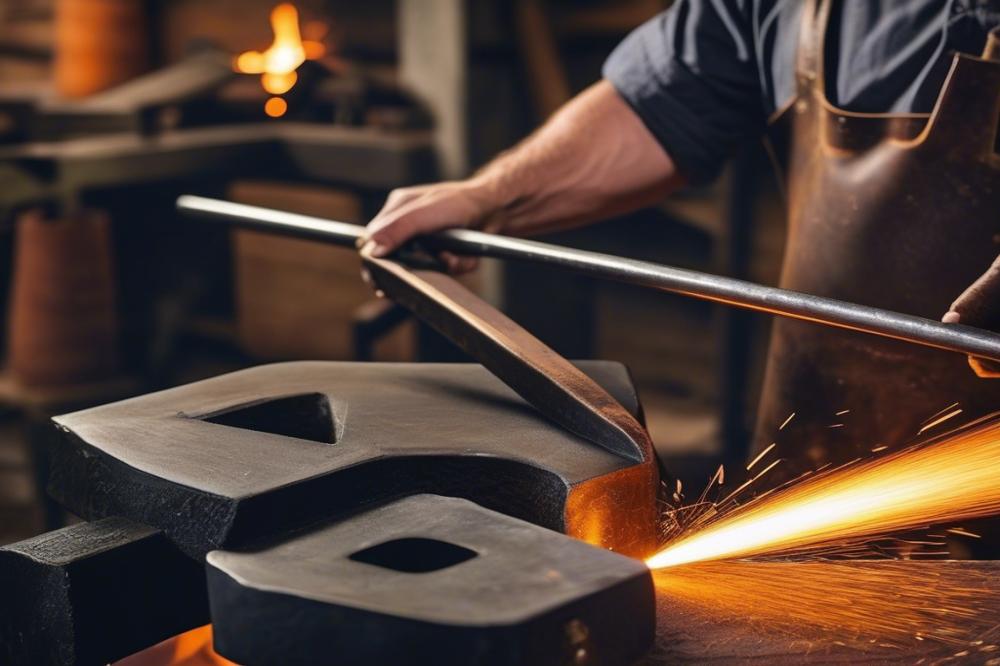
Overview of Clamps and Holdfasts in Blacksmithing
In the world of blacksmithing, having reliable tools is paramount. Clamps and holdfasts play crucial roles in securing metal pieces during work. These devices keep your materials stable, allowing for precision in crafting. When an artisan needs to strike with force or apply heat, stability becomes essential.
Tool grip is a vital aspect of any metalworking endeavor. It influences the quality of the finished product. If a piece slips during shaping, it could lead to mistakes or accidents. Thus, blacksmith tools that maintain a strong grip can drastically enhance safety and effectiveness in the workshop setup.
Importance of Tool Grip in Metalworking
Effective tool grip can significantly impact the outcome of a project. Workpieces that shift can create inconsistencies in design and functionality. A secure hold allows the smith to focus on hammering or forging without distraction. This aspect is especially critical when working on intricate designs.
Furthermore, using proper holding devices minimizes fatigue. Continuous adjustments can wear down even the most seasoned artisans. They benefit from a stable setup that offers comfort as they work long hours. Employing clamps or holdfasts can elevate both efficiency and artistry.
Relevance to Crafting Musical Instruments
Interestingly, many blacksmiths venture into crafting musical instruments. This requires precision and a careful hand. Tool maintenance is essential in this context too. Instruments demand exact dimensions and perfect curves, making the use of clamps indispensable.
In the delicate processes of instrument making, stability helps foster creativity. Artisans can concentrate on shaping tones rather than worrying about their materials. With reliable tools on hand, their focus shifts towards mastering sound rather than struggling for grip. Combining the right tools with skilled hands results in beautifully crafted pieces.
Even Blacksmith vices can complement the overall setup, enhancing the variety of methods a smith can employ. The harmony between grip, technique, and tool choice leads to remarkable results in this unique form of artistry.
Understanding Clamps and Holdfasts

Clamps and holdfasts are essential tools in blacksmithing. They secure workpieces in place during the metalworking process. By providing a firm grip, they allow for both safety and precision when shaping metal. Understanding these tools is crucial for anyone setting up a workshop.
Definition and function of clamps and holdfasts
A clamp is designed to tightly hold materials together. It functions by applying pressure to the workpiece, preventing any movement. Holdfasts operate quite differently, however. These tools firmly grip a workbench or surface. They can be adjusted quickly, making them ideal for blacksmith tools that require frequent repositioning.
Distinctions between different types of clamps
Numerous types of clamps serve various purposes. C-clamps are common; they have a simple design that can adapt to different shapes. Similarly, bar clamps can extend to hold larger workpieces. Each type has its unique advantages. When dealing with heavier materials, a pipe clamp might be the best choice. The versatility of these devices makes them invaluable in any workshop setup.
Role in maintaining secure workpieces
Maintaining a secure workpiece is vital for successful blacksmithing. Clamps provide the necessary tool grip to prevent slipping. A well-secured item reduces the risk of accidents, which is critical in a hot environment. Moreover, holdfasts enable quick changes without losing precious time. They allow blacksmiths to focus on their craft without distraction. Ultimately, having the right tools for holding materials securely enhances productivity and effectiveness.
Types of Clamps Used in Blacksmithing

In blacksmithing, various types of clamps serve distinct purposes. Each type contributes differently to the workshop setup. Understanding these options can enhance both safety and efficiency. A firm tool grip is essential when working with hot metal or during intricate tasks. Let’s take a closer look at some of the common clamps used in this craft.
C-Clamps and Their Applications
C-clamps are among the most widely used tools in metalworking. Their robust design allows them to hold workpieces securely. Often, blacksmiths utilize these clamps for projects that require a stable grip. They can be adjusted to fit multiple thicknesses. This flexibility is advantageous when working with different metal types. In addition, C-clamps can assist in aligning pieces for welding or forging. When doing intricate work, they adapt well to unique shapes.
Bar Clamps for Larger Projects
Bar clamps come in handy for larger projects within a blacksmith’s workshop. Their elongated design provides an excellent reach, allowing for wide workpieces to be secured effectively. The strength of a bar clamp means it can handle substantial pressure. Many artisans prefer these for assembling or gluing large structures. This type of clamp maintains steady pressure, which is crucial when working on metal that may change shape under heat.
Specialized Clamps for Intricate Designs
Specialized clamps cater to more complex or intricate designs. These tools are designed to accommodate curves, angles, or other unique formations. As you progress in blacksmithing, having a set of specialized clamps can significantly improve your precision. They often come with unique features, like adjustable jaws or cushioned pads to protect delicate surfaces. Such attention to detail allows for more creative freedom in your projects. Using the right clamp can enhance both the quality and aesthetic of your finished work.
Holdfasts in Blacksmithing

Definition and Mechanics of Holdfasts
Holdfasts are tools that play an essential role in metalworking and blacksmithing. These devices help secure workpieces to a surface, providing stability during various operations. Generally made of steel or other strong materials, they have a simple yet effective design. To use a holdfast, a blacksmith places it into a bench or table’s surface. When the holdfast’s arm is pressed down, it grips the material tightly. This clamp-like action allows for freedom and mobility in manipulating the workpiece while ensuring it remains secure.
Comparison to Clamps Regarding Usage and Advantages
Comparing holdfasts to clamps reveals key differences in usage and advantages. While clamps typically require more effort to adjust and place, holdfasts offer quick and easy setup. When varying the height or angle during projects, holdfasts shine. Their design allows for rapid repositioning, which is vital in a busy workshop setup. Clamps can take more time to loosen and tighten, often slowing down workflow. Simultaneously, holdfasts provide a more integral tool grip. They create a firm hold that is sometimes more reliable than traditional clamps.
Common Types of Holdfasts and Their Benefits
Several types of holdfasts exist, each catering to different needs and preferences. The traditional holdfast is popular in many workshops. Known for its versatility, it can accommodate various sizes of materials. Another option is the spoon holdfast, which features a wider head for increased contact surface. This design can prevent damage to delicate materials. Some holdfasts use spring mechanisms to enhance grip strength. These unique adaptations can be particularly beneficial when working with thinner metal sheets.
In summary, choosing the right type of holdfast can significantly impact efficiency and ease in blacksmithing tasks. With the right tools and setup, creative possibilities for metalworking expand greatly. Emphasizing the importance of these tools helps new blacksmiths understand their contributions to successful projects.
Selecting the Right Clamps and Holdfasts for Your Workshop
Choosing the right tools for your blacksmithing needs requires careful thought. Several factors must be taken into account to make an informed decision.
Factors to Consider When Choosing Tools
First, think about the specific projects you will undertake. Different types of metalworking tasks may demand unique tool grip characteristics. For instance, heavier materials require strong clamping force, while delicate designs need a gentle touch. Consider how often you will be using your tools as well. Frequent use may call for more durable options, while occasional tasks might allow for lighter, less expensive choices.
Material Compatibility and Project Type
Next, assess the compatibility of your tools with various materials. Blacksmith tools suited for ferrous metals may not perform well with softer materials. A firm hold is essential when working with steel, but a softer touch is necessary on brass or aluminum. Knowing what you intend to forge helps narrow down your selections. If you plan on switching between materials, look for versatile clamps that can adapt to your changing needs.
Tips for Beginners and Advanced Users
Beginners should start with basic options that provide stability without overwhelming complexity. Simple clamps are often easier to master, allowing for a smoother learning curve. As confidence grows, you can explore more advanced tools that provide enhanced functionality. For experienced blacksmiths, investing in high-quality holdfasts can yield excellent results with much less effort. Selecting tools with ergonomic designs can also enhance overall comfort during long sessions in the workshop setup.
Always remember that proper maintenance plays a vital role in tool longevity. Regularly check for wear and tear, and clean any debris that clogs the mechanisms. Both novices and seasoned pros will benefit greatly from keeping their workspace organized, making tool accessibility more efficient. Making informed choices ensures effective performance, ultimately improving your metalworking experience.
Integrating Clamps and Holdfasts into Your Workshop Setup
Ergonomics and Layout for Optimal Use
Proper ergonomics is vital in a blacksmithing workshop. Begin by placing frequently used tools within easy reach. Arranging the workspace to minimize unnecessary movement can help reduce fatigue. A comfortable height for the work surface promotes a better posture, allowing for a more productive session. Organizing the tools in a logical manner impacts both efficiency and safety. Use a layout that enables you to move smoothly from one task to another. This ensures that your workflow remains uninterrupted while you engage in metalworking activities.
Creating a Dedicated Space for Blacksmith Tools
Setting aside a specific area for blacksmith tools can be advantageous. Designate a section of your workshop where these instruments can be stored and accessed easily. Consider using pegboards or shelving to keep everything organized. Clearly labeling drawers or compartments saves time when searching for a tool grip or other items. A well-structured space fosters a sense of ownership and encourages creativity. Storing tools properly also protects them from damage, elongating their lifespan.
Safety Considerations When Using Clamps and Holdfasts
Safety should always be a priority in metalworking. Make sure your workspace is clear of clutter to prevent accidents. Inspect all clamps and holdfasts regularly for signs of wear. Damaged equipment can compromise safety during use. When applying pressure to secure materials, maintain a firm grip, but avoid over-tightening. This can cause materials to slip or tools to break unexpectedly. Additionally, wearing proper personal protective equipment, such as gloves and safety glasses, greatly enhances safety. Always be aware of your surroundings while working to avoid potential hazards.
Techniques for Effective Use of Clamps and Holdfasts
Properly securing metalwork is crucial in blacksmithing. Use clamps and holdfasts to stabilize your pieces. Position your work at eye level for easier access. This approach often leads to better outcomes. Adjust the tension on the clamp based on the thickness of the metal. Too much pressure can warp your work, while too little may not hold it firm.
A voiding common pitfalls can save time and frustration. Inspect your tools before starting. Worn or damaged clamps may not grip effectively. Always clean your clamps after use to prevent residue buildup. This maintenance practice helps maintain their effectiveness over time. Place holdfasts in a sturdy surface for better stability. Remember that a loose holdfast can ruin your precision.
Maintaining Tool Grip While Using Different Tools
Maintaining tool grip often makes a difference in the quality of your work. When switching between different blacksmith tools, be mindful of your grip. Choose the right tool for the task to minimize slipping. For instance, a hammer requires a relaxed grip, while a tongs demands a firmer hold. Experiment with different styles to find what feels best.
Utilize a clean workspace in your workshop setup. Clutter can lead to distractions, impacting your ability to apply a secure grip. Organize tools based on frequency of use. Store clamps and holdfasts in accessible locations. Ensure that they are ready for immediate use. Regularly assessing their condition can help avoid surprises while metalworking.
Maintenance and Care of Clamps and Holdfasts
Routine inspection of tools is important for longevity and performance. Checking for any signs of wear or damage can help prevent issues in your workshop setup. It’s wise to look for cracks, chips, or rust, which can compromise tool grip. Keeping these items in top condition can make your metalworking projects more efficient.
Cleaning and Rust Prevention Techniques
Cleaning your blacksmith tools after each use is essential. Wipe down the surfaces with a dry cloth to remove moisture and debris. For more stubborn grime, a bit of mild soap and water can be used. Be careful to dry thoroughly after cleaning to prevent moisture buildup. Applying a light coat of oil can serve as a barrier against rust. Use machine oil or a dedicated rust inhibitor on metal surfaces. Remember that regular maintenance is key to preventing rust and maintaining function.
Storage Tips for Preserving Tool Effectiveness
Proper storage goes hand in hand with maintenance. Hang clamps and holdfasts on a pegboard or wall-mounted rack to keep them off the floor. A designated drawer lined with tool foam can protect these items from scratches and impacts. Ensure that they are stored in a dry location to minimize moisture exposure. Labeling storage spaces can also enhance organization, making it easier to find the right tool when you need it.
Being proactive about the care of your blacksmith tools will pay off in the long run. Regular upkeep not only extends the lifespan of clamps and holdfasts but also improves your overall metalworking experience. The effectiveness of tools in your workshop depends on how well they are maintained and stored.
Final Thoughts on Clamps and Holdfasts in Blacksmithing
Recap of the Importance
Using clamps and holdfasts in blacksmithing plays a vital role in achieving precision and safety. These tools secure pieces in place, allowing for better manipulation and focus during the forging process. Safety is a priority, and proper use of these implements promotes a more controlled environment. Experimenting with various configurations can enhance both creativity and technique. Different Anvil types may also lend themselves to specific types of clamps and grips, allowing for greater versatility in your craft.
Encouragement for Instrument Crafting
Consider incorporating these essential tools into your musical instrument crafting projects. Secure workpieces enable finer details and intricate designs that are crucial in instrument making. Whether you are shaping wood or metal, having a steady work surface can make all the difference. Trusting your tools and working with precision will elevate your craft. It’s worth investing time to learn how clamps and holdfasts can work for your specific needs.
Enhancing Workshop Efficiency
Maximizing efficiency in your workshop starts with choosing the right tools. Clamps and holdfasts are just a part of an array of essential items at your disposal. Keep in mind that organization also impacts productivity. Ensuring everything is readily available simplifies the workflow. Focus on Tool safety to prevent accidents and promote a healthy working environment. By refining your technique and maintaining an orderly workspace, you will foster growth in your blacksmithing journey. Embracing these tools and best practices will undoubtedly lead to better results in your projects.

