

Introduction
Blacksmithing is an ancient craft that requires a variety of tools and techniques. At its core, blacksmithing transforms raw materials into useful objects. Essential tools have evolved over time, now incorporating modern elements that enhance the forging experience. Electric tools play a vital role in contemporary workshops, allowing blacksmiths to achieve precision and consistency.
Selecting the right tools can impact a blacksmith’s efficiency significantly. Traditional methods still hold value, but modern tools can complement them nicely. Forging tools can include hammers, anvils, and tongs, but today’s innovations take this craftsmanship even further. The combination of classic and new equipment helps artisans stretch their creativity.
Incorporating power tools into the process doesn’t diminish skill; instead, it enhances productivity. A better workspace can lead to experimentation and improved techniques. Proper Tool maintenance is essential to keep equipment functioning optimally. With the right care, any blacksmith can maximize the lifespan of their Forge equipment.
Understanding the unique capabilities of various tools opens up opportunities for creation. Machines and technology can expand the possibilities, helping blacksmiths work smarter, not just harder. Embracing modern advancements is a step toward mastering this age-old profession, allowing artisans to make their mark in the ever-evolving world of blacksmithing.
Power Tools

When discussing tools for blacksmithing, we often think of electric tools. These modern devices greatly enhance our craft, offering speed and precision that can transform our work. Various types of power tools play a significant role in this field. Some common examples include Power hammers, grinders, and drills. Each type serves a specific purpose and can significantly advance blacksmith efficiency.
Power hammers can deliver immense force, allowing for faster shaping of metal compared to traditional hammers. Grinders, on the other hand, provide a means of achieving a refined finish. This makes the process smoother and often leads to better-quality results. Drills play a crucial role too, enabling artisans to create detailed holes and intricate designs that hand tools may struggle with.
Key Differences Between Power Tools and Traditional Tools
One of the most notable aspects of using modern tools relates to speed. Hand tools typically require more time and effort to achieve desired results. Electric tools can significantly reduce this time investment, allowing blacksmiths to focus more on creativity and design rather than sheer labor. Moreover, the consistency offered by power tools enhances the overall quality of the work. Each piece comes out uniform, which can be difficult to achieve when relying solely on traditional methods.
Another difference worth mentioning is the level of physical exertion required. Using power tools can limit fatigue since they often do the heavy lifting. This means blacksmiths can work longer hours without as much strain. In contrast, hand tools demand physical strength and endurance, which can lead to exhaustion over time. When selecting tools for your workshop, consider these factors. Your tool selection can truly impact your craft.
There’s an undeniable charm in traditional blacksmithing, but embracing modern tools can open new doors. Combining the two methods can foster a unique experience. Moreover, balancing between electric and hand tools allows a craftsman to enjoy the best of both worlds. Experimenting with different types can lead to exciting outcomes, enriching your journey in blacksmithing.
Electric Tools

Examples of Essential Electric Tools for Blacksmithing
Cordless drills top the list for many blacksmiths. Their versatility allows for quick drilling and fastening in an efficient manner. Angle grinders present another must-have; they are invaluable for cutting and shaping metal with ease. Additionally, bench grinders help refine edges and create sharp points or smooth surfaces. Welding machines, particularly MIG and TIG welders, provide powerful connections between metal pieces. Lastly, a reliable plasma cutter can slice through thick materials, offering precision that manual methods struggle to match.
Benefits of Using Electric Tools Over Manual Tools
Adopting electric tools increases blacksmith efficiency significantly. Time savings become apparent, especially during repetitive tasks. While manual tools work well, they often require significant effort. Electric variations reduce fatigue, maintaining the smith’s energy for creativity. The precision received from modern tools enhances the quality of crafted items. This precision is difficult to achieve with manual methods alone. Furthermore, electric options usually require less physical strength, making blacksmithing accessible to a wider range of individuals.
Optimal tool selection greatly influences outcomes in any forge. Electric tools often excel in those pivotal moments when time is of the essence, allowing smiths to focus on artistry rather than labor. Embracing these advancements can transform the experience, encouraging exploration and innovation in craft. Progress in technology directly benefits the age-old practices of forging metal. Investing in electric tools opens new doors for both novice and experienced blacksmiths. Know that the journey of a blacksmith includes finding the right balance between tradition and modernity.
Tool Selection
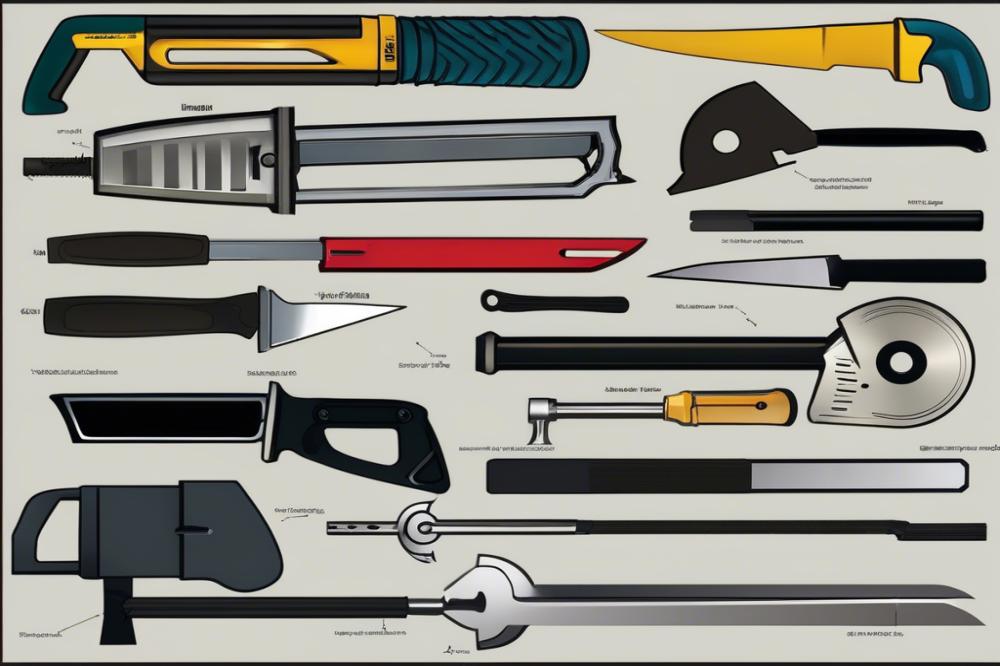
Choosing the right tools for blacksmithing is an important process. Many different factors contribute to this decision. You’ll first want to consider your specific needs. What type of projects will you tackle? Different tasks may require distinct equipment. Understanding your goals helps guide you towards the appropriate options.
Next, think about the price of electric tools. Budget considerations can significantly affect your choices. Initially, it might be tempting to opt for cheaper models. However, investing in higher-quality options often saves money in the long run. This approach can enhance your blacksmith efficiency and even improve the quality of your craftsmanship.
Longevity is another crucial factor. Some tools are designed to withstand heavy use without fail. Selecting reliable brands can lead to better performance over time. Weigh the features of modern tools against their cost. Read reviews and seek recommendations from experienced blacksmiths. Their insights can lead you towards dependable machinery.
Versatility is also a key point to remember. Some tools perform well across multiple tasks, allowing for greater creativity in your work. Others may be highly specialized, serving a single purpose. Carefully reflect on what will best suit your workshop environment and your style of blacksmithing.
Ultimately, this selection process can feel overwhelming at times. Gather all your information and don’t rush into a decision. Each tool contributes to your journey, shaping your skills and experiences. Allow your passion for crafting to guide you through this important choice.
Blacksmith Efficiency
Improving blacksmith efficiency is essential for both beginners and seasoned artisans. Electric tools have transformed traditional methods. They reduce the time spent on repetitive tasks, allowing craftsmen to focus more on creativity and design.
Using modern tools like angle grinders, for example, can drastically speed up material shaping. Instead of manually filing down metal, an angle grinder finishes the job in seconds. Such tools can reshape, smooth, and cut with precision. They can make the difference between a long day of work and a productive session in the workshop.
Task simplification is another benefit. Drill presses allow artisans to create uniform holes quickly. This ensures that components fit together seamlessly, enhancing the overall quality of the work. When undertaking projects that require multiple parts, tool selection plays a significant role in efficiency.
Consider how using a forge blower can facilitate better heat management. With improved airflow, it reduces the time needed to reach the desired temperature. A well-heated metal is easier to manipulate. Using the right equipment for heating and cooling increases the overall effectiveness of each session.
Even the cleanup process is improved with electric tools. A bench grinder can sharpen and maintain tools, which is essential for sustaining peak performance. Sharper tools facilitate cleaner cuts and stronger joints, resulting in higher quality work. Efficiency reflects not just in speed, but in the durability and finesse of the final product.
Every task, from cutting to shaping, becomes more manageable with these innovative solutions. Adopting technology not only enriches skills but also allows for a broader range of projects. The willingness to incorporate these advancements can lead to incredible growth as a blacksmith.
Modern Tools
In recent years, advancements have transformed the world of blacksmithing. Today’s artisans have access to innovative equipment that enhances their craft. Electric tools are at the forefront, making tasks faster and more efficient. These devices have changed how blacksmiths approach their work. They allow for greater precision and creativity.
One of the most significant developments is the introduction of electric hammers. Traditional ones require considerable physical effort, while electric variants reduce fatigue. Blacksmiths can spend more time perfecting their designs instead of laboring on repetitive tasks. Tool selection has become more strategic, with an emphasis on enhancing productivity.
Welders have also seen improvement with modern electric models. These machines provide better control and greater versatility. With adjustable settings, craftsmen can achieve various results, from delicate tasks to robust fittings. The ability to work with different materials has expanded, offering opportunities never seen before.
Furthermore, plasma cutters represent another leap forward. Cutting through metal has never been easier or more accurate. Blacksmith efficiency increases as time spent on these activities decreases. This innovation allows for intricate designs that would be labor-intensive using traditional methods.
Today’s blacksmiths face a broader array of options than their predecessors. They can mix traditional techniques with cutting-edge technology. As a result, unique creations emerge from every forge. The artisan can harness the power of these modern tools to push the limits of their artistry.
The electric tools broadly available today do not come without challenges. Traditionalists may feel torn between the old and the new. However, integrating modern advancements can enhance one’s craftsmanship. Striking a balance between tradition and innovation is key. Embracing new methods can pave the way for extraordinary creations.
In every corner of a blacksmith shop, these modern tools breathe new life into the trade. Enthusiasm abounds as artisans experiment with their capabilities. The fusion of age-old techniques and contemporary tools symbolizes the evolution of blacksmithing. Each innovation is a step towards crafting masterpieces that resonate with the past and look towards the future.
Safety Considerations
Using electric tools in blacksmithing can greatly enhance your efficiency and creative potential. However, safety cannot be overlooked. Each time you step into your workspace, remember the importance of protecting yourself from potential injuries.
Before operating any equipment, take a moment to assess your environment. Check for potential hazards like clutter or flammable materials. A clean workspace not only enhances your focus but also reduces the risk of accidents. Tool selection plays a key role in maintaining safety. Choosing appropriate tools for your specific tasks can prevent mishaps and streamline your work process.
Wearing protective gear is a fundamental practice. Safety goggles shield your eyes from sparks and debris. Heavy gloves provide a barrier between your skin and hot surfaces or sharp edges. Steel-toed boots protect your feet from accidental drops, which is crucial when handling heavy materials. Always wear a proper apron. This can prevent cuts and burns while you work. By prioritizing your safety gear, you’re making a statement about your commitment to responsible craftsmanship.
Regular maintenance of your modern tools should not be neglected. Keeping equipment in good condition minimizes the likelihood of unexpected failures. Plus, it also allows you to work more effectively. Inspect wires for frays and ensure blades are sharp. Such practices not only enhance tool performance but also directly contribute to your safety.
Communication is vital. If you’re working with others, always make sure everyone is aware of the workspace rules. Use hand signals or verbal cues to communicate during complex tasks. Safety is a shared responsibility, and maintaining awareness among your team can prevent accidents.
When fatigue sets in, take breaks. Working long hours can lead to decreased concentration and increased risk of injury. Moments of rest allow you to return refreshed and ready to create. Blacksmithing is both a craft and an art. Treat it with the respect it deserves, and it will reward you with beautiful results.
Maintenance and Care
Electric tools are essential for any blacksmith. With proper maintenance, they can last a long time and serve you well. Keep the tool selection clean and dry. Regular cleaning prevents rust and grime buildup, which can affect performance. Use a soft cloth for routine wipe-downs. For stubborn dirt, mild solvents work wonders without causing damage.
Lubricating moving parts is vital. Oil helps reduce friction and ensures smooth operation. Apply lubrication according to the manufacturer’s guidelines. It’s a simple step that boosts blacksmith efficiency significantly. Don’t forget about the electrical components. Check cords for wear and fraying. Replacing damaged cords prevents accidents and keeps everything running safely.
Troubleshooting Common Issues
Noticing a decline in performance? Start by ensuring the tool is clean and well-lubricated. Sometimes, a simple fix can save frustration. If the tool won’t start, check for power supply problems first. Make sure it’s properly plugged in and that the outlet functions correctly. A tripped breaker can also be the culprit.
Overheating might signal deeper issues. Allow the tool to cool down before attempting to use it again. If overheating persists, inspect airflow. Blocked vents restrict essential cooling. Additionally, avoid prolonged use without breaks to preserve the tool’s inner workings.
Vibration during operation is another red flag. Such issues can indicate loose components or worn-out parts. Tighten screws and bolts as necessary. If problems continue, consult a professional for repairs. Staying proactive helps maintain the longevity of your modern tools.
Embracing Modern Tools in Blacksmithing
Power tools have revolutionized the art of blacksmithing. Their inclusion in the workshop enables artisans to work with precision and efficiency. Every craftsman knows that working with hot metal requires the right equipment. With today’s advancements, the array of tools available can elevate your craftsmanship to new heights.
Exploring modern technology opens up a world of possibilities. Consider the advantages that tools like power hammers can bring to your projects. These devices can help shape metal with strength and accuracy, which is invaluable for creating unique designs. Investing in high-quality tools means investing in your skillset.
Tool safety should always be a priority in the workshop. Proper use of equipment will not only protect you but will also enhance the quality of your work. Learning how to handle each tool correctly fosters a more productive and enjoyable crafting experience.
As you consider your options, remember that each tool serves a purpose. It’s not just about speed; it’s about creating pieces that reflect your vision. Don’t hesitate to explore and invest in tools that spark your creativity. The right balance of tradition and modern technique will lead to exceptional outcomes.
In conclusion, merging classic methods with contemporary tools can redefine your artistry. Allow new technologies to inspire your journey. The world of blacksmithing is vast, and with each tool, you gain new capabilities. Let your passion guide you as you forge ahead with creativity and skill.

