

Introduction
In the world of blacksmithing, the importance of keeping your tools in prime condition cannot be overstated. Proper care not only enhances the performance of your blacksmith tools but also significantly extends their tool longevity. Without regular maintenance, one might find their Hammer types and anvils becoming less effective, leading to frustrating experiences in the forge.
Understanding the role of each tool in your set is essential. Each item, from hammers to tongs and chisels, serves a unique function. When these tools are well-maintained, they respond better, allowing for precise work and effortless shaping of metal. Sharpening blades regularly can yield sharper cuts that facilitate smoother workflows. Ignoring basic upkeep is akin to sailing a ship without caring for its sails; you risk running into trouble.
Moreover, the care of Forge equipment plays a vital role in overall productivity. Tools that are neglected can wear down quickly, leading to replacements that could have been avoided. Routine inspections and cleanings help spot wear and tear before it becomes a significant issue. Investing time in maintenance is a worthy commitment. Each moment spent polishing and testing your tools contributes to future crafting accomplishments.
Ultimately, your blacksmithing journey hinges not just on your creativity and skill but also on the tools you wield. Treat them well, and they will reward you with precision and reliability for years to come. As you embark on this journey, remember that your dedication to careful maintenance reflects your respect for the craft.
Tool Maintenance Basics
Maintaining your blacksmithing tools involves a few essential practices that can greatly enhance their effectiveness. Tool care is often overlooked, yet it is vital for both performance and longevity. Neglect can lead to diminished functionality and increased wear, which ultimately translates to costly replacements.
Cleaning your tools should be a regular ritual. After a day at the forge, dirt, soot, and scale can accumulate. Use a wire brush or cloth to remove debris. This simple habit helps to prevent rust and keeps tools in prime condition.
Sharpening is another key aspect of maintenance. A dull tool slows down your work and can cause frustration. Regularly honing your chisels and hammers will ensure they perform at their best. Pay attention to the edges and surfaces that come into contact with metal. Invest time in this process; it pays off with ease of use and efficiency.
Storage practices significantly impact the lifespan of your blacksmith tools. Keeping them in a dry, organized area prevents unnecessary damage. Consider investing in a toolbox or wall-mounted rack. This not only keeps tools accessible but also protects them from the elements.
Over time, neglecting these basic procedures can lead to serious issues. A tool that hasn’t been cleaned may corrode, rendering it unusable. When edges are dull, they require more force, which can lead to accidents. This is why understanding tool care is important; it preserves your investment and enhances your craftsmanship.
Ultimately, the effort you put into maintaining your equipment will be reflected in the quality of your work. Take pride in the tools that serve you. They are an extension of your skill, and caring for them ensures they remain reliable and effective throughout your blacksmithing journey.
Daily Care for Blacksmithing Tools
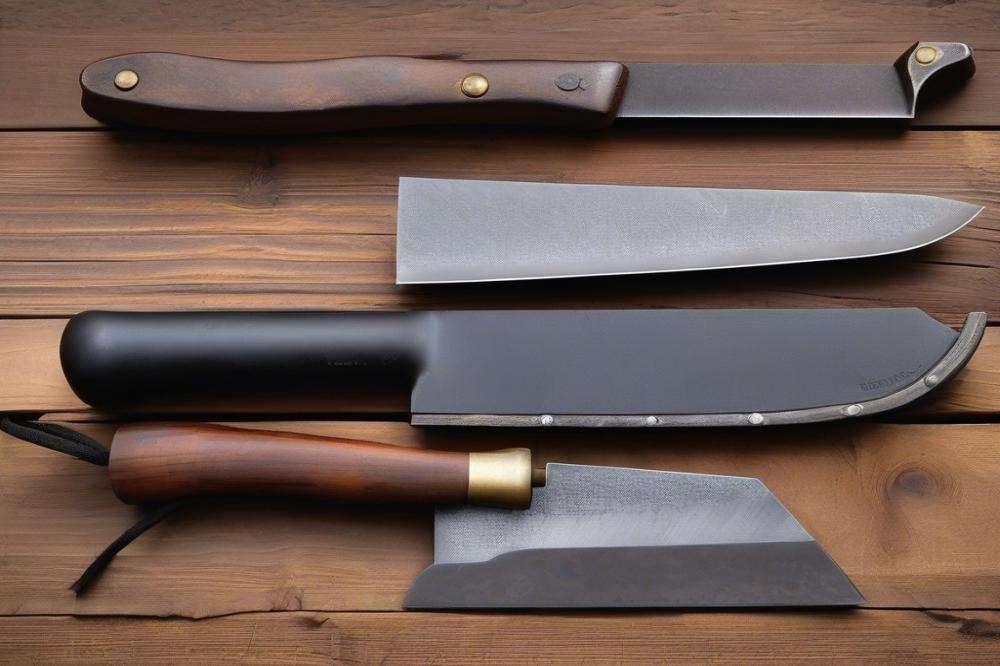
Proper daily care is vital for keeping your blacksmith tools in prime condition. After finishing a project, take a moment to clean each item. This simple act prevents rust and other damage. A damp cloth can remove soot and debris from your hammers and tongs. Remember, a clean tool is a happy tool.
Inspection should be part of your daily routine. Look closely for any signs of wear or cracks. Minor issues can become major problems if left unaddressed. Pay attention to the edges of your chisels and the faces of your hammers. Maintaining sharpness is critical for effective work.
Whenever you find damage, tackle it without delay. Worn edges often require sharpening or filing. Repairing handles can be done quickly with a bit of glue or replacement parts. Addressing these problems may seem tedious, but it significantly contributes to tool longevity.
Establishing these habits encourages a deeper connection with your tools. Each item carries its own story and value. Care fosters respect for the craft and all it entails. In turn, this respect can lead to mastery of your trade.
Ultimately, daily maintenance reflects your dedication as a blacksmith. It ensures that your tools are ready for the next forging adventure. Creating beautiful and lasting pieces relies on having reliable equipment at your disposal. Forming a routine for tool care will bring long-term rewards, transforming each day into an opportunity for growth.
Deep Cleaning and Maintenance
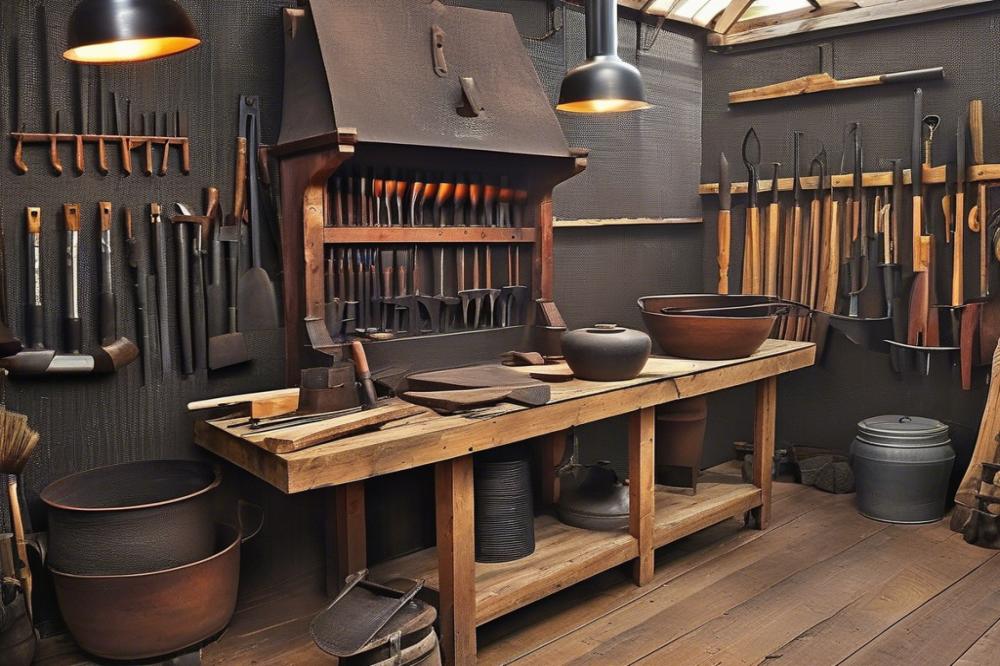
Deep cleaning your blacksmithing tools is essential for their performance and longevity. A clean tool performs better, allowing you to create with ease. Start by collecting your tools in one area. Remove any visible rust or debris before diving into the cleaning agents that will help restore them to their prime condition.
For tools made of carbon steel, use a mixture of vinegar and water. This solution will help break down rust effectively. Apply it with a cloth and let it sit for a few minutes. Afterward, scrub with a wire brush or steel wool for best results. Be thorough. Don’t rush through this process; meticulous cleaning leads to better tool care.
Tools made of softer metals, like aluminum or brass, require a gentler approach. Soap mixed with warm water will do the trick. Use a sponge or soft cloth to wipe them down. Avoid abrasive materials, as these can scratch the surface and affect performance.
Sharpening your tools also fits into deep cleaning and maintenance. A dull chisel or blade produces poor work. Use a whetstone or a file to sharpen edges. Maintain a consistent angle while sharpening to ensure a clean edge. This attention to detail can greatly improve your crafting experience.
Sometimes, tools need disassembly for comprehensive care. This is especially true for more complex tools, such as hammers or tongs. Take the time to consult the manufacturer’s guidelines if available. Carefully detach parts, and clean each one individually. It might seem challenging, but doing this helps prevent dirt buildup in hard-to-reach areas.
Don’t forget to lubricate any moving parts after cleaning. A small amount of machine oil can go a long way. Apply it where parts make contact to keep everything running smoothly. This step is crucial for the longevity of your tools. A well-lubricated tool will operate efficiently and withstand the test of time.
Finally, once your tools are clean and maintained, store them properly. Consider using a designated toolbox or rack. Keeping them organized reduces wear and tear. A tidy workspace is equally important for maintaining focus while crafting.
Sharpening Techniques for Blacksmith Tools
Sharpening represents a critical aspect of tool care for any craftsman. A properly sharpened tool not only performs better but also contributes to the overall quality of your work. Without it, even the best blacksmith tools can become dull and ineffective. This section will explore various methods to keep your tools in optimal condition.
Honing Rods
Honing rods are an excellent choice for quick touch-ups. They are particularly handy for maintaining a sharp edge during ongoing projects. Just slide the flat blade against the rod at the correct angle, which is typically around 20 degrees for most tools. Regular honing can keep your tools ready for use, minimizing wear.
Whetstones
A whetstone offers a more refined approach for sharpening. Different grits are available, allowing you to choose the right one based on the level of dullness. Start with a coarser grit to reshape the edge and progress to a finer grit for finishing. Always keep the tool at a consistent angle, as this will determine the quality of the edge. A steady hand can make all the difference.
Power Sharpeners
For a faster and more uniform sharpening experience, consider using power sharpeners. These tools have motorized wheels that can quickly grind an edge back to sharpness. Maintain caution when using them, as excessive pressure can lead to overheating and damage. Familiarize yourself with each tool to ensure that the sharpening process fits your specific needs.
Maintaining the Correct Angle
Staying at the right angle is essential across all sharpening techniques. A consistent angle ensures that the edge retains its sharpness and durability. Use guides or templates if necessary to help you maintain it. Practice can yield significant results, leading to increased efficiency in your work.
Achieving a Sharp Edge
Achieving a sharp edge takes patience and practice. Depending on the tool’s material, the process may vary. Take the time to experiment with different methods and find what works best for you. Regular maintenance and sharpening can greatly increase the longevity of your tools, leading to better performance in your craft.
Storage Solutions for Blacksmith Tools
Taking proper care of blacksmith tools extends beyond just usage; storage plays a significant role as well. A dry environment is critical for preventing rust. This means keeping tools in a well-ventilated area, away from moisture. Humidity can cause metal to corrode over time, greatly affecting tool longevity.
Investing in a good storage system pays off. Consider using pegboards or hooks to hang frequently used items. This not only saves space but also makes tools easier to access. Drawer systems can provide an organized way to keep smaller items, like chisels and files, protected from dust and damage. Labels can facilitate quick identification, leading to more efficient work processes.
Choosing the right materials for storage containers is essential. Metal and wooden boxes can both offer durability. If using plastic, select containers that are sealed tightly to protect against humidity. Remember, keeping tools dry is not just a routine; it’s a habit that reflects craftsmanship.
Regular maintenance includes checking the storage area. Look for any signs of moisture or dampness. If conditions are not ideal, consider using moisture absorbers, such as silica gel packs. In addition, applying a light coat of oil on the tools can create a barrier against rust.
For sharpening tools, store them in protective sleeves or sheaths. This keeps edges sharp and reduces the risk of injury. Maintaining organization within your storage will help you avoid searching for lost tools, making each session more enjoyable.
Finally, remember that caring for your blacksmith tools is a reflection of your dedication to the craft. Taking the time to implement these storage solutions encourages not only tool preservation but also a more enjoyable blacksmithing experience.
Regular Inspections and Repairs
Regular inspections play a crucial role in maintaining your blacksmith tools. They help identify issues before they turn into major problems. Look closely at each tool. Check for signs of wear and tear such as rust, cracks, or bent edges. Early detection can save you time and money.
Focus on some common issues. Rust can build up on tools that are not properly cleaned or stored. Inspect your anvils, hammers, and tongs for any corrosion. A quick scrub with a wire brush can often remove light rust. With tongs, examine the pivot point carefully. Sometimes, they just need a bit of lubrication to function smoothly.
Pay attention to the cutting edges of tools. Regular sharpening is essential to maintain tool efficacy. Dull tools are not only inefficient but can also be dangerous. A simple sharpening stone or file can restore edges effectively. Don’t underestimate the difference a sharp tool can make!
Sometimes, tools can suffer from deeper issues. If you notice excessive play in the pivot of your tongs or if a hammer head is loose, those are signs of fatigue. Tightening loose components can often resolve minor issues. For more severe damage, welding or professional repair might be required.
As you care for your tools, remember it is sometimes better to replace than to repair. If a tool has extensive damage that impacts its functionality, replacing it might be the wiser choice. This applies to tools that could jeopardize your safety if they fail during use. Prioritize your safety above all else.
Maintaining tool longevity requires dedication and awareness. Regular cleaning, appropriate storage, and inspections can extend the life of your blacksmithing tools. Create a schedule for these inspections to develop a routine. Make it a habit, and let your tools be a source of inspiration in your crafting journey.
Investment in Tool Longevity
Investing in blacksmith tools goes beyond just purchasing items for your workshop. When you choose quality, you set the foundation for long-term savings. Well-made tools may cost more upfront, but they will serve you reliably over many years. Consider this: a good hammer or anvil has the potential to last a lifetime if cared for properly.
Utilizing high-quality materials means less frequent replacements. Think about how often you would have to buy cheaper tools. That initial investment pays off quickly when you factor in the need for replacement tools and repairs. By prioritizing durability, you can allocate resources towards projects instead of constant tool shopping.
Regular tool care is essential. Clean and lubricate your tools after each use to prevent rust and wear. Proper sharpening is vital for maintaining the performance of your chisels and other edges. Sharper tools not only work better, they are also safer. Dull tools require more force, which increases the risk of accidents.
Another important aspect is storing your tools properly. Keeping them safe from moisture and dust will significantly improve their lifespan. Use a dry, protected area for your blacksmith tools. Organization helps you find what you need without damaging your equipment. A clutter-free workspace promotes a productive mindset.
In the long run, proper care and maintenance directly correlate to tool longevity. Each effort you make to preserve and enhance your tools returns value to your craft. Remember, your blacksmithing journey is paired with your equipment. By investing in the right tools and caring for them, you’re not just saving money. You’re also enhancing your skills and creativity.
Final Thoughts on Caring for Your Blacksmithing Tools
Maintaining your blacksmithing tools involves more than just occasional cleaning. Routine care and proper handling will lead to outstanding craftsmanship and a longer lifespan for each item. By establishing a thoughtful regimen, you set yourself up for success in your smithing endeavors.
Pay attention to the specifics. Regular inspection of your tools will help you catch wear and tear. A chipped hammer or a rusty anvil can hinder your work. Keeping your equipment in good shape is essential for achieving the best results.
Storage matters, too. Dedicate a space for your tools that protects them from moisture and dust. A clean environment will keep them ready for action and minimize the risk of damage. Shadow boards or magnetic strips provide an excellent way to organize and showcase your valuable gear.
Tool safety should never be overlooked. Always handle equipment carefully to prevent accidents. Wear proper protective gear to shield yourself from sparks and hot metal. Approaching your craft with caution will allow you to focus on your artistry while ensuring your well-being.
In closing, embrace these practices in your daily routine. The effort you put into your tools will reflect in the quality of your work. As your skills grow, so will your appreciation for the tools that aid you. Commit to caring for your blacksmithing tools, and you will unlock the potential within each piece of metal you forge.

