
Introduction
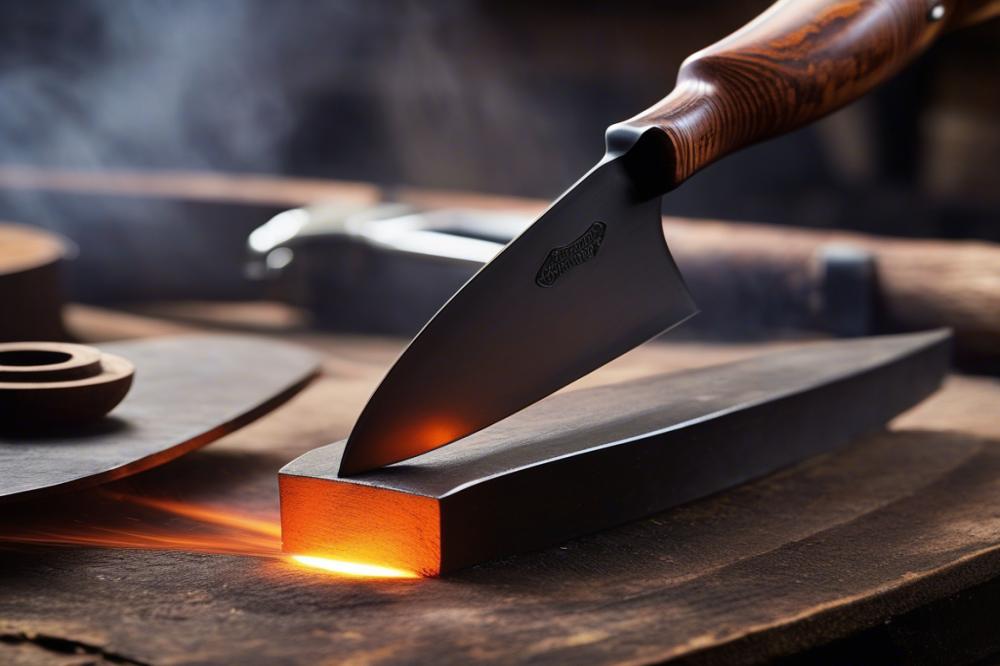
Knife making is both an art and a science. Every blade tells a story, shaped by the hands of skilled blacksmiths who understand materials deeply. Blacksmith materials play a vital role in crafting knives. The selection process can ultimately dictate how well a knife will perform in various tasks.
When diving into the world of knife making, one must consider steel selection carefully. Different types of steel offer various benefits and drawbacks. For instance, High-carbon steel is known for its excellent hardness and edge retention. That means a knife made from it will stay sharp longer. However, this type of steel may also be prone to rust if not maintained properly. Understanding these nuances is key for any aspiring blacksmith.
Performance is heavily influenced by the material chosen for a blade. A well-forged knife can become an extension of the user’s hand when made from the right steel. Moreover, the durability of a knife is paramount, especially for those who rely on their tools daily. The wrong choice can lead to disappointing outcomes, whether it’s a knife that chips easily or one that can’t hold an edge.
Aesthetics are another consideration that shouldn’t be overlooked. A beautifully crafted knife adds to the overall experience and value. The choice of materials can enhance its visual appeal, making every blade a unique piece of art. In summary, successful knife making hinges on the careful selection of steel. By understanding the characteristics of different materials, blacksmiths can create tools that are not only functional but also stunning. This knowledge ultimately elevates the craft and enriches the relationship between the maker and their creation.
Understanding Knife Steel

Knife steel is not all the same. Different compositions make each type of steel suitable for specific purposes. When selecting materials for knife making, understanding the components of knife steel is crucial. The composition typically includes iron, carbon, and various alloying elements.
Composition of Knife Steel
Carbon content is one of the most important factors. The level of carbon affects hardness and edge retention. Generally, higher carbon content means a harder blade but less corrosion resistance. This balance is essential when considering how the knife will be used.
Alloying elements also play a significant role. Metals like chromium, molybdenum, and vanadium can enhance durability and flexibility. These additions can improve the steel’s resistance to wear and corrosion, making the blade last longer. Blacksmith materials usually incorporate these elements to achieve desired steel properties.
Difference Between Carbon Steel and Stainless Steel
Many knife makers prefer carbon steel for its simplicity and sharpness. Carbon steel can take a finer edge and sharpen up quickly. However, it requires regular maintenance to keep it from rusting. This aspect might deter some users from choosing it.
On the other hand, stainless steel offers excellent corrosion resistance. This quality makes it a popular choice for kitchen knives. While it may not hold an edge as well as carbon steel, the ease of maintenance is a significant benefit. Knowing these distinctions helps with steel selection based on the knife’s intended use.
Ultimately, both types have their advantages and drawbacks. Personal preference often dictates which steel a blacksmith prefers for blade forging. Each type serves various needs in the world of knife making. Understanding these differences empowers blacksmiths to create better knives suited to their goals.
Types of Knife Steel

When it comes to knife making, understanding the different types of steel is crucial. Blacksmith materials vary widely, and each type of steel has its own characteristics. Let’s delve into the most common types: high carbon steel, stainless steel, and tool steel. Each lends itself well to specific applications.
High Carbon Steel
High carbon steel is known for its exceptional sharpness and edge retention. Typically, this type of steel contains carbon content between 0.6% and 1.5%. This range enhances hardness and allows for a keen cutting edge. However, the durability can sometimes be compromised if not properly maintained. Regular oiling is essential to prevent rust. Many traditional blades are crafted from this material due to its ease of sharpening and ability to form a fine edge.
Stainless Steel
This type of steel is a popular choice among knife makers, especially for kitchen knives. It contains chromium, usually at least 10.5%, which helps resist corrosion. Stainless steel offers a balance between toughness and reliability. Though it can be more challenging to sharpen, the trade-off is well worth it for those seeking low maintenance. Chefs often prefer this steel for its longevity and resistance to stains, making it an ideal choice in the culinary world.
Tool Steel
Tool steel stands out for its unique ability to withstand high impact and wear. Used in various industrial applications, this type is less common for everyday knives but holds its ground in specialized tools. Often, it is alloyed with elements like tungsten or molybdenum. These additions improve hardness and resilience. Blacksmiths enjoy using tool steel for custom knives intended for tough environments.
Comparison of Properties and Best Applications
Understanding the differences between these materials helps in steel selection. High carbon steel excels in sharpness, while stainless steel is favored for its low maintenance. Tool steel shines in demanding environments where durability is vital. Each type has its pros and cons, affecting how knives perform in various settings. Choosing the right material can significantly influence the overall success of blade forging. The right choice depends on the intended use and maintenance preferences of the user.
Steel Selection Criteria
Selecting the right steel for knife making involves several important factors. Hardness is crucial. It determines how well the blade holds an edge. A harder steel can be more challenging to sharpen but may stay sharp longer. Wear resistance is another factor to consider. This property helps the blade resist abrasion, especially during heavy use.
Toughness also plays a significant role in your choice of blacksmith materials. A tough blade can endure impacts without chipping or breaking. This is especially important for knives used in demanding environments. Users often want their knives to perform reliably under pressure.
Corrosion resistance cannot be overlooked either. Depending on where the knife will be used, some steels may rust if not properly cared for. Blades that see moisture often need higher levels of stain resistance to last. Different steel types offer varying degrees of these properties.
Finding the perfect balance among hardness, toughness, wear resistance, and corrosion resistance is vital. Each knife will have its own ideal combination of these traits depending on its intended use. For instance, a kitchen knife might prioritize edge retention and ease of sharpening, while a hunting knife may require more toughness.
When forging blades, blacksmiths must assess their needs carefully. Not all knives require the same materials or properties. Choosing materials that suit specific tasks will yield better performing tools. A thoughtful approach to steel selection can enhance user satisfaction and longevity of the blade.
Ultimately, selecting the best knife steel can lead to a more effective and durable product. The right choices in steel characteristics will differ from one blacksmith to another. Each artisan should consider their craftsmanship style, the purpose of the blade, and even personal preferences. Understanding how different properties interact is key to masterful blade forging.
Impact of Alloying Elements
When selecting materials for knife making, alloying elements play a crucial role. These elements can greatly influence the final properties of the steel. Knowing which elements to choose is important for any blacksmith looking to create high-performance knives.
Roles of Chromium, Manganese, Vanadium, and Molybdenum
Chromium is widely known for enhancing corrosion resistance. It also contributes to hardness and toughness. This makes a blade more durable, perfect for kitchen knives that face moisture regularly. Manganese helps improve the hardness of steel when it’s forged. It can also enhance the strength, making blades less prone to deformation during use.
Vanadium is often added to refine the grain structure. A finer grain can lead to a sharper edge that stays sharper longer. It also helps in improving the wear resistance of the blade. Molybdenum, on the other hand, boosts the toughness of the steel. This element keeps blades from becoming brittle, especially when subjected to shock or stress.
How These Elements Influence Knife Performance
The performance of a knife depends heavily on its alloying elements. For example, a blade with higher chromium levels will often resist rust. Conversely, too much chromium can make it difficult to sharpen. Balancing the right amount is essential for optimal results in blade forging.
Fine-tuning the addition of manganese, vanadium, and molybdenum can maximize edge retention and overall durability. A knife designed for heavy-duty tasks may require more vanadium for toughness. On the flip side, a thin, precise kitchen knife may benefit more from chromium for resistance to wear.
Choosing the Right Alloying Elements for Specific Needs
Selecting the appropriate alloying elements comes down to understanding your needs. Ask yourself what the knife will be used for. If you are making a knife for outdoor enthusiasts, focus on elements that promote durability and edge retention. A blend that includes more chromium and molybdenum might be ideal.
In contrast, for those creating specialized culinary tools, consider a combination that enhances sharpness and corrosion resistance. Vanadium should be prioritized in this case for better edge performance. Each element’s unique properties can lead to significant differences in the final product.
Experimentation is key. Don’t hesitate to test various combinations in small batches. Assessing the results will guide future steel selection and allow for more tailored outcomes in your knife making journey.
Blade Forging Techniques
When entering the world of knife making, understanding blade forging techniques is essential. Forging involves shaping materials using compressive forces. Traditionally, blacksmiths use this method to create blades that can endure tough use.
Overview of Forging Processes
Two main processes dominate blade forging: hot and cold forging. Each process has its unique characteristics and results. Hot forging occurs at elevated temperatures. The heat makes the steel easier to shape. In contrast, cold forging happens at room temperature. This method allows for precision and can enhance surface finishes.
Hot Forging vs Cold Forging
The choice between hot or cold forging often depends on the desired outcome. Hot forging is typically used for larger, more complex shapes. When the steel is heated, it becomes more malleable. That can be a significant advantage when working on intricate designs. However, certain qualities might be lost, such as hardness, because of the high temperature.
Cold forging provides a different set of benefits. Cold-worked steel often has a better surface finish and can be more durable. Increased strength results from the work hardening process involved. Yet, it is important to understand that this method may not be suitable for all designs. The risk of cracking increases, especially with thicker materials. Each option requires careful consideration in the context of blacksmith materials.
Effects of Forging on Steel Properties and Performance
Forging significantly affects steel properties. It can modify the internal structure of the steel, altering its advantages and usability. For instance, during forging, the grain structure transforms. Finer grains lead to stronger and tougher blades. This improvement often translates to better performance in real-world scenarios.
Additionally, Heat treatment can enhance the benefits gained from forging processes. Heat treating after forging can further optimize hardness and flexibility. This combination is vital for creating effective knives. Regardless of whether hot or cold forging is chosen, the quality of steel selection plays a critical role.
Overall, understanding blade forging techniques provides blacksmiths with essential knowledge. Each method has strengths and weaknesses that influence the final blade’s performance. Careful thought regarding forging choices helps in crafting high-quality knives.
Testing and Evaluating Knife Steel
When selecting materials for knife making, testing plays a crucial role. It helps blacksmiths understand how different steels behave under various conditions. A strong focus on performance characteristics can guide the steel selection process effectively. Without testing, makers might miss the nuances of how a particular material could perform in real-world applications.
Methods to Evaluate Hardness, Edge Retention, and Corrosion Resistance
Several methods exist for evaluating the properties of knife steel. For hardness, a common approach is the Rockwell test. This test provides a standardized measure and helps predict how the blade will hold up against wear. Edge retention can be assessed through practical cutting tests. By slicing through various materials, blacksmiths can gauge the sharpness after use. Corrosion resistance is equally important; exposing samples to saltwater or acidic environments offers insights into how well the steel holds up over time.
Adapting to User Feedback and Real-World Performance
User feedback is invaluable in refining steel choices. After knives reach customers, their experiences can highlight strengths and weaknesses. Engaging with users allows makers to identify specific performance issues, leading to adjustments in future projects. Observing how a blade performs in real-world settings is better than any laboratory test. Listening to user experiences helps smiths evolve their craft and choose the best blacksmith materials for upcoming knives.
Best Practices for Blacksmiths
Guidelines for Selecting and Sourcing Materials
Choosing the right materials for knives is crucial. Start by exploring various steel types like high-carbon, stainless, and tool steel. Each type has its pros and cons. For instance, High-carbon steel is known for its edge retention, while stainless steel resists rust well. Visit specialized suppliers. This allows you to see the materials firsthand. Ask questions about the source and the composition of the steel. Building relationships with reputable suppliers is essential. They can inform you about new products and trends in blacksmith materials.
Maintaining Consistency in Steel Selection
Consistency matters when creating blades. Establish a standard for the steel types you want to work with. Sticking to a few reliable grades can improve your results. If you use varied materials, it might lead to unpredictable performance. Track your materials carefully. Note the Heat treatment and forging processes for each steel type. This attention to detail guarantees that your final product meets your expectations every time.
Tips for Novice Blacksmiths in Knife Making
As a beginner, start simple. Focus on basic knife designs before experimenting with complex shapes. Get familiar with blade forging techniques. Practice your heat treatment methods. Understanding how to harden and temper your steel is crucial for durability. Consider using pre-forged blanks if you’re anxious about starting from scratch. They provide a good base for learning without the intimidation of beginning entirely. Don’t hesitate to seek guidance from experienced smiths. They often offer valuable insights from their own knife-making journeys.
Wrapping It Up
Selecting the right material for knives is crucial in the blacksmithing process. Key points to remember include the importance of hardness, toughness, and edge retention. Each steel type serves different purposes. For instance, high-carbon steel is known for its sharpness, while stainless steel offers great resistance to rust. Damascus steel, with its beautiful patterns, blends performance with aesthetics. Choosing the best knife steel will depend on your intended use and artistic vision.
Don’t let all this information discourage you. Knifemaking is as much about experimentation as it is about knowledge. Trying different types of steel will deepen your understanding. Each experience, whether successful or not, adds to your skill set. Learn through trial and error. Participate in discussions with fellow blacksmiths and gather insights from their experiences.
Remember, mastering heat treatment can significantly impact your blades’ performance. Pay attention to how you harden and temper the steel; those steps are just as critical as the material you start with. Growth in this craft takes time and patience, but the effort pays off. In time, you will realize that knowing how to select and work with steel elevates your craftsmanship. Keep forging ahead! Your journey into the world of blacksmithing will only get richer as you continue to refine your skills in making exceptional knives.

