
Introduction
High-carbon steel is a type of steel that contains a higher percentage of carbon compared to other types. This specific characteristic gives it remarkable strength and hardness, making it an important choice for various metalworking applications. In blacksmithing, high-carbon steel is prized for its ability to hold a sharp edge, which is crucial for tools and other implements.
Choosing the right steel is vital for any project. Different applications may require varying levels of hardness and flexibility. Understanding high-carbon steel can guide decisions about steel selection and Tool steels, ensuring that the final product meets desired specifications.
The article will delve into several key topics. First, we will explore the properties of high-carbon steel and its benefits in craftsmanship. Next, working with blacksmithing tools will be discussed, highlighting techniques that maximize the material’s potential. Heat treatment will also be covered; it is an essential process that influences the performance of high-carbon steel. Lastly, we will touch on methods for hardening steel, which is critical for achieving durability in tools and equipment.
With this knowledge, both beginners and experienced craftsmen can gain insights into effectively using high-carbon steel for their projects.
Understanding High-Carbon Steel
Composition and Properties
High-carbon steel contains a higher percentage of carbon, typically between 0.6% to 1.5%. This composition significantly influences its properties. Greater carbon content enhances hardness and strength while reducing ductility and toughness. Consequently, this type of steel can hold a sharp edge, making it ideal for blades and cutting tools. The hardening of steel is often achieved through Heat treatment, which modifies its structure.
Comparison with Low-Carbon and Medium-Carbon Steels
When comparing carbon steels, variations in carbon content play a crucial role. Low-carbon steels, with less than 0.3% carbon, offer excellent ductility and formability. These are often used in applications like structural components. On the other hand, medium-carbon steels, ranging from 0.3% to 0.6%, strike a balance between strength and ductility.
High-carbon steels excel in abrasion resistance and edge retention. However, their brittleness can pose challenges in certain applications. In blacksmithing tools, for example, selecting the appropriate steel is essential. Choosing a high-carbon variety can provide the performance needed for durable tools, yet care must be taken to manage its brittleness during use.
Applications in Various Industries
Many industries rely on high-carbon steel for specific applications. The knife and tools manufacturing sector benefits greatly from its hardness and ability to retain sharpness. Similarly, automotive industries use high-carbon steel for springs and components that require resilience.
Aside from manufacturing, this steel type is prevalent in construction, where toughness is paramount. Heavy machinery components also utilize high-carbon steel due to its strength and wear resistance. Crafting items with this material lets artisans produce durable and functional pieces. Consequently, understanding its properties and choosing the right type plays a vital role in successful projects.
Steel Selection for Projects
Choosing the right type of steel is crucial for any project. Several factors should guide your selection process. One significant aspect is the intended use. Different applications require different properties. For example, cutting tools need to retain sharpness longer than other items. Consider also the compatibility with your blacksmithing tools. The ability to work with the material can affect your project’s success.
Factors to Consider When Choosing High-Carbon Steel
First, tensile strength matters. It indicates how much stress the steel can withstand before breaking. Low tensile strength can lead to premature failure. Additionally, carbon content influences hardness. More carbon usually means a harder material, which can be both an advantage and a disadvantage. Think about how the steel will respond to heat treatment. Proper heating and cooling techniques can harden steel, improving durability significantly. However, it also introduces brittleness, which might not suit every application.
Different Grades and Their Characteristics
High-carbon steel comes in various grades, each with distinct characteristics. Common grades include 1095 and O1. The grade number often indicates its carbon content. For instance, 1095 steel typically contains about 0.95% carbon, which gives it excellent edge retention. O1, on the other hand, contains different alloying elements, which enhance its hardening abilities after heat treatment. When selecting a grade, consider factors like wear resistance and toughness.
Common Uses in Tools, Knives, and Machinery
High-carbon steels are popular in making tools, knives, and machinery parts. Blades made from this material often possess outstanding performance characteristics. They can withstand heavy use and maintain their edges for longer periods. Many kitchen knives and outdoor survival tools feature high-carbon steel due to these properties. Furthermore, these materials are also found in industrial machinery, where strength and durability are paramount. Whether crafting a knife or repairing equipment, the right steel can make a significant difference.
Essential Blacksmithing Tools
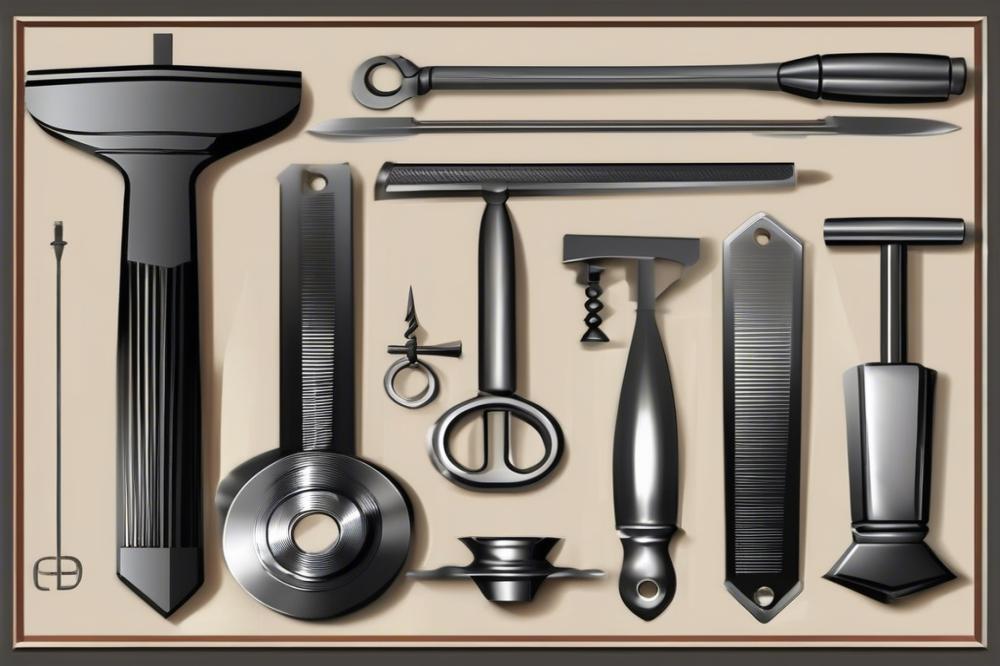
When working with high-carbon steel, having the right blacksmithing tools is crucial. These tools will help shape, heat, and harden metal effectively. Proper tool selection can make a significant difference in your projects. Let’s explore some essential tools you will need.
Overview of Tools for Working with High-Carbon Steel
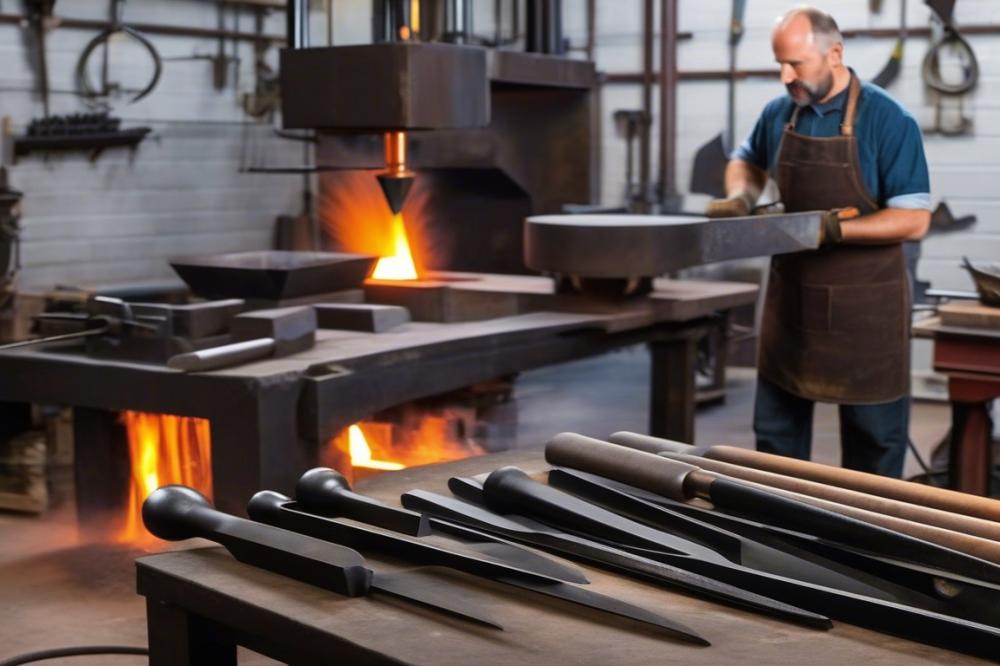
Various tools play an important role in the blacksmithing process. A forge is necessary for heating metals to their working temperature. Depending on your design, a propane forge or coal forge may be suitable. An anvil is another vital tool, providing a solid surface for shaping and forming steel.
Anvil Types and Their Importance
Different types of anvils exist, and each serves a specific purpose. A traditional cast iron anvil offers strength and durability. Some blacksmiths prefer a forged steel anvil for its resilience and performance. Consider features like weight and shape when selecting an anvil. The horn helps in bending metal, while the face allows for flattening and shaping. Each part plays a role in achieving your desired outcome with high-carbon steel.
Hammers, Tongs, and Other Essential Tools
Hammers are indispensable tools for any blacksmith. They come in various shapes and sizes, each designed for specific tasks. A cross-peen hammer is excellent for drawing out metal, while a ball-peen hammer is useful for peening tasks. Choose a hammer that feels comfortable in your hand for better control.
Tongs assist in holding hot metal safely. There are various styles to accommodate different shapes of steel. Some tongs are designed specifically for flat stock, while others are better suited for round bars. Consider the projects you will undertake to choose the right styles.
Other tools, like chisels and bevels, are also important for detailing and finishing work. Heat treatment methods can help in hardening steel, ensuring that your final product meets your expectations. Always remember, having quality tools can greatly enhance your blacksmithing experience.
Heat Treatment Techniques
Heat treatment plays a vital role in enhancing the properties of high-carbon steel. The primary goal is to alter the physical and sometimes chemical properties of the material. This process can increase strength and improve ductility, helping create tools that withstand heavy use.
Common Methods
Three commonly used methods in heat treatment include annealing, normalizing, and tempering. Each of these techniques serves a different purpose. For instance, annealing involves heating the steel and then slowly cooling it to relieve internal stresses. This method results in a softer material, which can be easier to work with.
Normalizing, on the other hand, entails heating the steel above its critical temperature and then allowing it to cool in air. This method refines the Grain structure of the steel, leading to improved toughness and uniformity. Finally, tempering involves reheating hardened steel to a temperature below its critical point. It helps reduce brittleness and enhances toughness, making the final product more resilient.
Steps Involved in Heat Treatment Processes
Several steps are generally involved in the heat treatment of steel. First, steel selection is crucial. Choosing the appropriate grade impacts the effectiveness of the heat treatment process. Next, the material is heated in a controlled environment, typically within a furnace. Proper temperatures must be maintained for specific durations, depending on the desired outcome.
Once the heating phase is complete, controlled cooling is essential. Rapid cooling might lead to hardening, which can increase brittleness if not followed by tempering. Each of these steps requires attention to detail, especially when utilizing blacksmithing tools to manipulate the material. The careful application of these methods results in components that meet high-performance standards.
Hardening High-Carbon Steel
Hardening is a crucial process for high-carbon steel. It involves heating the metal to a specific temperature, followed by rapid cooling. This heat treatment alters the microstructure, transforming the steel into a harder material. By doing this, you increase its strength and durability. The process can be intricate, but understanding it is key.
Quenching Methods and Their Effects
Different quenching methods yield various outcomes. Water, oil, and air are common quenching mediums. Water cools the steel quickly but can cause warping and cracking. Oil, on the other hand, cools more slowly, which reduces risks associated with rapid temperature changes. Air cooling is gentlest and is sometimes used for specific types of high-carbon steel. Each method requires careful consideration based on the desired properties of the finished product.
Tips for Effective Hardening
Start with the right steel selection. Some grades of high-carbon steel harden better than others. Once you have your material, use appropriate blacksmithing tools. Ensure your furnace can reach and maintain the necessary temperatures. Uniform heating is vital; the entire piece must reach the hardening temperature before quenching. Maintain a consistent speed when cooling. If you plunge too quickly or too slowly, you might compromise hardness.
After quenching, the steel may be too brittle. Tempering can balance hardness and toughness. This involves reheating the metal to a lower temperature, which will alleviate some internal stresses. This simple step is often overlooked but can significantly affect performance. Always remember to test hardness after hardening to confirm results.
In summary, learning the intricacies of hardening high-carbon steel is essential for anyone interested in metalworking. With the right techniques and precautions, superior results can be achieved. Take your time, and practice regularly. It is through experience that you will master the necessary skills.
Finishing and Polishing High-Carbon Steel
Techniques for Finishing Surfaces
Finishing surfaces on high-carbon steel involves several important techniques. Each method can significantly impact performance and appearance. Start with grinding to remove any rough edges or imperfections. Use a bench grinder or angle grinder fitted with an appropriate grit wheel for this task. After grinding, sanding can refine the surface even further. Selecting a range of sandpaper grits will help achieve a smoother finish.
Also, consider using files for detailed work on edges and corners. Various shapes are available, so choose one that fits your project’s needs. An abrasive blasting method, like sandblasting, offers a different approach. This process is effective for stripping away rust or paint. Additionally, polishing wheels are useful for adding a final shine. These wheels come in different materials, allowing for versatility in achieving the desired look.
Benefits of Polishing and Protecting from Rust
Polishing brings several distinct advantages. It enhances the aesthetic quality of the steel, making it visually appealing. A polished surface is less likely to accumulate dirt and grime. Moreover, it can help reduce corrosion risks. This is especially vital given that high-carbon steel is prone to rust without proper protection.
Protecting against rust is crucial in environments with moisture. Applying a protective coating is beneficial. Various oils, such as mineral oil or even gun oil, create a barrier. This helps slow down the oxidation process. Additionally, utilizing wax can provide another layer of protection. A well-finished and polished tool will not only perform better but will also have a longer lifespan.
Recommended Products for Maintenance
When it comes to maintaining high-carbon steel, choosing the right products matters. A good rust inhibitor is essential. Products like WD-40 or specialized rust prevention sprays work effectively. Always look for items that offer long-term protection.
For polishing, consider using metal polish compounds. Brands like Mothers or Semichrome are popular choices. These have been proven to provide excellent results. When selecting abrasives, make sure to choose products designed for metal finishing. Novus or 3M products are often recommended by professionals.
Keep tools in proper condition. Regular maintenance prolongs their life. For blacksmithing tools, simple care routines make a difference. Wipe down surfaces after use, especially if exposed to moisture. With suitable technique and care, working with high-carbon steel can become a rewarding experience.
Safety Considerations in Working with High-Carbon Steel
Personal Protective Equipment Recommendations
Wearing the right personal protective equipment (PPE) is crucial. Begin with safety goggles to protect your eyes from sparks and flying debris. Gloves made from heat-resistant materials can prevent burns. Steel-toed boots will shield your feet from heavy tools and materials. A well-fitted apron helps guard against cuts and hot metal. Consider a dust mask when working with grinding or cutting to prevent inhalation of metal particles.
Best Practices for Safe Handling
Handling high-carbon steel requires careful attention. Always maintain a clear workspace to minimize tripping hazards. Use proper lifting techniques, especially with heavier pieces, to avoid strain or injury. Be mindful of sharp edges; always direct them away from your body when moving materials. Store tools and steel in designated areas to prevent accidents. Regularly inspect your blacksmithing tools for signs of wear. Keeping them in good condition promotes safety during use.
Importance of Ventilation and Fire Safety
Good ventilation is essential when working with steel. Fumes from heat treatment and cutting can accumulate, posing health risks. Open windows or use exhaust fans to keep air flowing. Fire safety cannot be overlooked. Always have a fire extinguisher nearby, particularly when using torches or forges. A fire blanket can also be beneficial for unexpected flare-ups. Familiarize yourself with fire hazards related to materials like oil or wood shavings that may ignite easily. Lighting should be adequate to help keep visibility high while working.
Wrapping Up Your High-Carbon Journey
Summarizing the core aspects discussed, there are important features to remember. High-carbon steels are known for their strength and the ability to hold an edge well, making them an excellent choice for Knife steel and various cutting tools. Understanding the properties of these materials can greatly influence the success of your projects. The Grain structure plays a crucial role in determining the final characteristics of the steel, so paying attention to it will provide better results.
Don’t shy away from experimenting. Working with high-carbon steels can be both challenging and rewarding. Each piece of material has its quirks, and figuring those out can enhance your skills and creativity. Whether you are crafting a knife or another tool, the journey will teach you valuable lessons. As you gain experience, your confidence will grow, encouraging you to take on more complex projects.
Craftsmanship requires patience and dedication. Every piece created is a testament to the effort you put into it. Finding joy in the process is just as important as the end result. The skills developed through practice will not only lead to personal satisfaction but will also connect you to a broader community of makers. In time, your hard work will be evident in the tools you create, and that fulfillment is worth every moment spent honing your craft.

