

Introduction
Blacksmithing stands as a craft forged through centuries, intertwining artistry and technical skill. This ancient practice has played a crucial role in shaping the tools and weapons of various cultures across history. From creating swords and armor in medieval times to producing decorative ironwork today, the significance of blacksmithing is undeniable. Its evolution illustrates human ingenuity and the quest for improvement in metallurgy.
Understanding materials used in forging is critical for anyone interested in beginner blacksmithing. Each type of metal possesses properties that influence how it behaves when heated and shaped. Selecting appropriate materials can make the difference between a successful project and frustration. The right choices pave the way for effective forging basics, providing a foundation for further skills.
This article aims to guide readers on their journey into the world of blacksmithing materials. It will cover essential metal types commonly used by blacksmiths. Moreover, we will discuss best practices for material selection, fostering a deeper appreciation for the craft. Additionally, Heat treatment processes will be highlighted to showcase how they enhance metal performance. Understanding these concepts is vital for developing confidence and proficiency in blacksmithing.
By the end of this discussion, aspiring blacksmiths will gain insight into the Best steel for beginners and other materials. You will be equipped with the knowledge needed to start forging with clarity and purpose.
Blacksmithing Materials

Blacksmithing materials play a crucial role in the art of shaping metal. Understanding the properties of different materials can significantly influence the final product. Each type of metal brings its own characteristics to a project, affecting both appearance and performance.
Types of Materials Used in Blacksmithing
Metals used in blacksmithing can be broadly classified into several categories. Common choices include carbon steel, stainless steel, and wrought iron. Carbon steel is popular for its versatility and ease of forging. Stainless steel offers corrosion resistance, making it ideal for certain applications. Wrought iron is valued for its historical significance and beauty.
Other materials like aluminum and bronze also find their use in specialized forging projects. While not as traditional, they offer unique properties beneficial for certain designs. Beginners might start with mild steel, as it is readily available and easier to work with. This allows them to grasp the forging basics without excessive difficulty.
Importance of Material Selection for Different Projects
Choosing the right material is vital for achieving desired results in blacksmithing. Specific projects may require materials with particular qualities. For instance, tools and blades often benefit from high-carbon steel due to its hardness when tempered properly. Conversely, decorative items might utilize softer metals for easier shaping and finishing.
In the world of beginner blacksmithing, understanding material selection can simplify the learning process. Each project presents its own challenges, dictated by the metal type chosen. Knowledge of the properties of metals can guide a blacksmith in making informed choices. Ultimately, the right material enhances not only the functionality but also the aesthetic appeal of the final piece.
Metal Types
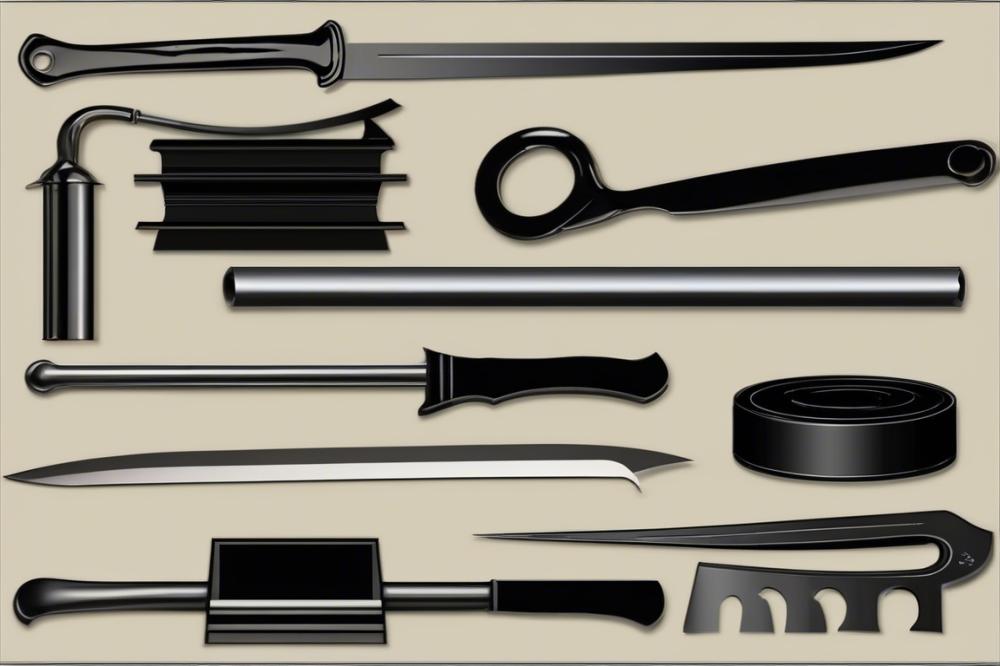
Understanding metal types is fundamental when diving into blacksmithing materials. Metals fall into two primary categories: ferrous and non-ferrous. Ferrous metals contain iron, which is important for their strength and durability. Non-ferrous metals do not contain significant amounts of iron. Each category has distinct characteristics that affect their use in forging basics.
Common Metal Types
Iron is one of the oldest metals used in blacksmithing. It is malleable and can be shaped easily when heated. Steel, an alloy of iron and carbon, offers greater strength than pure iron. It can be hardened or tempered, making it versatile for a wide array of tools and weapons. On the other hand, aluminum is lightweight and resistant to corrosion. It may not have the same strength as steel, but it is excellent for certain applications. Lastly, copper stands out for its conductive properties. This metal is often used for electrical components and decorative items.
Properties and Uses
Each metal type possesses unique properties that dictate its applications. Iron, while strong, can rust if not properly maintained. Users of this metal must consider protective techniques, like coating. Steel offers excellent hardness, which is why it is commonly used for blades and structural applications. Its adaptability makes it a favorite among beginner blacksmithing enthusiasts. Aluminum’s lightweight nature makes it perfect for aerospace components and automotive parts. It is easy to work with and can be anodized for different finishes. Meanwhile, copper’s high conductivity elevates it in electrical work and plumbing tasks. Its appearance also allows it to shine in artistic creations.
Material selection is crucial for any blacksmith. Depending on the intended use, different metals will perform better in specific applications. By understanding the characteristics of iron, steel, aluminum, and copper, one can make informed choices about their projects.
Forging Basics

Understanding the fundamental principles of forging is essential in blacksmithing. At its core, forging involves shaping metal using compressive forces. This process can create various items, from tools to art pieces. The temperature of the metal is critical. When heated to a specific range, metals become malleable and easier to manipulate.
Various types of metal can be forged, each offering different qualities. Steel is a popular choice due to its tensile strength. Iron is another traditional option, known for its workability. Beginners should start with softer metals, as they allow for easier shaping. Choosing the right material is a crucial step in beginner blacksmithing.
Tools and Techniques
Several tools are fundamental in blacksmithing. Hammers are primary instruments, enabling the blacksmith to shape metal through repeated strikes. Anvil serves as a solid surface for shaping and refining items. Tongs are also crucial, allowing for safe handling of hot materials. Each of these tools plays a specific role in the forging process.
Techniques involved in blacksmithing vary based on the desired outcome. Drawing out is common for lengthening metal. Upsetting is used to increase thickness. Bending changes the shape, while twisting adds intricate designs. Mastering these techniques requires practice, patience, and attention to detail.
Heat treatment
Heat treatment is an innovative method that enhances metal properties after forging. It involves heating and cooling the material in specific ways to achieve desired characteristics. Annealing makes metals softer and more workable. Hardening increases strength and wear resistance, a valuable quality for tools. Tempering reduces brittleness while maintaining hardness.
Each treatment affects the material differently. Blacksmiths must understand how these processes impact metal types. The selection of heat treatment depends on the final application of the forged item. To create effective tools or art, understanding these principles is essential for any aspiring blacksmith.
Material Selection
Choosing the right materials is critical for any blacksmith. Several factors come into play when making this decision. First, consider the metal types available. Some metals are easier to work with than others. For a beginner blacksmith, softer metals like mild steel are ideal. These materials can be shaped without excessive force.
Next, you must match the material properties to your project’s requirements. Hardness, ductility, and tensile strength are important factors. For instance, if you’re making tools, you’ll need steel that can withstand impact. Conversely, if your project is decorative, a softer metal, like copper, may suffice. Understanding these characteristics can prevent frustration during forging basics.
Cost and availability are also significant considerations. Some metals are more expensive than others. If you’re just starting, it might be wise to stick with materials that are readily accessible. Oftentimes, you can find scrap metal at local suppliers or metal shops. This approach can save money while still allowing for learning opportunities in beginner blacksmithing.
Lastly, take time to explore different materials before starting your first project. Each metal offers its own benefits and challenges. Knowing what’s out there will expand your skillset. Always keep in mind what you are trying to achieve with your piece.
Essential Tools for Blacksmithing
Overview of Basic Blacksmithing Tools
Blacksmithing requires several essential tools to execute tasks effectively. A forge is crucial for heating metal to a malleable state. The anvil serves as a sturdy surface for shaping and hammering heated metal. Hammers come in various shapes and sizes, commonly used to form and shape the metal. Tongs are also necessary. They help grip hot materials safely. Other items include chisels, swages, and punches, which can further assist with shaping and detailing. Each tool plays a vital role in the blacksmith’s work, making them indispensable for any beginner blacksmithing project.
Materials Used for Tool Making
The tools themselves are often crafted from high-quality metals. Tool steel is a common choice due to its hardness and durability. Carbon steel also proves beneficial. It offers a good balance of strength and malleability. Another option is wrought iron, known for its toughness and resistance to fatigue. When creating tools, it’s essential to consider how the material choice affects performance and longevity. Each type of metal serves a distinct purpose, influencing how tools will hold up under the demands of forging basics.
Importance of Tool Material Selection in Blacksmithing
Selecting the appropriate material for tools is critical for successful blacksmithing. Performance hinges on choosing the right type of metal. For example, hammers made from softer steels may deform under heat and pressure. In contrast, harder steels maintain their shape better during use. The right selection supports efficiency and reduces the need for frequent replacements. A well-made tool enhances the quality of work produced and contributes to the overall skill development of the blacksmith. As skills improve, so does the understanding of which materials yield the best results in various applications.
Safety Considerations
Safety Gear and Practices for Blacksmithing
Starting any craft requires safety equipment. For beginner blacksmithing, wearing the right gear is essential. Heat-resistant gloves protect your hands from burns. Safety goggles shield your eyes from flying sparks. It is wise to wear steel-toed boots as well. An apron made from leather can prevent hot metal from contacting your skin.
Securing your workspace also plays a vital role in ensuring safety. Keep the area tidy to avoid tripping hazards. Fire extinguishers should be easily accessible in case of emergencies. Understanding the tools and their uses will help you avoid accidents. Every blacksmith needs to be familiar with forging basics, including safe tool handling.
Dealing with Materials Safely
Handling metal types requires attention and care. Heavy pieces of metal can cause injuries if dropped. Lift with your legs, not your back, to prevent strain. Cooling metal before touching it is critical. Always check for temperature before handling any newly forged piece.
When working with different materials, it is important to identify them properly. Some metals can emit harmful fumes when heated. Proper ventilation is crucial to avoid inhaling toxic substances. Learning about each metal you use helps in making informed decisions about safety.
Understanding the Hazards Associated with Different Blacksmithing Materials
Various materials come with specific risks. For instance, aluminum may seem lightweight, but it can melt easily and produce harmful vapors. Steel, though common, can shatter if improperly cooled. Knowing these distinctions contributes to safer practices.
Copper is another metal that requires caution due to its toxicity when heated. Always research metal characteristics before starting a project. Each type of material presents unique challenges and must be respected. Educating yourself about these hazards helps in making smart choices during projects. Blacksmithing can be an enjoyable craft if approached safely.
Getting Started in Beginner Blacksmithing
Starting out in blacksmithing can be both exciting and overwhelming. For beginners, material selection plays a crucial role in achieving success. Some metal types are more forgiving than others. For instance, mild steel is ideal for novices. It’s easy to work with and readily available. Other options include aluminum and copper, which are lightweight and simple to forge.
When considering projects, focus on small, manageable items. Hooks, bottle openers, and simple knives are great for honing your skills. Each of these projects allows you to practice forging basics while working with suitable materials. As you gain confidence, you can progress to more challenging designs. Choose projects that inspire you without overwhelming your early experience.
Tips for Beginners on Material Selection
Understanding the properties of different metals is essential. Different metals have varying melting points and strength. This knowledge impacts how you should heat and manipulate each type. Start by familiarizing yourself with mild steel. It’s both versatile and cost-effective. Additionally, always check local supply stores for scrap metal. Using scrap can help keep costs low while giving you hands-on experience.
Resources for Advancing Skills in Blacksmithing
Advancing your skills often requires a mix of practice and learning. Look for books specifically focused on blacksmithing for beginners. Online tutorials and videos can supplement this knowledge effectively. Local blacksmithing classes or workshops are worth considering as well. Being part of a community allows you to observe experienced smiths at work. Forums and social media groups dedicated to blacksmithing can also provide valuable insights. Engaging with other enthusiasts offers fresh perspectives and new techniques.
Wrapping Up
Throughout this article, we’ve explored the various materials involved in blacksmithing. Understanding the differences between ferrous and Non-ferrous metals plays a crucial role in the craft. Each material brings its own set of characteristics, influencing everything from working techniques to the final product’s durability. Steel, wrought iron, and even specialized alloys offer unique options for different projects, whether you’re crafting tools, art, or functional items.
For anyone new to this fascinating world, stepping into blacksmithing can seem overwhelming. However, every master smith began as a beginner. Engaging with materials is not just about selecting the right type; it’s about getting hands-on experience. Don’t hesitate to experiment. Try Recycling metal from old items to create something fresh and exciting. This practice not only saves resources but also sparks creativity.
As you venture into this craft, remember that material knowledge is a powerful tool. It enables you to make informed decisions that enhance your work. Appreciate what each metal can offer. Building a solid foundation in understanding these materials will significantly impact your skills as you progress.
Ultimately, blacksmithing thrives on both tradition and innovation. Familiarity with your materials will help forge connections between history and your personal creativity. Embrace the journey ahead. You never know what extraordinary creations you might produce!

